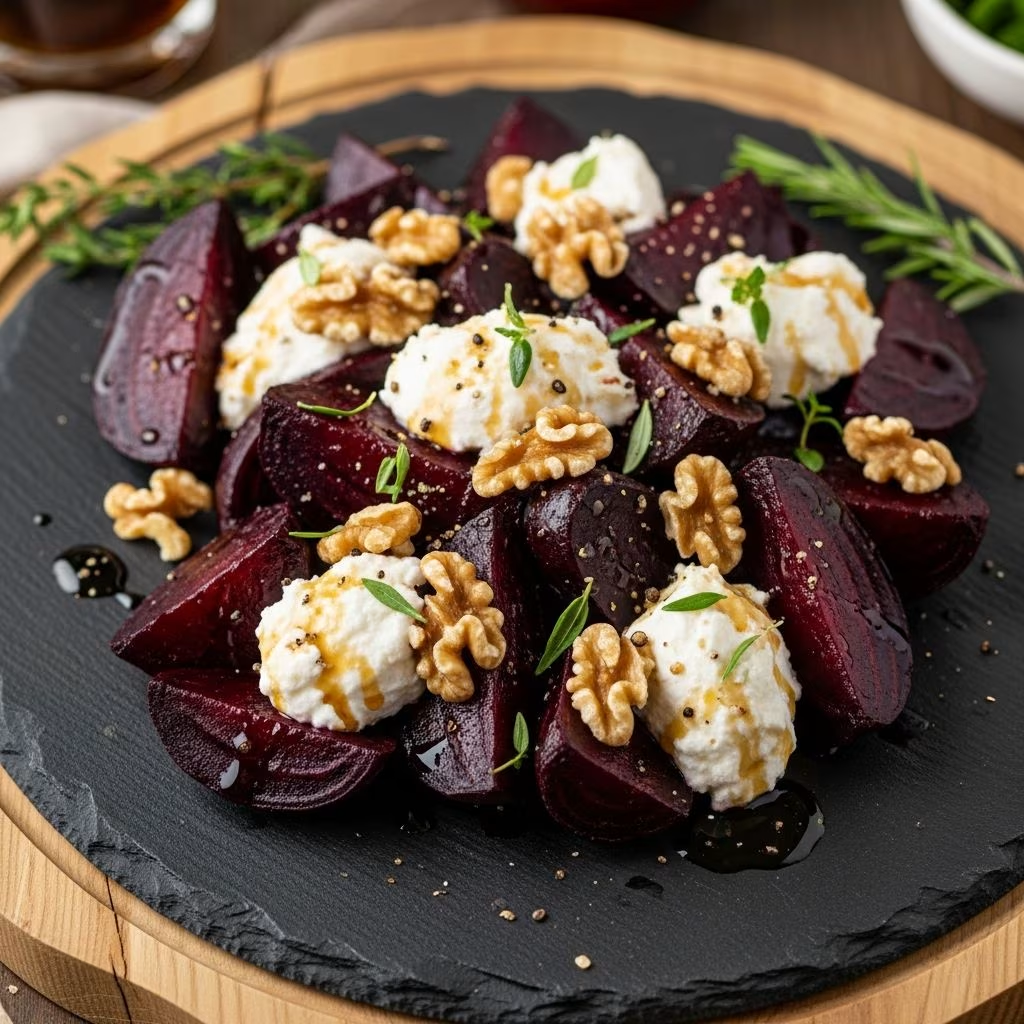
When seeking a sophisticated yet approachable side dish that impresses both family and guests, few options rival the combination of roasted beets, creamy goat cheese, and crispy walnuts. This classic trio creates a harmonious balance of flavors and textures—the earthy sweetness of roasted beets contrasts beautifully with the tangy creaminess of goat cheese, while toasted walnuts provide a satisfying crunch. Whether you’re planning a dinner party, holiday gathering, or simply looking to elevate your weeknight meal, this recipe delivers restaurant-quality results from your home kitchen.
Understanding the Star Ingredient: Beets
Beets represent one of nature’s most versatile vegetables, offering both nutritional benefits and culinary possibilities. These root vegetables contain naturally occurring sugars that intensify when exposed to heat, creating a sweeter, more concentrated flavor profile than their raw counterparts. The roasting process caramelizes these sugars on the surface while keeping the interior tender and succulent.
When selecting beets for this preparation, choose specimens that are firm and free from soft spots or major blemishes. Medium-sized beets typically cook more evenly than very large ones, though you can adjust cooking time accordingly. Both red and golden varieties work wonderfully in this dish, though red beets will stain lighter ingredients—a consideration when plating if aesthetics matter for your presentation.
Preparation Fundamentals
Cleaning and Trimming Your Beets
Begin by thoroughly rinsing your beets under cool running water to remove any soil particles clinging to the surface. Using a soft vegetable brush or clean cloth, gently scrub the skin while holding the beet under water. Trim the stem ends and root tips, removing approximately one-quarter inch from each end. Avoid cutting too deeply into the beet itself, as this can cause color bleeding and nutrient loss during cooking.
For this preparation method, you need not peel the beets beforehand. The skin protects the tender flesh during roasting and actually facilitates easier peeling once the beets have cooled slightly after cooking. The papery skin slips off effortlessly under cool running water once the beets have finished their time in the oven.
Cutting Strategy for Even Cooking
Uniformity in beet size ensures even cooking throughout the batch. Cut your prepared beets into wedges approximately one and one-half inches thick. Imagine cutting the beet like you would cut an orange into segments—this method creates pieces that brown beautifully on the cut edges while maintaining structural integrity throughout the cooking process. If your beets vary significantly in size, consider cutting larger specimens into smaller wedges to ensure they finish cooking simultaneously with smaller pieces.
The Flavor Foundation: Oils, Seasonings, and Aromatics
The foundation of this dish relies on a simple but carefully balanced combination of ingredients that allow the natural qualities of each component to shine. Extra virgin olive oil provides a fruity, rich base that complements rather than masks the earthy beet flavor. Kosher salt enhances the natural sweetness of the beets and balances the tangy goat cheese and bitter walnuts that follow.
Fresh rosemary contributes an herbaceous note that bridges the gap between the sweetness of the beets and the tang of the cheese. The volatile oils in fresh rosemary intensify during roasting, infusing the beets with Mediterranean aromatics. If fresh rosemary proves unavailable, dried rosemary works in a pinch, though you should reduce the quantity by approximately one-half, as dried herbs concentrate their flavors.
Some variations of this recipe incorporate honey into the roasting mixture, adding a subtle floral sweetness that enhances the natural sugars already present in the beets. This addition creates a light glaze on the finished product and contributes subtle complexity to the overall flavor profile.
Roasting Technique and Temperature Management
Proper oven temperature represents one of the most critical factors in achieving perfectly roasted beets. Preheat your oven to 400 degrees Fahrenheit, allowing the heating element time to reach and stabilize at this temperature. A properly heated oven promotes more even cooking and encourages the development of caramelization on the cut surfaces of the beets.
In a large mixing bowl, combine your prepared beet wedges with olive oil, salt, and rosemary. Using your hands or a wooden spoon, toss gently until each piece receives an even coating of oil and seasonings. Distribute the beets across a baking sheet or roasting pan in a single layer, preferably with the cut sides facing downward. This positioning allows the flat surfaces to make direct contact with the hot pan surface, promoting better browning and caramelization.
Roast for approximately 45 minutes, checking for doneness at the 40-minute mark by piercing a beet wedge with a fork or small knife. The vegetable should offer minimal resistance and feel tender throughout. Depending on your oven’s characteristics and the exact size of your beet pieces, cooking time may vary by five to ten minutes in either direction.
Walnut Preparation and Toasting
Walnuts contribute more than mere textural contrast to this dish—they provide nutritional substance and a sophisticated flavor that complements both beets and goat cheese. Raw walnuts possess a slightly bitter, earthy quality that becomes more refined and complex when subjected to gentle heat.
For optimal flavor development, toast your walnuts separately from the beets. Spread approximately one cup of walnut pieces on a separate baking sheet and roast at 375 degrees Fahrenheit for eight to ten minutes, or until the nuts become fragrant and develop a light golden color. Remove them from the oven promptly upon achieving this stage, as walnuts transition quickly from perfectly toasted to burnt. The residual heat will continue cooking them slightly as they cool on the pan.
Allow the toasted walnuts to cool completely before chopping them coarsely. Coarser pieces provide more textural interest than finely ground nuts, contributing pleasant crunch that survives the plating and serving process. If preparing this dish in advance, store toasted walnuts in an airtight container at room temperature; they’ll maintain their crispy texture and toasted flavor for several days.
Goat Cheese Selection and Crumbling
The tang and creaminess of goat cheese provides essential balance to the sweetness of roasted beets. When shopping for goat cheese, look for products labeled as fresh or chèvre—these varieties offer the soft, spreadable consistency and bright, acidic flavor most complementary to this preparation. Aged goat cheeses, while delicious in other applications, tend toward a crumbly texture that doesn’t distribute as elegantly across the finished dish.
Remove goat cheese from refrigeration approximately 15 minutes before use, allowing it to soften slightly and warm to room temperature. This facilitates easier crumbling and allows the cheese to distribute more smoothly across the warm roasted beets, creating pockets of creamy richness throughout each serving. Crumble the cheese into irregular pieces of varying sizes—some should be quite small and powdery, while others should retain a bit more structure, creating visual and textural interest.
Citrus Accents and Finishing Touches
Many interpretations of this classic combination incorporate citrus elements that brighten the overall flavor profile and cut through the richness of the goat cheese. Fresh orange segments provide a juicy, slightly sweet element that echoes the natural citrus notes already present in quality goat cheese. Alternatively, a light drizzle of citrus vinaigrette or a squeeze of fresh lemon juice offers similar brightening effects without adding substantial moisture to the finished dish.
Some variations include fresh herbs in the finishing stage—snipped chives offer a subtle onion note, while fresh dill provides an entirely different flavor direction. These additions remain optional but contribute nice aromatic complexity when included.
Assembly and Serving Recommendations
Assemble this dish shortly after the beets have cooled slightly but while they retain residual warmth—this timing allows the warm beets to soften the goat cheese slightly, creating better flavor integration. Transfer the roasted beets to a serving platter or individual plates. Scatter the crumbled goat cheese across the surface, followed by the toasted walnut pieces and any citrus elements.
This preparation shines as a standalone side dish, but many cooks prefer serving it over a bed of tender greens, transforming it into a light main course or elegant first course for dinner parties. Field greens, arugula, or spring lettuce mixes all provide excellent foundations that won’t compete with the featured ingredients.
Flavor Variations and Creative Adaptations
Sweet and Savory Interpretations
While the classic formula of beets, goat cheese, and walnuts needs no embellishment, several appealing variations deserve exploration. A drizzle of aged balsamic vinegar adds sophistication and introduces a subtle sweet-tart complexity. Maple-candied walnuts replace the simple toasted variety for occasions when additional sweetness enhances your menu. Honey-Dijon vinaigrette brings mustard’s piquancy and honey’s sweetness into play.
Herb and Spice Options
Beyond the suggested rosemary, thyme, tarragon, or sumac offer compelling aromatic directions. Thyme brings a slightly minty, earthy quality, while tarragon contributes anise-like notes. Sumac introduces a lemony tartness without additional acidity. Any of these herbs may replace or supplement rosemary according to your preferences and pantry contents.
Make-Ahead Strategy and Storage
This dish components can be prepared in advance, though final assembly benefits from happening shortly before serving. Roasted beets maintain quality in a covered container in the refrigerator for up to five days. Toasted walnuts store in an airtight container at room temperature for several days. Goat cheese crumbles store refrigerated for the duration of its package shelf life.
For dinnertime efficiency, complete all roasting and toasting earlier in the day, then quickly assemble the finished dish during the final cooking or preparation moments. The only components requiring last-minute attention are the crumbling and distribution of goat cheese and any fresh citrus elements.
Nutritional Considerations
This combination delivers substantial nutritional benefits alongside its culinary appeal. Beets provide dietary fiber, folate, and manganese, contributing to digestive health and bone strength. Goat cheese offers calcium and protein while typically containing less fat than cow’s milk cheese varieties. Walnuts contribute omega-3 fatty acids and additional protein, supporting heart health and satiety. A modest serving provides approximately 350 calories while delivering satisfying texture and flavor that prevents overeating.
Frequently Asked Questions
Can I use pre-roasted beets from the grocery store?
Absolutely. Vacuum-packed roasted beets significantly reduce preparation time and prove especially convenient for weeknight preparation. Simply drain any liquid, cut into appropriate-sized pieces, and proceed with assembly. Fresh-roasted beets offer superior flavor complexity, but store-bought versions deliver acceptable results when time constraints prevent from-scratch preparation.
Why do my hands stain red when handling beets?
Beets contain betalain pigments that readily transfer to skin and clothing. Wearing disposable gloves during preparation prevents staining. If staining occurs, lemon juice or vinegar helps remove the discoloration from hands.
What should I do with beet greens?
The leafy greens attached to fresh beets prove perfectly edible and nutritious. Trim them at the point where they meet the beet root, rinse thoroughly, and prepare similarly to other hearty greens—roasting, sautéing, or including raw in salads all work well.
Can I make this dish vegan?
Simply substitute crumbled firm tofu or cashew-based cheese alternatives for the goat cheese. The fundamental flavor profile remains intact while accommodating plant-based dietary preferences.
Conclusion and Final Thoughts
This elegant combination of roasted beets, goat cheese, and walnuts represents accessible sophistication that elevates everyday mealtimes. The preparation requires minimal technical skill while delivering impressive results suitable for both casual family dinners and formal entertaining. With its natural sweetness, tangy creaminess, and satisfying crunch, this dish demonstrates how quality ingredients and straightforward technique combine to create culinary pleasure that nourishes both body and palate.
References
- Roasted Beets with Goat Cheese & Walnuts — JENNIE-O® Recipes. 2024. https://www.jennieo.com/recipes/roasted-beets-with-goat-cheese-walnuts/
- Roasted Beets w/ Walnuts and Goat Cheese — Adventurous Cooks. 2024. https://adventurouscooks.com/recipes/beets
- Salt-Roasted Beets with Goat Cheese and Walnuts — Alexandra Cooks. 2010. https://alexandracooks.com/2010/04/29/salt-roasted-beets-with-goat-cheese-and-toasted-walnuts/
- Roasted Beet Salad with Goat Cheese, Walnuts & Honey-Dijon Vinaigrette — Once Upon a Chef. 2024. https://www.onceuponachef.com/recipes/roasted-beet-salad-with-goat-cheese-walnuts-honey-dijon-vinaigrette.html