Among the simplest yet most impressive vegetable preparations, roasted asparagus topped with parmesan cheese stands as a testament to how minimal ingredients can create maximum flavor. This classic combination transforms fresh asparagus spears into a tender-yet-crispy side dish that elevates any meal from ordinary to restaurant-quality. The beauty of this preparation lies in its straightforward approach: season fresh asparagus, coat it with quality olive oil, roast until the tips blister and brown, and finish with a generous shower of aged parmesan cheese.
Why This Recipe Deserves a Permanent Place in Your Rotation
The appeal of roasted asparagus with parmesan extends far beyond its elegant presentation. This dish requires minimal hands-on time, making it ideal for busy weeknights when you want something that looks and tastes special without demanding hours in the kitchen. The vegetable itself offers nutritional benefits including fiber, vitamins K and A, and folate, while the parmesan cheese adds richness and umami depth that satisfies even the most discerning palate. Unlike steamed or boiled asparagus, the roasting method brings out natural sweetness while developing complex flavors through the Maillard reaction—the same chemical process that creates the appealing brown crust on bread or roasted meats.
What makes this preparation universally appealing is its versatility. Serve it alongside grilled salmon, pair it with pasta dishes, or incorporate it into elegant dinner parties. The recipe scales effortlessly whether you’re cooking for two or twenty, and it pairs beautifully with virtually any protein or grain-based main course.
Assembling Your Ingredients: Quality Matters
The foundation of this dish rests on selecting quality components. Start with fresh asparagus that displays vibrant green coloring with tightly closed, compact tips. When selecting asparagus bundles at the market, apply gentle pressure to the tips—they should feel firm rather than soft or mushy. Thin asparagus stalks (about the thickness of a pencil) will cook more quickly and uniformly, while thicker spears may require peeling the woody bottom half to ensure tender results throughout.
Extra virgin olive oil serves as more than just a cooking medium; it contributes its own distinctive flavor profile to the finished dish. Choose an oil with a robust, peppery character rather than a mild variety. This ensures that every asparagus stalk becomes thoroughly coated and flavored by the time it exits the oven.
Parmesan cheese selection significantly impacts the final outcome. Freshly grated parmesan cheese from a wedge melts more evenly and provides superior flavor compared to pre-grated varieties, which often contain anti-caking agents that interfere with melting. The cheese should have a pale golden color and a somewhat crystalline texture that indicates proper aging.
Garlic deserves careful attention as well. Fresh garlic cloves minced by hand (or with a garlic press) provide superior flavor to pre-minced bottled varieties. If fresh garlic seems overwhelming or if you’re preparing this dish in advance, garlic powder offers a reliable backup option that still delivers pleasant results.
The Preparation Stage: Setting Up for Success
Begin by preheating your oven to 400-425°F. This temperature range allows the asparagus to develop caramelized, slightly blistered tips while maintaining a tender interior. While the oven warms, prepare your baking sheet by lining it with parchment paper or aluminum foil. This simple step prevents sticking and makes cleanup remarkably easy.
Rinse the asparagus under cool running water and pat it completely dry. Moisture remaining on the vegetable can interfere with browning and create steam rather than the desired roasting effect. After drying, trim approximately one to two inches from the base of each stalk. The woody bottom portion becomes tough and fibrous when cooked and should be removed before the spears enter the oven. A helpful trick involves bending each stalk near the base until it naturally snaps—the asparagus will break right at the point where the tender portion begins and the woody portion ends.
Arrange the prepared asparagus in a single layer on your prepared baking sheet. This spacing proves crucial for achieving proper roasting rather than steaming. Crowding the pan traps moisture around the asparagus, resulting in a steamed texture rather than the desired crispy-edged exterior. The spears should not touch one another and ideally should have some space between them for air circulation.
Seasoning Strategy: Building Layers of Flavor
Drizzle the arranged asparagus generously with olive oil, using approximately two tablespoons per pound of asparagus. Use your hands or a silicone brush to ensure each stalk receives an even coating. This oil layer serves multiple purposes: it conducts heat efficiently, prevents sticking, and enables browning through the Maillard reaction.
Following the oil application, sprinkle salt and freshly ground black pepper across the asparagus. Use kosher salt if available, as it distributes more evenly than table salt due to its larger crystals. Grind fresh pepper rather than using pre-ground varieties to maximize flavor intensity. At this stage, add minced garlic by sprinkling it across the spears, or substitute with garlic powder if you prefer a more subtle approach.
Toss the seasoned asparagus gently using your hands, ensuring that each stalk becomes coated with oil and seasoning. Return the spears to a single layer arrangement on the baking sheet before roasting begins.
The Roasting Process: Achieving Perfect Texture
Transfer the baking sheet to your preheated oven and roast for six to fifteen minutes, depending on the thickness of your asparagus spears and your specific oven characteristics. Thinner spears may finish in as little as six minutes, while thicker stalks could require up to fifteen minutes. Begin checking for doneness around the six-minute mark by piercing a stalk with a fork or knife—it should offer slight resistance but not feel completely limp or mushy.
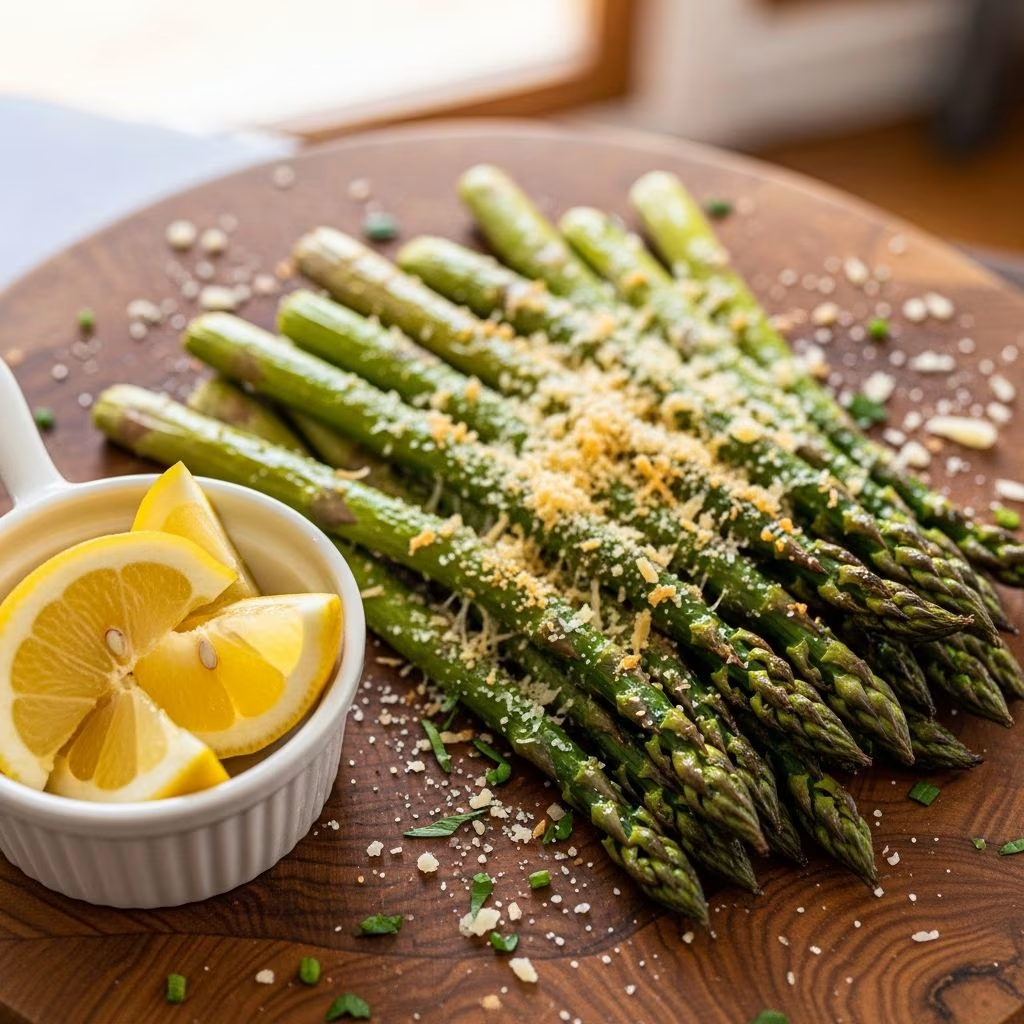
The visual cues that indicate perfect roasting include tips that have begun to blister and brown while the stalks remain bright green. The edges of the spears may develop slight charred spots, which actually contribute pleasant caramelized notes to the final flavor profile. Avoid over-roasting, which causes the asparagus to collapse and lose its appealing texture.
Once the asparagus reaches optimal tenderness, remove the baking sheet from the oven. Working quickly while the spears remain hot, sprinkle freshly grated parmesan cheese generously across the top. The residual heat will slightly soften and warm the cheese, creating a partial melt effect. Some recipes recommend returning the sheet to the oven for an additional minute or two to fully melt the cheese, though this step remains optional depending on your preference for cheese texture.
Variations and Adaptations: Personalizing Your Dish
The basic formula accommodates numerous creative additions without losing its essential character. Incorporate panko breadcrumbs mixed with parmesan and a bit of olive oil to create a crispy topping that adds textural contrast. Italian seasoning offers an aromatic dimension that complements the asparagus beautifully. Finish the dish with fresh lemon juice and zest immediately before serving, which brightens the overall flavor profile and adds visual appeal.
For those seeking additional depth, try adding red pepper flakes for subtle heat, or incorporate balsamic vinegar for tangy sweetness. Some preparations include anchovies mashed into the oil for umami-forward results, though this approach suits adventurous palates rather than conservative diners.
Serving Suggestions and Pairing Recommendations
Roasted asparagus with parmesan complements an extensive range of main courses. Pair it with grilled or roasted salmon, where the clean flavors enhance rather than compete. Serve alongside pasta dishes, particularly those featuring light cream sauces or tomato-based preparations. Include it on boards with grilled chicken, roasted lamb, or herb-crusted beef tenderloin for elegant entertaining.
This side dish transitions beautifully across seasons and occasions. Spring and early summer celebrations benefit from its fresh vegetable character, while its sophisticated presentation suits formal dinner parties year-round. Serve it warm from the oven, or prepare it in advance and reheat gently before serving—it maintains its appealing qualities even after cooling, making it suitable for buffet-style entertaining.
Storage and Make-Ahead Considerations
Leftover roasted asparagus keeps well refrigerated in an airtight container for up to three days. Reheat gently in a 350°F oven for five to eight minutes rather than using a microwave, which can make the spears limp. Consider adding fresh parmesan cheese after reheating to restore its appealing melted quality.
The dish can be partially prepared in advance: wash, trim, and season the asparagus up to four hours ahead, storing it in the refrigerator until ready to roast. This approach works particularly well for entertaining, allowing you to pop the prepared sheet directly into a preheated oven moments before guests arrive.
Ingredient Quality Impact on Final Results
| Ingredient Component | Impact on Dish | Selection Tips |
|---|---|---|
| Asparagus Freshness | Determines tenderness and flavor development | Choose bright green with tightly closed tips |
| Olive Oil Quality | Contributes to browning and flavor depth | Use extra virgin for robust character |
| Parmesan Age | Affects melting capability and flavor intensity | Select aged varieties for better results |
| Garlic Form | Influences aromatic strength and texture | Fresh minced provides superior results to powder |
| Salt Type | Affects distribution and flavor perception | Kosher salt distributes more evenly than table salt |
Common Mistakes and How to Avoid Them
Overcrowding the baking sheet ranks among the most frequent errors, resulting in steamed rather than roasted asparagus. Resist the temptation to fit more spears onto a single sheet; spread them in a single layer with adequate spacing between each stalk.
Insufficient oil coating prevents proper browning and leaves portions of the asparagus dry and bland. Apply oil generously and ensure that every surface receives coverage. Conversely, excessive oil can create a greasy mouthfeel, so aim for balanced coverage rather than saturation.
Adding parmesan too early during roasting causes the cheese to brown excessively or even burn before the asparagus reaches optimal doneness. Reserve cheese addition until the very end of the cooking process, when the spears have achieved their target texture.
Using pre-ground pepper or stale spices diminishes the aromatic quality of the finished dish. Toast whole peppercorns in a dry skillet before grinding them fresh for maximum impact.
Frequently Asked Questions
Can I prepare this dish with frozen asparagus?
While fresh asparagus produces superior results, frozen asparagus can work if properly thawed and excess moisture removed. Pat thawed asparagus thoroughly dry before proceeding, as frozen varieties contain more water that inhibits browning. Reduce roasting time slightly since frozen asparagus begins partially cooked.
What temperature produces the best results?
The 400-425°F range works optimally for most home ovens. Temperature within this window allows adequate browning while maintaining tenderness. If your oven runs hot, use the lower end; if it runs cool, use the higher temperature.
Should I peel thick asparagus stalks?
Yes, peeling the bottom half of thick asparagus stalks using a vegetable peeler ensures even cooking throughout. The tender interior beneath the fibrous exterior will cook at the same rate as thinner portions.
Can I use other cheeses besides parmesan?
Gruyère cheese offers a slightly earthier character while maintaining good melting qualities. Pecorino Romano delivers a sharper, more assertive flavor. Experiment to find your preferred option, though parmesan remains the classic choice.
How do I know when the asparagus is perfectly cooked?
Look for tips that have begun to blister and brown while the stalks remain bright green and tender. A fork should pierce the stalk with gentle pressure. Avoid cooking until completely soft or limp, as this loses the appealing texture contrast.
Nutritional Considerations
Asparagus provides substantial nutritional value within this preparation. Raw asparagus contains approximately 93% water, making it extremely low in calories while delivering meaningful amounts of fiber, vitamin K, and folate. The roasting process concentrates these nutrients slightly while maintaining their biological availability. Parmesan cheese contributes calcium and protein, though it remains calorie-dense, so moderation in portion size applies.
Elevating Your Presentation
Transform this simple side dish into a showstopping presentation element through thoughtful plating. Arrange the roasted spears in a parallel pattern on individual plates or a serving platter rather than heaping them casually. Top with additional freshly grated parmesan and a grind of fresh pepper just before serving. A squeeze of fresh lemon juice and a sprinkle of chopped fresh herbs like parsley or basil adds visual appeal and aromatic complexity.
For elegant entertaining, present the asparagus on a long, narrow platter with lemon wedges positioned artfully alongside. This simple arrangement transforms a humble vegetable into something that appears as carefully composed as any fine dining preparation.
Final Thoughts on This Timeless Preparation
Roasted asparagus with parmesan cheese exemplifies how thoughtful ingredient selection and proper technique combine to create something genuinely special from humble components. This recipe rewards attention to detail while remaining forgiving enough for novice cooks. Master this preparation, and you’ll find yourself returning to it repeatedly—both for everyday meals and special occasions that demand something that feels indulgent yet uncomplicated.
References
- Nutritional Composition of Asparagus (Asparagus officinalis) — United States Department of Agriculture (USDA) FoodData Central. 2024. https://fdc.nal.usda.gov/
- The Maillard Reaction in Cooking — McGee, Harold. On Food and Cooking: The Science and Lore of the Kitchen (Revised Edition). Scribner. 2004. https://www.penguinrandomhouse.com/books/92648/on-food-and-cooking-by-harold-mcgee/
- Vegetable Roasting Techniques and Temperature Optimization — King Arthur Baking Company. 2023. https://www.kingarthurbaking.com/
- Cheese Selection and Melting Properties in Cooking — López-Alt, J. Kenji. The Food Lab: Better Home Cooking Through Science. W.W. Norton & Company. 2015. https://www.wwnorton.com/
- Parmesan Cheese Nutrition and Composition — National Institutes of Health (NIH) National Library of Medicine. 2024. https://pubmed.ncbi.nlm.nih.gov/
- Optimal Storage Methods for Cooked Vegetables — University of Georgia Extension. 2023. https://extension.uga.edu/
- Vegetable Quality Standards and Selection Guidelines — United States Department of Agriculture (USDA) Agricultural Marketing Service. 2024. https://www.ams.usda.gov/