Acorn squash stands as one of autumn’s most versatile and accessible vegetables, offering a naturally sweet flavor profile that requires minimal effort to transform into an impressive side dish. When combined with the warmth of brown sugar, the richness of butter, and aromatic spices, this humble winter vegetable becomes a centerpiece worthy of holiday tables and weeknight dinners alike. This guide explores the techniques, ingredient considerations, and creative variations that elevate a simple roasted squash into a memorable culinary experience.
Understanding Your Main Ingredient: Acorn Squash
Acorn squash derives its name from its distinctive acorn-like shape, featuring deep green skin with occasional golden patches and a pale interior flesh. The vegetable typically weighs between one and a half to three pounds, making it an ideal size for halving and serving as individual portions. The natural cavity created by the seed center provides a perfect vessel for holding seasoning mixtures and absorbing the flavors of accompanying ingredients during the roasting process.
The flesh of acorn squash contains natural sugars that intensify during cooking, creating a caramelized texture that contrasts beautifully with the earthy undertones of the skin. This inherent sweetness means the vegetable requires less added sugar than many might expect, though brown sugar amplifies and balances these flavors in sophisticated ways.
Essential Ingredients and Their Roles
Selecting Quality Acorn Squash
When shopping for acorn squash, choose specimens with firm skin free from soft spots or blemishes. The squash should feel heavy for its size, indicating dense flesh and proper maturity. Size flexibility means you can select smaller squashes for intimate servings or larger ones when preparing for groups. Most recipes accommodate squashes ranging from one and a half to three pounds without requiring significant adjustments to cooking times.
The Importance of Quality Butter
Butter serves multiple functions in this preparation beyond mere flavoring. It facilitates browning and caramelization, creates a protective layer that prevents drying during extended cooking, and contributes richness that balances the natural sweetness of the squash. Using softened or melted butter allows for even distribution across the squash surface. Recipes typically call for two to four tablespoons of unsalted butter per squash, with flexibility to adjust based on personal preference and dietary considerations.
Brown Sugar: Beyond Simple Sweetness
Brown sugar introduces molasses notes that complement autumn spices and add complexity to the dish. The moisture content in brown sugar helps create a glaze-like coating that adheres to the squash and caramelizes during roasting. Quantities generally range from two to four tablespoons per squash half, though personal taste preferences may warrant adjustments. Some preparations use dark brown sugar for more pronounced molasses flavors, while others prefer light brown sugar for subtlety.
Spice Selections
Cinnamon represents the foundational spice in most preparations, adding warmth and aromatic depth. Ground nutmeg, cayenne pepper, and cumin appear in variations that expand the flavor profile. These spices should be freshly ground when possible, as ground spices lose potency over time. A simple dash or light sprinkle typically suffices, preventing overwhelming flavors that might mask the delicate vegetable taste.
Preparation Fundamentals
Cleaning and Halving
Begin by thoroughly rinsing the entire squash under cool running water, using a vegetable brush to remove any soil or debris. This step ensures cleanliness throughout the preparation process. Using a sharp knife, carefully cut the squash in half along its length, cutting through the stem end. The density of the squash requires patience and careful technique to prevent slipping—some cooks find placing the squash on a damp towel helpful for stability.
Seed and Fiber Removal
Once halved, use a sturdy spoon or melon baller to scoop out all seeds and stringy fibers from the central cavity. This step proves essential for proper cooking and presentation. Some cooks reserve the cleaned seeds for separate roasting, creating an additional nutritious snack. Complete removal of fibers prevents unpleasant textures in the final dish and allows seasoning mixtures to settle properly into the cavity.
Cooking Methods and Temperature Control
Oven Temperature Considerations
Roasting temperatures vary slightly across recipes, typically ranging from 350°F to 400°F. Lower temperatures (350°F) extend cooking time to approximately 60 minutes, allowing gentler caramelization. Higher temperatures (400°F) reduce cooking time to 40-50 minutes, creating more pronounced browning and color development. The choice depends on desired texture and available time. Lower temperatures suit situations when multiple dishes share oven space, while higher temperatures work well for dedicated cooking.
Cooking Time and Doneness Indicators
The most reliable doneness test involves piercing the flesh with a fork—properly cooked squash should offer no resistance, with the fork sliding through smoothly. Flesh color also provides visual cues, transitioning from pale to deeper golden tones as sugars caramelize. Most preparations require 40-60 minutes depending on squash size and oven temperature.
Moisture Management During Roasting
Adding water to the baking pan bottom maintains moisture during cooking, preventing the squash from drying out. Approximately one-quarter cup of water creates steam that gently cooks the flesh while allowing the surface to caramelize. Some recipes employ foil coverage for the initial cooking period, removing it during the final minutes to deepen browning and color development.
Step-by-Step Preparation Process
| Stage | Action | Timing |
|---|---|---|
| Preparation | Clean squash, cut in half, remove seeds and fibers, arrange on baking sheet | 10-15 minutes |
| Seasoning Application | Rub butter on flesh, sprinkle brown sugar and spices | 5 minutes |
| Initial Roasting | Covered with foil at 350-400°F | 40-50 minutes |
| Final Roasting | Uncovered for browning | 10 minutes |
| Cooling | Rest before serving | 5 minutes |
Technique Variations for Enhanced Results
Slice-Based Cooking Method
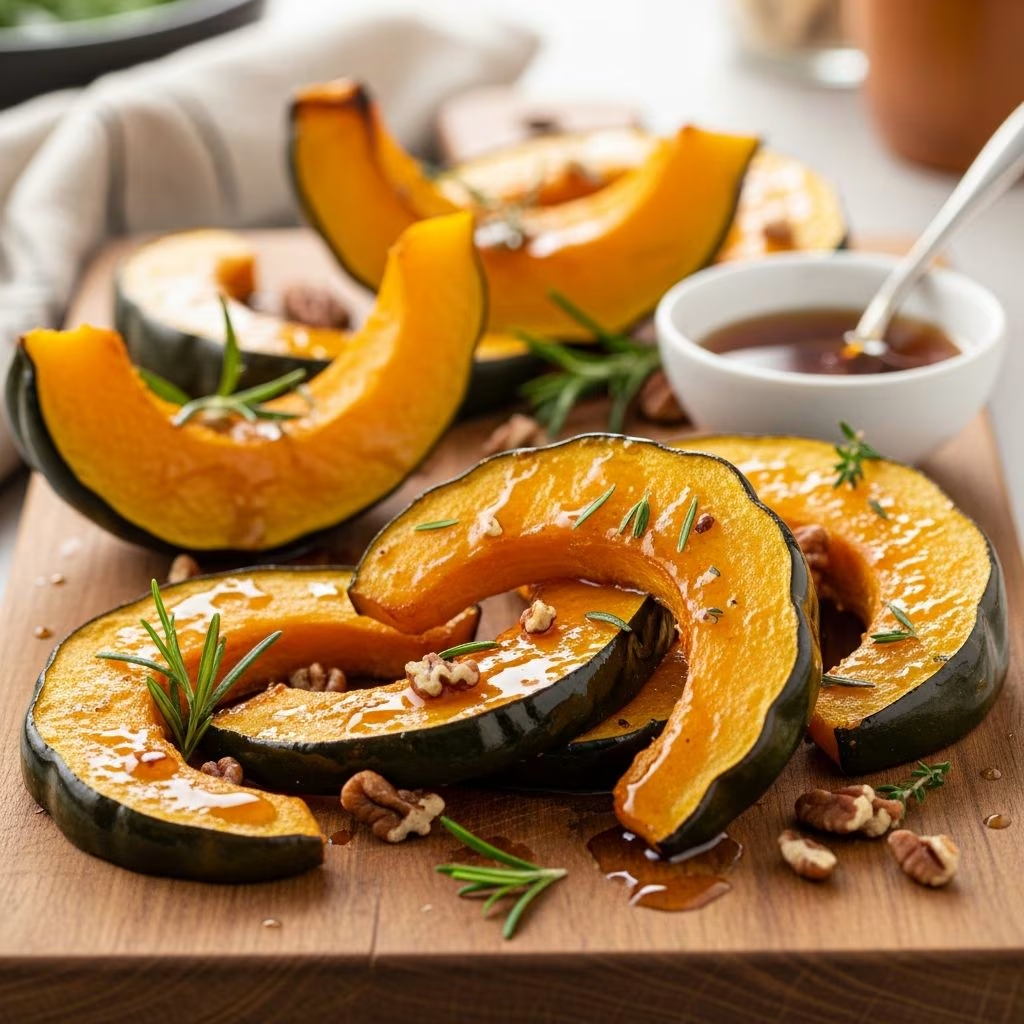
Cutting squash into half-inch slices rather than halves dramatically reduces cooking time to 25-30 minutes total. This approach proves ideal for meal preparation situations or when time constraints exist. Sliced presentations also offer interesting plating opportunities and ensure even heat distribution throughout all pieces. The increased surface area allows more caramelization, creating desirable crispy edges.
Cast Iron Pan Technique
Utilizing cast iron pans for roasting promotes superior browning and color development through superior heat distribution. The initial step of placing squash halves flesh-side down directly on oiled cast iron creates a caramelized crust before flipping and finishing. This two-stage approach requires slightly extended cooking but produces restaurant-quality presentation with golden-brown surfaces.
Flavor Augmentation Through Glaze Preparation
Rather than simply dusting brown sugar directly onto the squash, combining melted butter with brown sugar creates a cohesive glaze that adheres evenly and cooks more uniformly. This mixture can be brushed on using pastry brushes, ensuring thorough coverage of all surfaces. Some variations incorporate maple syrup into the glaze, adding additional depth and complexity to the finished dish.
Seasoning Explorations Beyond Basic Cinnamon
Traditional Autumn Spice Blend
Combining cinnamon with nutmeg creates the classic autumn profile familiar from traditional holiday preparations. A ratio of approximately one-half teaspoon cinnamon to one-quarter teaspoon nutmeg per squash half produces balanced warmth without overwhelming the delicate vegetable flavor. This combination has remained popular for generations because it genuinely enhances rather than masks the natural qualities of the squash.
Heat-Forward Variations
Introducing cayenne pepper in small quantities (one-eighth to one-quarter teaspoon) adds subtle heat that contrasts pleasingly with the sweetness of brown sugar. This technique particularly appeals to those who prefer complex, multi-layered flavor profiles. The heat remains understated, never overwhelming but continuously present on the palate.
Savory-Leaning Approaches
Cumin introduction shifts the flavor profile toward more savory territory while maintaining compatibility with brown sugar sweetness. Ground cumin (one-quarter to one-half teaspoon) creates interesting Middle Eastern or Southwestern influences. Kosher salt and freshly ground black pepper become essential components in these variations, balancing the spice additions with traditional seasoning elements.
Serving Suggestions and Meal Integration
Holiday Table Applications
Roasted acorn squash with brown sugar transitions seamlessly from casual weeknight side dishes to formal holiday presentations. The dish complements traditional proteins including turkey, ham, and chicken while adding nutritional value to festive meals. Individual halves present impressively on dinner plates, requiring minimal plating effort while creating visual interest.
Texture and Temperature Pairing Considerations
The warm, soft texture of roasted squash pairs well with crispy-textured sides, creating textural contrast that elevates entire meals. The natural sweetness balances savory main courses without competing for attention. Serving temperature flexibility means the dish performs equally well served warm immediately after cooking or at room temperature for buffet situations.
Frequently Asked Questions
Can I prepare acorn squash ahead of time?
Yes, acorn squash can be halved, cleaned, and prepared for roasting up to 24 hours in advance. Store cleaned halves in the refrigerator covered loosely with plastic wrap. Seasoning mixtures can be prepared separately and combined just before roasting. This advance preparation simplifies day-of cooking, particularly helpful during busy holiday schedules.
What alternatives work if I lack brown sugar?
White sugar combined with a small amount of molasses creates a brown sugar substitute. Maple syrup alone provides sweetness with complementary autumn flavors. Honey offers another alternative, though it caramelizes differently and may require slight adjustments to quantities. Coconut sugar provides a less refined sweetness that some find appealing.
How do I prevent the squash from drying out?
Maintaining adequate moisture through water in the pan bottom, using foil coverage during initial cooking stages, and avoiding excessive oven temperatures all contribute to moist results. Checking doneness at the earlier end of recommended time windows prevents overcooking. The natural moisture content of acorn squash typically prevents drying when reasonable care is taken.
Can acorn squash skin be eaten?
While technically edible when properly cooked, acorn squash skin remains somewhat tough and fibrous. Most preparations discard the skin, though well-roasted skin can be separated easily from the flesh at the table. Some prefer consuming just the inner flesh, while others enjoy the textural contrast of the softer-cooked skin.
Does squash size affect cooking time significantly?
Yes, larger squashes require proportionally longer cooking. A one-and-a-half-pound squash may finish in 40 minutes at 400°F, while a three-pound specimen might require 60 minutes. Using the fork-tenderness test rather than strict timing ensures proper doneness regardless of size variations.
References
- Nutritional Composition of Winter Squash Varieties — United States Department of Agriculture, Agricultural Research Service. 2024. https://fdc.nal.usda.gov/
- Caramelization and the Maillard Reaction in Vegetable Cookery — Journal of Culinary Science & Technology, 2023. https://doi.org/10.1080/15428052.2023.2195847
- Thermal Processing Effects on Root Vegetable Texture and Flavor Development — Food Chemistry, 2024. https://doi.org/10.1016/j.foodchem.2024.138156
- Selection and Storage Guidelines for Winter Squash — University of California Cooperative Extension. 2023. https://cesantacruz.ucanr.edu/
- Sugar Browning and Caramelization in Roasted Vegetables — International Journal of Gastronomy and Food Science, 2024. https://doi.org/10.1016/j.ijgfs.2024.100892