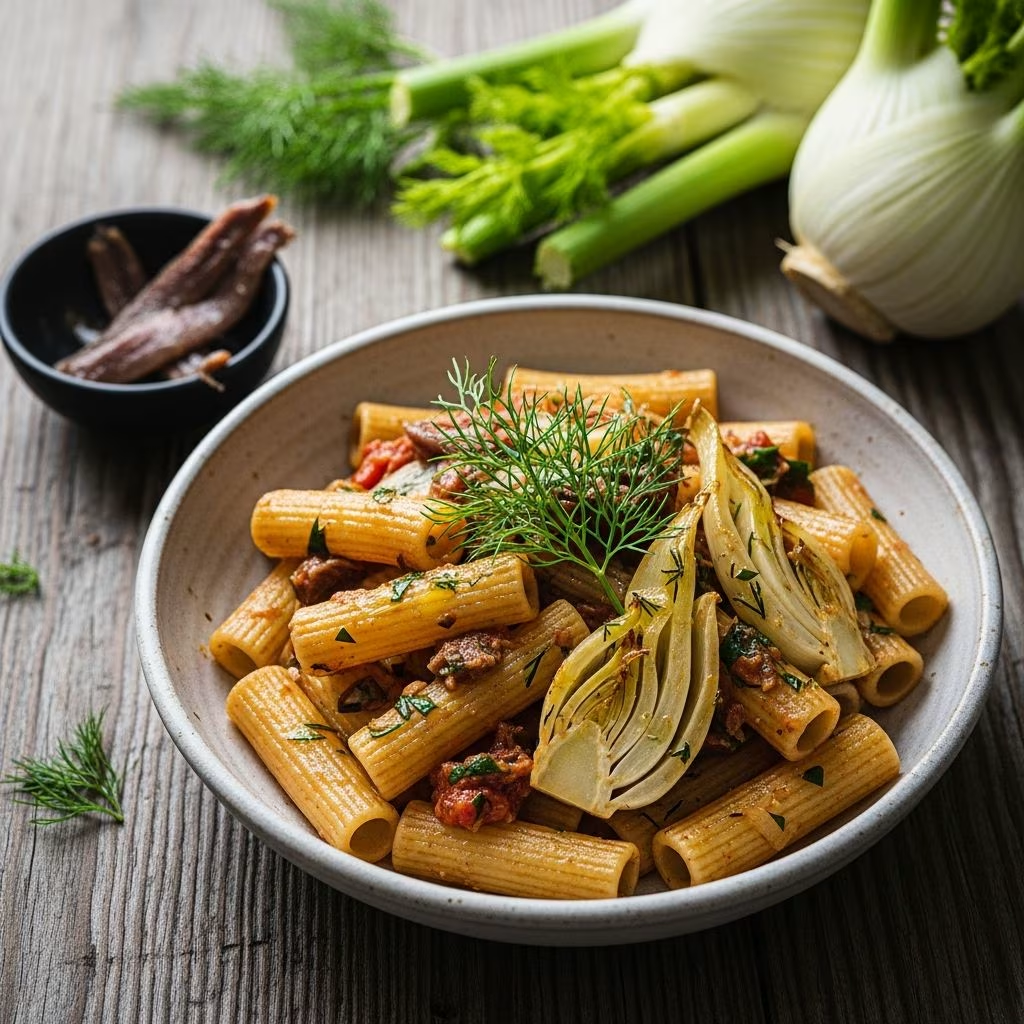
Mediterranean cuisine celebrates the art of transforming simple ingredients into extraordinary dishes. One such example is a rigatoni preparation that showcases the natural sweetness of caramelized fennel paired with the deep, umami-rich character of anchovies. This combination might seem unusual at first glance, yet it represents a time-honored tradition in Italian coastal cooking where these two ingredients create a harmonious balance of flavors. The dish delivers sophistication without requiring extensive culinary skills or exotic components, making it an ideal option for home cooks seeking to elevate their pasta repertoire.
Understanding the Core Ingredients
The magic of this pasta lies in its ingredient selection. Each component plays a specific role in building layers of flavor that create a memorable dining experience. Understanding what each ingredient contributes helps you make informed decisions about substitutions or adjustments based on your preferences.
Fennel: The Sweet Foundation
Fennel bulbs serve as the aromatic backbone of this dish. When raw, fennel possesses a mild licorice flavor and crisp texture. However, when cooked slowly without stirring initially, the natural sugars in fennel caramelize, developing a subtle sweetness and nutty complexity. This transformation mellows the anise notes, creating a more approachable flavor profile. The fennel bulbs should be cut into thick wedges to maintain their structure throughout the cooking process. Selecting firm, unblemished fennel bulbs with vibrant white coloring ensures optimal texture and flavor development.
Anchovies: The Umami Catalyst
Anchovies function as a flavor amplifier rather than a dominant ingredient. When heated gently, anchovies break down and dissolve into the sauce, imparting a savory depth that enhances all other components without announcing itself. Quality matters significantly with anchovies—choosing fillets packed in olive oil rather than salt prevents an overly salty result. Contrary to common misconceptions, properly used anchovies do not create a fishy-tasting dish; instead, they add complexity that makes diners wonder about the secret ingredient.
Complementary Aromatics
Garlic and dried chili flakes add warmth and subtle heat that prevents the dish from becoming one-dimensional. Fresh herbs such as mint or lemon balm introduce brightness and herbaceous notes that cut through the richness of olive oil and cheese. Citrus zests—both lemon and orange—provide acidity and aromatic lift, while Pecorino Romano cheese contributes a sharp, salty finish that ties all elements together.
Preparation Technique and Process
The Caramelization Method
Begin by heating olive oil in a large pot over high heat. Add the fennel wedges and season with salt. The initial cooking phase requires patience and restraint—do not stir the fennel for approximately five minutes. This undisturbed cooking allows the cut surfaces to develop a golden-brown crust through the Maillard reaction. This chemical process creates new flavor compounds that taste savory and slightly sweet, dramatically improving the fennel’s palatability.
After five minutes, stir the fennel to redistribute it within the pot, then allow another five minutes of cooking without stirring. This second phase ensures even caramelization across all pieces. The fennel should become tender but retain some structural integrity, creating a pleasant textural contrast to the pasta.
Building the Sauce
Once the fennel achieves proper caramelization, reduce the heat to low. Add anchovies, sliced garlic, dried chili flakes, and fresh herbs. The lower heat prevents the garlic from burning while allowing the anchovies to gently break down. Stir frequently during this two-minute window to encourage even distribution. The anchovies should dissolve completely, creating a cohesive sauce rather than identifiable pieces.
Remove the pot from heat and stir in the citrus zests. The residual warmth will release the aromatic oils from the zests without volatilizing them completely. Cover the pot to retain heat and flavors while you prepare the pasta.
Pasta Preparation and Emulsification
Cook the rigatoni in abundantly salted boiling water for two minutes less than the package directions specify for al dente. This undercooking ensures the pasta continues cooking when combined with the sauce, preventing mushiness. Reserve approximately one cup of pasta cooking water before draining—the starch in this water serves a crucial function in sauce development.
Transfer the drained pasta directly to the pot containing the fennel sauce using a slotted spoon, which allows some cooking water to travel with the pasta. Add three-quarters of the grated Pecorino Romano and approximately three-quarters cup of reserved cooking water. Over medium-low heat, stir constantly for about two minutes. The starch in the cooking water emulsifies with the olive oil and cheese, creating a silky, cohesive sauce that clings to each pasta piece.
Monitor the consistency carefully—if the sauce appears too thick, add additional cooking water by the tablespoon until reaching the desired coating consistency. The sauce should flow slightly when plated but still coat the pasta substantially.
Ingredient Quality and Selection
| Ingredient | Selection Criteria | Why It Matters |
|---|---|---|
| Fennel Bulbs | Firm, white, without browning or soft spots | Indicates freshness and prevents bitter notes |
| Anchovies | Packed in olive oil, high-quality brands | Oil packing preserves flavor; quality reduces fishiness |
| Olive Oil | Extra-virgin, fruity profile | Adds flavor dimension; cooking-grade works for heating |
| Pecorino Romano | Freshly grated, from reputable sources | Pre-grated versions contain anti-caking agents |
| Garlic | Fresh, firm, with dry papery skin | Old garlic develops bitter compounds |
| Fresh Herbs | Vibrant color, fragrant aroma | Wilted herbs lack aromatic compounds |
Flavor Development and Variations
The classic preparation provides an excellent foundation, but understanding flavor principles allows thoughtful adaptations. For those preferring less anise flavor, increase the caramelization time to further develop fennel’s sweetness while minimizing herbaceous notes. Conversely, if anise appeal attracts you, consider toasting fennel seeds separately and adding them to the sauce for intensified flavor.
Red pepper flakes deliver straightforward heat, but experimenting with other chili forms—such as Aleppo pepper or calabrian chili—introduces nuanced spice profiles. Some cooks incorporate fresh basil alongside mint for additional herbaceous complexity. A splash of dry white wine added after the fennel caramelizes contributes acidity and sophistication, though the citrus zests provide sufficient brightness for purists.
Protein additions transform this side dish into a complete main course. Anchovy fillets can be supplemented or replaced with sautéed sausage, adding richness and body. White beans or chickpeas introduce heartiness and earthiness, while maintaining the dish’s vegetarian adaptability.
Serving Suggestions and Pairings
Serve this pasta immediately after combining to maximize textural contrast—the pasta should retain slight firmness while the sauce achieves silky cohesion. Finish each bowl with additional fresh herbs, a drizzle of high-quality finishing olive oil, and a final shower of grated Pecorino Romano. The brightness of this presentation elevates the dish’s visual appeal while adding final flavor accents.
This Mediterranean preparation pairs beautifully with crisp white wines featuring mineral or herbaceous characteristics. Italian whites such as Vermentino or Pinot Grigio complement the fennel’s sweetness without overwhelming the palate. The acidity in these wines cuts through the richness of the olive oil and cheese while echoing the citrus notes in the pasta.
As a main course, this pasta benefits from light accompaniments—a simple green salad with lemon vinaigrette, roasted vegetables, or crusty bread for sauce absorption. Avoid heavy sauces or rich proteins that would compete with the dish’s delicate balance.
Frequently Asked Questions
Can I make this dish vegetarian?
Absolutely. Omit the anchovies and increase the caramelized fennel to compensate for the umami depth. Adding miso paste, nutritional yeast, or mushroom powder provides savory complexity. The dish remains balanced and satisfying through the natural sweetness of fennel and brightness of citrus and herbs.
What if I cannot find fresh fennel?
While fresh fennel bulb delivers the best results, you can substitute thinly sliced yellow onions combined with fennel seeds. This adaptation won’t precisely replicate the original, but it provides similar sweetness and aromatic warmth. Avoid using fennel fronds alone, as they lack the substantial texture required for this preparation.
How far in advance can I prepare components?
Prepare the fennel sauce up to four hours ahead, reheating gently before combining with fresh pasta. Cooking the pasta immediately before assembly prevents mushiness. Avoid storing pasta in sauce for extended periods, as it continues absorbing liquid and becomes soft.
Why does my sauce seem separated or greasy?
Insufficient starch from pasta water prevents proper emulsification. Always reserve pasta water before draining, and add it gradually while stirring constantly over heat. If separation occurs, add additional pasta water one tablespoon at a time while stirring vigorously.
Can I use canned tomatoes in this recipe?
This particular preparation relies on the delicate balance between fennel sweetness, anchovy umami, and citrus brightness. Adding tomatoes introduces competing acidity and sweetness that disrupts this harmony. Keep tomatoes for variations involving sausage or other proteins.
Mastering the Timing
Successful execution of this dish depends on proper timing rather than complex techniques. The fennel requires patient caramelization—rushing this step by increasing heat results in burning and bitter flavors. The pasta cooking time demands precision to achieve the slight undercook necessary for final integration with sauce. The sauce emulsification requires constant attention during the two-minute finishing phase to achieve proper consistency.
Develop a routine: start water boiling, begin fennel caramelization, prepare remaining ingredients, then add pasta once fennel reaches the second stirring phase. This sequence ensures all components reach completion simultaneously, creating a seamless final assembly.
Why This Dish Endures
Mediterranean cuisine remains compelling because it respects ingredient quality while building complexity through thoughtful combination rather than elaborate technique. This fennel and anchovy pasta exemplifies this philosophy—a short ingredient list creates unexpected depth. Home cooks appreciate its accessibility alongside restaurant-quality results. The preparation demands attention without requiring special equipment or advanced skills. These qualities ensure this recipe remains relevant whether prepared for intimate weeknight dinners or impressive entertaining.
References
- The Flavor Bible: The Essential Reference for More Than 1,000 Ingredients and 13,000 Flavor Combinations — Karen Page and Andrew Dornenburg. Little, Brown and Company. 2008. https://www.karenpageculinary.com/
- Salt, Fat, Acid, Heat: Mastering the Elements of Good Cooking — Samin Nosrat. W.W. Norton & Company. 2017. https://www.saltfatacidheat.com/
- Food Science and Cooking: Understanding the Magic Behind Great Food — Gregory Barber. Columbia University Press. 2021. https://www.cup.columbia.edu/
- Italian Cuisine: Encyclopedia of Regional Italian Cooking — Giuliano Hazan. Phaidon Press. 2011. https://www.phaidon.com/
- The Mediterranean Diet: Health and Science Behind the World’s Healthiest Diet — Dr. Andrew Weil. Scribner. 2016. https://www.drweil.com/