Gnocchi represents one of Italy’s most beloved pasta preparations, combining simplicity with elegant results. While traditional potato-based gnocchi demands careful attention to moisture levels and ingredient ratios, ricotta gnocchi offers a more forgiving approach that yields equally delightful outcomes. This lighter alternative requires fewer ingredients, less preparation time, and produces delicate pillows of pasta that absorb sauce beautifully while maintaining their tender texture.
Whether you’re an experienced home cook or someone new to pasta making, ricotta gnocchi presents an accessible entry point into Italian cuisine. The recipe embraces rustic authenticity while accommodating modern kitchen realities, making it ideal for both casual weeknight meals and more intentional dinner preparations.
Understanding Ricotta as Your Primary Foundation
Ricotta cheese serves as the cornerstone ingredient for this gnocchi variation, fundamentally different from the starch-heavy potato versions many people know. Ricotta contributes moisture, richness, and a subtle sweetness that distinguishes ricotta gnocchi from its potato cousins. The cheese’s delicate curd structure creates an inherently tender final product that requires less kneading and manipulation.
Selecting high-quality ricotta significantly impacts your results. Whole milk ricotta varieties provide superior flavor and texture compared to lower-fat alternatives. Some Italian cooks prefer goat’s milk ricotta for its more pronounced tanginess, though this represents a matter of personal preference. The ricotta you choose should be fresh and relatively thick rather than runny or overly wet.
Moisture management proves crucial when working with ricotta. Even quality ricotta often contains excess liquid that can compromise your dough consistency. Placing ricotta on several layers of paper towels and gently pressing it for 15 to 30 minutes removes this excess moisture before mixing, ensuring your dough reaches the proper texture without requiring excessive flour.
Essential Ingredients and Quality Considerations
Ricotta gnocchi demands remarkably few components, which means each ingredient’s quality matters considerably. Below are the fundamental elements:
- Ricotta cheese: 15 ounces to 1 cup, preferably whole milk varieties, drained thoroughly
- Eggs: One whole egg plus additional yolks provide binding and create tender structure
- Parmesan cheese: Freshly grated varieties deliver superior flavor compared to pre-grated versions
- All-purpose or tipo 00 flour: The base that binds ingredients while maintaining lightness
- Salt and pepper: Essential seasonings that enhance natural flavors
- Optional nutmeg: A subtle aromatic that adds complexity without dominating
Parmesan cheese warrants particular attention because pre-grated varieties contain anti-caking agents that prevent optimal melting and integration. Freshly grating your own parmesan using a microplane or box grater takes minimal time while producing noticeably superior results. This small effort elevates your entire dish’s quality.
Flour selection influences texture more than many home cooks realize. Tipo 00 flour, traditionally used for pasta making, creates exceptionally light and tender gnocchi because its fine particle size produces a smoother, more delicate dough. All-purpose flour works effectively when tipo 00 isn’t available, though the texture may be slightly less delicate.
Dough Development: The Foundation of Success
Creating proper gnocchi dough requires restraint and careful attention rather than aggressive mixing. Begin by combining your drained ricotta with eggs in a large mixing bowl, stirring until the mixture becomes smooth and creamy. This initial combination creates the flavor foundation and provides binding capacity for the remaining ingredients.
Next, incorporate grated parmesan cheese along with salt, pepper, and nutmeg if using. Mix thoroughly until these seasonings distribute evenly throughout the ricotta-egg mixture. This step establishes consistent flavor throughout your finished gnocchi.
Adding flour represents the most critical phase of dough development. Rather than incorporating all flour at once, add it gradually—approximately half a cup at a time—stirring gently between additions. Stop adding flour once your dough reaches a slightly sticky but cohesive consistency. Different ricotta brands contain varying moisture levels, so flexibility with flour quantities proves essential. You may need slightly less or slightly more than specified recipes indicate.
The resulting dough should feel soft and somewhat delicate rather than firm or elastic. Overworking or adding excessive flour produces dense, heavy gnocchi lacking the pillowy tenderness that defines excellent versions. If your dough feels too wet after incorporating the initial flour amount, chill it for 30 minutes before proceeding, which firms the mixture and makes shaping easier.
Shaping Your Gnocchi: Technique and Consistency
Shaping ricotta gnocchi allows for several approaches depending on your equipment and preferences. Transfer your finished dough onto a generously floured work surface. The abundant flour prevents sticking while preventing excessive flour incorporation into your gnocchi.
Divide your dough into four manageable portions. Working with one portion at a time while keeping others covered with plastic wrap prevents drying. Gently roll each portion into a rope approximately three-quarters of an inch in diameter. Use a bench scraper or sharp knife to cut this rope into individual pieces of similar size.
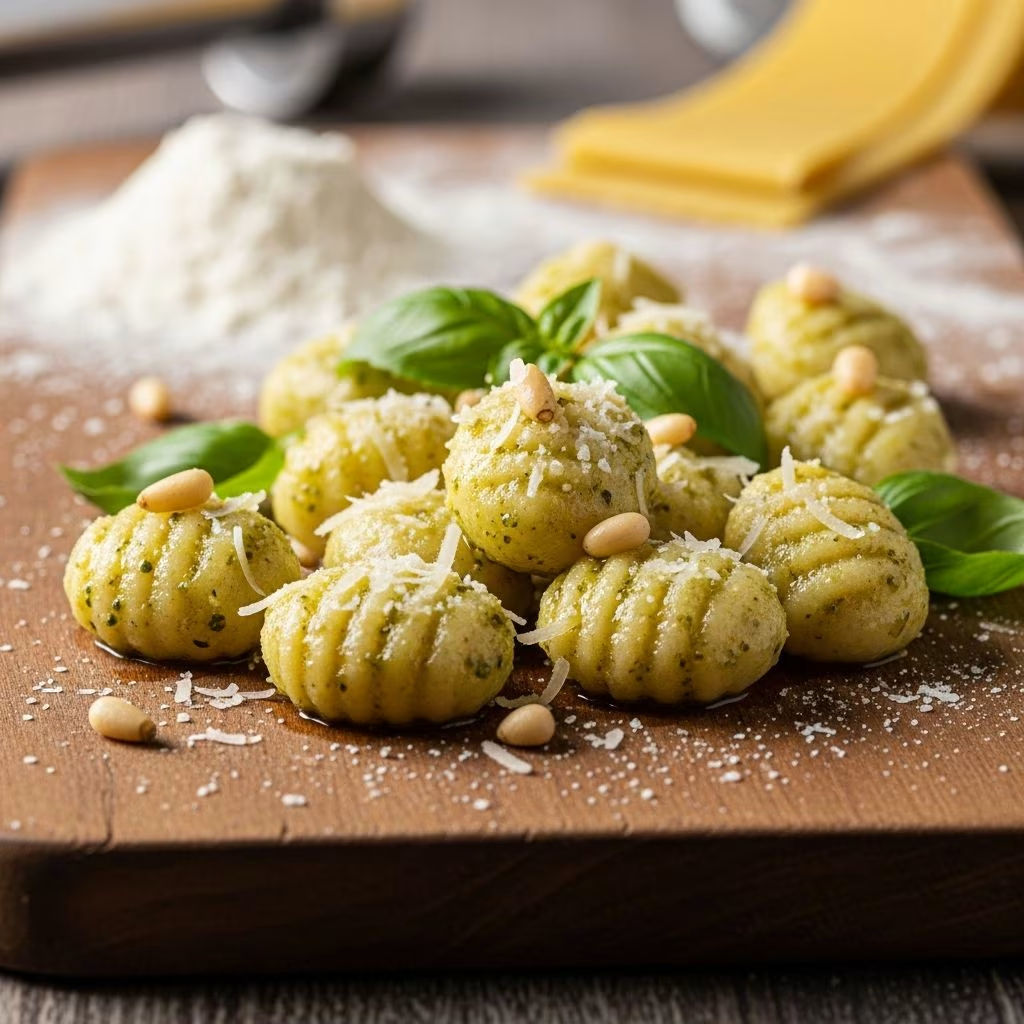
Some recipes suggest rolling the cut pieces against a fork’s tines to create characteristic ridges that help sauce cling to the gnocchi. This step, while traditional, remains optional—gnocchi without ridges taste equally delicious and look appealingly rustic. Your personal preference and available time determine whether you include this finishing touch.
Dust your finished gnocchi lightly with flour and transfer them to a parchment-lined baking sheet. At this point, you can cook them immediately or refrigerate them for several hours, allowing the dough to firm up slightly and making cooking more reliable.
The Cooking Process: Achieving Perfect Doneness
Cooking represents perhaps the most straightforward component of ricotta gnocchi preparation. Bring a large pot of generously salted water to a rolling boil—the water should taste noticeably salty, similar to ocean water. This salting season the gnocchi from the outside as they cook.
Working in batches to avoid crowding, carefully add your gnocchi to the boiling water. They will initially sink to the bottom of the pot. After approximately 1 to 2 minutes, they float to the surface as their density changes during cooking. Once they float, cook them for an additional 2 minutes to ensure thorough cooking throughout.
Remove finished gnocchi using a slotted spoon or spider strainer, transferring them directly to your prepared sauce rather than draining them in a colander. This technique prevents them from cooling and sticking together while allowing residual water to distribute through your sauce, creating a more cohesive final dish.
Sauce Pairings and Finishing Touches
Ricotta gnocchi’s delicate flavor accommodates numerous sauce options without overwhelming these tender pasta pillows. Classic preparations include brown butter infused with sage leaves, which emphasizes the gnocchi’s subtle sweetness while adding nuttiness and aromatic complexity. Bacon and butter sauces create richer, more indulgent presentations perfect for special occasions.
Lighter options work equally well for everyday preparations. A simple tomato-based sauce allows the gnocchi’s tender texture to shine without competing flavors. Cream-based sauces, though more decadent, provide luxurious accompaniments that transform this simple dish into something restaurant-worthy.
Regardless of your sauce choice, finish your plated gnocchi with freshly grated parmesan cheese and perhaps a grinding of black pepper. This final garnish adds visual appeal while providing additional flavor depth that elevates your presentation.
Common Challenges and Practical Solutions
Understanding potential issues helps troubleshoot problems before they compromise your dish. The most common challenge involves excessively wet or sticky dough, which typically results from inadequate ricotta draining or excess moisture in your ricotta brand. Solving this requires patience—either drain your ricotta longer before mixing or add flour gradually until reaching proper consistency rather than adding it all at once.
Gnocchi that falls apart during cooking usually indicates insufficient binding, typically caused by using too few eggs or working the dough too much after adding flour. Gnocchi that feels dense and heavy suggests too much flour was incorporated. Learning your specific ricotta brand’s moisture content through one or two attempts allows you to adjust subsequent batches accordingly.
Gnocchi that doesn’t float after 2 minutes may still be cooking—give them another minute or two before removing them. Cooking times vary based on your gnocchi’s size and thickness, so visual observation proves more reliable than strict timing.
Storage and Make-Ahead Options
Prepared gnocchi can be refrigerated on parchment-lined baking sheets for up to 24 hours, allowing convenient meal preparation. For longer storage, freeze them on baking sheets until completely solid, then transfer to freezer bags where they remain viable for up to 3 months. Cook frozen gnocchi directly from frozen, adding approximately 1 to 2 minutes to the cooking time.
Leftover cooked gnocchi stores in the refrigerator for up to 3 days in an airtight container. Reheat gently in a warm sauce rather than plain water to prevent them from becoming waterlogged or falling apart.
Why Ricotta Gnocchi Deserves Your Attention
This uncomplicated yet impressive pasta alternative offers multiple advantages over traditional preparations. The shortened ingredient list reduces shopping complexity while keeping costs manageable. Preparation time rarely exceeds 45 minutes from start to table, making this an accessible option for busy weeknights. Most importantly, the results consistently satisfy even discerning diners—tender, flavorful pillows of homemade pasta that taste far superior to dried commercial varieties.
Whether you’re entertaining guests or preparing a satisfying family meal, ricotta gnocchi delivers impressive results with minimal fuss. Once you master this straightforward technique, you’ll find yourself returning to it regularly as your go-to homemade pasta solution.
Frequently Asked Questions
Can I make ricotta gnocchi without eggs?
While eggs provide important binding properties, some experimentation with flour adjustments or egg replacers might work, though results may vary. Traditional recipes consistently use eggs as an essential ingredient.
What’s the difference between ricotta gnocchi and gnudi?
These terms are sometimes used interchangeably, though gnudi often refers to larger, more dumpling-like versions while gnocchi suggests smaller, more uniform pieces.
Can I use low-fat ricotta instead of whole milk?
Whole milk ricotta produces superior texture and flavor, though low-fat varieties can work with adjusted flour quantities due to their different moisture content.
How do I know if my ricotta is too wet?
If your dough feels very wet and won’t hold its shape after adding the initial flour amount, your ricotta contains excess moisture. Drain it longer on paper towels and try again.
Can I cook gnocchi in advance and reheat them?
Yes, cooked gnocchi can be refrigerated and gently reheated in warm sauce, though they’re best served freshly cooked.
References
- An Italian in My Kitchen: Soft Ricotta Gnocchi Recipe — An Italian in My Kitchen. Accessed 2026. https://anitalianinmykitchen.com/ricotta-gnocchi/
- Natasha’s Kitchen: Ricotta Gnocchi — Natasha’s Kitchen. Accessed 2026. https://natashaskitchen.com/ricotta-gnocchi/
- Gimme Some Oven: 20-Minute Ricotta Gnocchi — Gimme Some Oven. Accessed 2026. https://www.gimmesomeoven.com/ricotta-gnocchi/
- Mangia Bedda: Easy 3 Ingredient Ricotta Gnocchi — Mangia Bedda. Accessed 2026. https://www.mangiabedda.com/easy-3-ingredient-ricotta-gnocchi/
- Host The Toast: Foolproof Ricotta Gnocchi (Gnudi) — Host The Toast. Accessed 2026. https://hostthetoast.com/foolproof-ricotta-gnocchi-gnudi/