Rice stands as one of the most versatile and essential grains in global cuisines, offering a spectrum of flavors, textures, and nutritional profiles. This guide delves into the primary categories of rice, highlighting their distinct qualities, ideal applications in cooking, and practical preparation techniques to help home cooks select and prepare the right type for any dish.
Understanding Rice by Grain Length
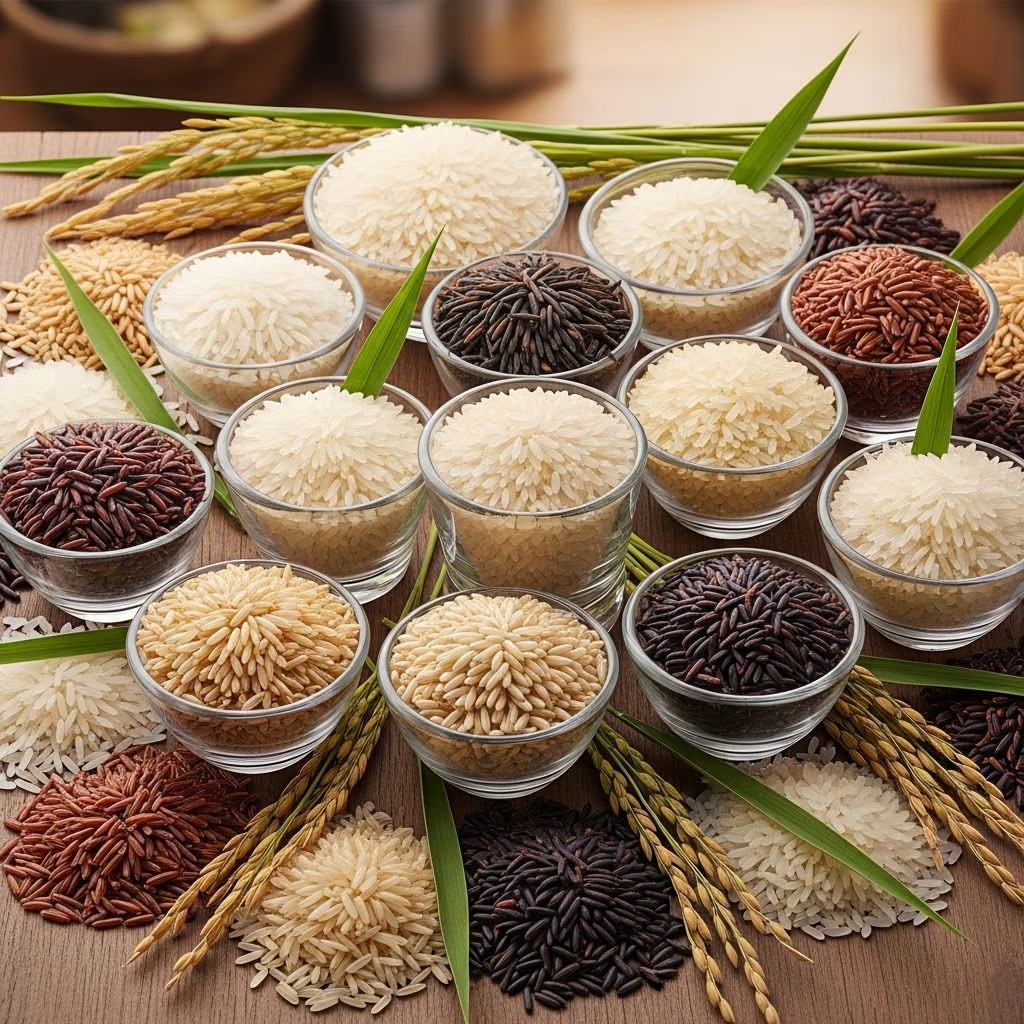
Rice classification begins with grain length, which profoundly influences texture after cooking. Long-grain varieties remain fluffy and separate, medium-grain options strike a balance with slight stickiness, and short-grain types become tender and cohesive, perfect for molded dishes.
- Long-Grain Rice: These slender grains, typically three to four times longer than wide, expand lengthwise during cooking, resulting in dry, non-sticky results ideal for pilafs and side dishes.
- Medium-Grain Rice: Slightly shorter and wider, they produce a softer, moister texture with moderate cling, suiting risottos and paellas.
- Short-Grain Rice: Plump and round, these grains release ample starch, yielding sticky, chewy outcomes favored in sushi and rice bowls.
White Rice vs. Brown Rice: Nutritional Breakdown
White rice undergoes milling to remove the bran and germ, yielding polished grains with a neutral flavor and extended shelf life. Brown rice retains its outer layers, preserving fiber, vitamins, and minerals but requiring longer cooking times due to its tougher bran.
| Rice Type | Cooking Time | Texture | Nutrition Highlights |
|---|---|---|---|
| White | 15-20 minutes | Light, fluffy | Quick energy, lower fiber |
| Brown | 40-50 minutes | Chewy, nutty | High fiber, B vitamins, magnesium |
Brown versions exist for nearly all white rice types, simply by leaving the bran intact, which imparts a hearty chew and earthy taste.
Aromatic Long-Grain Marvels: Basmati and Jasmine
Aromatic rices elevate dishes with their natural fragrances, developed through specific growing conditions and genetics. Basmati, originating from the foothills of the Himalayas, features an elongated, needle-like grain that doubles in length when cooked, offering a tender yet slightly firm bite with nutty undertones.
Jasmine rice, Thailand’s fragrant export, presents shorter, fatter grains than basmati but longer than short-grain types. It cooks to a soft, cushiony texture with mild stickiness, releasing a floral aroma reminiscent of popcorn during steaming.
- Basmati: Dry, separate grains; snappy mouthfeel; ideal for biryanis and curries.
- Jasmine: Cushy, cohesive; softest among long-grains; perfect for Thai fried rice and sticky rice desserts.
Short-Grain Specialists: Sushi and Beyond
Short-grain rice excels where cohesion matters. Sushi rice, a premium short-grain, boasts chubby grains that turn plush and adhesive after seasoning with vinegar, sugar, and salt, forming the backbone of nigiri and rolls.
These grains’ high amylopectin starch content creates the desired chewiness, distinguishing them from less sticky counterparts. Cooking involves a precise 1:1 water ratio, followed by gentle folding of seasonings to preserve gloss and structure.
Cooking Techniques for Flawless Results
Success with rice hinges on method. The absorption technique suits most varieties: rinse to remove excess starch, use a 1.5-2:1 water-to-rice ratio (adjusted per type), and simmer covered until liquid evaporates.
- Basmati: Soak 30 minutes, cook with 1.75:1 water; fluff post-cook for separation.
- Jasmine: Rinse lightly, 1.25:1 water; rest 10 minutes for softness.
- Short-Grain/Sushi: Wash until water runs clear, 1:1 water; steam without stirring.
- Brown Varieties: Increase water to 2.5:1, extend time; optional parboil for even texture.
Adjustments like extra water or resting periods can refine outcomes, ensuring perfect tenderness.
Pairing Rice with Global Dishes
Indian Inspirations
Basmati shines in layered biryanis, where its fragrance complements spices like cardamom and saffron. For simple jeera rice, toast cumin seeds in ghee before adding soaked grains.
Southeast Asian Staples
Jasmine rice forms the base for pad Thai and mango sticky rice, its subtle sweetness enhancing coconut and chili flavors.
Japanese Precision
Short-grain sushi rice supports raw fish and vegetables, while glutinous varieties create mochi-like textures in desserts.
Western Adaptations
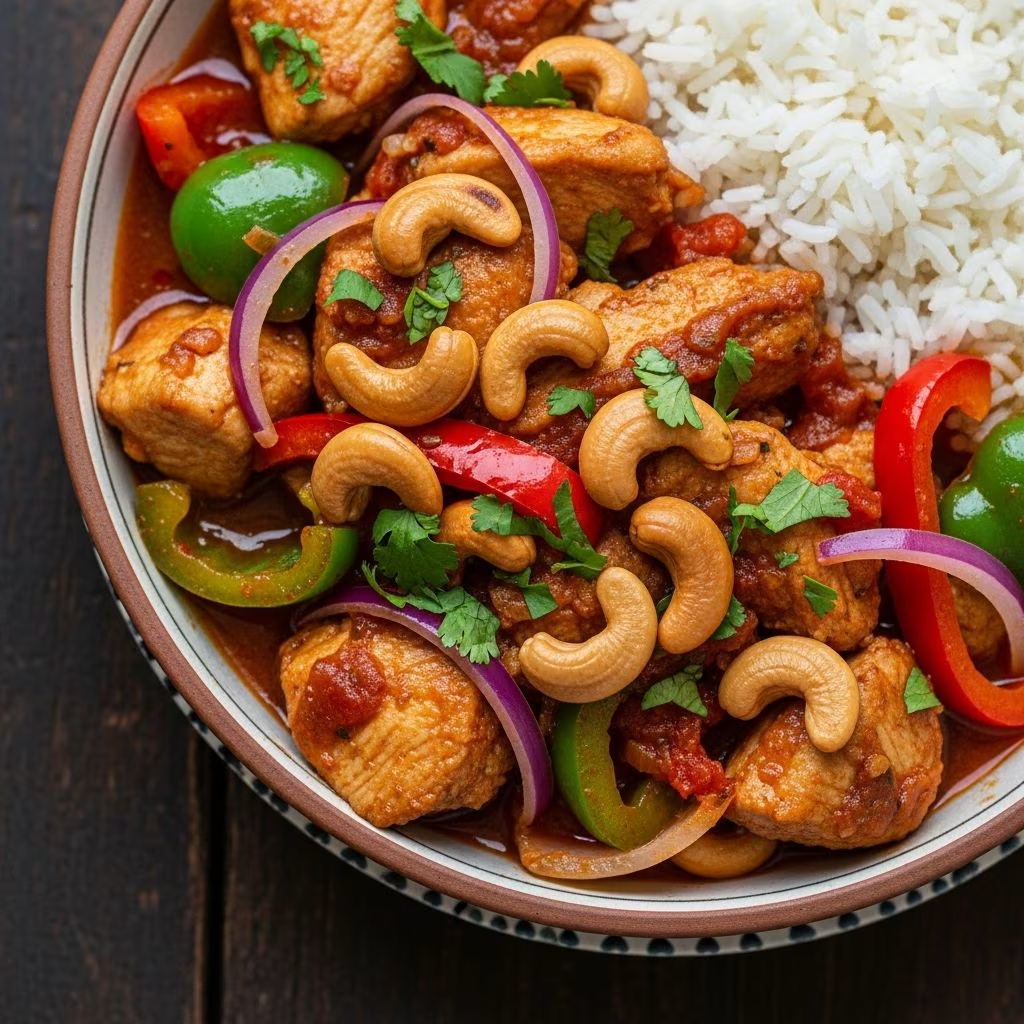
Long-grain white pairs with stews, brown adds nutrition to salads, and medium-grain builds creamy risottos with Arborio.
Health Considerations and Storage Tips
Brown rice offers superior nutrition, with higher antioxidants and whole grains linked to better digestion. White rice provides rapid carbs for athletes. Store in airtight containers in cool, dry places; brown rice lasts 6 months, white up to 2 years.
Frequently Asked Questions
What is the best rice for beginners?
Long-grain white rice cooks reliably with minimal fuss, forgiving ratios.
Can I substitute jasmine for basmati?
Possible in stir-fries, but expect softer, stickier results unlike basmati’s dryness.
How do I make brown rice less chewy?
Soak overnight or use a pressure cooker to soften the bran layer.
What’s the difference in aroma between basmati and jasmine?
Basmati has a nutty, popcorn-like scent; jasmine evokes pandan and flowers.
Is sushi rice the same as short-grain?
Sushi rice is a prepared short-grain variety, seasoned specifically for Japanese cuisine.
Advanced Tips for Rice Perfection
Experiment with pot materials: heavy-bottomed works best for even heat. For extra fluffiness, add a splash of oil or butter. Authentic jasmine bears Thai certification; opt for trusted brands to avoid counterfeits.
References
- Never Use the Wrong Rice Again – Asian Rice Explained — Pailin’s Kitchen (YouTube). 2023-10-15. https://www.youtube.com/watch?v=em-RtqAwuj8
- USDA Nutrient Database: Rice, white, long-grain, regular, cooked — United States Department of Agriculture. 2024-01-10. https://fdc.nal.usda.gov/fdc-app.html#/food-details/169757/nutrients
- International Rice Research Institute: Rice Grain Quality — IRRI (.edu equivalent). 2025-03-20. http://www.knowledgebank.irri.org/step-by-step-production/growth/ripening-to-grain-development/rice-grain-quality-and-characteristics
- FAO Rice Market Monitor — Food and Agriculture Organization of the United Nations. 2026-01-15. https://www.fao.org/markets-and-trade/commodities/rice/en/