Rhubarb shortbread bars represent a quintessential spring dessert that balances indulgent buttery textures with the bright tartness of seasonal fruit. This layered confection combines a tender, melt-in-your-mouth base with a custard-like filling studded with rhubarb pieces, creating a sophisticated treat that appeals to both traditional and adventurous palates. Whether you’re preparing these for a family gathering or perfecting your baking repertoire, understanding the components and techniques behind this beloved dessert will elevate your results.
Understanding the Structure of Layered Rhubarb Bars
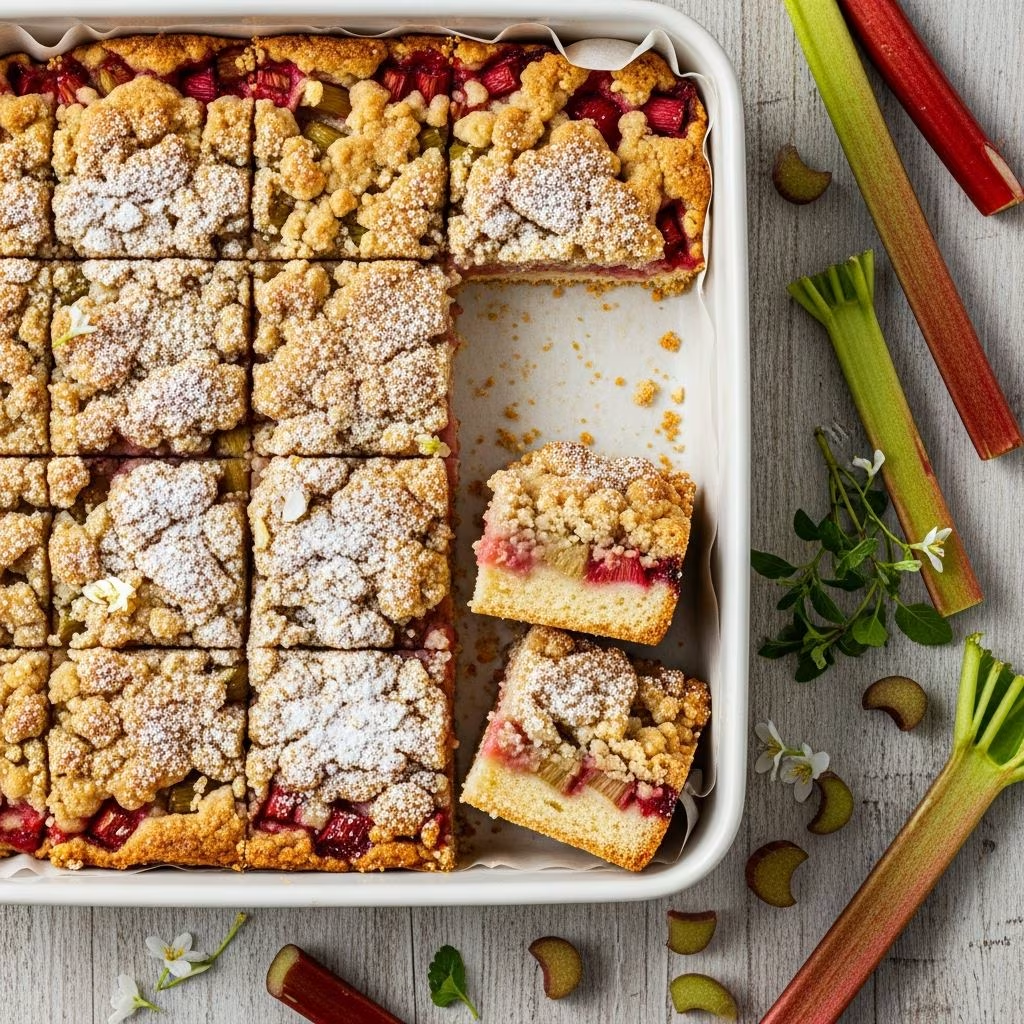
These bars consist of three distinct structural elements working in harmony. The foundation is a rich shortbread crust that provides structural support and contributes buttery flavor. Above this sits a custard-based filling infused with rhubarb that becomes tender and juicy during baking. Some variations include a crumbly shortbread topping that adds textural contrast and visual appeal. Each layer contributes specific qualities: the crust offers richness and crispness, the filling provides moisture and tartness, and optional toppings deliver additional texture and visual charm.
Selecting and Preparing Rhubarb
Rhubarb selection significantly impacts the final product’s flavor profile and appearance. Fresh rhubarb stalks should display vibrant coloration and firm texture, typically available in spring months. When choosing fresh rhubarb, select stalks that are crisp and show no signs of wilting or discoloration. Frozen rhubarb offers convenience during off-season months and performs equally well in baked applications when properly prepared.
Preparation methods differ based on whether you’re using fresh or frozen fruit. Fresh rhubarb requires thorough washing, trimming of the ends, and careful chopping into consistent pieces approximately one-quarter inch in size. Frozen rhubarb demands complete thawing before use; the thawing process should occur in a colander positioned over a bowl to capture excess moisture released during thawing. This captured liquid should be discarded to prevent a soggy final product. Draining frozen rhubarb thoroughly prevents the filling from becoming overly wet and ensures proper texture development.
Enhancement Techniques for Rhubarb Color and Flavor
Several methods can intensify both the visual appeal and flavor profile of your rhubarb filling:
- Grenadine soaking involves combining chopped rhubarb with grenadine syrup for one to two hours, allowing the fruit to absorb the syrup’s deep red color and subtle pomegranate notes
- Lemon juice and zest additions brighten the filling’s flavor profile, complementing rhubarb’s natural tartness with citrus brightness
- Extended steeping of rhubarb in sugar creates a syrup that intensifies sweetness and color development
- Careful timing of fruit addition during the filling preparation process preserves fruit texture while maximizing flavor integration
Crafting the Perfect Shortbread Crust
The shortbread crust foundation determines whether your bars achieve the desired balance of crispness and tenderness. Quality ingredients and precise technique separate adequate crusts from exceptional ones.
Essential Ingredients for Shortbread Success
| Component | Purpose | Quality Notes |
|---|---|---|
| Butter | Provides richness and enables flakiness | Use cold, high-quality butter for optimal texture |
| Flour | Creates structure through gluten development | All-purpose flour works well; spoon and level for accuracy |
| Sugar | Sweetens and influences texture | Confectioners’ sugar creates tenderness; granulated sugar adds slight grittiness |
| Salt | Enhances flavor perception | Kosher salt recommended for even distribution |
Crust Assembly and Baking Process
Begin by preheating your oven to 350 degrees Fahrenheit, ensuring even heat distribution throughout baking. Cut cold butter into small cubes, then work these cubes into the flour-sugar mixture using a pastry cutter, fork, or fingertips until the texture resembles coarse sand. The goal is creating a mixture that holds together when squeezed while maintaining visible butter pieces for flakiness. Over-mixing develops gluten excessively, resulting in tough rather than tender crusts.
Press the dough firmly and evenly into a lightly greased 9×13-inch baking dish, establishing a uniform thickness across the entire surface. This initial bake at 350 degrees for 15 minutes partially sets the structure without browning excessively. The crust should appear pale golden upon removal from the oven, providing a stable foundation for the filling.
Creating the Rhubarb Custard Filling
The filling represents the star component where tart rhubarb and sweet custard unite. This layer transforms from a raw mixture into a creamy, barely-set custard during the second baking period.
Filling Ingredient Composition
The custard base combines eggs, sugar, flour, and salt to create a structure that becomes creamy rather than liquid during baking. Some variations incorporate cornstarch, which provides additional thickening power beyond flour alone. Four cups of chopped rhubarb per standard 9×13-inch pan creates substantial fruit presence without overwhelming the custard base. The ratio of custard to fruit influences whether the final bars lean toward rhubarb-forward or custard-forward flavor profiles.
Mixing and Preparation Technique
In a separate bowl, combine eggs, sugar, flour, and salt, beating these ingredients until well combined and slightly frothy. This beating incorporates air and ensures even distribution of dry ingredients. Gently fold the prepared rhubarb into the custard mixture using minimal stirring to avoid damaging fruit pieces and creating excess liquid release. Pour this combination directly over the pre-baked crust, spreading evenly for consistent baking results.
The Baking Process and Doneness Indicators
Bake the filled bars at 350 degrees for 38 to 50 minutes, depending on your specific oven and pan thickness. Visual and tactile doneness indicators include a slightly set but not firm filling and rhubarb pieces that yield easily to a fork, indicating complete tenderness. The crust on top, if included, should display golden coloring across several spots rather than complete browning.
Avoid overbaking, which causes the custard to become rubbery and separates from the fruit. The filling should jiggle very slightly when the pan is gently shaken, indicating residual carryover cooking will occur during cooling. Underbaking results in an overly soft texture that doesn’t slice cleanly.
Cooling and Storage Considerations
Complete cooling before cutting allows the custard to set properly, typically requiring two to four hours at room temperature. Refrigeration for several hours or overnight further solidifies the structure, making clean cuts possible. Cold bars slice more cleanly than room-temperature bars, producing professional-looking pieces.
Store finished bars in an airtight container at room temperature for up to two days, or refrigerate for up to five days. Longer storage requires freezing in freezer-safe containers, where bars maintain quality for up to three months. Thaw frozen bars in the refrigerator for several hours before serving.
Flavor Variation Possibilities
Optional Glaze Topping
A simple powdered sugar glaze adds visual sophistication and subtle sweetness. Whisk together powdered sugar, milk, vanilla extract, and a pinch of salt until achieving drizzle consistency. Drizzle this mixture over completely cooled bars in thin lines or an allover pattern, allowing the glaze to set before serving.
Crumb Topping Alternative
Reserve a portion of the shortbread dough to create a crumbly topping layer. Break off medium pieces and scatter these across the rhubarb filling before the final baking stage. This approach adds textural complexity and visual appeal without requiring separate assembly steps.
Complementary Flavor Additions
Vanilla extract in the shortbread base deepens buttery notes and adds aromatic complexity. Lemon zest and juice in the filling brighten the tart rhubarb profile, creating a more sophisticated flavor balance. These additions require minimal adjustment to ingredient ratios while significantly impacting final flavor development.
Equipment and Tool Requirements
- 9×13-inch baking dish for standard pan sizing
- Mixing bowls in various sizes for ingredient organization
- Measuring cups and spoons for accurate ingredient ratios
- Pastry cutter or fork for butter incorporation into dry ingredients
- Cutting board and sharp knife for rhubarb preparation
- Oven thermometer to verify accurate baking temperature
- Cooling rack for proper air circulation during cooling
Troubleshooting Common Issues
Soggy crusts result from excess rhubarb moisture; ensure frozen rhubarb drains completely and avoid overworking the filling mixture. Tough, dense crusts indicate over-mixing the shortbread dough; mix only until ingredients barely combine. Runny filling that doesn’t set properly suggests insufficient baking time or oven temperature that’s too low; verify your oven temperature with a thermometer. Overly sweet bars indicate excess sugar in either the crust or filling; adjust ratios based on personal preference and rhubarb tartness intensity.
Nutritional and Dietary Considerations
Traditional rhubarb shortbread bars are not suitable for gluten-free diets unless flour is substituted with approved alternatives. Dairy-free baking requires butter replacement with appropriate substitutes that maintain the shortbread’s textural properties. These modifications may require adjusted ratios and technique modifications to achieve comparable results. Those monitoring sugar intake can reduce sugar quantities in both crust and filling, though this significantly impacts texture and flavor balance.
Serving Suggestions and Occasions
These bars perform excellently as spring brunch accompaniments, afternoon tea treats, or elegant dinner party desserts. The tart-sweet balance appeals to those seeking less intensely sweet desserts. Serve at room temperature for maximum flavor perception or slightly chilled for denser texture. Pair with coffee, tea, or sparkling beverages for sophisticated presentations.
References
- Rhubarb Shortbread Bars ~ Crispy and Creamy! — Lake Girl Quilts. 2024. https://lakegirlquilts.com/rhubarb-shortbread-bars-crispy-and-creamy/
- Rhubarb Shortbread Crust Bars Recipe — The Food Charlatan. 2024. https://thefoodcharlatan.com/rhubarb-shortbread-bars/
- Old Fashioned Rhubarb Bars — Gift of Hospitality. 2024. https://www.giftofhospitality.com/rhubarb-bars/
- How to Make Rhubarb Shortbread Bars | Seasonal Recipes — AllRecipes. 2024. https://www.youtube.com/watch?v=oHX74ZWSxco
- Rhubarb Shortbread Bars with Lemon Glaze — Marley Spoon. 2024. https://marleyspoon.com/menu/337216-rhubarb-shortbread-bars-with-lemon-glaze