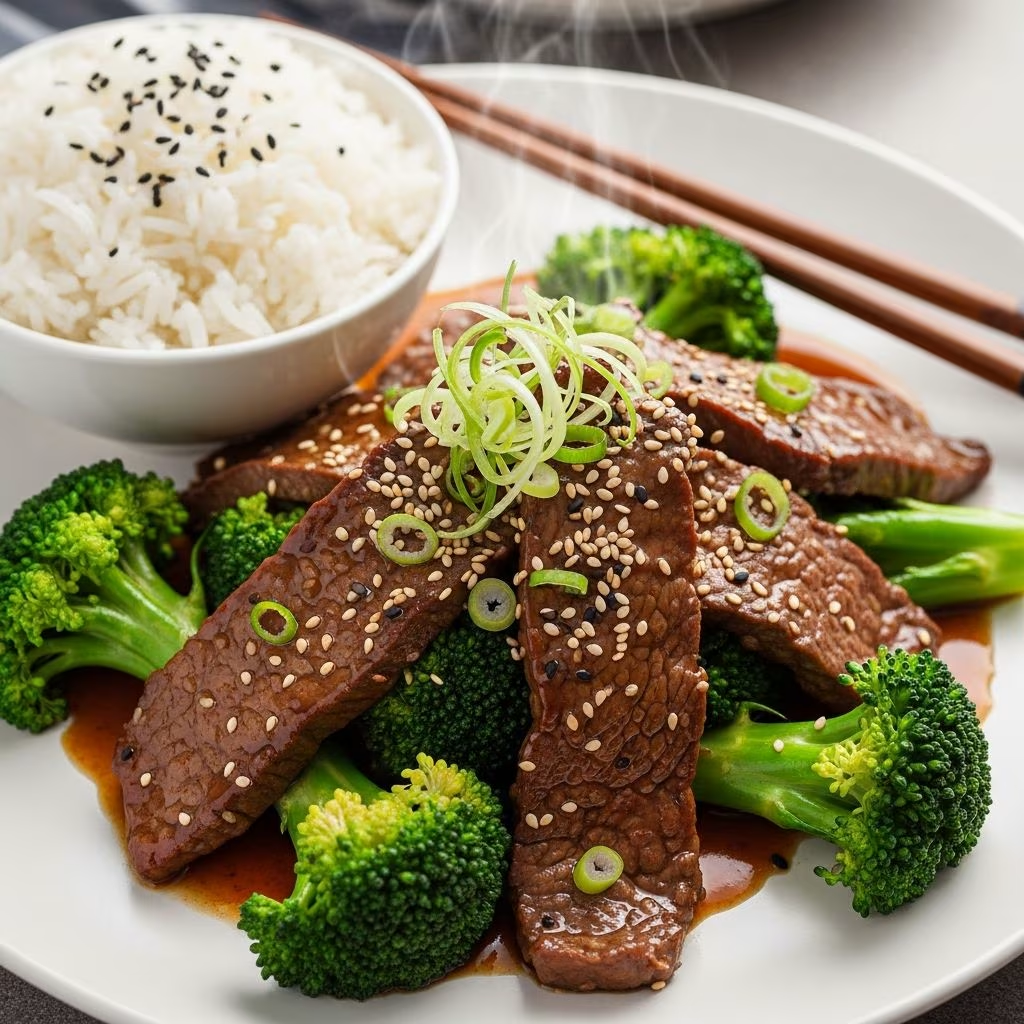
Creating an exceptional beef and broccoli dish at home requires understanding several interconnected elements that distinguish restaurant-quality versions from ordinary home cooking. The foundation of this beloved dish rests on three essential components: properly prepared beef that achieves the right texture through marination and cooking technique, broccoli that maintains its structural integrity while becoming tender, and a sauce that balances savory, sweet, and umami flavors. This comprehensive guide explores the methods and principles that elevate a simple combination of ingredients into a memorable meal.
Understanding the Foundation: Ingredient Selection and Preparation
The journey toward restaurant-quality beef and broccoli begins long before cooking starts. The choice of beef cut significantly impacts the final texture and eating experience. Flank steak emerges as the preferred choice among experienced cooks because of its optimal balance between tenderness and flavor. When sliced thinly against the grain into strips measuring approximately one-quarter inch thick, flank steak becomes ideal for quick-cooking stir-fry applications. The cutting technique matters considerably—slicing against the grain rather than with it breaks down muscle fibers, promoting tenderness even before the meat reaches heat.
Beyond the cut itself, the marination process fundamentally transforms the beef’s textural qualities. Professional preparations often incorporate unconventional ingredients that serve specific functions. Baking soda, though surprising to many home cooks, works as a tenderizing agent by raising the meat’s pH level, allowing it to retain moisture during the cooking process. A typical marinade combines this ingredient with soy sauce, cornstarch, and a small amount of oil, creating a protective coating that seals in juices. The marinade should coat every slice evenly, requiring gentle hand-mixing to ensure thorough distribution. Even brief marination periods of ten to thirty minutes yield noticeable improvements in the final texture.
Preparing Broccoli for Optimal Results
Broccoli preparation represents another critical decision point where technique determines success. Many home cooks struggle with achieving the elusive balance between tender broccoli and vegetable that retains its bright color and satisfying crunch. The solution lies in pre-steaming the broccoli before combining it with other ingredients in the final cooking phase.
This two-stage cooking approach prevents overcooking. First, broccoli florets are steamed using a small amount of water in a covered skillet for approximately five to seven minutes, depending on floret size. The steaming process partially cooks the broccoli, making it tender while preserving its vibrant green color and preventing it from becoming mushy when later combined with the hot sauce. After steaming, the broccoli should be transferred to a separate plate and set aside, awaiting integration into the final dish. This staging method ensures that when broccoli receives its final heat exposure during sauce incorporation, it reaches the desired crisp-tender texture rather than becoming overcooked.
Developing the Flavor Foundation: Aromatics and Sauce Construction
The aromatic base—garlic and ginger—creates the flavor foundation that distinguishes exceptional beef and broccoli from mediocre versions. These ingredients, when properly sautéed, release their essential oils and transform from raw to mellow and integrated. The process begins by heating oil in a wok or large skillet over medium heat, then adding minced garlic and ginger to bloom their flavors.
The sauce itself represents the dish’s flavor centerpiece, requiring careful balance among multiple components. A well-constructed sauce incorporates:
- Soy sauce for saltiness and umami depth
- Oyster sauce for savory complexity and subtle sweetness
- Brown sugar or granulated sugar for balancing saltiness and adding richness
- Cooking wine (rice wine or Shaoxing wine) for aromatic lift and depth
- Beef or chicken stock for body and savory foundation
- Cornstarch slurry for appropriate thickening and glossy appearance
The cornstarch component deserves special attention because it transforms a thin, watery mixture into a glossy sauce that clings beautifully to the beef and broccoli. A cornstarch slurry—created by whisking cornstarch with a small amount of water—prevents lumps when added to hot liquid. This thickening agent creates the characteristic shine and texture that distinguishes restaurant dishes from home versions.
The Cooking Sequence: Temperature Control and Technique
Professional beef and broccoli preparation follows a specific sequence that respects the different cooking requirements of each component. This methodology prevents common problems such as tough beef, mushy broccoli, or broken sauce.
Step One: Searing the Beef
The marinated beef requires searing over high heat in a well-oiled wok or large skillet. This step should occur in batches to avoid overcrowding the pan, which would cause steaming rather than searing. When too much beef fills the pan at once, trapped steam prevents the development of the flavorful brown crust that distinguishes seared meat from merely cooked meat. Each batch should sear for approximately two to three minutes until the exterior achieves golden-brown coloration while the interior remains slightly undercooked. This technique accounts for carryover cooking—the meat continues cooking slightly after removal from heat.
Step Two: Sauce Preparation
While the beef sears, the sauce components should be combined in a separate bowl. This preparation ensures ingredients are ready for quick incorporation, preventing the pan from cooling while searching for components. The cornstarch slurry deserves a final whisking immediately before addition to prevent the thickening agent from settling on the bowl’s bottom.
Step Three: Final Integration
After all components have received their individual attention, the final cooking phase brings everything together. The pre-steamed broccoli and partially cooked beef recombine in the wok or skillet over medium heat. The prepared sauce is added and stirred continuously until it thickens into a glossy coating that evenly distributes over the beef and broccoli. This phase typically requires only one to two minutes because previous cooking stages have already brought components near completion.
Equipment Considerations: Wok Versus Skillet
While traditional wok cooking offers certain advantages, restaurant-quality beef and broccoli can be successfully prepared using a large skillet or sauté pan. The essential requirements involve adequate surface area to facilitate proper searing and sufficient depth to contain ingredients during tossing and sauce incorporation. High-sided skillets or sauté pans measuring twelve inches in diameter provide adequate space for the cooking process without requiring specialized wok equipment.
The primary advantage of a wok lies in its sloped sides, which facilitate quick tossing and movement of ingredients. However, the fundamental cooking principles—high heat for searing, controlled heat for sauce thickening, and continuous movement to prevent sticking—apply equally to any appropriately sized, heavy-bottomed cooking vessel.
Timing and Heat Management
Successful beef and broccoli preparation demands respect for temperature progression. The sequence begins with high heat for searing beef, transitions to medium heat for sauce development, and concludes with medium heat for final integration. This graduated approach prevents common failures such as burnt aromatics, broken sauces, or tough beef.
The entire cooking process from start to finish typically requires less than thirty-five minutes when ingredients are prepared beforehand. Most of this time involves marinating the beef—the active cooking phase itself demands only fifteen to twenty minutes. This relatively quick preparation timeline makes beef and broccoli an practical weeknight option for home cooks seeking restaurant-quality results without extensive time commitment.
Achieving Sauce Consistency: Troubleshooting Common Issues
The final sauce consistency should coat the beef and broccoli with a glossy sheen without pooling excessively at the pan’s bottom. If the sauce appears too thin after combining all ingredients, the heat should be increased slightly to evaporate additional liquid and concentrate flavors. If the sauce seems too thick or pasty, a splash of chicken stock or water restores the proper consistency. This flexibility allows adjustment based on personal preference and individual variations in ingredient measurements.
Frequently Asked Questions
Can I use a different beef cut instead of flank steak?
While flank steak remains the preferred choice due to its ideal texture when sliced thin and cooked quickly, sirloin or skirt steak can substitute if properly sliced thin against the grain. Avoid thicker cuts like ribeye or filet mignon, which are better suited to slower cooking methods.
Does the baking soda in the marinade affect the flavor?
No, baking soda functions purely as a tenderizing agent and does not impart flavor when used in small quantities like one-quarter teaspoon per pound of beef. It simply raises the meat’s pH level, allowing improved moisture retention.
How can I make this dish without oyster sauce?
Oyster sauce provides distinctive umami depth, but if unavailable or undesired, increase soy sauce slightly and add a teaspoon of fish sauce as an alternative umami source. The dish will taste different but still delivers satisfying results.
Is pre-steaming the broccoli necessary?
Pre-steaming prevents overcooking during the final integration phase, resulting in broccoli with better texture and color. If skipped, the broccoli may become mushy by the time the sauce thickens adequately.
Can I prepare this dish ahead of time?
Individual components can be prepared in advance—beef can be marinated hours ahead, broccoli can be steamed thirty minutes before serving, and sauce can be prepared an hour in advance. However, the final cooking should occur immediately before eating to ensure optimal texture and temperature.
Serving and Accompaniment Suggestions
Beef and broccoli traditionally accompanies steamed white rice, which absorbs the flavorful sauce and provides textural contrast to the tender beef and crisp-tender broccoli. Brown rice or jasmine rice work equally well based on personal preference. The dish also pairs successfully with noodles or can be served over cauliflower rice for lower-carbohydrate variations.
The vibrant colors, rich aromas, and complex flavors of well-executed beef and broccoli make it an attractive dish for both casual family meals and more formal entertaining. The relatively modest ingredient list belies the sophisticated techniques required to achieve restaurant-quality results, making it an excellent project for home cooks seeking to expand their culinary skills while creating a genuinely delicious dish.
References
- Better-Than-Takeout Beef With Broccoli — Averie Cooks. Retrieved April 9, 2026. https://www.averiecooks.com/better-than-takeout-beef-with-broccoli/
- Beef and Broccoli: Authentic Restaurant Recipe — The Woks of Life. Retrieved April 9, 2026. https://thewoksoflife.com/beef-with-broccoli-all-purpose-stir-fry-sauce/
- Beef and Broccoli Recipe: Sizzling, Restaurant-Style Stir Fry — Iowa Girl Eats. Retrieved April 9, 2026. https://iowagirleats.com/beef-and-broccoli-recipe/
- Chinese Beef and Broccoli (One Pan Take-Out) — Omnivore’s Cookbook. Retrieved April 9, 2026. https://omnivorescookbook.com/chinese-beef-and-broccoli/
- Jet Tila’s Famous 5-Star Beef and Broccoli Recipe — The Kitchen/YouTube. Retrieved April 9, 2026. https://www.youtube.com/watch?v=_0Mq_rKzC70
- THIS is How Chinese Restaurants Make Beef & Broccoli SO Tender — Chef Billy Parisi/YouTube. Retrieved April 9, 2026. https://www.youtube.com/watch?v=KKLQvJmjxpI