Coconut oil has become a kitchen and wellness staple, prized for its versatility and health benefits. However, not all coconut oils are the same. The primary distinction lies between refined and unrefined varieties, which differ significantly in processing, flavor, heat stability, and applications. Understanding these differences helps you select the right type for cooking, baking, skincare, or health supplements.
Understanding the Basics of Coconut Oil Types
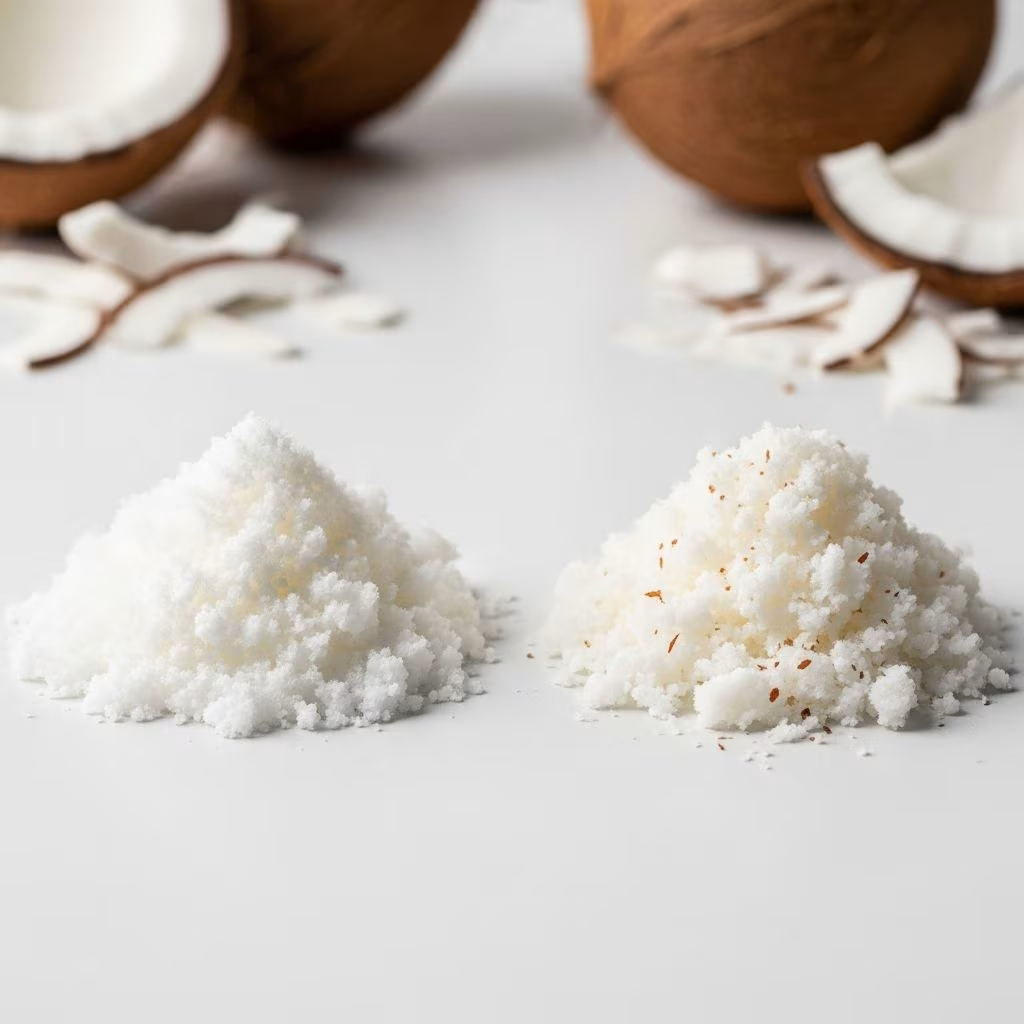
Coconut oil is extracted from the meat of mature coconuts. **Unrefined coconut oil**, often labeled as virgin or extra virgin, undergoes minimal processing to preserve its natural qualities. It retains a robust coconut aroma and taste, making it ideal for recipes where that tropical note enhances the dish.
In contrast, **refined coconut oil** is further processed to remove impurities, odors, and flavors. This results in a neutral product suitable for high-heat cooking without imparting coconut taste. Both types share a similar fatty acid profile, dominated by medium-chain triglycerides (MCTs) like lauric acid, providing about 120 calories per tablespoon.
How Unrefined Coconut Oil is Produced
Unrefined coconut oil starts with fresh coconut meat. Common extraction methods include:
- Wet milling: Fresh coconut is grated and mixed with water to produce coconut milk, from which the oil is separated naturally or via centrifugation. This method avoids chemicals and high heat.
- Dry processing: Coconut meat is dried at low temperatures (around 70-75°C) into copra, then expeller-pressed to extract oil. “Cold-pressed” variants use no external heat, maximizing nutrient retention.
These processes ensure the oil remains in its purest form, solid at room temperature with a smoke point of 350°F (177°C). Its golden hue and strong scent come from preserved natural compounds like polyphenols and antioxidants.
The Refining Process Explained
Refined coconut oil begins similarly but undergoes additional steps to neutralize and purify it:
- Degumming: Gums are removed using water or agents to improve texture.
- Neutralization: Sodium hydroxide reacts with free fatty acids, forming soap that’s washed away, enhancing shelf stability.
- Bleaching: Activated clay filters out pigments and impurities—no actual bleach is involved.
- Deodorizing: Steam distillation at high heat (around 204-232°C) eliminates coconut flavor and odor.
This yields a clear, odorless oil with a higher smoke point of 400-450°F (204-232°C), perfect for frying. Some brands use chemical solvents like hexane, while others opt for natural steam methods.
Flavor, Aroma, and Sensory Profiles
| Aspect | Unrefined | Refined |
|---|---|---|
| Flavor | Strong, nutty coconut taste | Neutral, bland |
| Aroma | Tropical coconut scent | Odorless |
| Color | Light yellow to golden | Clear white |
| Texture | Soft, sometimes grainy | Smooth, creamy |
Unrefined oil shines in smoothies, curries, or desserts, while refined blends seamlessly into savory dishes.
Smoke Points and Cooking Applications
The smoke point determines an oil’s suitability for heat. Unrefined’s lower threshold (350°F) suits sautéing, baking below medium heat, or no-cook uses like salad dressings. Exceeding it produces acrid smoke and harmful compounds.
Refined’s elevated smoke point (up to 450°F) excels in stir-frying, deep-frying, or roasting. It’s a stable alternative to processed vegetable oils.
- Baking: Refined for neutral flavor in cakes; unrefined for coconut macaroons.
- Sautéing: Unrefined for vegetable stir-fries; refined for delicate proteins.
- Frying: Refined only, to avoid breakdown.
Nutritional Comparison and Health Insights
Both oils are 90% saturated fat, primarily MCTs that digest quickly for energy rather than storage. They offer similar calories (120 per tbsp) and lauric acid content (about 50%), which has antimicrobial properties.
Unrefined may edge out with higher antioxidants like ferulic and caffeic acids, potentially aiding inflammation reduction—though processing heat in refining can diminish these. Neither is significantly superior nutritionally, but unrefined appeals to those seeking whole-food benefits.
Moderation is key: 1-2 tablespoons daily fits most diets, supporting heart health via MCT metabolism without raising cholesterol like longer-chain fats.
Beyond the Kitchen: Beauty and Wellness Uses
Unrefined coconut oil’s natural compounds make it a favorite for DIY skincare. Apply as a moisturizer, hair mask, or lip balm—its lauric acid fights bacteria.
Refined works in lotions or soaps where scent neutrality matters. Both hydrate skin, but avoid refined if chemical processing concerns you.
For wellness, unrefined is taken as a supplement (e.g., in coffee or smoothies) for potential immune boosts.
How to Choose and Store Coconut Oil
Opt for organic, certified products. For unrefined, seek “cold-pressed” or “virgin.” Refined should specify “no hexane” if purity matters.
- Storage: Cool, dark place; lasts 2+ years unrefrigerated due to stability. Refrigerate to extend life.
- Signs of spoilage: Rancid smell or taste—discard immediately.
Price-wise, unrefined costs more due to gentler processing.
Common Myths Debunked
- Myth: Refined is always unhealthy. Naturally refined versions avoid harsh chemicals.
- Myth: Unrefined has more nutrients. Differences are minor; both are nutrient-dense.
- Myth: All coconut oil is keto-friendly. Yes, due to MCTs, but portion control matters.
Frequently Asked Questions (FAQs)
Which is healthier: refined or unrefined coconut oil?
Both offer similar health benefits from MCTs. Unrefined retains more natural antioxidants, but refined’s purity suits high-heat needs.
Can I use unrefined coconut oil for frying?
Not recommended—its 350°F smoke point limits it to medium-heat cooking.
Is refined coconut oil vegan?
Yes, as long as no animal products are added during processing.
What’s the difference between virgin and extra virgin coconut oil?
Minimal; both are unrefined. “Extra virgin” often implies stricter purity standards.
Does coconut oil go bad?
It has a long shelf life (2-5 years), but check for off odors.
Practical Recipes to Try
Unrefined: Tropical Energy Balls
Mix 1 cup oats, ½ cup unrefined coconut oil, ⅓ cup honey, ½ cup shredded coconut, and chocolate chips. Roll into balls; chill. Yields 20 servings.
Refined: Crispy Fried Chicken
Coat chicken in flour, egg, breadcrumbs; fry in 2 inches refined coconut oil at 375°F until golden (8-10 min). Serves 4.
These highlight each oil’s strengths.
References
- Refined vs. Unrefined Coconut Oil: What’s the Difference? — Healthline. 2023-04-20. https://www.healthline.com/nutrition/refined-vs-unrefined-coconut-oil
- Refined vs. Unrefined Coconut Oil — Frontier Co-op Wholesale. N/A. https://wholesale.frontiercoop.com/blog/refined-vs-unrefined-coconut-oil
- Differences Between Virgin, Refined & Unrefined Coconut Oil — CocoTherapy. N/A. https://www.cocotherapy.com/blogs/blog/part-2-differences-between-virgin-refined-and-unrefined-coconut-oil
- Refined vs. Unrefined Coconut Oil | Learn More — Wildly Organic. N/A. https://wildlyorganic.com/blogs/recipes/refined-vs-unrefined-coconut-oil-what-s-the-difference-between-them-which-one-is-best-for-you
- Refined vs Unrefined Coconut Oil: What’s Healthier? — Grace Foods. N/A. https://gracefoods.ca/blog/refined-vs-unrefined-coconut-oil/