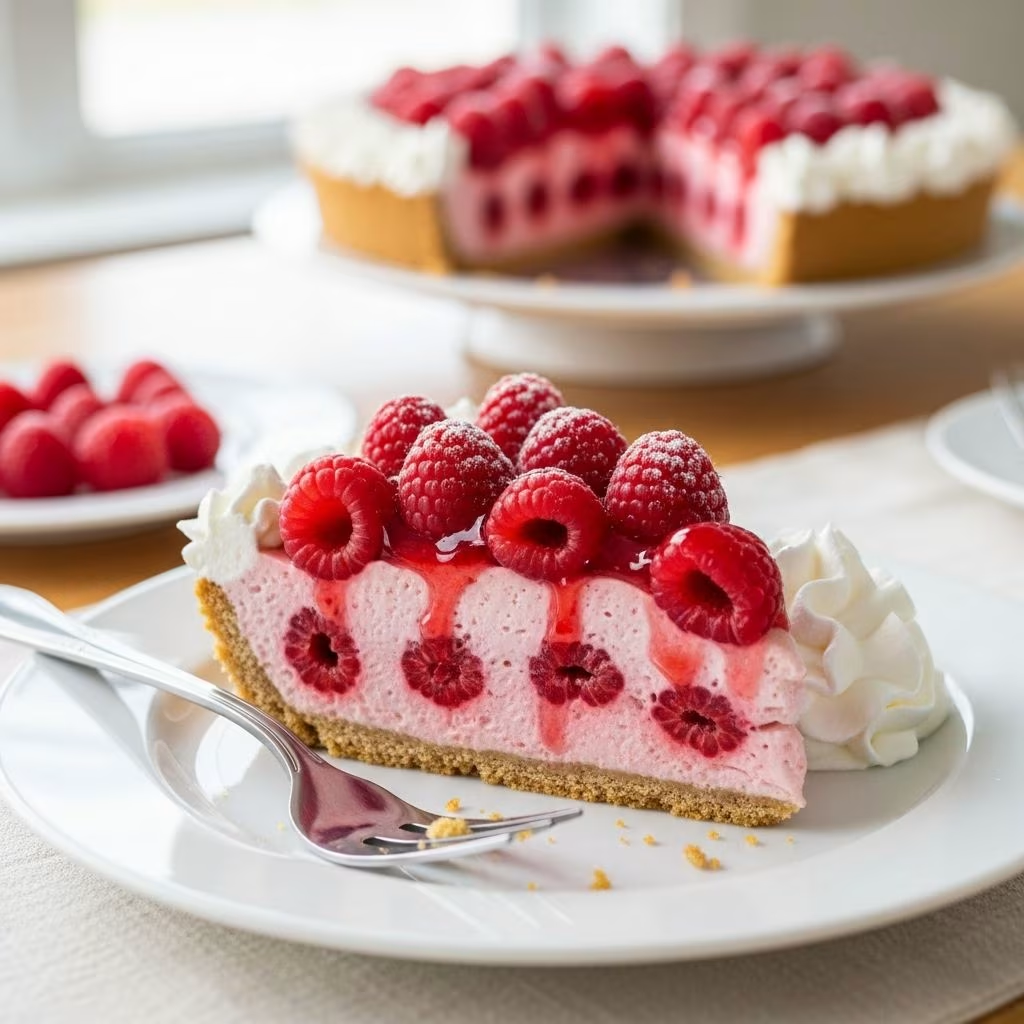
Raspberry cream pie stands as one of the most versatile and impressive desserts you can prepare for any occasion. This elegant treat combines smooth, velvety layers with bright, fruity flavors that appeal to both traditional palates and adventurous eaters. Whether you’re planning a summer gathering, holiday celebration, or simply craving a sophisticated homemade dessert, understanding the fundamentals of raspberry cream pie construction will elevate your baking repertoire.
Understanding the Foundation: Pie Crust Selection and Preparation
The foundation of any exceptional cream pie begins with choosing the right crust. You have two primary options: purchasing a pre-made crust or creating one from scratch. Pre-made crusts offer convenience and consistent results, while homemade versions provide superior flavor and texture control. For a homemade crust, combine all-purpose flour with cold butter, salt, and sugar, then gradually incorporate ice water until the dough reaches the proper consistency. The key to a flaky crust lies in keeping all ingredients cold and avoiding overworking the dough.
Once you’ve prepared your crust, baking becomes essential. Preheat your oven to 375°F and follow the package instructions if using a prepared crust, or blind-bake a homemade version by lining it with parchment paper and pie weights. This step prevents a soggy bottom layer and ensures your finished pie maintains structural integrity throughout storage and serving. Allow the crust to cool completely before adding any filling layers.
Building the Creamy Foundation: Cream Cheese Filling Components
The heart of this dessert lies in the cream cheese filling, which provides the luxurious, tangy element that distinguishes raspberry cream pie from simpler fruit-based desserts. Start with room-temperature cream cheese, which beats smoothly without lumps or graininess. Using an electric mixer, combine softened cream cheese with granulated sugar and vanilla extract, beating until the mixture achieves a light, fluffy consistency.
The incorporation of sour cream adds depth and prevents the filling from becoming overly sweet. This ingredient contributes a subtle tang that balances the sweetness of the raspberries and sugar while creating a more complex flavor profile. For the fluffiest texture, whip heavy cream separately until stiff peaks form, then gently fold this whipped cream into the cream cheese mixture using a spatula rather than a mixer. This folding technique preserves the air incorporated during whipping, resulting in a lighter, more delicate final product.
The Raspberry Element: Creating the Perfect Berry Topping
Fresh raspberries form the crown of this dessert, and their preparation significantly impacts the final result. You can approach the raspberry component in several ways, depending on your preference for texture and ease of preparation. The most straightforward method involves crushing fresh raspberries with sugar and allowing them to release their natural juices, creating a simple berry syrup.
For those preferring a more refined appearance, cooking raspberries with cornstarch and water creates a thickened topping that holds its shape when sliced. This method works particularly well when using frozen raspberries, as the cornstarch helps manage excess moisture. Some recipes include a small amount of almond extract to enhance the raspberry flavor without introducing an obvious secondary taste. The choice between fresh and frozen raspberries depends on availability and season, though both produce excellent results when prepared properly.
Assembly Techniques and Layer Arrangement
Successful assembly requires understanding how to properly layer your components without creating mixing or separation issues. After ensuring your pie crust has cooled completely, spread the cream cheese filling evenly across the bottom, using an offset spatula to achieve uniform thickness. This layer should fill approximately two-thirds of the crust, leaving room for the raspberry topping without overflow.
The raspberry mixture goes on top of the filling, either spread evenly or arranged attractively depending on your presentation preference. Some bakers prefer reserving a cup of fresh raspberries to arrange on top of the cooked filling, creating visual appeal and providing bursts of fresh fruit flavor. If using a cooked raspberry filling, allow it to cool completely before application to prevent heat from compromising the cream cheese layer below.
Refrigeration and Timing: Achieving Perfect Texture
Proper chilling transforms individual components into a cohesive, sliceable dessert. Most raspberry cream pie recipes require a minimum of one hour in the refrigerator, though overnight refrigeration produces superior results. This extended chilling allows the cream cheese filling to set firmly while the flavors meld and intensify. The texture improves dramatically when given adequate time, and the pie becomes much easier to slice cleanly.
Temperature management also matters for serving. Remove the pie from the refrigerator 10-15 minutes before serving to allow it to warm slightly, making slicing easier and allowing flavors to emerge fully. Cold desserts mute flavors somewhat, so this brief warming period enhances your tasting experience without making the pie difficult to portion.
Ingredient Quality and Sourcing Considerations
The quality of your ingredients directly impacts the final product. Cream cheese should be full-fat and from a reliable brand, as lower-quality versions may contain excessive moisture or additives that affect texture. Fresh raspberries, when available and affordable, provide superior flavor to frozen varieties, though frozen raspberries work wonderfully and often prove more economical. Sugar quality also matters; granulated sugar dissolves more readily than other types, while powdered sugar incorporates smoothly without grittiness.
Heavy whipping cream should contain at least 36 percent butterfat to achieve proper whipping consistency. Some bakers prefer making fresh whipped cream from scratch rather than using pre-made products, claiming superior taste and texture. If you choose this route, ensure all equipment—bowls, beaters, and cream—remain adequately chilled throughout the whipping process.
Customization Options and Flavor Variations
| Variation | Key Changes | Best For |
|---|---|---|
| Classic Version | Cream cheese, heavy cream, fresh raspberries | Traditional gatherings, no-bake preference |
| Oreo Crust | Substitute standard crust with crushed Oreo base | Chocolate lovers, casual events |
| Yogurt Variation | Replace some sour cream with raspberry yogurt | Lighter dessert option, fewer ingredients |
| Almond Enhancement | Add almond extract to filling or topping | Enhanced flavor profile, sophisticated taste |
| Frozen Version | Extend freezing time to 2-3 hours for firm texture | Warm weather serving, alternative texture |
Raspberry cream pie welcomes numerous variations that allow personal preference and dietary considerations. Those seeking chocolate flavors might substitute an Oreo crust for the traditional pastry. The addition of almond extract to either the filling or raspberry topping provides subtle complexity without overwhelming the berry flavor. Some bakers incorporate instant vanilla pudding mix into the filling for added richness and different textural qualities.
Storage and Make-Ahead Preparation Strategies
One of raspberry cream pie’s greatest advantages is its make-ahead friendly nature. Properly stored, this dessert maintains quality for 2-3 days in the refrigerator. Cover the pie with plastic wrap or place it in an airtight container to prevent odor absorption and preserve moisture. The cream cheese filling prevents the crust from becoming soggy, making this pie more forgiving than many cream-based desserts.
If you prefer preparing components in advance, the crust can be baked and cooled up to two days ahead, while the cream cheese filling can be prepared several hours in advance. The raspberry topping stays fresher when made closer to serving time, particularly if using fresh berries. Many bakers assemble the pie completely the night before serving, allowing maximum flavor development and simplifying day-of preparation.
Troubleshooting Common Issues and Solutions
Understanding potential problems helps you achieve consistent success. A soggy crust results from insufficient pre-baking or moisture from the filling. Prevent this by thoroughly blind-baking your crust and ensuring the cream cheese mixture isn’t too wet before application. Cracking during slicing typically indicates the pie needs more chilling time or warmer serving temperature; try chilling longer or allowing the pie to warm slightly before portioning.
Separating layers suggest either improper assembly order or temperature fluctuations. Ensure each component has cooled to the appropriate temperature before adding the next layer, and avoid excessive heat exposure during storage. If your filling remains too soft to slice cleanly, extend refrigeration time; some pies require 6-8 hours to achieve ideal firmness. Conversely, an overly firm filling indicates either extended freezing or cream cheese that wasn’t properly softened before mixing.
Nutritional Considerations and Ingredient Modifications
Traditional raspberry cream pie contains moderate amounts of sugar and fat, making it a rich dessert meant for portion-controlled serving. Lighter versions substitute Greek yogurt for some of the sour cream or use reduced-fat cream cheese, though these changes affect both flavor and texture. Those seeking to reduce sugar content can modify the filling or topping amounts, though this may impact the balanced sweetness profile.
Dairy-free adaptations present challenges but remain possible through specialty cream cheese and whipping cream alternatives, though results differ from traditional versions. Gluten-free bakers can utilize gluten-free flour blends for homemade crusts or select certified gluten-free pre-made options. These modifications require experimentation to achieve desired results but allow more people to enjoy this classic dessert.
Serving Suggestions and Presentation Ideas
Present your raspberry cream pie on an attractive serving platter to showcase the beautiful berry topping. Individual slices benefit from garnishes such as fresh whipped cream dollops, additional fresh raspberries, or cookie crumbs scattered across the plate. Pairing this dessert with complementary beverages enhances the overall experience; consider serving alongside champagne, sparkling lemonade, or herbal tea.
The elegant appearance of raspberry cream pie makes it appropriate for formal occasions while remaining casual enough for family gatherings. Whether served at a summer picnic, holiday celebration, or intimate dinner party, this dessert consistently impresses guests and creates memorable dining moments.
Frequently Asked Questions About Raspberry Cream Pie
Can I use frozen raspberries instead of fresh?
Yes, frozen raspberries work well in this recipe. Thaw them completely and drain excess moisture before using. Frozen raspberries often release more liquid, so adjusting cornstarch amounts in cooked fillings may be necessary.
How long can I store raspberry cream pie?
Properly covered in the refrigerator, this pie maintains quality for 2-3 days. It does not freeze well due to the cream-based filling, which tends to become grainy after thawing.
Can I make this pie without baking?
Yes, you can use a pre-made crust and skip the baking step entirely, making this a true no-bake dessert. This significantly reduces preparation time while maintaining excellent results.
What if my cream cheese filling is too thick or thin?
Overly thick filling indicates insufficient whipped cream incorporation; add more folded whipped cream in small amounts. Too-thin filling means either insufficient cream cheese or excessive moisture; reduce liquid components in future batches.
Should I use block or whipped cream cheese?
Block cream cheese produces superior texture and consistency. Whipped cream cheese contains added air and stabilizers that may affect the final product’s quality.
References
- Raspberry Cream Pie Recipe — Daisy Brand. Accessed April 2026. https://www.daisybrand.com/recipes/raspberry-cream-pie-755/
- Raspberry Cream Pie — Norine’s Nest. Accessed April 2026. https://www.norinesnest.com/raspberry-cream-pie/
- Raspberry Cream Pie — Dessert Now Dinner Later. Accessed April 2026. https://www.dessertnowdinnerlater.com/raspberry-cream-pie/
- Raspberry Cream Pie Recipe — The Palatable Life. Accessed April 2026. https://www.thepalatablelife.com/raspberry-cream-pie/
- Raspberry Cream Pie — Favorite Family Recipes. Accessed April 2026. https://www.favfamilyrecipes.com/raspberry-cream-pie/
- Raspberry Cream Pie Recipe — The Pioneer Woman. Accessed April 2026. https://www.thepioneerwoman.com/food-cooking/recipes/a10217/raspberry-cream-pie/