Understanding Semifreddo: The Art of Partially Frozen Indulgence
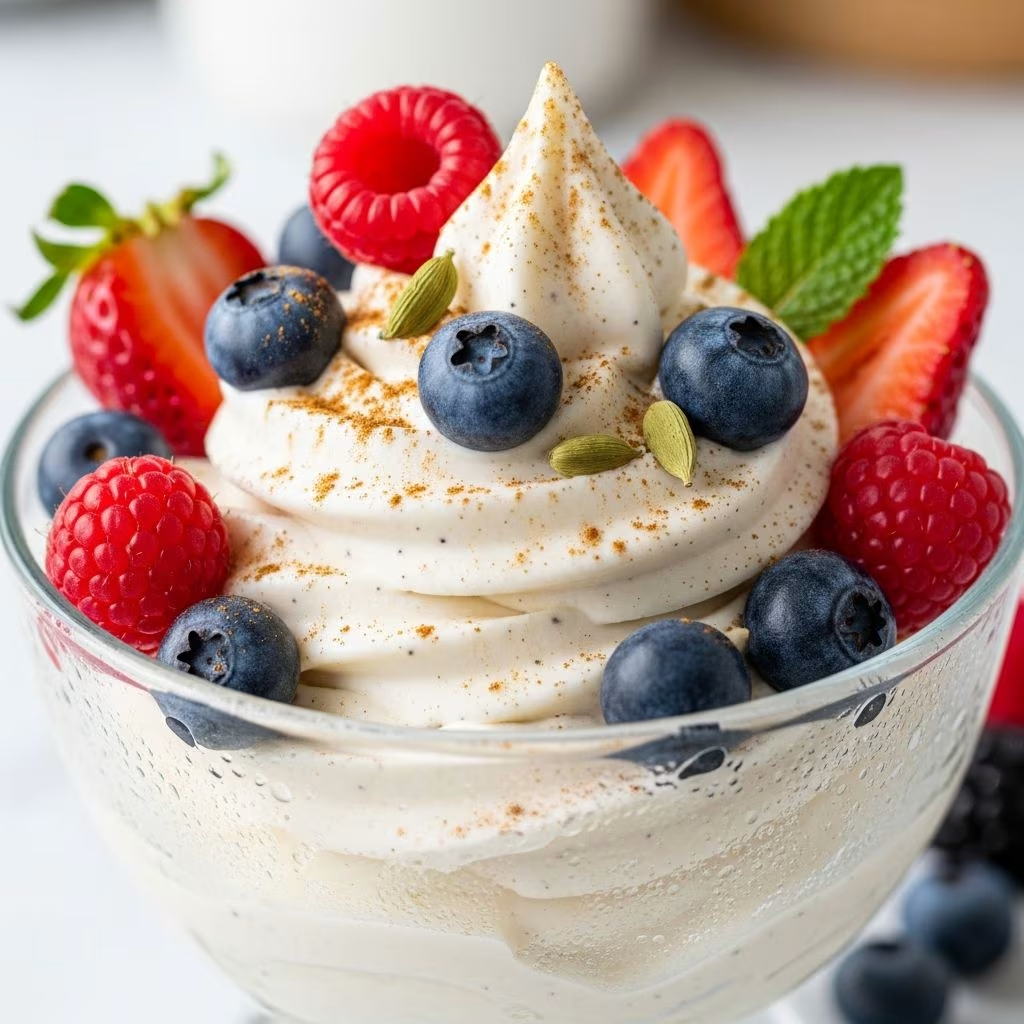
Semifreddo, an Italian culinary creation whose name literally translates to “half-cold,” represents a sophisticated approach to frozen desserts that falls somewhere between the structure of ice cream and the lightness of mousse. Unlike traditional ice cream, which requires constant churning during the freezing process to prevent ice crystals from forming, a semifreddo achieves its signature creamy texture through a combination of whipped components that are layered together and then frozen solid.
The beauty of this dessert category lies in its versatility and accessibility. Home cooks without specialized equipment can create restaurant-quality frozen treats by understanding the basic principles of how different ingredients interact during the freezing process. The foundation typically consists of a base layer enriched with dairy products, combined with aerated whipped cream that traps air bubbles, creating the characteristic light yet luxurious mouthfeel that distinguishes semifreddo from denser frozen alternatives.
Building the Foundation: Why Yogurt and Condensed Milk Matter
The choice of yogurt as the primary dairy component in this particular semifreddo design serves multiple purposes beyond mere flavor contribution. Greek yogurt and labneh, both strained yogurt products, provide a tangy undertone that balances sweeter elements while contributing beneficial proteins and a dense, creamy texture. The slight acidity in these yogurt varieties creates a flavor complexity that prevents the finished dessert from tasting one-dimensional or overly sweet.
Sweetened condensed milk functions as both a sweetening agent and a textural modifier. This ingredient, created through evaporation and sugar addition, contains natural compounds that inhibit ice crystal formation during freezing. The milk solids present in condensed milk contribute to a smoother, less icy consistency compared to frozen preparations made with only fresh milk or cream. This scientific advantage transforms what could have been a grainy texture into something velvety and refined.
When these two dairy elements combine with whipped cream, they create a triple-layer system of richness. Each component serves a distinct purpose: the yogurt provides structure and tang, the condensed milk offers sweetness and freezing point depression, and the whipped cream introduces air and light texture. Together, they produce a frozen matrix that remains scoopable even straight from the freezer, unlike traditional ice cream that often requires tempering time.
The Raspberry-Cardamom Flavor Profile: A Study in Contrast
The combination of raspberries with cardamom represents a deliberate pairing of opposites that create harmony on the palate. Fresh raspberries contribute bright acidity, delicate floral notes, and a distinctive seed texture that provides subtle resistance during consumption. When these berries are gently cooked with sugar and lemon juice, their flavors concentrate and transform, developing deeper berry notes while maintaining their signature tartness.
Cardamom, often described as the queen of spices, introduces warm, slightly citrusy, and mildly sweet aromatic qualities. Ground cardamom disperses evenly throughout the yogurt mixture, creating a subtle backdrop that prevents the dessert from feeling one-dimensionally fruity. The spice’s warming character contrasts beautifully with the cold temperature and bright fruit flavors, creating an unexpected sensory dimension that makes this dessert memorable rather than predictable.
The addition of bittersweet chocolate to the yogurt base further complicates the flavor profile in sophisticated ways. Chocolate provides depth, subtle bitterness, and richness that grounds the lighter fruit and spice notes. The interplay between chocolate’s earthiness, cardamom’s warmth, and raspberry’s brightness creates a dessert with sufficient complexity to satisfy refined palates while remaining accessible to broader audiences.
Preparation Methods: Achieving the Perfect Texture
Creating the Raspberry Base
The initial step of cooking fresh raspberries differs significantly from simply pureeing raw fruit. When raspberries are heated gently with sugar, lemon juice, and salt over medium heat, several transformations occur. The heat breaks down cell walls, releasing juice and allowing flavors to concentrate. The sugar dissolves into this released liquid, creating a syrup that carries intense berry flavor. The lemon juice brightens these flavors while adding acidity that prevents the mixture from becoming cloying. Frequent stirring and gentle fruit smashing ensure even cooking and break down larger berry pieces into smaller components while maintaining some textural interest.
Building the Yogurt Component
Rather than folding all ingredients together at once, whisking the yogurt mixture separately allows proper incorporation of each element. Starting with sweetened condensed milk as the base provides a smooth foundation. Adding plain yogurt after the condensed milk has been portioned introduces tang without overwhelming the base. Vanilla extract contributes subtle sweetness and aromatic complexity that enhances without announcing itself. The precisely chopped bittersweet chocolate should be small enough to distribute evenly but large enough to avoid disappearing completely into the mixture. A small pinch of additional salt enhances all flavors and prevents the overall profile from tasting flat or one-dimensional.
Whipping the Cream to Perfect Peaks
Heavy cream’s transformation through whipping represents one of cooking’s most accessible yet remarkable changes. The mechanical action of beating breaks down fat globules and incorporates air, causing the cream to increase in volume and develop structure. Whipping to stiff peaks, where cream no longer flows when the bowl is tilted, ensures maximum air incorporation and stability during freezing. The first cup of whipped cream is transferred to the yogurt mixture to gently lighten it before the remaining cream is folded in, creating a two-stage incorporation that ensures even distribution without deflating the aerated mixture.
Layering Technique: Creating Visual and Textural Interest
The layering process transforms individual components into a cohesive whole with distinct textural and visual sections. By dividing both the yogurt-cream mixture and the cooled raspberry compote into thirds, the preparation ensures even distribution throughout the loaf pan. The first layer of yogurt-cream mixture provides a foundation, followed by a layer of raspberry compote that creates visual depth. Using a knife to gently swirl the two layers together creates an intentional marbling effect that becomes apparent when the finished dessert is sliced.
This three-layer structure isn’t merely decorative. It ensures that each spoonful contains a balance of components rather than concentrating fruit in one section and yogurt base in another. The repetition of layers also creates a striped appearance when the frozen semifreddo is unmolded and sliced, making it as visually appealing as it is delicious.
Storage and Make-Ahead Advantages
The semifreddo’s ability to be prepared days in advance represents one of its greatest practical advantages. Once assembled and covered, the frozen dessert remains stable in a standard freezer for up to five days without significant quality degradation. This extended storage window makes it an ideal choice for entertaining, allowing hosts to complete their dessert preparation well before guests arrive.
The brief room-temperature rest before serving, typically around ten minutes, serves an important function. This tempering period allows the exterior to soften slightly while the interior remains frozen, creating optimal serving conditions. A partially softened exterior yields to the spoon more easily than frozen-solid dessert, while the cold interior maintains the intended texture and mouthfeel.
Flavor Variations and Creative Adaptations
While the raspberry-cardamom combination represents a classic pairing, this semifreddo framework accommodates numerous fruit and spice possibilities. Stone fruits such as plum or peach can replace raspberries, requiring similar cooking techniques to concentrate flavors. Mango offers tropical brightness while maintaining the yogurt base’s compatibility. Spice variations might include replacing or supplementing cardamom with warming cinnamon, slightly peppery black cardamom, or anise seed for licorice notes.
Chocolate variations extend beyond the bittersweet option. White chocolate provides sweetness and richness without chocolate’s slight bitterness. Milk chocolate offers sweeter, more approachable notes. Some preparations skip chocolate entirely, allowing fruit and spice to command attention. The yogurt base’s adaptability means home cooks can develop personal variations reflecting their flavor preferences while maintaining the semifreddo’s essential character.
Serving Suggestions and Complementary Pairings
The semifreddo’s sophisticated flavor profile pairs beautifully with numerous accompaniments and presentation styles. A simple shortbread cookie provides contrasting crunch and subtle vanilla sweetness. Gingerbread crumbs echo the dessert’s spice notes while adding textural complexity. A light drizzle of honey or cardamom-infused simple syrup adds moisture and reinforces the dessert’s warm spice character.
When unmolded and sliced, the semifreddo’s distinct layers become a visual centerpiece requiring minimal additional plating effort. A light dusting of ground cardamom or cocoa powder across the plate reinforces the dessert’s flavor profile. Fresh raspberries or raspberry coulis adds color contrast and acidic brightness to balance the rich frozen base.
Frequently Asked Questions
Can I use different yogurt varieties if Greek yogurt is unavailable? Labneh, a Middle Eastern strained yogurt, works perfectly as specified in the recipe. Regular yogurt contains more moisture and may produce a slightly softer finished product, though it remains delicious. If using regular yogurt, consider draining it through cheesecloth for one to two hours before incorporating it into the mixture.
What should I do if my raspberry mixture is too thin? Continue cooking over medium heat for additional minutes beyond the recommended fifteen to eighteen. The mixture should reach a consistency thick enough that it doesn’t run when a spoon is tilted. If overcooked, it will thicken further as it cools.
Is it possible to make this dessert without chocolate? Absolutely. Omitting the chocolate creates a lighter, fruit-forward profile that allows raspberry and cardamom flavors to dominate. The dessert remains delicious and may appeal to chocolate-averse guests.
How long should the semifreddo actually freeze before serving? Eight hours represents the minimum time required for the mixture to set completely. Overnight freezing ensures maximum stability. The dessert can remain frozen for up to five days before quality begins to decline slightly.
Can I use a different type of pan? Any container with a similar volume capacity works, though a loaf pan creates the distinctive striped appearance when sliced. A square baking pan produces larger, more rectangular slices, while individual ramekins create single-serving portions that never require slicing.
References
- Raspberry-Cardamom Yogurt Semifreddo Recipe — Bon Appétit. Retrieved from search results, Epicurious culinary database.
- Understanding Semifreddo Preparation Techniques — Culinary Institute of America (.edu). Professional pastry and frozen dessert methodology documentation.
- Dairy Science: Sweetened Condensed Milk Properties — University of Wisconsin-Madison Department of Food Science (.edu). Peer-reviewed research on dairy product freezing point depression and texture modification.
- Cardamom Flavor Chemistry and Culinary Applications — International Organization for Standardization (ISO) Spice Standards and Academic Food Science journals.