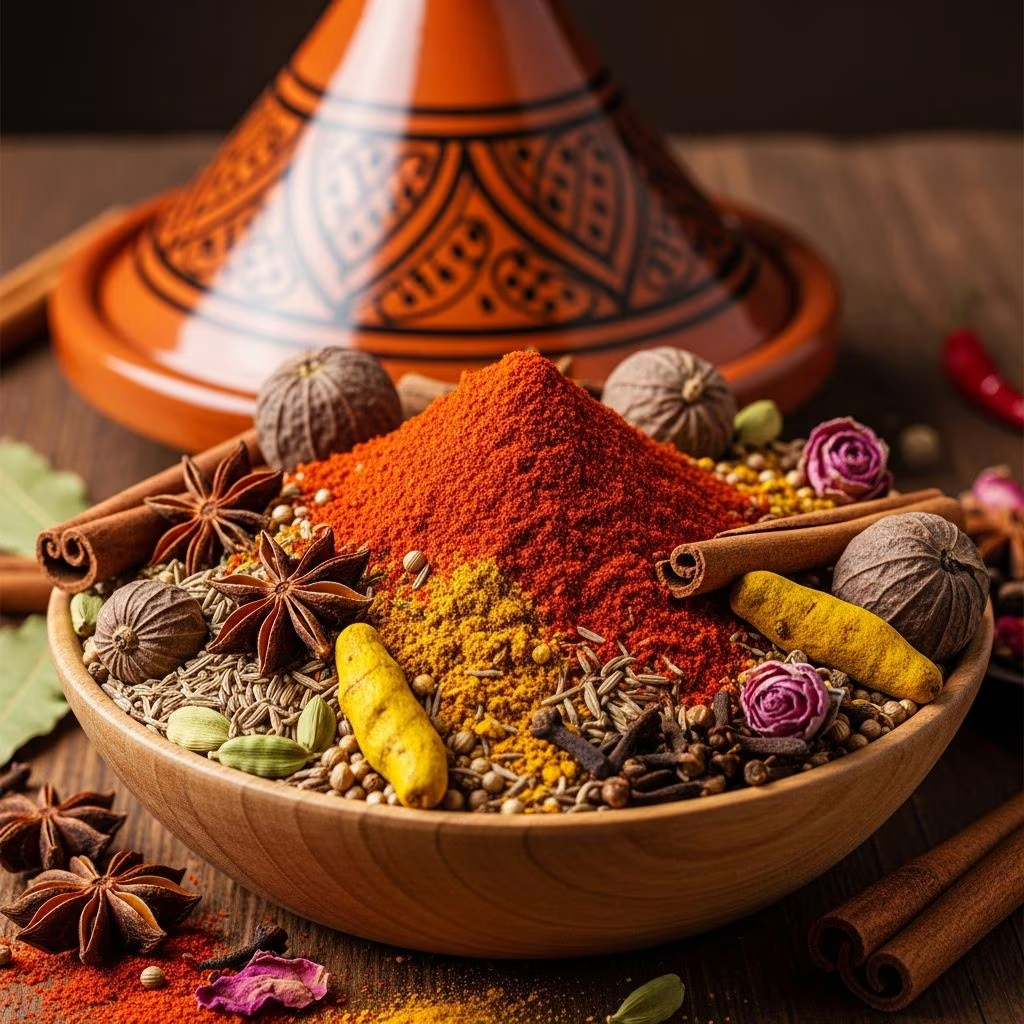
The phrase “ras el hanout” translates to “top shelf” or “head of the shop” in Arabic, and this name perfectly captures the essence of what this spice blend represents. This aromatic combination stands as one of North Africa’s most celebrated culinary creations, representing centuries of spice trading heritage and culinary tradition. What makes this blend particularly special is its complexity—a delicate balance of floral, peppery, earthy, and spicy elements that work together to create layers of sophisticated flavor.
Unlike single-spice seasonings, ras el hanout is a carefully orchestrated mixture designed to complement a vast array of savory dishes. From tagines and couscous to roasted vegetables and grilled meats, this versatile blend has become indispensable in North African kitchens and is increasingly popular in modern cooking worldwide.
Understanding the Core Spice Components
While recipes for ras el hanout vary significantly across regions and households, certain spices appear consistently. The foundational elements typically include cinnamon, allspice, ginger, cumin, coriander, peppercorn, turmeric, and cloves. These core ingredients establish the blend’s characteristic warmth and complexity.
The most fundamental spices create distinct flavor profiles:
- Cumin contributes an earthy, nutty foundation that anchors the entire blend
- Cinnamon adds sweetness and warmth, creating a comforting base note
- Ginger introduces both heat and brightness, cutting through heavier flavors
- Coriander provides a citrusy, fresh element that lifts the blend
- Allspice offers complexity with notes reminiscent of cloves, nutmeg, and cinnamon combined
- Turmeric brings earthiness and a subtle golden color
- Cloves deliver intense, peppery-sweet notes that must be used sparingly
- Black pepper contributes sharpness and bite
Exploring Regional Variations and Personal Touches
The beauty of ras el hanout lies in its flexibility. No single “correct” recipe exists—instead, this blend reflects personal preferences, regional traditions, and available ingredients. Some cooks keep their versions simple with just seven essential spices, while others create elaborate mixtures featuring twenty or more components.
Authentic variations may include:
- Cardamom pods, which add a floral, almost minty complexity
- Nutmeg, bringing warmth and subtle sweetness
- Paprika, contributing color and mild peppery notes
- Cayenne or dried red chilies, increasing heat level
- Mace, offering a more delicate version of nutmeg’s flavor
- Fennel and anise seeds, introducing subtle licorice notes
- Fenugreek, adding depth and slight maple undertones
- Lavender and rose petals, creating floral elegance for special occasions
- Bay leaves and orris root, contributing sophisticated complexity
This versatility means cooks can adjust proportions and ingredients based on personal taste preferences. Those preferring milder blends can reduce cayenne or substitute paprika for heat. Those wanting additional warmth might increase cloves or add extra cardamom.
Preparation Methods: From Quick to Elaborate
The preparation approach significantly influences the final blend’s intensity and character. Two primary methods exist, each producing distinct results.
The Quick Mixing Approach
For convenience, the simplest method involves combining pre-ground spices in a bowl and mixing thoroughly. This approach takes approximately five minutes and produces an immediately usable blend. Simply measure your ground spices into a small bowl, whisk everything together until evenly distributed, and transfer to an airtight container.
This method works well for those with limited time or equipment, though the resulting blend offers less intense flavor complexity compared to freshly ground spices.
The Elevated Toasting Method
For maximum flavor development, using whole spices that are lightly toasted produces superior results. This process begins with adding whole spices to a dry skillet over medium heat, stirring constantly for approximately two minutes until the spices release their fragrance. The toasting process awakens the essential oils within the spices, dramatically intensifying their flavor profiles.
After toasting, the spices must cool completely before grinding. Using a mortar and pestle, coffee grinder, or dedicated spice grinder, process the cooled spices into a fine powder. For the most refined texture, some recipes recommend sifting the ground mixture through a fine sieve, discarding any coarser particles that remain.
Detailed Ingredient Guide and Proportions
Creating a balanced ras el hanout requires understanding how different spices interact and contribute to the overall flavor profile. Below is a comprehensive guide featuring various proportion options.
| Ingredient | Basic Blend | Standard Recipe | Premium Blend | Flavor Profile |
|---|---|---|---|---|
| Ground Cumin | 1 tbsp | 2 tsp | 2 tsp | Earthy, nutty |
| Ground Coriander | 1 tbsp | 2 tsp | 1 tbsp | Citrusy, fresh |
| Ground Ginger | 1 tbsp | 1 tsp | 1 tbsp | Warm, spicy |
| Ground Cinnamon | 1 tsp | 2 tsp | 2 tsp | Sweet, warming |
| Ground Allspice | ½ tsp | 2 tsp | 2 tsp | Complex, peppery-sweet |
| Ground Turmeric | — | 2 tsp | 2 tsp | Earthy, bitter-warm |
| Black Pepper | 1 tsp | 2 tsp | 2 tsp | Sharp, peppery |
| Nutmeg | — | 2 tsp | 1.5 tsp | Warm, slightly sweet |
| Ground Cloves | — | ½ tsp | ½ tsp | Intense, peppery-sweet |
| Cayenne Pepper | ½ tsp | ½ tsp | ½ tsp | Heat, spiciness |
The Basic Blend represents a simplified seven-spice version ideal for beginners. The Standard Recipe creates a well-balanced intermediate blend suitable for most applications. The Premium Blend incorporates additional components for sophisticated depth and complexity.
Step-by-Step Creation Process
For Ground Spice Blending
If using pre-ground spices, the process requires minimal equipment:
- Measure all required ground spices into a small mixing bowl
- Use a whisk to thoroughly combine ingredients, ensuring even distribution
- Break up any small clumps that formed during storage
- Transfer the completed blend to an airtight container
- Label with the contents and date for reference
- Store in a cool, dark location away from direct sunlight
For Whole Spice Grinding
Creating ras el hanout from whole spices produces superior flavor intensity:
- Place a dry skillet over medium heat and allow it to warm for one minute
- Add whole spices (cardamom pods, cinnamon stick, coriander seeds, cumin seeds, peppercorns, cloves, and any other whole components) to the heated skillet
- Stir constantly for one to two minutes, until the spices become fragrant and slightly darkened
- Transfer the toasted spices to a plate and allow them to cool completely
- Once cooled, add the toasted spices along with any pre-ground components to a spice grinder or mortar and pestle
- Grind or pound until a fine powder forms, breaking up all larger pieces
- For the finest texture, sift through a fine mesh strainer, discarding coarse remnants
- Store immediately in an airtight container in a cool location
Optimal Storage and Shelf Life Considerations
Proper storage dramatically extends the usability of homemade ras el hanout. An airtight container kept in a cool, dark location preserves freshness and potency for six months, though premium blends prepared with oven-roasted whole spices may remain viable for up to three years.
Storage best practices include:
- Using glass jars with tight-sealing lids rather than plastic containers
- Storing away from direct sunlight, which degrades spice quality
- Keeping the container away from heat sources like stoves or ovens
- Avoiding humid environments such as bathrooms or kitchens with excessive steam
- Labeling containers with preparation dates for tracking freshness
- Using dedicated spoon measures for removal to prevent moisture contamination
Culinary Applications and Usage Ideas
Ras el hanout’s versatility makes it invaluable in numerous culinary contexts. This blend traditionally seasons North African dishes like tagines and couscous but proves equally effective in contemporary cuisine. The spice mixture complements roasted vegetables, grilled meats, rice pilafs, and even soups. Some adventurous cooks incorporate it into marinades for chicken, lamb, or fish, or sprinkle it over roasted chickpeas for appetizers.
Frequently Asked Questions
Can I adjust the spice intensity of my ras el hanout blend?
Absolutely. Reduce cayenne or substitute it with mild paprika for less heat. Increase it for more intensity. Similarly, adjust clove quantities based on your preference for peppery notes. The blend adapts easily to personal taste preferences.
What substitutions work if I’m missing specific ingredients?
Nutmeg substitutes effectively for allspice if necessary. Paprika or cayenne can replace dried red chilies according to desired heat level. The key is maintaining the balance of warm, earthy, and peppery elements rather than including every specific ingredient.
Why does my homemade blend taste less intense than store-bought versions?
Freshly toasted whole spices produce dramatically more intense flavors than pre-ground spices. If using ground spices, ensure they were recently purchased, as stored spices lose potency over time. Consider upgrading to the whole-spice toasting method for superior results.
How long can I store ras el hanout safely?
In an airtight container stored in cool, dark conditions, properly made ras el hanout remains fresh for approximately six months. Premium blends created through oven-roasting may last up to three years. Discard if the blend loses its fragrance or color intensity.
References
- Ras el Hanout casero, cómo hacer la mezcla de especias típica — Bon Viveur. 2026. https://bonviveur.com/es/recetas/ras-el-hanout
- Ras El Hanout Seasoning — Feasting At Home. 2026. https://www.feastingathome.com/ras-el-hanout-recipe/
- Authentic Ras el Hanout Recipe (Moroccan Spice Mix) — An Edible Mosaic. 2026. https://www.anediblemosaic.com/ras-el-hanout-moroccan-spice-mix/
- Moroccan Ras el Hanout Recipe + Video — Silk Road Recipes. 2026. https://silkroadrecipes.com/moroccan-spice-blend-ras-el-hanout/
- Ras el Hanout (how to make a Moroccan Spice Blend) — Bowl of Delicious. 2026. https://www.bowlofdelicious.com/ras-el-hanout/
- 5-Minute Ras El Hanout Spice Blend Recipe — Salima’s Kitchen. 2026. https://salimaskitchen.com/ras-el-hanout/
- Ras El Hanout – Moroccan Spice Blend — My Moroccan Food. 2026. https://www.mymoroccanfood.com/home/2015/6/9/ras-el-hanout-moroccan-spice-blend