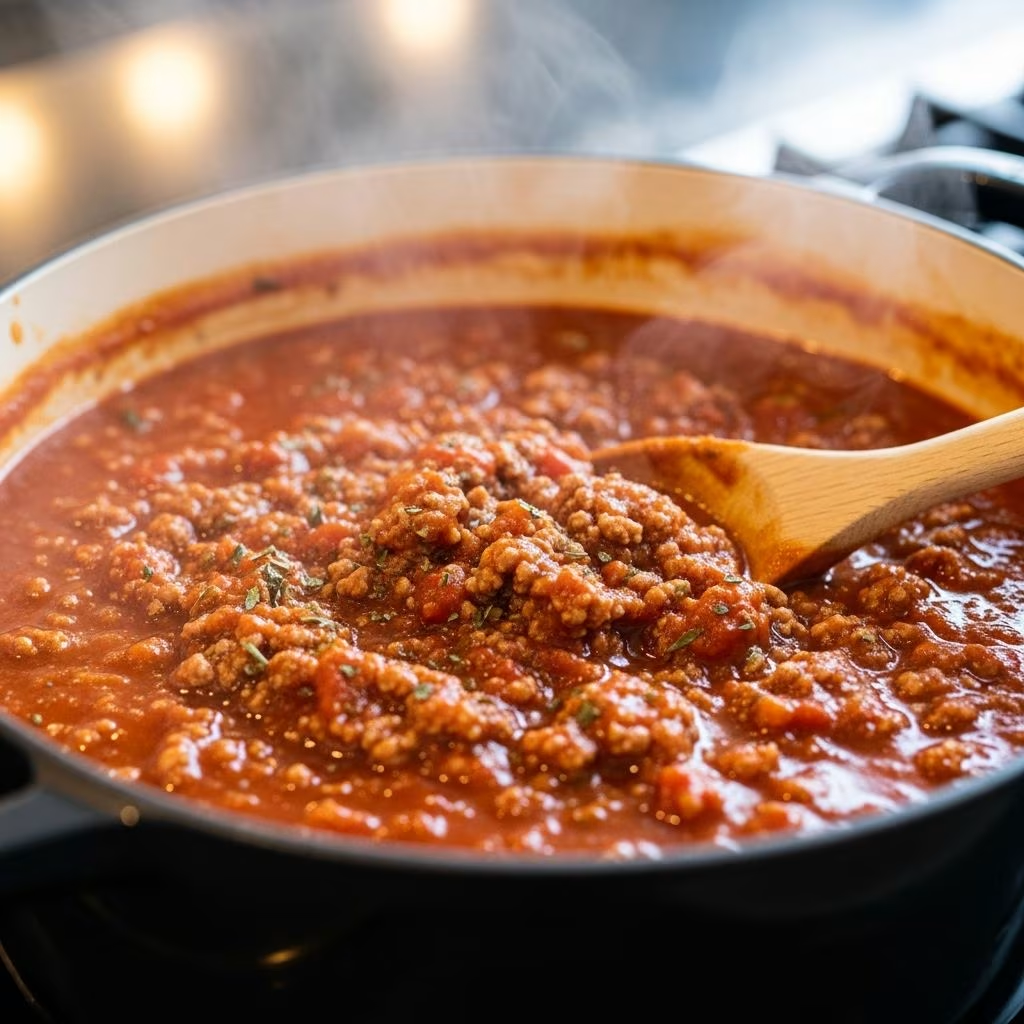
Italian ragù represents one of the most celebrated sauce traditions in global cuisine, yet many home cooks believe it requires hours of simmering to achieve authentic results. The reality is that a properly constructed meat sauce can deliver complex, satisfying flavors in a fraction of the time traditionally associated with this classic preparation. This guide explores practical methods for creating a restaurant-quality ragù that fits seamlessly into a busy schedule, proving that convenience need not compromise on taste or technique.
Understanding the Foundation of Italian Meat Sauce
A traditional ragù begins with building layers of flavor through methodical cooking stages. Unlike simple tomato-based sauces, authentic ragù develops depth through the careful combination of vegetables, protein, and aromatics. The foundation starts with the soffritto—the aromatic base that provides the flavor backbone for virtually all Italian meat sauces. This combination typically includes onions, carrots, and celery, which when slowly cooked together create a sweet, savory undertone that becomes the canvas for additional flavors.
The key to accelerating the cooking process without sacrificing quality lies in understanding how to maximize flavor extraction at each stage. By employing specific preparation and cooking techniques, home cooks can compress what might traditionally take several hours into a manageable weeknight timeline.
Preparing Your Ingredients for Maximum Impact
Ingredient preparation significantly influences both cooking time and flavor development. Rather than using whole vegetables that require extended cooking to break down, consider alternative preparation methods that increase surface area and accelerate flavor release.
- Grating vegetables: Using a box grater on mushrooms, carrots, and onions creates smaller particles that release flavors rapidly and integrate smoothly into the sauce. This technique reduces the sautéing time from the traditional 10-15 minutes to approximately 6-8 minutes.
- Mincing aromatics: Finely chopped garlic disperses evenly throughout the sauce and cooks through in seconds rather than minutes, ensuring complete flavor distribution without raw garlic notes.
- Dicing celery: Cut into small, uniform pieces, celery cooks faster while maintaining its characteristic flavor contribution to the overall profile.
- Selecting appropriate proteins: Ground beef with moderate fat content (around 92% lean) browns more efficiently than whole cuts and integrates seamlessly with sauce components.
The Cooking Sequence: Building Flavor Strategically
Stage One: Rendering the Flavor Base
Begin by melting butter or heating olive oil in a large, heavy-bottomed skillet or Dutch oven. The choice between butter and oil influences the final flavor profile—butter adds richness and subtle sweetness, while olive oil provides a more Mediterranean character. Once the fat reaches the appropriate temperature, add your prepared vegetables along with salt. The salt serves dual purposes: it seasons the vegetables and helps draw out their moisture, which concentrates flavors as it evaporates.
Allow the vegetables to cook over medium heat until they become soft and translucent, releasing most of their liquid. This stage typically requires 6-8 minutes and forms the aromatic foundation that distinguishes quality ragù from simple ground meat sauces. Avoid the temptation to increase heat to speed this process, as rapid cooking can char vegetables rather than gently coaxing out their sweetness.
Stage Two: Browning the Protein
Once vegetables have softened and released their moisture, add minced garlic and stir briefly to bloom its flavors. Immediately follow with ground beef, breaking it into small pieces as it cooks. Proper browning requires 4-6 minutes and involves allowing the meat to develop a golden crust through contact with the hot pan surface. This caramelization process creates complex flavors through the Maillard reaction, a chemical process that generates hundreds of new flavor compounds when proteins and sugars are exposed to high heat.
The color of the finished beef should progress from gray to warm brown, with some pieces exhibiting deeper caramelization. Resist the urge to stir constantly, as this prevents proper contact between meat and pan surface, reducing browning effectiveness.
Stage Three: Introducing Aromatics and Seasonings
With the protein properly browned, incorporate dried herbs and spices. Italian seasoning blends typically include oregano, basil, thyme, and rosemary—herbs that have been used in Italian cuisine for centuries. These dried herbs require a moment of contact with hot fat to activate their essential oils and release their aromatic compounds fully. Adding red pepper flakes at this stage creates a subtle heat that enhances rather than dominates the flavor profile, while freshly ground black pepper provides earthiness and complexity.
The inclusion of red wine serves multiple functions: it adds acidity that brightens flavors, contributes its own aromatic notes, and begins the process of dissolving proteins and incorporating flavor compounds from the cooking stages so far. Allow the wine to simmer until nearly evaporated, concentrating its flavors while the liquid reduces to approximately a quarter of its original volume.
Incorporating Tomatoes and Building the Sauce Body
The tomato component transforms the mixture from a simple browned meat preparation into a cohesive sauce. High-quality tomato products—whether crushed San Marzano tomatoes or diced tomatoes in their own juice—provide both body and flavor. These tomatoes should be added along with their liquid, which contains valuable flavor compounds and helps create the sauce consistency.
Many modern ragù recipes incorporate a small amount of tomato paste, which concentrates tomato solids and adds umami depth. This ingredient should be stirred into the hot fat briefly before adding liquid tomatoes, allowing the paste to caramelize slightly and develop deeper flavor.
The liquid component of the sauce typically combines beef stock with the tomato liquid, creating a balanced cooking medium that extracts flavors from all ingredients while preventing the sauce from becoming too dense. The ratio of liquid to solids determines whether your finished sauce will be brothier or more concentrated—adjust according to your preference and pasta type.
Cooking Methods and Timing Considerations
One-Pot Preparation Approach
Adding uncooked pasta directly to the simmering sauce creates efficiency by combining cooking steps. This method, sometimes called “pasta risotto” style cooking, requires monitoring to ensure the pasta reaches appropriate tenderness (typically 8-12 minutes depending on pasta shape and thickness) while the sauce maintains a simmer. Stir occasionally to prevent sticking and ensure even cooking.
| Cooking Method | Total Time | Advantages | Considerations |
|---|---|---|---|
| One-Pot Cooking | 30-40 minutes | Fewer dishes, integrated flavors, convenient | Requires monitoring, limited batch size |
| Separate Pasta Cooking | 35-45 minutes | Better texture control, scalable | Additional dishes, timing coordination |
| Make-Ahead Sauce | 20-25 minutes (plus storage) | Convenient for busy schedules, improved flavor when reheated | Requires advance planning |
Traditional Separate Cooking Method
Alternatively, prepare the sauce separately while cooking pasta in salted water. This approach allows more precise control over pasta texture and accommodates different cooking preferences within a household. Once both components reach appropriate doneness, combine them in the pan with the sauce, allowing the pasta to absorb sauce flavors for a minute or two before serving.
Finishing Techniques That Elevate Your Sauce
The final stage of sauce preparation determines whether your ragù tastes homemade-good or restaurant-quality. Adding grated Parmesan cheese or a splash of heavy cream at the end enriches the sauce, creating a silky mouthfeel that coats the pasta evenly. The cheese also adds umami—that savory fifth taste that makes food feel more satisfying and complete.
After adding finishing ingredients, remove the pan from direct heat and allow it to rest for 8-10 minutes. During this resting period, the pasta continues absorbing sauce liquid, the cheese or cream fully incorporates, and flavors meld together. This brief pause dramatically improves the final texture and taste, preventing a watery appearance and allowing all components to achieve equilibrium.
Flavor Enhancement Strategies
Several techniques can be employed to deepen the perceived complexity of your ragù without extending cooking time significantly:
- Mushroom umami: Adding finely grated mushrooms contributes umami compounds and earthiness that suggest a longer-simmered sauce. The mushrooms cook down completely, becoming invisible while their flavor permeates the sauce.
- Wine selection: Choose a red wine you would enjoy drinking—the alcohol burns off during cooking, leaving behind the wine’s characteristic flavors and acidity that brightens the sauce.
- Layering spices: Introducing seasonings in stages rather than all at once allows each flavor to integrate properly, creating complexity that feels sophisticated and intentional.
- Quality tomato products: San Marzano tomatoes and good tomato paste represent minimal cost differences with significant flavor impact.
- Freshly ground pepper: Pre-ground pepper loses volatile aromatic compounds over time; freshly grinding pepper moments before use ensures maximum peppery flavor and aroma.
Scaling and Storage Considerations
This sauce freezes exceptionally well, making it practical to prepare larger batches when time permits and refrigerate or freeze portions for future meals. The flavor actually improves over a day or two as components continue melding. Stored in airtight containers, the sauce remains fresh in the refrigerator for up to four days or in the freezer for up to three months.
When reheating frozen or refrigerated sauce, add it to a gently warmed pot without boiling, allowing it to heat through gradually. If the sauce appears too thick after storage, thin it with a small amount of stock or pasta water until reaching desired consistency.
Frequently Asked Questions
- Can I use ground turkey or other proteins instead of beef?
- Yes, though the flavor profile will differ. Ground turkey produces a lighter sauce, while pork creates richer, slightly sweeter results. Venison or wild boar offer more robust flavors. Adjust seasoning based on the protein you select, as different meats have distinct flavor characteristics.
- What if I don’t have red wine?
- Substitute with additional beef stock or omit entirely, though wine provides valuable acidity and complexity. Coffee or a small amount of balsamic vinegar can replicate the acidity component if wine is unavailable.
- How do I know when the sauce is finished?
- The sauce should coat the back of a spoon when ready, with a thickness that adheres to pasta rather than running off. If too thin, simmer uncovered to evaporate excess liquid; if too thick, add stock gradually until reaching desired consistency.
- Should I use fresh or dried herbs?
- Dried herbs work better for this recipe, as fresh herbs would wilt and lose potency during cooking. If using fresh herbs, add them only in the final minutes to preserve their bright flavors.
- What pasta shape works best with this sauce?
- Wider, shorter shapes like rigatoni, penne, or fusilli trap sauce effectively. Long pasta such as spaghetti works but captures less sauce. Choose based on personal preference and what you have available.
Conclusion: Weeknight Elegance Within Reach
Creating an authentic Italian meat sauce no longer requires surrendering your evening to hours of simmering. By understanding the principles of flavor development and applying strategic cooking techniques, home cooks can produce a ragù that rivals restaurant versions while fitting comfortably into a weeknight schedule. The methods outlined here prioritize both time efficiency and flavor complexity, proving that shortcuts need not compromise quality when grounded in proper culinary technique.
References
- The Science of Good Cooking: Master 50 Essential Recipes and Techniques — America’s Test Kitchen. 2012. ISBN: 978-1933615912.
- Essentials of Classic Italian Cuisine — Marcella Hazan. Knopf Publishing. 1992. ISBN: 978-0394574692.
- The Flavor Bible: The Essential Reference for More Than 8,000 Ingredient and Flavor Combinations — Karen Page and Andrew Dornenburg. Little, Brown and Company. 2008. ISBN: 978-0316766951.