Melted cheese dips represent one of the most beloved appetizers across culinary traditions, transcending cultural boundaries to become a staple at gatherings, celebrations, and casual entertaining occasions. These warming, indulgent preparations combine the richness of quality cheeses with aromatic vegetables and proteins, creating a dish that satisfies both palate and appetite. Understanding the fundamentals of preparation, ingredient selection, and presentation transforms this simple concept into a sophisticated appetizer that impresses guests and elevates any event.
Understanding the Foundation: What Makes an Exceptional Cheese Dip
The success of any melted cheese preparation begins with understanding its core components and how they interact during cooking. A well-executed cheese dip balances texture, flavor intensity, and visual appeal while maintaining the ideal consistency for scooping and serving. The foundation rests on three essential elements: cheese selection, flavor accompaniments, and cooking technique.
The most successful cheese dips employ multiple cheese varieties rather than relying on a single type. This layered approach creates complexity in flavor while ensuring optimal melting characteristics. Different cheese varieties contribute distinct qualities—some melt smoothly and evenly, while others add sharpness, creaminess, or subtle smokiness to the final preparation.
Selecting Cheeses for Optimal Melting and Flavor
Cheese selection represents the most critical decision when preparing this appetizer. The ideal combination typically includes semi-firm cheeses that melt cleanly without becoming greasy or separating. Monterey Jack cheese provides a mild, creamy base that melts beautifully and won’t overpower other flavors. Pepper Jack adds a gentle heat and complexity while maintaining excellent melting properties. Oaxaca cheese, traditionally used in authentic preparations, contributes a smooth, stringy texture that creates the signature molten consistency expected in this dish.
Block cheeses consistently outperform pre-shredded varieties because commercial shredding coatings prevent uniform melting. When purchasing cheese, select blocks and shred them immediately before cooking to maximize melting efficiency and texture. The milk fat content in cheese directly correlates with melting quality—cheeses made from whole milk or cream melt more smoothly than low-fat alternatives.
| Cheese Variety | Melting Quality | Flavor Profile | Best Use |
|---|---|---|---|
| Monterey Jack | Excellent | Mild, creamy | Base cheese |
| Pepper Jack | Excellent | Mild with heat | Flavor addition |
| Oaxaca | Excellent | Mild, slightly tangy | Traditional choice |
| Mozzarella | Good | Neutral | Secondary cheese |
Building Flavor Through Strategic Ingredient Layering
Beyond cheese, building a memorable dip requires thoughtful incorporation of complementary ingredients that add depth without overwhelming the cheese base. Spiced sausage options provide both protein and intense flavor. Mexican chorizo brings distinctive spice and smokiness, while Italian sausage varieties offer different flavor notes for those preferring milder heat levels. The sausage should be cooked separately, broken into small crumbles, and incorporated at specific stages of preparation.
Aromatics form the flavor foundation that supports and enhances the cheese. White or red onions, when properly softened through gentle cooking, contribute sweetness and depth. Garlic, minced finely and cooked until fragrant, rounds out the savory profile. Fresh or roasted peppers introduce textural variety and complex flavors that elevate the dish beyond simple cheese preparations.
Roasted poblano peppers create a sophisticated variation that appeals to those seeking authentic, bold flavors. The roasting process develops deep, smoky undertones while removing the raw bite from the pepper. The blackening on the skin, achieved through high-heat broiling, contributes to the final flavor complexity. After roasting, simply peel away the charred exterior and slice the flesh into manageable pieces.
Mastering the Cooking Process
Proper technique during cooking determines whether the finished dish achieves creamy perfection or separates into undesirable textures. The process typically begins by cooking any proteins separately in a cast-iron or oven-safe skillet. Cast iron provides superior heat retention and distribution, ensuring even cooking throughout the preparation. Breaking the sausage into small pieces as it cooks allows for even browning and easier distribution throughout the final dish.
After removing cooked sausage, vegetables are introduced to the same skillet, allowing them to absorb flavorful drippings. Cooking vegetables over medium heat for approximately five minutes softens them while building caramelization. This step should be monitored carefully—vegetables should be tender but not browned, maintaining their color and texture.
The sausage returns to the skillet and spreads into an even layer, creating a base for the cheese. Freshly shredded cheese is distributed evenly across the vegetables and meat, then lightly mixed with milk or cream to promote smooth melting. The exact amount of dairy depends on cheese moisture content and desired final consistency—three tablespoons typically suffices for most preparations, though slightly more can create a saucier consistency.
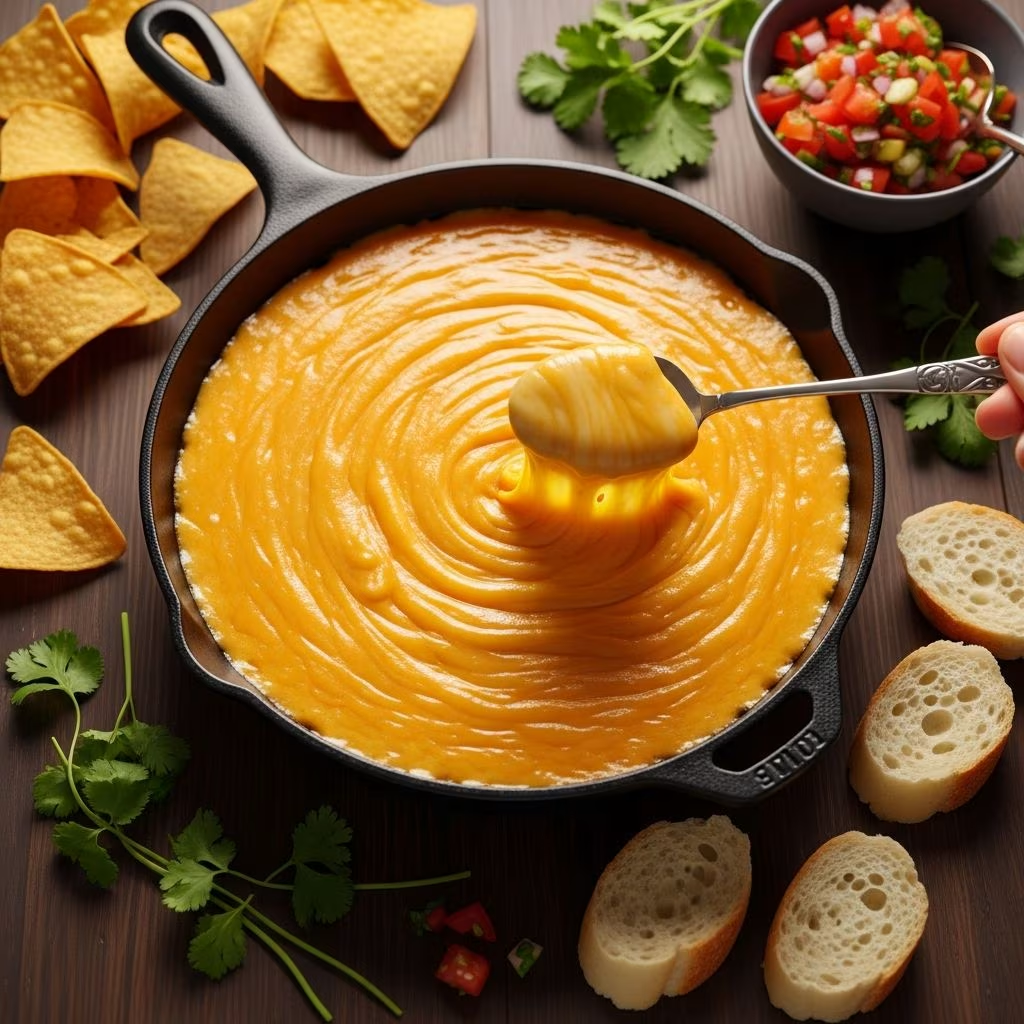
Oven cooking at four hundred degrees Fahrenheit for five to seven minutes creates the ideal texture transformation, with the cheese becoming fully melted and starting to bubble at the edges. For a more dramatic presentation, some prefer briefly broiling the finished dish for two to three minutes, creating a browned, crispy top layer while maintaining creamy interior consistency.
Advanced Preparation: Water Bath Method
For restaurant-quality results and extended warming capacity, a water bath technique provides superior temperature control and prevents overcooking or curdling. This method involves placing the filled skillet inside a larger roasting pan containing hot water halfway up the skillet’s sides. The water bath maintains even, gentle heat that prevents cheese from cooking too quickly at high temperatures.
This technique requires slightly longer cooking time—twenty to twenty-five minutes at four hundred twenty-five degrees Fahrenheit—but produces exceptionally creamy, stable results that hold their quality throughout serving. The water bath proves particularly valuable when preparing larger quantities for events where the dish must remain warm and accessible over extended periods.
Finishing Touches and Presentation
The transition from cooking to serving represents a crucial moment where thoughtful garnishing transforms the dish from good to memorable. Reserved sausage crumbles scattered across the melted cheese surface provide textural contrast and visual appeal. Fresh avocado slices arranged artfully atop the warm cheese create color contrast while adding richness and subtle flavor.
Fresh cilantro, either roughly chopped or left in whole leaves, brings brightness and herbal notes that cut through the richness of the cheese. For those preferring alternative garnishes, diced jalapeños add heat, while crispy tortilla chips scattered on top provide textural variety. Some preparations benefit from a light drizzle of quality olive oil or a sprinkle of fleur de sel, enhancing visual presentation and adding sophisticated flavor notes.
Serving this appetizer in the warm skillet it was cooked in maintains temperature and creates an attractive, rustic presentation. Provide ceramic spoons for scooping, as metal utensils can become uncomfortably hot when left in the warm dish. Arrange an array of accompaniments nearby—warm flour tortillas, crispy tortilla chips, homemade salsa, guacamole, and pico de gallo allow guests to customize each bite according to their preferences.
Ingredient Variations and Creative Adaptations
While the foundational preparation provides an excellent base, creative variations accommodate different preferences and dietary considerations. Vegetarian versions substitute plant-based sausage varieties for traditional chorizo, maintaining the desired flavor profile and texture while accommodating dietary restrictions. Roasted vegetable variations—including corn, black beans, or diced bell peppers—add nutritional value and textural interest.
Seafood adaptations featuring cooked shrimp or crabmeat create elegant variations suitable for upscale entertaining. Smoky chipotle peppers blended with cream cheese can be swirled through the basic preparation for added depth. Truffle oil drizzled over the finished dish elevates it for special occasions, while crispy bacon pieces appeal to those seeking savory intensity.
Cream cheese or heavy cream additions create richer, creamier consistency that some prefer to simpler preparations. Milk provides a lighter alternative for those seeking a less heavy version. The ratio of dairy to cheese should be adjusted based on desired final texture—creamier results require more liquid, while firmer, less saucy versions need minimal dairy additions.
Serving Suggestions and Pairing Strategies
This appetizer serves as an ideal centerpiece for casual gatherings, game day celebrations, or formal entertaining occasions. The interactive nature of scooping and customizing each bite encourages conversation and social engagement among guests. The warm, comforting qualities appeal across age ranges and dietary preferences, making it a practical choice for mixed-group entertaining.
Temperature management becomes important for extended serving periods. Keeping the dish warm without further cooking requires placing the serving skillet on a warming trivet or heating pad set to low. Alternatively, transfer to a small slow cooker set on the warm setting to maintain ideal temperature throughout an event lasting several hours.
Beverage pairings should balance the richness and heat inherent in most cheese dip preparations. Light lagers or wheat beers complement without overwhelming. Crisp white wines like Sauvignon Blanc or Pinot Grigio provide acidity that cleanses the palate between bites. Non-alcoholic options including sparkling water with lime or fresh-squeezed aguas frescas offer refreshing alternatives.
Equipment and Kitchen Considerations
Success largely depends on selecting appropriate cooking vessels and maintaining proper temperatures. Cast-iron skillets provide ideal cooking surfaces due to superior heat distribution and retention. Eight to nine-inch skillets comfortably accommodate most home recipes, producing restaurant-quality results with minimal fuss. Stainless steel or ceramic baking dishes work equally well for those preferring non-iron options.
An oven thermometer ensures accurate temperature reading, preventing the inconsistent results that sometimes occur with faulty oven calibration. Having ingredients prepped and measured before cooking begins—a practice known as mise en place—streamlines the actual cooking process and prevents mistakes resulting from distraction or time pressure.
Common Mistakes to Avoid
Cheese separation results from cooking at temperatures that are too high or for too long. This breaks the milk fat emulsion, creating a greasy, unappetizing texture. Maintaining moderate heat and watching closely during the final cooking stages prevents this common pitfall. Using pre-shredded cheese increases separation risk due to coating additives that interfere with smooth melting.
Insufficient vegetable cooking leaves raw or crunchy texture that detracts from the creamy cheese base. Five minutes over medium heat provides adequate time for softening without color development. Skipping the sausage precooking step creates uneven texture and potentially introduces uncooked meat into the finished dish.
Inconsistent cheese distribution creates hot spots and cold areas in the finished dish. Spreading ingredients into even layers before cooking and mixing gently before baking ensures uniform texture throughout. Overcrowding the skillet with ingredients prevents proper cooking and creates a muddy, indistinct flavor profile.
Storage and Make-Ahead Strategies
While best served immediately after cooking, prepared cheese dips can be stored covered in the refrigerator for up to three days. Reheat gently in a low oven or slow cooker, adding a small amount of milk if the texture has thickened excessively. Avoid rapid reheating, which risks separating the cheese.
Ingredient prep can be completed well in advance—sausage can be cooked and refrigerated up to two days ahead, vegetables can be chopped the morning of serving, and cheese can be shredded several hours before cooking. Final assembly and baking should occur shortly before guests arrive to ensure optimal texture and temperature.
Frequently Asked Questions
- Can this be made ahead and reheated?
- Yes, though the texture is best immediately after initial cooking. Reheat gently in a low oven with a splash of milk to restore creamy consistency. Avoid rapid reheating or high heat, which causes separation.
- What if the cheese breaks or separates?
- Whisk in a tablespoon of cold milk gradually while gently heating to restore emulsion. Ensure heat is not excessive during reheating. For future preparations, verify accurate oven temperature and avoid overcooking.
- Can dairy-free alternatives be substituted?
- Plant-based cheeses designed for melting can be used, though results vary based on brand quality. Combining dairy-free options with traditional cheeses sometimes produces better results than using exclusively plant-based versions.
- What should accompany this dish?
- Warm flour tortillas, crispy tortilla chips, and fresh salsa provide the classic pairing. Guacamole, pico de gallo, and fresh lime wedges add complementary flavors and textures.
- How long can this sit out safely?
- Follow standard food safety guidelines—no more than two hours at room temperature. When entertaining, keep on a warming device to maintain food safety temperatures.
References
- Queso Fundido (Baked Cheese Appetizer) – A Cozy Kitchen — A Cozy Kitchen. Accessed 2026. https://www.acozykitchen.com/queso-fundido-with-chorizo
- Queso Fundido – What’s Gaby Cooking — What’s Gaby Cooking. Accessed 2026. https://whatsgabycooking.com/queso-fundido/
- The Best Queso Fundido (with poblano peppers) — Keeping It Simple Blog. Accessed 2026. https://www.keepingitsimpleblog.com/food/the-best-queso-fundido/
- Queso Fundido with Chorizo – A Flavor Journal — A Flavor Journal. Accessed 2026. https://aflavorjournal.com/queso-fundido-chorizo-recipe/
- Queso Fundido with Chorizo with Marcela Valladolid — Food Network. Accessed 2026. https://www.youtube.com/watch?v=WKOtEIV9sDA
- Queso Fundido with Chorizo, the Cheesy-Perfect Party Dip — Familia Kitchen. Accessed 2026. https://familiakitchen.com/queso-fundido-with-chorizo-the-perfect-super-bowl-dip/