Understanding the Fundamentals of Qiang Bing
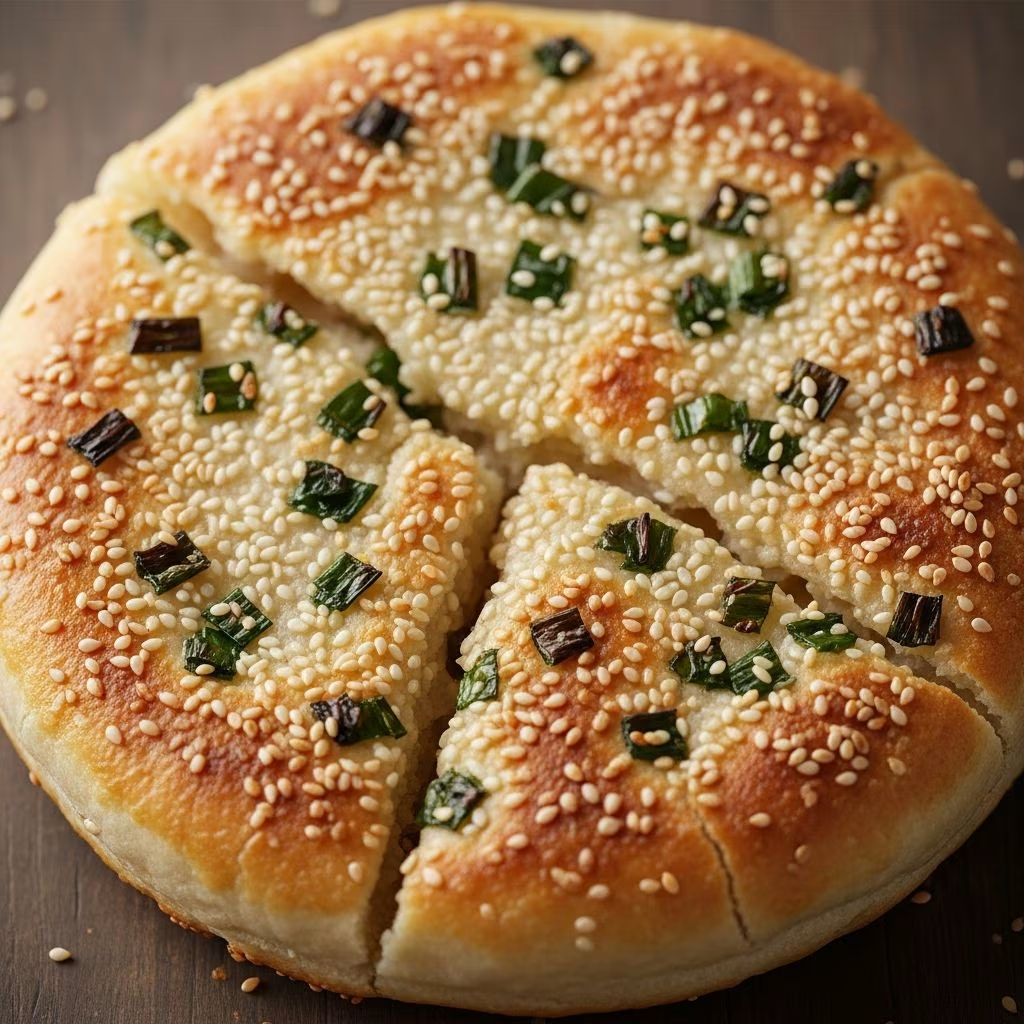
Yeasted scallion sesame bing, known as qiang bing or 羌饼 in Mandarin, represents a beloved Chinese flatbread that bridges the gap between traditional pan-fried dough and modern comfort food. Unlike its non-yeasted cousin, the scallion pancake or cong you bing, this variation incorporates leavening agents that transform the texture into something distinctly different—a bread with extraordinary depth and complexity. The result is a thick, savory bread characterized by a golden-brown exterior encrusted with sesame seeds and a remarkably fluffy interior layered with fragrant scallions and sesame oil.
The magic of qiang bing lies in its textural contrast. The exterior develops a satisfying crunch when pan-fried, while the interior maintains an airy, foccacia-like quality that practically melts in your mouth. This duality makes the bread appealing to diverse palates and suitable for various occasions, from casual weeknight dinners to impressive presentations for guests.
Essential Ingredients and Their Roles
Creating an authentic yeasted scallion sesame bing requires understanding how each ingredient contributes to the final product’s structure and flavor profile.
The Foundation: Flour and Hydration
All-purpose flour serves as the structural backbone of your dough, typically requiring approximately two cups for a standard batch yielding three finished flatbreads. The flour’s protein content develops gluten networks that trap gas bubbles created by the yeast, resulting in that coveted fluffy texture. Achieving the correct hydration level—the ratio of liquid to flour—proves critical; approximately one and one-quarter cups of warm water creates a tacky, high-hydration dough that yields superior layers compared to drier alternatives.
Leavening Agents: Creating Volume and Lift
Two distinct leavening mechanisms work in concert within qiang bing. Active dry yeast ferments the dough over an extended period, creating carbon dioxide that gradually inflates the dough structure during the bulk fermentation phase. Baking powder contributes additional lift during the cooking process itself, creating a secondary rise when exposed to heat. This dual-action approach produces significantly more volume than non-yeasted versions, fundamentally altering the bread’s character.
Seasonings and Aromatics
Scallions provide the signature aromatic profile that defines this bread. Approximately three to four green onions, finely chopped, are distributed throughout the dough layers to create pockets of intense onion flavor. Sesame oil, used both for brushing and as a filling component, contributes a nutty, toasted aroma that complements the scallions perfectly. Kosher salt balances flavors and enhances the overall taste profile, while optional additions like five-spice powder and white pepper introduce complexity and subtle heat.
Seeds and Finishing Components
Raw sesame seeds coat the exterior of the finished bread, providing textural contrast and visual appeal. Approximately one to two tablespoons per flatbread create an adequate coating that adheres to both the top and bottom surfaces. Neutral cooking oil or peanut oil facilitates the pan-frying process, creating the characteristic golden-brown crust.
Preparation Timeline and Process Overview
Success with qiang bing requires patience and proper timing. The complete process spans approximately three to four hours from start to finish, though most of this time involves passive rising and resting periods.
Step One: Activating the Yeast
Begin by combining one packet of dry active yeast with one and one-quarter cups of warm water (ideally between 105 and 115 degrees Fahrenheit) in a large mixing bowl. The water temperature proves crucial; excessively hot water kills yeast organisms, while cool water slows activation. Add one to two teaspoons of sugar to feed the yeast, then allow the mixture to sit undisturbed for approximately ten minutes. During this period, yeast cells become active and the surface should develop visible bubbles and a slightly foamy appearance.
Step Two: Developing the Dough
Once the yeast mixture is properly activated, incorporate the flour gradually, adding approximately one-quarter cup at a time to allow full hydration. This gradual addition prevents lumps and ensures even distribution of flour throughout the liquid. Continue mixing until a cohesive dough ball forms. The dough should feel tacky but manageable—not sticky enough to be difficult to work with, yet moist enough to develop adequate gluten structure. Add one-half teaspoon of baking powder and a pinch of kosher salt during this stage.
Step Three: Initial Bulk Fermentation
Cover the dough with plastic wrap or a clean kitchen towel and place it in a warm location to proof. A conventional oven with only the light turned on creates an ideal environment, maintaining consistent temperature without excessive heat. Alternatively, you can place the dough in any warm spot in your kitchen. Allow approximately two hours for the dough to nearly double in size. This extended fermentation period allows yeast to thoroughly colonize the dough and develop complex flavors through metabolic processes.
Shaping and Layering Techniques
Once the dough has completed its initial rise, the shaping process begins. This stage determines the final bread’s layer structure and texture distribution.
Dividing and Initial Shaping
Remove the dough from its warm resting place and divide it into three equal portions using a bench scraper or knife. Working with one portion at a time, hand-shape the dough into a flat coin-like form. This preliminary shaping helps redistribute gases and prepare the dough for the rolling phase.
The Critical Rolling Process
Place the shaped dough on a liberally floured work surface—adequate flour prevents sticking and facilitates later separation of layers. Using a rolling pin, gradually flatten the dough into a thin, even sheet. The key to success lies in rotating the dough a quarter turn after each rolling motion, which promotes even thickness and prevents unwanted thickness variations. Continue until the dough reaches paper-thin consistency, approximately the thickness of a tortilla or crepe. This thinness allows the oil and scallion layers to create distinct, separate strata within the final bread.
Building the Aromatic Layers
Once the dough achieves the desired thinness, brush a thin layer of sesame oil across its entire surface. Distribute finely chopped scallions evenly across the oiled surface, then sprinkle a pinch of kosher salt and optional spice mixtures. The distribution of aromatics at this stage directly impacts the final product’s fragrance and flavor intensity. Some recipes incorporate five-spice powder or white pepper to add depth.
The Coiling Technique
Beginning at one edge of the oiled and topped dough, tightly roll the flatbread toward yourself, creating a long cylinder. Once rolled completely, coil this cylinder inward in a spiral pattern, similar to creating cinnamon rolls. The coiling technique creates multiple distinct layers of scallion-flavored dough that become apparent once the bread is cooked. After coiling completely, gently press the spiral down to create a disk shape and allow it to rest briefly.
Final Shaping Before Cooking
This secondary shaping phase determines the final bread’s diameter and thickness. Place the coiled dough disk on a floured surface and, using your hands followed by gentle rolling pin pressure, flatten it into a circle approximately six inches in diameter. Rotate the dough a quarter turn between each rolling motion to maintain even thickness. The dough should be thick enough to require fork pressure to compress, yet thin enough to cook through properly—typically around one-quarter to one-half inch.
Once rolled to the proper dimensions, brush sesame oil onto one exposed surface and press raw sesame seeds firmly into the oil-coated area. These seeds should adhere securely, creating a textured, golden crust when cooked. Carefully flip the flatbread using a large spatula or your hands and repeat the sesame oil and seed application process on the opposite side.
The Final Proofing and Cooking Process
Pre-Cooking Rest Period
Transfer the prepared flatbreads to a plate and cover loosely with a clean towel. Allow them to rest in a warm spot for approximately fifteen minutes before cooking. During this brief resting period, the dough continues to relax and develop additional structure. Some recipes call for placing the shaped dough directly in an oiled cold skillet and allowing it to proof for an additional thirty minutes while covered, which adds extra volume and fluffiness.
Pan-Frying to Perfection
Heat a large skillet or griddle over medium heat and add approximately four tablespoons of peanut oil or neutral cooking oil. Once the oil is hot but not smoking, carefully place the prepared flatbread into the skillet. If using the extended proofing method, cover the skillet and allow the dough to rise an additional thirty minutes before removing the lid. Fry the flatbread for three to four minutes until the bottom surface develops a golden-brown color and visible crispness. The sesame seeds should toast to a deeper brown and become fragrant.
Using a spatula, carefully flip the flatbread and fry the opposite side for an additional three to four minutes until similarly golden and crispy. The total cooking time typically ranges from six to eight minutes, though exact timing depends on heat intensity and desired crispness level. The finished flatbread should emit a distinctive toasted sesame aroma and demonstrate audible crispness when pressed.
Serving and Flavor Pairing Suggestions
Traditional Accompaniments
Yeasted scallion sesame bing traditionally serves as a breakfast item in Shanghai and surrounding regions, though it adapts well to any meal. Slice the finished flatbread into quarters and serve immediately while still warm. The exterior crispness gradually softens over time, so consuming the bread within minutes of cooking yields optimal textural contrast.
Complementary Sauces
A simple chili oil sauce enhances the bread’s natural flavors without overwhelming its delicate balance. Combine four tablespoons low-sodium soy sauce, one tablespoon rice vinegar, one tablespoon brown sugar, one tablespoon sesame oil, and one tablespoon chili oil in a small bowl. This sauce provides umami depth, subtle heat, and balancing acidity that complements the rich, savory bread. Alternative accompaniments include plain soy sauce, chili paste, or sweet bean sauce, depending on personal preference and regional tradition.
Troubleshooting Common Issues
Dough Problems
Sticky Dough: If your dough feels excessively tacky and difficult to manipulate, add flour in small increments during the mixing phase. Environmental humidity affects dough consistency, necessitating adjustments to flour ratios.
Dense, Non-Rising Dough: Ensure your yeast is fresh and properly activated. Check water temperature; water that’s too hot kills yeast, while water that’s too cool fails to activate it adequately. Verify that your proofing environment maintains sufficient warmth—ideally between 75 and 85 degrees Fahrenheit.
Cooking Challenges
Pale or Unbrowned Exterior: Increase heat slightly and ensure adequate oil is present in the skillet. The oil temperature must be sufficiently high to create the Maillard reaction, which produces the golden-brown color and develops complex flavors.
Sesame Seeds Falling Off: Press seeds more firmly into the oil-coated dough surface. Inadequate moisture on the dough surface prevents seeds from adhering properly.
Ingredient Substitution Guide
| Component | Primary Option | Alternative Substitutes |
|---|---|---|
| Cooking Oil | Peanut Oil | Vegetable oil, grapeseed oil, tea seed oil |
| Sesame Oil | Asian Sesame Oil | Use sparingly or skip if unavailable |
| Scallions | Green Onions | Chives (use less due to stronger flavor), garlic chives |
| Seeds | White or Black Sesame | Combination of both for visual contrast |
| Flour | All-Purpose | Bread flour (adjust hydration slightly upward) |
Frequently Asked Questions
Can I prepare the dough ahead of time?
Yes. Complete the initial fermentation, then refrigerate the dough in an airtight container for up to 24 hours. Remove from refrigeration one hour before shaping to allow the dough to reach room temperature and become easier to manipulate.
What’s the difference between qiang bing and cong you bing?
Both breads feature scallions and sesame oil layered within rolled dough. The primary distinction lies in leavening: cong you bing uses no yeast, while qiang bing incorporates yeast and baking powder, creating a significantly fluffier, more bread-like texture. Qiang bing achieves a foccacia-like quality through its leavened structure.
How long do finished flatbreads keep?
Consume qiang bing within hours of preparation for optimal texture. Store leftovers in an airtight container at room temperature for up to two days. Reheat briefly in a warm skillet to restore some crispness to the exterior.
Can these be frozen?
Yes. Freeze shaped, unbaked flatbreads (after the final proofing stage) in an airtight container for up to one month. Cook directly from frozen, adding one to two minutes to the cooking time.
Why should I use lukewarm water?
Lukewarm water (between 105-115°F) provides the optimal temperature range for yeast activation without killing the microorganisms through excessive heat.
References
- Yeasted Scallion Flatbread (Qiang Bing) — Woo Can Cook. 2024. https://www.woocancook.com/qiang-bing
- Scallion Bing or Chinese Flat Bread (羌饼) — The Foodie Takes Flight. 2024. https://thefoodietakesflight.com/scallion-bing-chinese-flat-bread/
- Chinese Scallion Sesame Bread—Chinese Bing Recipe — Whiskey and Booch. 2024. https://www.whiskeyandbooch.com/blog/chinese-scallion-sesame-bread-chinese-bing-recipe
- Shanghai Scallion Flatbread (上海羌饼) — The Woks of Life. 2024. https://thewoksoflife.com/shanghai-scallion-flatbread-qiang-bing/