When autumn arrives, certain flavors immediately evoke the season’s warmth and comfort. Among these quintessential fall treats, pumpkin whoopie pies stand out as a delightful handheld dessert that combines tender cake-like cookies with luscious frosting filling. These sandwich-style treats have become increasingly popular at Halloween parties, Thanksgiving gatherings, and seasonal celebrations throughout the cooler months.
Whoopie pies, originally popularized in Pennsylvania Dutch communities, have evolved into a beloved American dessert. The pumpkin-spiced variation takes this classic concept and infuses it with the warm, earthy flavors that define autumn baking. What makes these treats particularly appealing is their combination of simplicity in preparation with sophisticated flavor development, making them accessible to both novice and experienced bakers.
Understanding the Whoopie Pie Structure
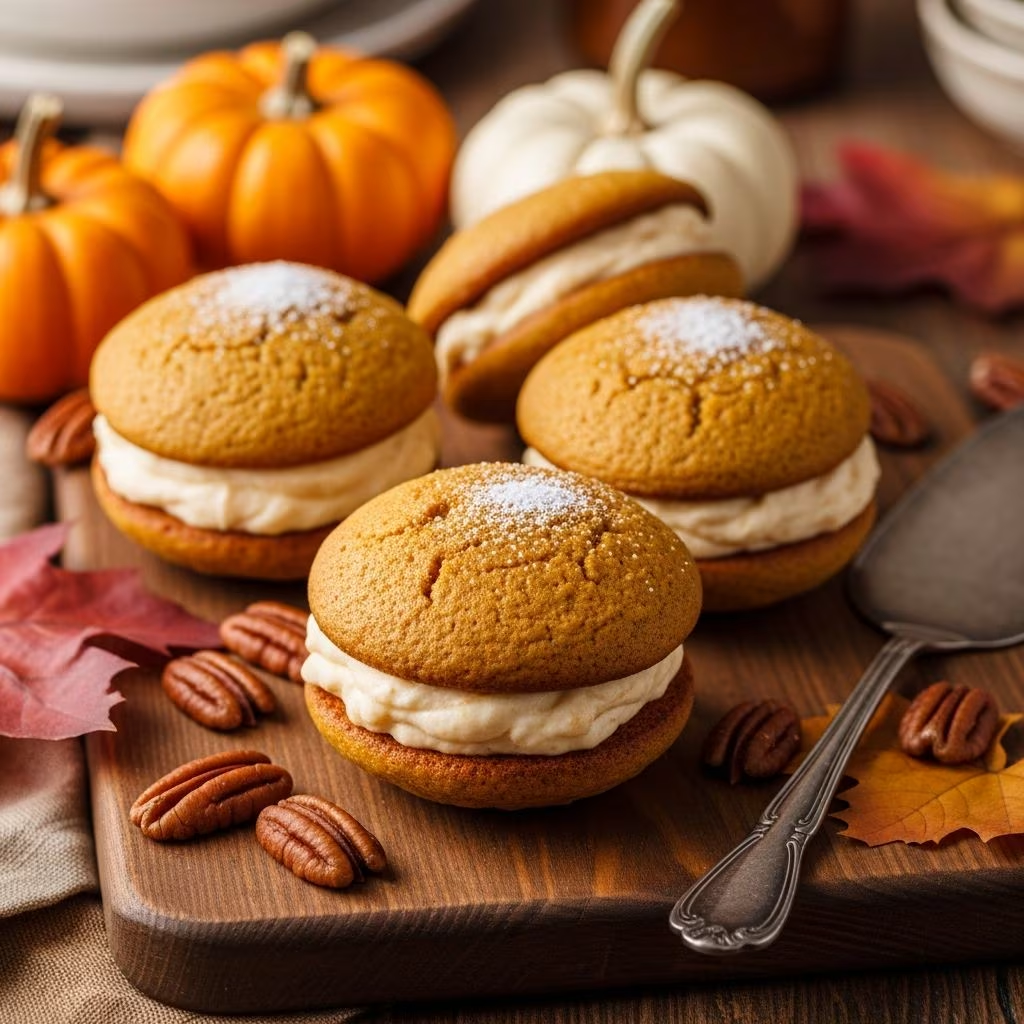
A whoopie pie is fundamentally a sandwich dessert consisting of two soft, cake-like cookies with a creamy filling nestled between them. The structure differs from traditional cookies in several important ways. Rather than being thin and crispy, whoopie pie cookies are notably thicker, more moist, and possess a tender crumb that resembles cake more closely than a conventional cookie.
The pumpkin variety maintains this characteristic texture while incorporating pumpkin puree as a primary wet ingredient. This addition contributes not only flavor but also moisture and structure to the batter. The filling, typically a cream cheese-based frosting, provides a contrasting element that balances the spiced cookie component, creating a harmonious flavor profile.
Essential Ingredients for Success
Creating exceptional pumpkin whoopie pies begins with understanding each ingredient’s role in the final product. The combination of dry and wet components must be precisely balanced to achieve the desired texture and flavor.
Dry Ingredients
- All-purpose flour forms the structural foundation of the cookies, creating the soft, cake-like crumb that distinguishes whoopie pies from traditional cookies.
- Baking soda and baking powder work together to provide lift and rise, resulting in cookies that are light rather than dense.
- Kosher salt enhances overall flavor complexity by balancing sweetness and intensifying the spice notes.
- Cinnamon, nutmeg, ginger, and cloves create the warm spice profile characteristic of fall baking, with each spice contributing distinct aromatic qualities.
Wet Ingredients
- Pumpkin puree serves as the primary moisture source and flavor driver, contributing both the distinctive pumpkin taste and tender crumb.
- Butter or oil provides richness and ensures proper cookie texture; many recipes use oil for particularly moist results.
- Eggs bind ingredients together and contribute to the cake-like structure.
- Brown and granulated sugars add sweetness while brown sugar contributes moisture and subtle molasses notes.
- Vanilla extract enhances overall flavor depth without being overtly apparent.
Crafting the Perfect Cookie Base
The process of creating whoopie pie cookies differs from standard cookie preparation in several critical ways. Success depends on following a logical sequence and understanding why each step matters.
Preparation Phase
Begin by preheating your oven to approximately 350 degrees Fahrenheit, allowing it to reach the proper temperature before baking. Line your baking sheets with parchment paper or silicone mats to prevent sticking and ensure even browning. This step prevents the cookies from spreading unevenly and burning on the bottoms.
Mixing Methodology
Combine all dry ingredients—flour, baking soda, baking powder, spices, and salt—in one bowl and whisk thoroughly. This distribution of leavening agents and spices ensures even flavor and rise throughout each cookie. In a separate bowl, cream together butter (or oil) with both brown and granulated sugars until the mixture reaches a smooth, light consistency.
Add pumpkin puree, eggs, and vanilla to the sugar mixture, stirring until completely incorporated. The batter should appear creamy and well-combined. Then, gently fold the dry ingredients into the wet mixture using a spatula or wooden spoon. The key here is restraint—overmixing develops gluten, resulting in dense, tough cookies rather than tender ones.
Baking Process
Using a two-tablespoon scoop or cookie scoop, portion the batter onto prepared baking sheets, spacing the cookies about two inches apart to allow for slight expansion. Bake for 10 to 12 minutes, or until the cookies spring back lightly when touched and the edges appear set while centers remain slightly soft. The cookies will continue setting as they cool, so removing them slightly before they appear completely done prevents overbaking.
Allow cookies to cool completely on the baking sheet before handling. This ensures they maintain their structure and don’t crumble when filled.
Developing the Filling
The frosting transforms whoopie pies from simple baked goods into indulgent treats. Several filling options exist, though cream cheese-based frostings remain most traditional and popular.
Classic Cream Cheese Frosting
Begin with softened cream cheese and butter at room temperature. Beat these together until smooth and creamy, approximately two minutes of mixing. Add powdered sugar gradually, continuing to beat until the frosting reaches a spreadable consistency without lumps. Vanilla extract and a pinch of salt enhance the frosting’s flavor profile.
Brown Butter Variation
For deeper, more sophisticated flavor, some recipes employ browned butter in the frosting. To brown butter, melt it in a saucepan over medium heat, stirring occasionally until it turns golden brown with a nutty aroma. Allow it to cool completely before adding to the frosting base. This variation adds complexity and richness that complements the pumpkin spices exceptionally well.
Maple-Infused Option
A subtle maple extract addition to the cream cheese frosting creates additional autumn dimension. This variation works particularly well for Thanksgiving gatherings or when serving alongside traditional fall beverages like apple cider.
Assembly and Presentation
Once cookies are completely cool and frosting is prepared, assembly becomes straightforward. Spread or pipe approximately two tablespoons of frosting onto the flat side of half the cookies. Top each frosted cookie with a second cookie, flat side down, pressing gently to distribute the filling evenly.
For enhanced visual appeal and added flavor, coat the frosting edges with finely chopped nuts, sprinkles, or pumpkin pie spice sugar. Some bakers prefer dusting the completed whoopie pies with powdered sugar, creating an elegant, snow-like appearance suitable for gift-giving or special occasions.
Storage and Longevity
Properly stored pumpkin whoopie pies maintain excellent quality for several days. Keep them in an airtight container at room temperature for up to four days. For extended storage, refrigerate the assembled whoopie pies for up to one week, or freeze them for up to three months. Many bakers prefer serving them at room temperature or slightly chilled, as this showcases both cookie texture and frosting creaminess.
Common Challenges and Solutions
| Challenge | Solution |
|---|---|
| Dense, heavy cookies | Avoid overmixing the batter; use proper leavening amounts; ensure oven is preheated |
| Cookies spreading too thin | Use thicker batter consistency; chill dough before scooping; check oven temperature accuracy |
| Frosting too soft or runny | Ensure cream cheese and butter are room temperature; reduce powdered sugar if needed; refrigerate before use |
| Uneven browning | Rotate baking sheet halfway through; use parchment paper or silicone mats; check oven temperature with thermometer |
| Cookies too dry | Don’t overbake; use oil instead of butter for added moisture; store in airtight container immediately after cooling |
Variations to Explore
While the classic pumpkin whoopie pie remains beloved, creative variations offer exciting opportunities for experimentation. Consider incorporating white chocolate chips into the cookie dough for added richness. Some bakers add a touch of cream cheese directly to the cookie batter for subtle tang that complements the pumpkin spices.
For chocolate lovers, substituting a portion of flour with cocoa powder creates pumpkin-chocolate hybrid cookies with sophisticated flavor complexity. Alternatively, experiment with different frosting flavors such as salted caramel, cinnamon cream cheese, or even a light mascarpone variation.
Seasonal and Occasion-Based Applications
Pumpkin whoopie pies serve multiple purposes throughout the fall season. At Halloween parties, they provide a more refined alternative to traditional candy, appealing to guests of various ages. For Thanksgiving gatherings, they offer a portable dessert option that doesn’t require refrigeration during serving periods.
These treats also make thoughtful homemade gifts when packaged in decorative boxes or wrapped individually in cellophane. Their shelf stability and attractive presentation make them ideal for bake sales, autumn-themed events, and casual entertaining.
Nutritional Considerations
A single pumpkin whoopie pie typically contains 250 to 300 calories, with the majority coming from carbohydrates and fats. The cream cheese filling contributes significant fat content, while pumpkin puree adds beneficial fiber and vitamins A and C. For health-conscious adaptations, bakers might substitute half the regular sugar with alternative sweeteners or reduce frosting quantities.
Frequently Asked Questions
Can pumpkin whoopie pies be made without eggs?
Yes, egg substitutes such as flax eggs (one tablespoon ground flaxseed mixed with three tablespoons water per egg) or applesauce work reasonably well, though the texture may be slightly different. The resulting cookies may be marginally less fluffy but still perfectly acceptable.
What if I don’t have pumpkin pie spice?
Pumpkin pie spice is a blend of cinnamon, nutmeg, ginger, and cloves. You can easily create your own by combining two tablespoons ground cinnamon, one tablespoon ground nutmeg, one tablespoon ground ginger, and one teaspoon ground cloves.
Can the filling be made ahead?
Absolutely. Prepare the frosting up to three days in advance and store it in an airtight container in the refrigerator. Allow it to reach room temperature before filling the cookies for optimal spreadability.
How do I prevent cookies from sticking to the pan?
Always use parchment paper or silicone baking mats. If baked directly on metal sheets without protection, the bottoms often brown too quickly and stick. Additionally, allow cookies to cool on the pan for several minutes before transferring to a wire rack.
Is it possible to make smaller whoopie pies?
Yes, using a one-tablespoon scoop instead of two tablespoons creates miniature whoopie pies. Reduce baking time to 7 to 8 minutes. These smaller versions work wonderfully for gatherings where you want to offer variety without overwhelming portion sizes.
Conclusion
Pumpkin whoopie pies represent the quintessential intersection of fall flavors and beloved baking traditions. Their combination of tender spiced cookies and creamy frosting filling creates a treat that appeals to diverse palates and occasions. Whether prepared for casual family enjoyment or special celebrations, these homemade confections demonstrate that exceptional baked goods don’t require complex techniques or unusual ingredients.
Success with pumpkin whoopie pies depends primarily on understanding basic baking principles, respecting ingredient ratios, and avoiding common pitfalls such as overmixing or overbaking. With practice, bakers develop intuition about achieving ideal texture and flavor balance. The resulting treats reward the modest effort investment with satisfaction that extends far beyond consumption—the process of creating something beautiful and delicious for loved ones enriches both baker and audience alike.
References
- All-Purpose Flour in Baking — King Arthur Baking Company. 2024. https://www.kingarthurbaking.com/learn/guides/types-of-flour
- Pumpkin Nutrition Facts — United States Department of Agriculture (USDA). 2024. https://fdc.nal.usda.gov
- Baking Soda and Baking Powder: What’s the Difference? — America’s Test Kitchen. 2023. https://www.americastestkitchen.com/articles/2143-baking-soda-and-baking-powder
- The Science of Creaming Butter and Sugar — Serious Eats. 2023. https://www.seriouseats.com/why-creaming-butter-and-sugar-makes-cakes-fluffy
- Food Storage Guidelines — United States Department of Agriculture Food Safety and Inspection Service. 2024. https://www.fsis.usda.gov