When autumn arrives and the temperatures begin to drop, many home bakers turn their attention to creating treats that celebrate the season’s signature flavors. Pumpkin-based baked goods have become a staple of fall entertaining and everyday breakfast routines. Among these beloved options, muffins topped with a buttery, cinnamon-spiced crumb mixture represent a perfect balance of simplicity and sophistication. This comprehensive guide explores everything needed to master this classic recipe, from ingredient selection through presentation techniques.
Understanding the Appeal of Pumpkin-Based Baked Goods
The enduring popularity of pumpkin in seasonal baking stems from multiple factors. The ingredient provides natural sweetness, moisture, and a distinctive earthy flavor that complements warm spices beautifully. Pumpkin puree also contributes valuable nutrients, including vitamins and fiber, making these muffins feel slightly more indulgent than ordinary cake-based treats.
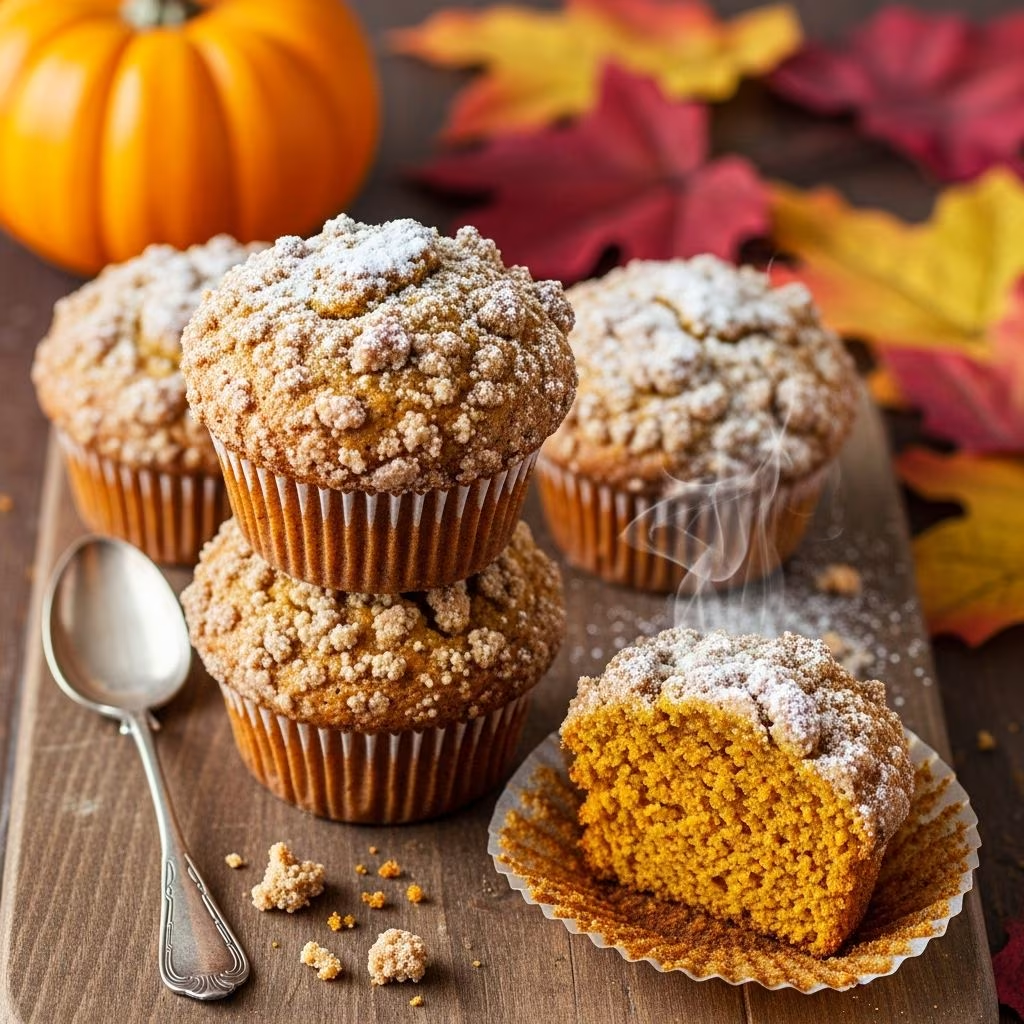
When combined with warming spices such as cinnamon, nutmeg, and ginger, pumpkin creates a flavor profile that many associates with comfort and tradition. The addition of a crunchy topping layer elevates the textural experience, creating contrast between the tender crumb of the muffin and the crispy outer element. This combination of flavors and textures explains why these baked goods remain popular year after year.
Assembling Your Ingredient List
Success in baking depends significantly on using quality ingredients measured accurately. Understanding each component’s role in the final product helps bakers make informed decisions about substitutions or adjustments.
Core Muffin Components
The foundation of excellent pumpkin muffins begins with fundamental baking ingredients. All-purpose flour provides structure, while leavening agents like baking powder and baking soda control rise and texture. Pumpkin puree, preferably made from pure pumpkin rather than sweetened pie filling, delivers the signature flavor and moisture.
Butter, eggs, and milk combine to create richness and tenderness in the finished product. Brown sugar contributes moisture and deeper flavor compared to granulated sugar, while vanilla extract enhances the overall taste complexity. The warming spice blend—typically featuring cinnamon, nutmeg, ginger, and allspice—forms the aromatic backbone of the recipe.
Topping Mixture Elements
The streusel component requires its own distinct set of ingredients. All-purpose flour, brown sugar, cold butter, and complementary spices create the characteristic crumbly texture. Some variations include chopped nuts, such as pecans or walnuts, for additional crunch and flavor depth. The cold butter proves essential; when cut into the dry ingredients, it creates distinct pockets that become crispy during baking rather than disappearing into a uniform paste.
| Ingredient Category | Key Items | Function |
|---|---|---|
| Dry Ingredients | Flour, baking powder, baking soda, salt | Structure and rise |
| Wet Ingredients | Pumpkin puree, eggs, butter, milk, vanilla | Moisture and binding |
| Sweeteners | Granulated sugar, brown sugar | Sweetness and texture modification |
| Spices | Cinnamon, nutmeg, ginger, allspice | Seasonal flavor profile |
| Topping Base | Flour, brown sugar, cold butter, cinnamon | Crumbly texture and visual appeal |
Preparing the Streusel Topping
Creating an excellent crumb topping requires attention to technique and temperature. The process begins by combining flour, brown sugar, and complementary spices in a small mixing bowl. Whisking these dry ingredients together ensures even distribution of the spices throughout the mixture.
The most critical step involves incorporating cold, cubed butter into the dry mixture. Using a pastry blender, fork, or fingertips, work the butter into the flour mixture until coarse crumbles form. The goal is to create visible butter pieces dispersed throughout the mixture rather than fully incorporating the butter into a smooth paste. These butter pockets transform during baking, creating the characteristic crispy, crumbly texture.
Many bakers prefer preparing the topping in advance, allowing time for refrigeration. Chilling the streusel mixture for at least 15-30 minutes firms up the butter and helps maintain distinct crumbles during application and baking. This preparation step can be completed hours ahead or even the day before, making this recipe convenient for batch baking or advance planning.
Crafting the Muffin Batter
Combining Dry Ingredients
Begin by preheating the oven and preparing the muffin pan with paper liners. Lining the cups simplifies removal and reduces cleanup time. In a medium mixing bowl, sift or whisk together the flour, baking powder, baking soda, salt, and spice blend. Sifting helps incorporate air and ensures even distribution of leavening agents, contributing to uniform rise and tender crumb structure.
Mixing Wet Components
In a separate large bowl, combine the pumpkin puree, melted butter, eggs, milk, and vanilla extract. Whisking these ingredients vigorously until smooth creates an emulsion that incorporates air and ensures proper hydration of the dry ingredients. This step should continue for 1-2 minutes until the mixture appears uniform and slightly thick.
Once the wet mixture achieves smoothness, add the brown sugar and granulated sugar, whisking again until fully incorporated. The sugar dissolves slightly into the pumpkin mixture, creating additional moisture and contributing to the tender texture of the finished muffins.
Combining Components
The most important principle when combining wet and dry ingredients involves limiting overmixing. Pour the wet ingredients into the bowl containing the dry mixture, then gently fold with a spatula until just incorporated. A few small lumps remaining in the batter actually contribute to tender muffins; overmixing develops gluten, resulting in tough, dense crumb structure instead of the desired tender texture.
Filling and Topping Techniques
Proper application of batter and topping significantly influences the final product’s appearance and eating quality. Using a large cookie scoop or ice cream scoop ensures consistent portion sizes, allowing even baking throughout the batch. Fill each liner approximately two-thirds full, leaving room for the topping and rise.
Distribute the chilled streusel mixture evenly across the tops of the muffins. Use about one tablespoon per muffin, pressing gently to help the topping adhere to the batter. Some bakers prefer reserving additional topping to sprinkle midway through baking, adding more visual appeal and ensuring thorough coverage.
Baking and Temperature Control
Different baking methods produce slightly different results. The conventional approach involves baking at 350°F for approximately 20 minutes, or until a toothpick inserted into the center comes out clean or with just a few moist crumbs. This straightforward method delivers consistently good results.
Some recipes employ a two-temperature approach, beginning at a higher temperature (around 425°F) for 5 minutes before reducing to 350°F for the remainder of baking. This technique creates additional rise and can produce taller, more impressive-looking muffins with a slightly domed top. The higher initial temperature encourages rapid rise before the structure sets.
Regardless of the method chosen, avoid opening the oven door frequently, as temperature fluctuations disrupt the baking process. Most muffins reach doneness between 17-22 minutes of total baking time, though individual ovens vary. Using an oven thermometer ensures accuracy, preventing both underbaking and overbaking.
Cooling and Removal
Removing muffins from the pan at the right moment requires balancing competing needs. If removed immediately after leaving the oven, warm muffins may crumble or stick in the liner. Waiting 5-10 minutes allows the crumb structure to firm slightly while the pan retains enough residual heat to prevent sticking.
After the initial cooling period, turn the pan slightly to loosen the muffins, then invert them onto a clean kitchen towel or wire cooling rack. Placing muffins on their sides on the towel helps maintain rounded tops while allowing air circulation around the entire surface. Complete cooling to room temperature before storing or serving ensures the crumb sets properly and flavors fully develop.
Storage and Make-Ahead Strategies
Properly stored pumpkin muffins maintain quality for several days. Room temperature storage in an airtight container works well for up to three days. For longer storage, freezing provides an excellent option. Wrap cooled muffins individually in plastic wrap or parchment paper, then place in freezer bags. They maintain quality for up to two months when frozen properly.
Thawing frozen muffins at room temperature for 1-2 hours restores them to nearly fresh-baked quality. Alternatively, wrapped muffins can be warmed gently in a low oven before serving. The streusel topping remains crispy even after freezing and thawing, maintaining textural appeal.
Much of the preparation can occur in advance. The streusel topping can be made several days ahead and refrigerated in an airtight container. Dry ingredients can be mixed and stored separately from wet components, then combined shortly before baking. This flexibility makes the recipe ideal for busy schedules or serving guests.
Customization and Variation Ideas
While the classic recipe stands on its own, numerous variations allow creative expression. Adding finely chopped apple or fresh cranberries to the batter introduces textural interest and complementary flavors. Incorporating chopped pecans or walnuts directly into both the batter and streusel topping adds richness and crunch.
The spice blend can be adjusted based on personal preferences or ingredient availability. Adding a touch of black pepper emphasizes the warmth of other spices, while increased ginger creates bolder, more pronounced flavor. Some bakers incorporate a small amount of molasses for deeper, more complex sweetness.
Topping variations might include maple-flavored streusel, brown butter components for nuttier flavor, or the addition of caramelized sugar for extra sweetness and crispness. Drizzling baked muffins with maple glaze, cream cheese frosting, or simple icing provides additional flavor dimensions and visual presentation appeal.
Troubleshooting Common Challenges
Understanding potential problems helps bakers identify and correct issues. Dense, heavy muffins often result from overmixing the batter or using expired leavening agents. Ensuring baking powder and baking soda haven’t passed their expiration date and mixing gently only until combined prevents this problem.
Dry muffins may indicate overbaking or oven temperature that runs hot. Using an oven thermometer and checking doneness slightly before the recipe time helps prevent overdrying. If muffins consistently come out dry, slightly increasing the amount of oil or butter in the batter compensates for moisture loss.
Uneven baking across the batch sometimes occurs due to hot spots in the oven or crowded pan positioning. Rotating the muffin pan halfway through baking encourages even browning and rise. Ensuring adequate space around the pan allows hot air circulation.
If the topping doesn’t brown adequately or remains pale, the oven temperature might run cool, or the baking time may be insufficient. Conversely, if the topping browns too quickly before the muffin interior bakes through, tent the pan loosely with aluminum foil during the latter portion of baking to slow topping browning while allowing the muffin to continue cooking.
Serving and Presentation
These muffins shine when presented with thought to visual appeal and accompaniments. Serving at room temperature showcases the tender crumb and crispy topping combination. Warm muffins accompanied by butter, cream cheese, or a drizzle of honey create indulgent breakfast or brunch presentations.
For entertaining, arrange muffins in a decorative basket lined with cloth or parchment paper. Dust lightly with cinnamon or powdered sugar for enhanced visual appeal. Grouping muffins by size creates a more polished presentation than random arrangements.
These treats pair beautifully with morning beverages including coffee, hot tea, or spiced hot chocolate. For afternoon occasions, serving alongside apple cider or pumpkin-spiced beverages reinforces the seasonal theme. Pairing with fresh fruit like berries or sliced apples provides nutritional balance and complementary flavors.
Frequently Asked Questions
Can I use fresh pumpkin instead of canned puree?
Yes, fresh pumpkin puree can substitute for canned varieties. Roast fresh sugar pumpkins, puree the cooked flesh, and strain through cheesecloth to remove excess moisture. The texture should match canned puree—thick and smooth without excess liquid. Homemade versions may require slight ingredient adjustments due to varying moisture content.
What’s the difference between pumpkin pie spice and individual spices?
Pumpkin pie spice is a pre-blended mixture combining cinnamon, nutmeg, ginger, and allspice in proportions optimized for pumpkin applications. Using individual spices allows customization of the flavor profile. Most recipes can use either approach; pre-blended spice offers convenience, while individual spices provide greater control.
How do I prevent the streusel from sliding off during baking?
Pressing the streusel gently into the muffin batter before baking helps it adhere. Ensuring the batter surface isn’t too wet also improves adhesion. Some bakers lightly dampen their fingertips before pressing the topping, creating better contact between topping and batter.
Can these muffins be made in mini or jumbo muffin pans?
Yes, adjusting pan size requires baking time modifications. Mini muffins typically bake in 12-15 minutes, while jumbo versions may require 25-30 minutes. Monitor them carefully, checking for doneness using the toothpick method. The recipe ingredients remain unchanged; only the baking time varies.
Is it necessary to sift the flour?
Sifting improves results by aerating the flour and ensuring even distribution of dry ingredients, but it isn’t strictly necessary. Vigorous whisking of dry ingredients achieves similar benefits. Unsifted flour may produce slightly denser muffins but remains acceptable if other technique elements are properly executed.
References
- Baking Science and Technology — American Association of Cereal Chemists International. 2020. https://www.aaccnet.org/
- Pumpkin: Botanical Classification and Nutritional Composition — USDA Agricultural Research Service. 2024. https://www.ars.usda.gov/
- Food Chemistry: Pumpkin Puree and Culinary Applications — Institute of Food Technologists. 2023. https://www.ift.org/
- Home Baking: Techniques and Best Practices — Culinary Institute of America. 2023. https://www.ciachef.edu/
- Professional Baking Standards and Food Safety — Food and Drug Administration. 2024. https://www.fda.gov/food