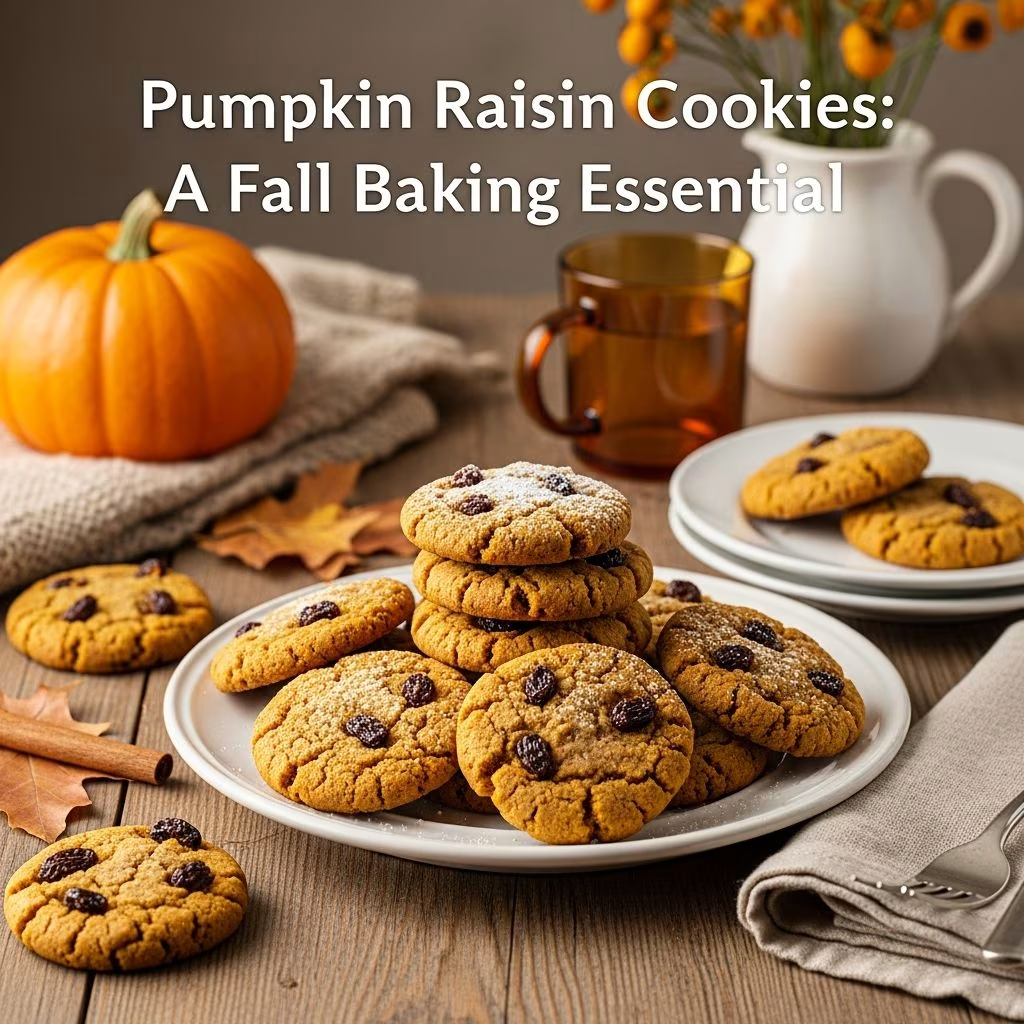
When autumn arrives, bakers reach for recipes that capture the essence of the season. Pumpkin raisin cookies represent one of the most beloved choices for fall desserts, offering a delightful combination of flavors that evoke cozy evenings and harvest celebrations. These cookies deliver a perfect balance of moisture and texture while incorporating the natural sweetness of raisins and the warming spices that define seasonal baking.
The appeal of pumpkin raisin cookies extends beyond their nostalgic charm. They provide a practical baking solution for those seeking to reduce refined sugar consumption while still enjoying dessert, as pumpkin puree contributes natural moisture and subtle sweetness. The inclusion of raisins adds chewy texture and bursts of concentrated fruit flavor throughout each bite.
Understanding Core Ingredients and Their Roles
Successful pumpkin raisin cookie baking begins with comprehending how each ingredient contributes to the final product. Unlike cookies that rely primarily on butter for richness, pumpkin raisin cookies often incorporate oil as a primary fat source, which creates a different texture profile—typically more cake-like and tender rather than crisp and buttery.
The Foundation: Dry Components
The dry ingredient mixture forms the structural foundation of pumpkin raisin cookies. All-purpose flour provides gluten structure necessary for the cookie to hold together, while baking soda serves as the primary leavening agent, reacting with the acidic pumpkin to create lift and a tender crumb. Many recipes call for both baking soda and baking powder, with baking powder contributing additional lift and a more cake-like texture.
Salt enhances overall flavor perception and balances sweetness, preventing cookies from tasting one-dimensional. The recommended salt content typically ranges from one-quarter to one-half teaspoon per batch, depending on whether additional salted ingredients like nuts are included.
Spice Integration and Flavor Development
The spice profile distinguishes pumpkin raisin cookies from standard sugar cookies. Common spices include:
- Ground cinnamon—the dominant spice, typically measured at one-half to one and one-half teaspoons
- Ground nutmeg—provides warmth and depth, usually one-quarter teaspoon
- Ground ginger—adds subtle heat and complexity, typically one-quarter teaspoon
- Ground cloves—contributes earthy notes, measured conservatively at one-quarter teaspoon
- Ground allspice—offers a blend of warming notes, approximately one-quarter teaspoon
These spices work synergistically to create the characteristic autumn flavor profile. Sifting dry ingredients together before mixing ensures even spice distribution throughout the dough, preventing pockets of overpowering flavor.
Pumpkin Puree: The Star Ingredient
Using pure pumpkin puree rather than pumpkin pie filling remains essential for recipe success. Pumpkin pie filling contains added sugar and spices, which would disrupt the carefully balanced recipe proportions. Pure pumpkin puree contributes one cup of moisture per standard batch, requiring adjustments to leavening agents and flour ratios compared to traditional butter-based cookies.
The water content in pumpkin puree means these cookies will not crisp significantly during baking. Instead, expect a soft, cake-like texture that softens further as cookies age. This characteristic actually benefits long-term storage, as pumpkin raisin cookies remain palatable for several days without becoming rock-hard.
The Role of Raisins and Optional Mix-ins
Raisins provide multiple textural and flavor components. Their natural sugars caramelize slightly during baking, intensifying sweetness. Their chewy texture contrasts with the tender cookie crumb, creating eating satisfaction. Standard recipes call for one to two cups of raisins, with some variations incorporating soaked raisins plumped in warm water or apple juice to enhance juiciness.
Many bakers expand the raisin-and-cookie concept by incorporating chopped nuts (particularly pecans or walnuts), rolled oats for textural interest, or unsweetened coconut for tropical notes. These additions should not exceed one cup combined, as excessive mix-ins can make dough difficult to work with.
Detailed Preparation and Baking Methodology
Mixing Techniques and Order of Operations
The traditional mixing method for pumpkin raisin cookies differs from rich butter cookies. Most recipes employ either the creaming method or the oil-based method:
Creaming Method: Butter and sugars are beaten together until light and fluffy, creating air pockets that contribute to lift. Eggs are added one at a time, followed by pumpkin puree. The dry ingredients are then folded in gently to avoid overworking the gluten.
Oil-Based Method: Oil, pumpkin puree, eggs, and flavorings are whisked together first. The dry ingredients are then stirred in gradually, with minimal mixing to preserve tender texture. This method produces slightly denser, more cake-like cookies with less gluten development.
Regardless of method, the key principle remains: mix wet ingredients until uniform, then fold in dry ingredients until just combined. Overmixing develops excessive gluten, resulting in tough, rubbery cookies rather than tender treats.
Raisin Incorporation and Dough Consistency
Raisins should be folded into the batter after the flour mixture has been fully incorporated. This timing prevents raisin fragments from being ground into the dough during intensive mixing. The resulting dough will appear thick but spreadable—similar in consistency to soft ice cream or thick cake batter.
If dough appears too loose (dripping from a spoon), refrigeration for fifteen to thirty minutes will firm it sufficiently for scooping. Conversely, if dough seems overly stiff or crumbly, incorporating one tablespoon of milk or water at a time will restore proper consistency.
Shaping, Spacing, and Baking Parameters
Pumpkin raisin cookies are portioned using a cookie scoop or rounded tablespoon measure, ensuring uniform sizing and consistent baking times. Cookies should be placed two inches apart on parchment-lined or greased baking sheets, as they spread modestly during baking.
Standard baking temperature ranges from 350 to 375 degrees Fahrenheit, with most recipes recommending 350 degrees for gentler, more even baking. Baking time typically spans twelve to fifteen minutes, though some recipes specify up to twenty minutes depending on cookie size and desired doneness level.
Properly baked pumpkin raisin cookies will appear lightly browned around the edges while remaining soft in the center. A toothpick inserted in the center should emerge with minimal moist crumbs, though slight underbaking is preferable to overbaking with these tender cookies.
Customization and Flavor Enhancement
Creating Glazes and Frostings
While pumpkin raisin cookies are delicious plain, glazes and frostings elevate the presentation and flavor complexity. A simple cinnamon glaze combines powdered sugar with warm water and ground cinnamon, drizzled over cooled cookies for elegant presentation. Cream cheese frosting provides tangy contrast to the sweet cookie base, while brown butter frosting adds nutty depth.
When applying glazes, allow cookies to cool completely before drizzling. This prevents the glaze from running off the cookie surface. For thicker frosting applications, allow it to set for thirty minutes before serving.
Maple and Molasses Variations
Substituting one tablespoon of pure maple syrup for a portion of the sweetener introduces autumnal flavor notes. Similarly, replacing some granulated sugar with molasses creates deeper, more complex spice interactions. These modifications should total no more than fifteen percent of the original sugar content to maintain proper cookie structure.
Texture and Ingredient Adjustments
For crispier cookies, reduce pumpkin puree by one-quarter cup and increase flour by the equivalent amount. For chewier results, under-bake by one to two minutes and store with a slice of bread in the airtight container, which releases moisture that softens cookies over twenty-four hours.
Those preferring oatmeal texture can substitute one-half to three-quarters cup of all-purpose flour with rolled oats. This modification creates nubby texture and extends storage life, as oats absorb moisture more effectively than flour.
Storage, Shelf Life, and Make-Ahead Strategies
Properly stored pumpkin raisin cookies maintain quality for five to seven days at room temperature in an airtight container. The cookie’s natural moisture content actually improves texture slightly over the first two days, as flavors meld and the crumb softens.
For extended storage, pumpkin raisin cookies freeze exceptionally well. Baked cookies can be frozen in airtight containers for up to three months. Alternatively, unbaked dough can be portioned and frozen, then baked directly from frozen (adding two to three minutes to baking time) for fresh cookies on demand.
To revive slightly stale cookies, wrap them individually in foil and warm in a 300-degree oven for five minutes, which rehydrates the crumb and restores tenderness.
Troubleshooting Common Issues
| Issue | Likely Cause | Solution |
|---|---|---|
| Cookies spread excessively | Dough too warm or too much oil | Chill dough before baking; verify oil measurement |
| Cookies bake unevenly | Inconsistent sizing or oven hot spots | Use cookie scoop for uniform portions; rotate baking sheet halfway through |
| Edges burn while centers remain raw | Oven temperature too high | Verify oven temperature with separate thermometer; reduce heat by 25 degrees |
| Cookies taste overly spiced | Excess cinnamon or old spices | Reduce cinnamon to one-quarter teaspoon; purchase fresh spices |
| Cookies lack moisture by day two | Overbaked or insufficient pumpkin | Under-bake by one minute; store with bread slice |
Frequently Asked Questions
Can I substitute fresh pumpkin puree for canned?
Yes, though fresh puree is often wetter than canned. Strain fresh puree through cheesecloth for several hours to remove excess liquid, or increase flour by two tablespoons per cup of puree used.
What if I don’t have ground spices and only whole spices?
Whole spices will not distribute evenly throughout cookies, creating unpleasant bites. Invest in pre-ground spices, or grind whole spices using a dedicated spice grinder or clean coffee grinder.
Can these cookies be made dairy-free?
Yes. The creaming method versions can use dairy-free butter, while oil-based versions are naturally dairy-free. Ensure all other ingredients, including vanilla extract, meet dietary requirements.
How many cookies does a standard batch yield?
Most recipes yield thirty-six to forty-eight cookies depending on scoop size. A standard number-40 cookie scoop (one and one-half tablespoons) typically produces approximately forty cookies.
Can I add chocolate chips to pumpkin raisin cookies?
Absolutely. Semi-sweet or dark chocolate chips can replace half the raisins or be added alongside raisins. Use high-quality chocolate chips, as they maintain better shape during baking than melting chocolate.
The Enduring Appeal of Pumpkin Raisin Cookies
Pumpkin raisin cookies occupy a unique place in seasonal baking—beloved enough to reappear reliably each fall, yet accommodating enough to support endless personalization. Whether enjoyed as an afternoon treat with tea, packed in children’s lunch boxes, or shared at harvest gatherings, these cookies deliver consistent satisfaction across diverse preferences.
The combination of pumpkin’s subtle earthiness, raisins’ chewy sweetness, and warm spices’ comforting complexity creates a flavor profile that feels nostalgic while remaining contemporary. By understanding ingredient functions and applying proper techniques, any baker can produce cookies worthy of becoming household traditions.
References
- Pumpkin Raisin Cookies with Cinnamon Glaze — Eat Move Make. 2024. https://eatmovemake.com/pumpkin-raisin-cookies/
- Pumpkin Drop Cookies Recipe — Betty Crocker. 2024. https://www.bettycrocker.com/recipes/pumpkin-drop-cookies/0098c652-0203-440c-a15d-97914bc5c591
- Spiced Pumpkin Cookies With Raisins and Nuts — Muy Bueno Blog. 2024. https://muybuenoblog.com/spiced-pumpkin-cookies/
- Pumpkin-Oatmeal Raisin Cookies — LIBBY’S®. 2024. https://www.verybestbaking.com/libbys/recipes/pumpkin-oatmeal-raisin-cookies/
- Pumpkin Spice Oatmeal Raisin Cookies — Mountain Mama Cooks. 2024. https://mountainmamacooks.com/pumpkin-spice-oatmeal-raisin-cookies/