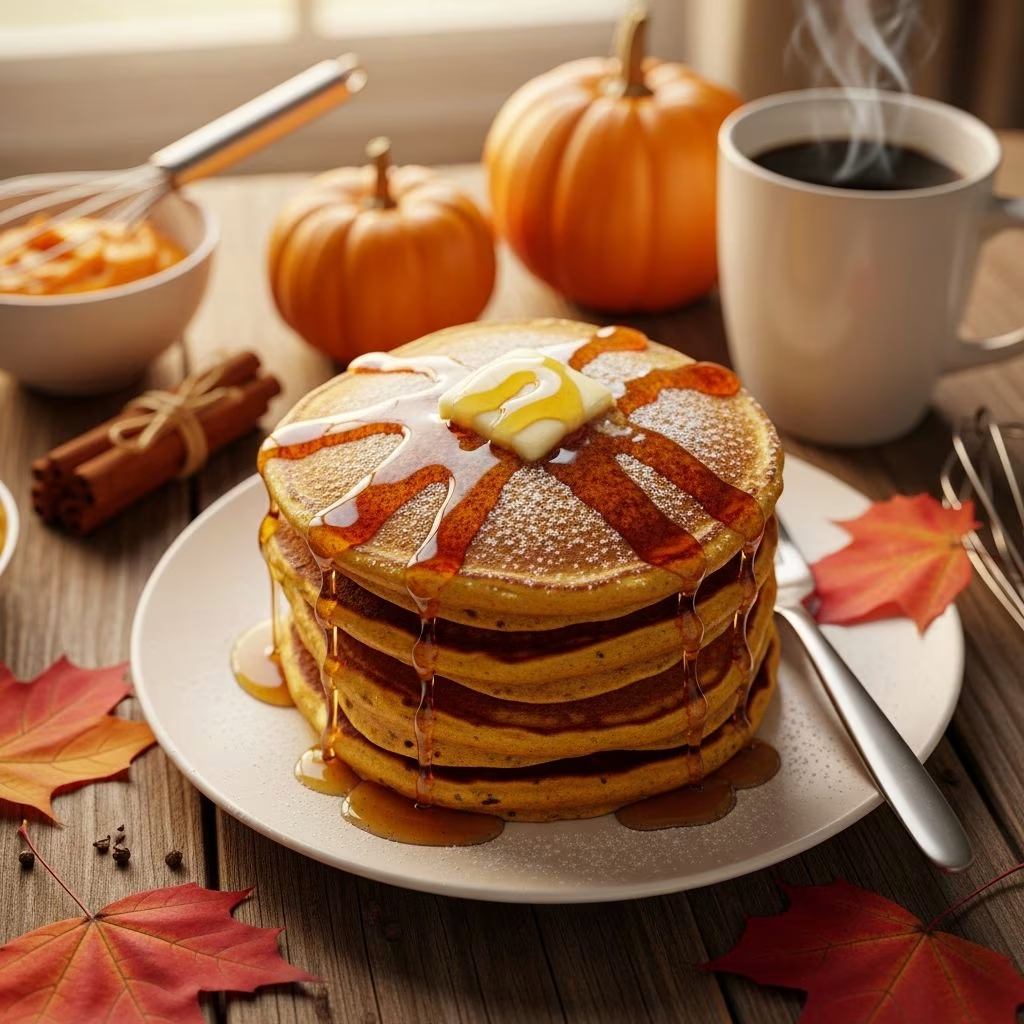
When cooler temperatures arrive and leaves begin to change color, many home cooks find themselves craving breakfast dishes that capture the essence of the season. Pumpkin pancakes represent one of the most satisfying ways to embrace autumn flavors while enjoying a warm, nourishing meal. These pancakes combine the distinctive earthiness of pumpkin puree with the richness of buttermilk and an aromatic blend of warming spices, creating a breakfast experience that feels both indulgent and comforting.
Unlike ordinary pancakes, pumpkin-based versions offer deeper flavor complexity and a naturally moist texture that keeps them from drying out. The inclusion of buttermilk provides a subtle tanginess that balances the sweetness of brown sugar and enhances the overall taste profile. When prepared correctly, these pancakes emerge from the griddle with a golden-brown exterior and a tender, pillowy interior—the hallmark of an exceptionally executed breakfast dish.
Understanding Your Key Ingredients
Creating exceptional pumpkin pancakes begins with understanding what each ingredient contributes to the final result. The foundation of these pancakes relies on quality components that work harmoniously together.
Pumpkin puree serves as the star ingredient, providing both flavor and moisture to the batter. Canned pumpkin puree works beautifully in this application, offering consistent results and convenient preparation. The puree contributes natural sweetness, reduces the need for added sugar, and creates the characteristic vibrant color associated with autumn breakfast dishes.
Buttermilk plays a chemical role beyond its tangy flavor contribution. When combined with baking soda, buttermilk undergoes a reaction that produces carbon dioxide bubbles, resulting in superior lift and texture. The acidity in buttermilk also tenderizes the pancake structure, preventing dense, rubbery results. For those without buttermilk on hand, combining regular milk with vinegar or lemon juice creates an acceptable substitute.
Leavening agents deserve careful attention. Most pumpkin pancake recipes employ both baking powder and baking soda, which seems redundant but serves distinct purposes. Baking soda reacts immediately with acidic buttermilk, while baking powder provides additional rise during cooking. This dual approach ensures maximum fluffiness and lift.
Spices define the autumn character of these pancakes. Cinnamon provides warmth and complexity, nutmeg adds subtle sweetness with earthy undertones, and allspice or cloves contribute depth and sophistication. Rather than using individual spices, some cooks prefer pumpkin pie spice blends, which combine these flavors in proportions designed specifically for pumpkin applications.
Building Your Batter with Precision
The technique for combining ingredients directly impacts the final texture and success of your pumpkin pancakes. Unlike other baking applications where precise mixing matters, pancake preparation requires restraint.
Wet Ingredient Preparation
Begin by gathering your wet ingredients in a large mixing bowl. Combine eggs, pumpkin puree, buttermilk, melted butter, and vanilla extract. The melted butter should cool slightly before mixing—adding hot butter can alter the texture of eggs. Whisk these components together until they form a cohesive mixture with no visible streaks of pumpkin puree. This step ensures even distribution of flavor throughout the batter.
Dry Ingredient Assembly
In a separate medium-sized bowl, combine all dry ingredients: all-purpose flour, brown sugar, baking powder, baking soda, salt, and your chosen spices. Whisking these ingredients together prevents lumps of baking soda or baking powder from creating unpleasant dense pockets in the finished pancakes. Brown sugar, unlike white granulated sugar, adds molasses notes that complement pumpkin and spices beautifully.
The Critical Mixing Stage
Pour the dry mixture over the wet ingredients and fold them together gently. This step determines whether your pancakes will be light and fluffy or dense and heavy. Overmixing develops gluten in the flour, which creates tough pancakes with a chewy, undesirable texture. The goal is to combine ingredients until just incorporated, leaving small lumps of dry ingredients visible. A few lumps will smooth out during cooking, while overmixed batter will not.
After combining, many experienced cooks allow the batter to rest for 3-5 minutes. This resting period permits leavening agents to begin their work, creating tiny air bubbles that contribute to exceptional fluffiness. This simple step, often overlooked by home cooks, produces noticeably superior results.
Cooking Techniques for Optimal Results
The griddle or skillet represents your canvas for pancake perfection. Proper heat management and cooking technique distinguish restaurant-quality pancakes from mediocre results.
Temperature Control
Preheat your cooking surface over medium or medium-low heat, depending on your equipment. A skillet that’s too hot burns the exterior before the interior cooks through, resulting in a dark crust surrounding an undercooked center. Conversely, insufficient heat produces flat, tough pancakes that lack the desired golden-brown appearance. Most successful pumpkin pancake cooks use medium heat as their starting point, adjusting based on initial results.
Surface Preparation
Apply a light coating of butter or non-stick cooking spray to your preheated surface. Some cooks prefer butter for its flavor contribution and the visible browning indicator it provides. Others favor non-stick spray for its more consistent coverage and reduced burning risk. Whichever you choose, ensure even coating across the cooking surface.
Batter Portioning and Cooking
Pour or scoop approximately 1/4 cup of batter onto the prepared surface for each pancake, leaving adequate space between them. The batter will spread and rise as it cooks. Watch for bubble formation on the surface—this indicates the bottom has set sufficiently and the structure is ready for flipping. Once bubbles form and the edges appear slightly dry or matte, slide a spatula underneath and flip the pancake in one confident motion.
Cook the second side for slightly less time than the first side, typically until the bottom achieves a golden-brown color. This asymmetrical cooking time accounts for the fact that the first side receives direct contact with the hot surface, while the second side cooks primarily through residual heat and steam.
Serving and Flavor Enhancement
The manner in which you plate and serve pumpkin pancakes significantly influences the overall dining experience. These pancakes pair beautifully with classic and creative accompaniments.
Traditional Pairings
Warm pure maple syrup represents the quintessential topping for any pancake. Its neutral-yet-complex flavor complements rather than competes with pumpkin and spices. Melting a pat of unsalted butter on top of warm pancakes adds richness and provides a golden sheen.
Whipped cream, whether homemade or store-bought, adds an indulgent element that transforms breakfast into something approaching dessert. The contrast between cool, airy whipped cream and warm pancakes creates an appealing textural and temperature interplay.
Alternative Accompaniments
Pecans or walnuts provide textural contrast and complement autumn spices. A dusting of cinnamon sugar over whipped cream adds visual appeal and concentrated spice notes. Greek yogurt offers a protein-rich alternative to whipped cream, particularly for health-conscious diners. A spoonful of cream cheese mixed with a bit of honey and cinnamon creates an elegant spread that rivals any traditional topping.
Recipe Variations and Adaptations
While the classic pumpkin pancake recipe works beautifully as written, creative cooks often modify the base formula to suit preferences or dietary requirements.
Whole Grain Modifications
Substituting a portion of all-purpose flour with whole wheat flour adds nutty complexity and increased fiber content. A 50/50 blend maintains the light texture while incorporating whole grains, though some pancakes prepared this way require slightly longer cooking times. Almond flour or oat flour can replace 1/4 to 1/3 of the all-purpose flour for additional nutritional value and distinctive flavor.
Spice Adjustments
While pumpkin pie spice represents the standard choice, adventurous cooks can adjust individual spice amounts based on personal preference. Those who favor cinnamon warmth might increase it to 1 full teaspoon. Ginger lovers could substitute ground ginger for nutmeg or increase its presence. Ground cloves should be used judiciously, as their intensity can easily overwhelm other flavors.
Dietary Accommodations
Vegetable oil replaces butter in recipes designed for dairy-free preparation. Egg substitutes, such as flax eggs or commercial egg replacers, can accommodate vegan diets, though results may differ slightly in texture. For gluten-free preparations, specialty flour blends formulated for pancakes work reasonably well, though careful measurement proves essential.
Troubleshooting Common Issues
| Problem | Likely Cause | Solution |
|---|---|---|
| Dense, Heavy Pancakes | Overmixing batter or expired leavening agents | Mix gently until barely combined; check baking powder and baking soda expiration dates |
| Pancakes Won’t Flip Cleanly | Cooking surface too hot or pancakes cooked insufficiently | Reduce heat slightly; wait for additional bubble formation before flipping |
| Burnt Bottom, Raw Center | Excessive heat during cooking | Lower heat to medium; cook slightly longer to allow through cooking |
| Flat Pancakes | Insufficient leavening or old leavening agents | Replace baking powder and baking soda; ensure proper measurements |
| Unpleasant Metallic Taste | Excessive baking soda or using aluminum bowls | Remeasure baking soda carefully; use glass or stainless steel bowls |
Frequently Asked Questions
Can I make pumpkin pancake batter in advance?
Preparing batter several hours ahead is possible, though texture may be slightly affected. The leavening agents will begin working during storage, potentially reducing fluffiness. For best results, prepare the dry and wet ingredients separately and combine them shortly before cooking. Prepared batter can sit for up to 30 minutes before cooking with acceptable results.
What if I don’t have buttermilk?
Combine regular milk with either vinegar or fresh lemon juice using a 1:1 ratio by volume. Allow the mixture to sit for 5-10 minutes before using, giving the acid time to curdle the milk and create the desired tangy flavor profile. Alternatively, plain yogurt thinned with a small amount of water provides similar results.
How should I store leftover pancakes?
Cool completely, then layer pancakes between parchment paper and store in an airtight container in the refrigerator for up to five days. For longer storage, freeze pancakes in a freezer bag for up to three months. Reheat frozen pancakes in a toaster or low-temperature oven, which preserves texture better than microwave reheating.
Can I reduce the sugar content?
Brown sugar can be reduced slightly, though this affects both sweetness and texture. Pumpkin puree already contributes natural sugars, so reducing added sugar by one-quarter typically produces acceptable results without dramatically altering the pancakes’ character. Avoid eliminating sugar entirely, as it serves structural purposes beyond providing sweetness.
Why are some of my pancakes thin and some thick?
Batter thickness variation results from uneven griddle temperature or inconsistent batter portioning. Ensure your cooking surface reaches consistent temperature before beginning. Use a 1/4-cup measure or scoop for consistent batter amounts, which produces uniform pancake sizes and thicknesses across batches.
Conclusion: Mastering the Autumn Breakfast Essential
Pumpkin pancakes represent far more than a seasonal trend—they embody the comfort and satisfaction that makes breakfast a cherished meal. By understanding the role of each ingredient, respecting proper mixing techniques, and applying consistent cooking methods, any home cook can consistently produce exceptional results. The combination of pumpkin puree, buttermilk, and warming spices creates a flavor profile that feels both nostalgic and contemporary, appropriate for casual family breakfasts or special morning celebrations. With practice and attention to the techniques outlined here, you’ll develop the confidence to modify recipes, troubleshoot problems, and perhaps even create your own pumpkin pancake variations. The next time autumn arrives, these pancakes will provide the perfect vehicle for celebrating the season’s distinctive flavors and creating memorable meals around your table.
References
- Buttermilk in Baking: The Science Behind Leavening — University of Minnesota Extension. 2024. https://extension.umn.edu/nutrition-food-safety/baking-science
- Pumpkin Puree Nutrition and Culinary Applications — USDA Agricultural Research Service. 2023. https://www.ars.usda.gov/
- Food Science: The Maillard Reaction in Cooking — Institute of Food Technologists. 2025. https://www.ift.org/
- Spice Flavor Profiles and Culinary Pairing Principles — Culinary Institute of America. 2024. https://www.ciachef.edu/