Understanding the Dutch Baby Phenomenon
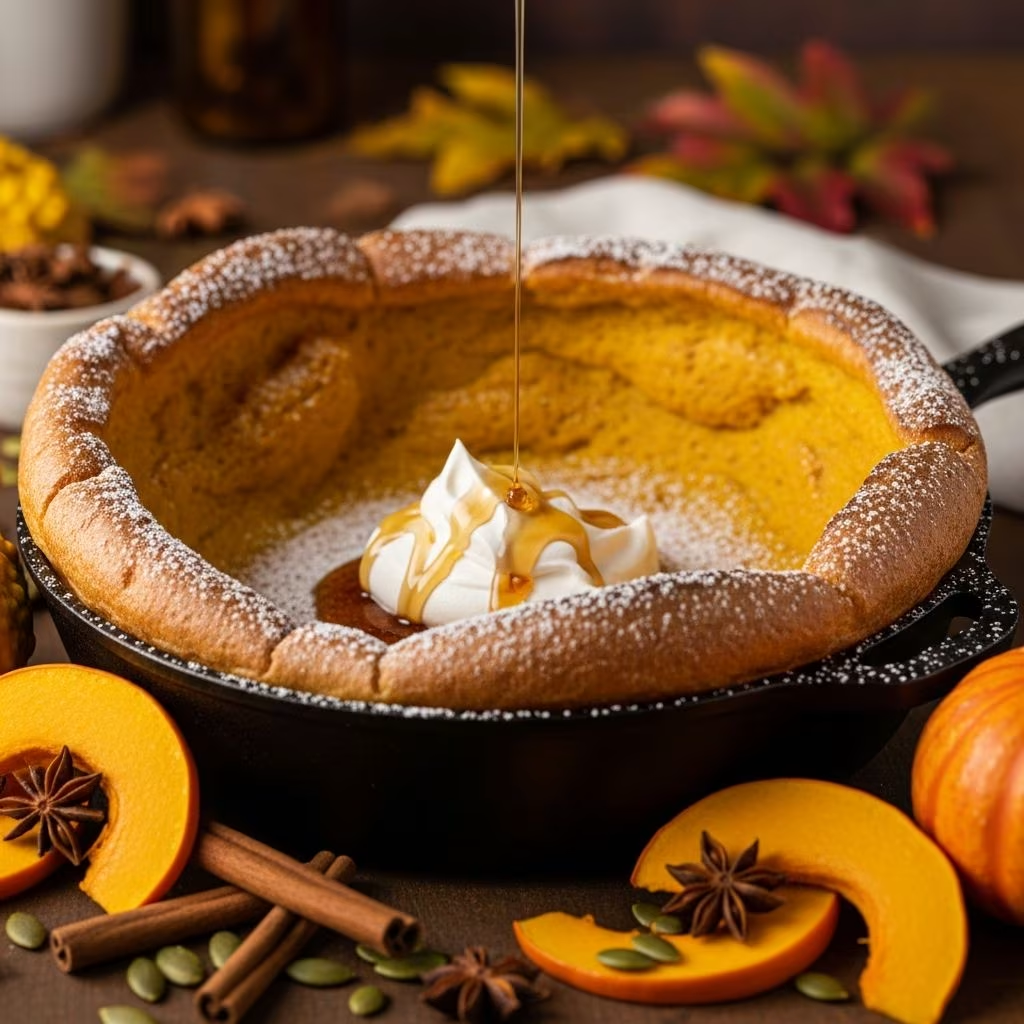
A Dutch baby, also known as a German pancake or oven pancake, represents a distinctive category of breakfast pastry that challenges conventional cooking methods. Rather than relying on stovetop preparation, this impressive creation emerges from the controlled heat of an oven, developing its characteristic puffy, golden exterior and custardy center. The origin of this dish traces back to German culinary traditions, where home cooks discovered that batter baked in a hot skillet produces dramatically different results compared to traditional pan-frying techniques.
When autumn arrives, creative cooks transform this classic preparation by incorporating pumpkin purée and warm spices, creating a festive variation that captures the essence of fall. The beauty of this approach lies in its simplicity—the combination of fundamental baking ingredients develops into an elegant dish suitable for both casual family breakfasts and impressive brunch gatherings.
The Science Behind the Puff
The dramatic rise of a Dutch baby during baking occurs through a fascinating interplay of heat, moisture, and protein structure. When batter containing eggs meets the intense heat of a preheated cast iron skillet, the moisture rapidly converts to steam. Simultaneously, egg proteins denature and coagulate, creating a framework that traps this steam and prevents the batter from collapsing.
The bottom and edges of the pancake brown rapidly as they contact the hot metal surface, creating a crispy exterior that contrasts beautifully with the tender, custardy interior. Temperature precision proves critical—too cool, and the pancake fails to rise; too hot, and the exterior burns before the interior cooks through. Most recipes recommend preheating the oven to between 400 and 425 degrees Fahrenheit, with careful attention to the initial 15-25 minute baking window.
Essential Ingredients and Their Functions
Creating a successful pumpkin Dutch baby requires understanding how each ingredient contributes to the final result. The basic batter formula remains relatively consistent across variations, though proportions may shift depending on desired texture and flavor intensity.
The Batter Foundation
Eggs serve as the primary structure builder, providing protein that enables rising and setting. Most recipes incorporate three to four large eggs, though some variations use additional eggs for increased richness. Milk contributes moisture and creates the custardy texture that develops during baking. Both whole milk and dairy alternatives like almond milk work effectively, with some cooks preferring heavy cream for enhanced decadence.
All-purpose flour provides structure and enables batter formation, typically ranging from one-half to three-quarters cup per batch. Some adventurous cooks experiment with gluten-free flour blends or specialty flours, achieving comparable results through careful ingredient balancing.
Pumpkin and Spice Integration
Pumpkin purée introduces the signature autumn flavor while contributing moisture and a subtle sweetness to the batter. Typically, one-quarter to one-third cup of pumpkin purée per batch proves adequate, with stronger pumpkin preferences potentially increasing this proportion. Pure pumpkin purée works best; canned pumpkin pie filling contains added sugar and spices that may complicate flavor balance.
Pumpkin pie spice blends multiple complementary flavors—cinnamon, nutmeg, clove, and ginger—creating complexity that distinguishes this variation from standard Dutch babies. Most recipes incorporate one teaspoon, though individual preference for spice intensity may warrant adjustment. Additional cinnamon sometimes appears as a secondary seasoning, emphasizing warmth and familiarity.
Sweetening and Seasoning
Brown sugar and maple syrup contribute sweetness while adding depth through their distinct flavor profiles. Two tablespoons of brown sugar or maple syrup typically suffices, depending on topping preferences and desired final sweetness. Vanilla extract rounds out flavors with subtle complexity, while salt enhances all flavor components through its interaction with taste receptors.
Equipment Considerations for Success
While Dutch babies can bake in various oven-safe vessels, specific equipment choices influence outcomes significantly. Cast iron skillets remain the traditional and highly effective choice, retaining and distributing heat uniformly while developing superior browning. Ten to twelve-inch cast iron pans accommodate standard batter volumes perfectly, producing individual or small-group servings.
Some cooks prefer ceramic ramekins or pumpkin-shaped dishes for presentation purposes, creating individual portions that impress diners before consumption. These smaller vessels require proportionally reduced batter amounts but bake according to the same fundamental principles.
Blenders streamline batter preparation significantly, combining ingredients quickly and incorporating air that promotes rising. Hand mixers and whisking by hand also work effectively, though blender preparation often yields smoother batter with fewer lumps.
Step-by-Step Preparation Process
Preparation and Preheating
Success begins before mixing ingredients. Position an oven rack to the middle position, then place your chosen vessel—typically a preheated cast iron skillet—in a cold oven. Preheat to your target temperature, allowing at least fifteen minutes for the cookware to reach thermal equilibrium. Some recipes recommend heating for twenty minutes or longer to ensure adequate temperature.
Add your chosen cooking fat—usually butter, though some recipes employ canola oil—to the heating vessel. The fat will melt and coat the interior, creating a non-stick surface that facilitates browning and prevents sticking.
Batter Blending and Assembly
While the oven and cookware heat, combine all batter ingredients in your blending vessel. The sequence matters less than thorough mixing, though adding wet ingredients before dry sometimes promotes smoother blending. Process for approximately twenty seconds until the mixture reaches a smooth, frothy consistency without visible lumps.
Carefully remove the preheated skillet from the oven, confirming that the butter has melted completely. Pour the batter into the center of the hot vessel—the dramatic sizzle confirms proper temperature. Immediately return the pan to the oven, resisting the urge to open the door during the critical early baking period.
Baking and Observation
Baking typically requires twenty-five minutes at standard temperatures, though variations between 400 and 425 degrees Fahrenheit may necessitate slight time adjustments. The Dutch baby achieves doneness when the exterior appears puffed and golden brown, typically around the center-to-top portion. Some recipes recommend checking at the twenty-minute mark to assess browning progress, though opening the oven door prematurely risks deflating the rising pancake.
Topping and Serving Strategies
Classic Sweet Accompaniments
Maple syrup represents the quintessential Dutch baby topping, its warm sweetness complementing the autumn spice profile perfectly. A simple drizzle immediately after removal from the oven allows the syrup to warm against the hot pancake surface, creating an integrated flavor experience.
Whipped cream or maple whipped cream adds textural contrast and richness, particularly when dolloped generously across the surface. Some cooks prepare maple-infused mascarpone cheese—combining mascarpone, maple syrup, milk, and pumpkin spice—creating a luxurious topping that melts into the warm pancake.
Creative and Textural Options
Candied pecans and pepitas contribute crunch that balances the soft, custardy center, while their toasted flavor complements pumpkin and warm spices. Pumpkin butter—if available from specialty retailers or homemade preparations—provides concentrated pumpkin flavor with smooth texture.
Fresh fruit additions offer brightness: sliced apples stewed with cinnamon, fresh berries, or sliced bananas all work effectively. Some creative cooks prepare fruit compotes by cooking diced apples or other seasonal fruit with cinnamon until tender, then spooning the warm mixture directly onto the finished Dutch baby.
Variations and Dietary Accommodations
Gluten-Free Adaptations
Gluten-free all-purpose flour blends work effectively in Dutch baby preparation, typically substituting one-to-one for traditional all-purpose flour. Some cooks report that specialty flours like einkorn require slight batter adjustment to achieve ideal consistency, possibly necessitating minor liquid or flour ratio modifications.
Dairy-Free Modifications
Plant-based milk options including almond milk substitute readily for dairy milk in standard pumpkin Dutch baby recipes. Dairy-free butter alternatives also work effectively when preheated and used according to standard protocols. Vegan preparations would require egg substitutes—a more complex modification that falls outside typical Dutch baby preparation.
Sourdough and Alternative Grain Variations
Some adventurous bakers incorporate sourdough discard into pumpkin Dutch baby batter, creating tanginess that contrasts with sweet spice flavors. Oat flour variations offer whole grain nutrition while maintaining the characteristic puffed texture and custardy center.
Frequently Asked Questions
Why didn’t my Dutch baby rise?
Inadequate oven temperature remains the most common cause of a flat or minimally puffed result. Ensure your oven reaches full temperature before introducing the batter, and verify that your cookware heats thoroughly—at least fifteen minutes of preheating typically ensures success.
Can I prepare batter ahead of time?
Yes, batter can be mixed several hours in advance and refrigerated until ready to bake. However, the batter may lose some leavening power and incorporated air, potentially resulting in slightly less impressive rise. Blending fresh batter immediately before baking optimizes results.
What pan size works best?
Standard recipes accommodate ten to twelve-inch cast iron skillets perfectly, producing appropriately portioned results. Smaller ramekins require proportionally reduced batter amounts, while larger vessels may require increased quantities and slightly extended baking times.
Is a Dutch baby considered breakfast or dessert?
The pumpkin Dutch baby successfully functions as both. Served at breakfast or brunch with modest toppings, it provides a distinctive morning option. With generous servings of whipped cream, ice cream, or maple mascarpone, it transforms into an elegant autumn dessert.
Making Pumpkin Dutch Babies for Gatherings
The impressive presentation and relatively hands-off baking make pumpkin Dutch babies ideal for entertaining. Prepare batter ahead, heat your cookware, then bake immediately before guests arrive. The dramatic emergence from the oven captivates observers and generates conversation about this unfamiliar preparation method.
For larger gatherings, baking multiple skillets sequentially works effectively, as each batch requires only twenty-five minutes of oven time. Alternatively, individual ramekins allow simultaneous baking of multiple portions, each serving as an impressive individual presentation.
Troubleshooting Common Issues
Excessive browning on the edges while the center remains underdone suggests oven temperature that’s too high; reduce by 25 degrees and extend baking time slightly. Conversely, pale, underbaked results indicate insufficient temperature—verify oven accuracy with a thermometer and ensure adequate preheating time.
A Dutch baby that collapses immediately after removal from the oven typically results from temperature shock. Serve directly from the oven in the same skillet when possible, or transfer carefully to a serving plate immediately after removal.
References
- Pumpkin Dutch Baby Recipe — Bonappeteach. Accessed April 2026. https://www.bonappeteach.com/pumpkin-dutch-baby-recipe/
- Pumpkin Spice Dutch Baby with Cinnamon Streusel — Cooking and Beer. October 2015. https://cookingandbeer.com/2015/10/pumpkin-spice-dutch-baby-with-cinnamon-streusel/
- Pumpkin Spice Dutch Baby — The Creative Bite. Accessed April 2026. https://www.thecreativebite.com/pumpkin-spice-dutch-baby/
- Pumpkin Dutch Baby with Maple Mascarpone — How Sweet Eats. October 2023. https://www.howsweeteats.com/2023/10/pumpkin-dutch-baby/
- Sourdough Pumpkin Dutch Baby Recipe (German Pancake) — Simplicity and a Starter. Accessed April 2026. https://simplicityandastarter.com/sourdough-pumpkin-dutch-baby/
- Pumpkin Spice Dutch Baby Pancake — Thyme for Honey. Accessed April 2026. https://thymeforhoney.com/pumpkin-spice-dutch-baby-pancake/