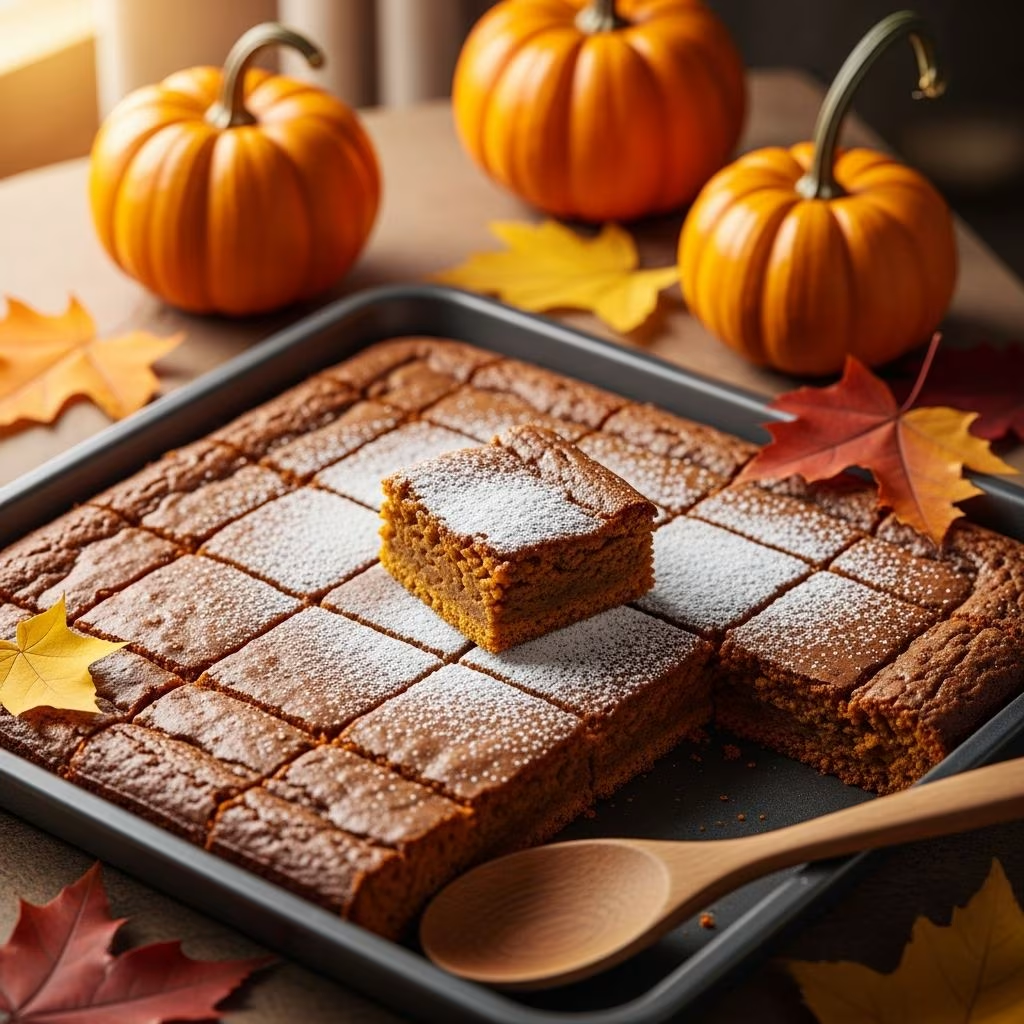
When autumn arrives, the combination of warm spices and rich chocolate becomes irresistible for many home bakers. Pumpkin brownies represent an innovative fusion that transforms traditional chocolate brownies into a seasonal sensation. These desserts capture the essence of fall while maintaining the fudgy, satisfying qualities that make brownies beloved year-round. Whether you prefer quick shortcuts using store-bought mixes or elaborate from-scratch creations, pumpkin brownies offer flexibility to suit any skill level or time constraint.
Understanding the Foundation: What Makes Pumpkin Brownies Special
Pumpkin brownies distinguish themselves through their dual-flavor profile, which contrasts the earthiness of pumpkin and warm spices against the intensity of cocoa and chocolate. The pumpkin component adds moisture and subtle sweetness, creating a tender crumb that differs from traditional brownies. This textural improvement comes from the natural moisture content in pumpkin puree, which allows bakers to achieve fudgy results even with straightforward recipes.
The spice selection plays a crucial role in defining the brownie’s character. Common additions include pumpkin pie spice, cinnamon, cloves, and nutmeg, each contributing distinct aromatic notes. These warm spices complement both the pumpkin and chocolate elements, creating a cohesive flavor experience that resonates with autumn sensibilities.
Building Block Ingredients: What You Need to Know
Creating successful pumpkin brownies requires understanding each ingredient’s function and importance. Here are the essential components:
- Pumpkin Puree: Always use pure pumpkin puree rather than pumpkin pie filling, which contains added sugars and spices that can throw off recipe balance. Canned options work excellently and are widely available during fall months.
- Chocolate Base: Recipes vary between using cocoa powder, melted chocolate, or chocolate chips. Brown butter enhances the chocolate’s depth with a nutty, complex flavor.
- Flour and Leavening: All-purpose flour combined with baking powder creates structure, while some bakers omit flour entirely for flourless versions that yield ultra-fudgy textures[10].
- Binding Agents: Eggs provide structure and richness, while alternative recipes utilize nut butters for binding without traditional egg involvement.
- Sweeteners: Sugar and maple syrup both work, with maple syrup offering subtle complexity and additional moisture[10].
The Three-Method Approach: Building Your Brownie
Method One: The Shortcut Approach Using Box Mix
For bakers prioritizing speed without sacrificing quality, combining boxed brownie mix with pumpkin puree creates surprisingly delicious results. This method requires only two primary ingredients: a standard brownie mix box and a can of pumpkin puree. The pumpkin replaces some of the liquid called for in the package directions, replacing water or oil to varying degrees.
The mechanics of this approach work because pumpkin provides both moisture and binding power, resulting in exceptionally moist, fudgy brownies with minimal effort. Optional enhancements include chocolate chips, nuts, and spices mixed into the batter before baking. The brownie mix serves as a reliable flavor and texture foundation, while the pumpkin elevates the finished product beyond what either ingredient could achieve independently.
Method Two: The Layered Swirl Technique
Creating visual drama and flavor complexity involves preparing two distinct batters that layer and swirl together. This approach requires preparing a chocolate brownie batter and a separate pumpkin mixture, then strategically combining them in the baking pan.
The process begins by dividing a base batter in half. One portion receives cocoa powder and chocolate chips for the chocolate component, while the other incorporates pumpkin puree and spices. Careful layering ensures visual appeal: spread half the chocolate batter across the baking pan’s bottom, add all the pumpkin mixture, then distribute remaining chocolate batter in dollops across the top. Using a knife to gently drag through these layers creates the characteristic marbled appearance while distributing flavors throughout.
This method’s success depends on batter consistency. If batters are too thick, swirling becomes difficult and may disrupt layers. If too thin, the distinct layers fail to materialize. Achieving the right consistency requires careful attention during mixing and may require minor liquid adjustments.
Method Three: The From-Scratch Traditional Route
Creating pumpkin brownies entirely from scratch provides maximum control over ingredients, flavors, and textures. This approach begins with creaming butter and sugar, then incorporating eggs and vanilla. Separately, dry ingredients including flour, baking powder, and salt combine before mixing into the wet mixture.
Brown butter elevates this method by adding nutty complexity that enhances the chocolate component. The browning process involves melting butter over medium heat, stirring occasionally until solids darken to a hazelnut color. This transformed butter brings depth impossible to achieve with standard melted butter.
Once the base batter reaches proper consistency, the splitting and flavoring process mirrors the layered method. Half receives cocoa powder and chocolate chips, while the other half incorporates pumpkin, oil, and spices. The combination of cocoa powder and melted chocolate creates intense chocolate flavor that stands up to the strong pumpkin component.
Texture Variations: From Fudgy to Cakey
Pumpkin brownies accommodate different texture preferences through ingredient adjustments and baking time management. Fudgy brownies result from reduced flour content, slightly underbaking, and incorporating pumpkin’s moisture for dense, almost gooey centers. Chewy brownies balance fudgy and cakey characteristics through standard flour measurements and precise baking until a toothpick inserted into the chocolate portion comes out with moist crumbs.
For those preferring less intense chocolate intensity, flourless versions using nut butters and cocoa powder create ultra-fudgy results with primarily pumpkin and spice flavors. These variations work beautifully for gluten-free baking and provide creative alternatives for traditional bakers seeking novelty.
Baking Parameters and Temperature Management
Most pumpkin brownie recipes bake at 350°F in 8×8 or 9×9 inch pans. Baking time ranges from 40 to 45 minutes, depending on pan size, oven characteristics, and desired doneness level. The toothpick test provides reliable guidance: insert a toothpick into the chocolate portion (not the pumpkin layer) and examine results. A toothpick coming out almost clean with a few moist crumbs indicates perfect doneness.
Understanding your specific oven becomes important since individual ovens vary. Placing the pan on the middle rack ensures even heat distribution. If brownies brown too quickly on the edges while remaining underbaked in the center, tent the surface with aluminum foil during the final 10-15 minutes of baking.
Ingredient Quality Considerations
| Ingredient | Quality Impact | Selection Tips |
|---|---|---|
| Cocoa Powder | Determines chocolate depth and richness | Choose unsweetened Dutch-process for sophisticated flavor |
| Chocolate Chips | Affects texture and chocolate intensity | Select quality brands with minimal additives |
| Pumpkin Puree | Provides moisture and mild sweetness | Use pure puree, not pie filling; fresh is superior but canned works well |
| Butter | Influences brownie richness and structure | Use unsalted butter for flavor control |
| Spices | Creates autumn flavor profile | Use freshly ground spices for maximum aroma and flavor |
Creative Variations and Customizations
While classic pumpkin brownies feature chocolate and pumpkin as primary flavors, numerous creative directions exist. Adding cream cheese to the pumpkin layer creates tanginess that brightens the dessert. Incorporating walnuts, pecans, or other nuts adds textural contrast and complementary flavors.
Bite-sized versions transform pumpkin brownies into elegant appetizers or portion-controlled desserts. These mini brownies bake in significantly less time, making them ideal for entertaining or gift-giving. Healthy variations using almond butter as a primary binder accommodate dietary restrictions while creating naturally fudgy textures.
Storage and Serving Strategies
Properly stored pumpkin brownies maintain quality for several days. Once completely cooled, store in an airtight container at room temperature for up to four days. Refrigeration extends shelf life to one week, while freezing preserves brownies for up to three months. Thaw frozen brownies at room temperature before serving for optimal texture.
Serving suggestions include warm brownies with vanilla ice cream, whipped cream, or cream cheese frosting. The pumpkin spice component pairs wonderfully with coffee or tea, making brownies ideal for afternoon breaks or dessert courses.
Troubleshooting Common Baking Challenges
- Dry Brownies: Reduce baking time by 2-3 minutes, or add an extra tablespoon of vegetable oil to the pumpkin layer.
- Underbaked Center: Increase baking temperature by 10-15°F or extend baking time by 5 minutes, covering with foil if edges brown too quickly.
- Uneven Swirl: Use a thin knife or skewer for gentle dragging motions rather than vigorous stirring, which combines batters rather than creating distinct patterns.
- Sunken Center: Avoid opening oven door during baking; maintain consistent temperature and follow recommended baking times precisely.
- Bland Flavor: Increase spice quantities slightly or substitute portion of vanilla with maple extract for deeper autumn notes.
Frequently Asked Questions
Can I make pumpkin brownies without pumpkin pie spice?
Yes, combine individual spices: cinnamon, nutmeg, cloves, and ginger in similar proportions to standard pumpkin pie spice. This customization allows flavor adjustment to personal preferences.
What substitutes work for eggs in pumpkin brownies?
Applesauce (¼ cup per egg), flax eggs (1 tablespoon ground flax mixed with 3 tablespoons water per egg), or additional pumpkin puree can replace eggs, though texture may differ slightly.
How do I prevent the pumpkin and chocolate layers from mixing excessively?
Ensure chocolate batter reaches proper thickness before adding pumpkin layer. Use a spatula to spread pumpkin mixture gently. Swirl sparingly with minimal knife passes to maintain distinct layers.
Can frozen pumpkin puree replace canned versions?
Frozen pumpkin works identically to canned; thaw completely and drain excess liquid before using to prevent altering batter consistency.
Why are my brownies browning too quickly?
Oven temperature may run hot. Use an oven thermometer to verify actual temperature, and position brownie pan on lower racks. Tent surface with foil after 25 minutes of baking.
References
- Pumpkin Brownies: An Easy Fall Treat — Steph’s Stove by Stephanie Thomas. Accessed 2026. https://www.youtube.com/watch?v=TCvjpl-8KLI
- Pumpkin Swirl Brownies — Self Proclaimed Foodie. Accessed 2026. https://selfproclaimedfoodie.com/pumpkin-swirl-brownies/
- Easy Pumpkin Brownies — Love From The Oven. Accessed 2026. https://www.lovefromtheoven.com/pumpkin-brownies/
- The Ultimate Fall Brownie — Lil’ Luna. Accessed 2026. https://lilluna.com/pumpkin-brownies/
- The Best Pumpkin Brownies (Easy-To-Follow Recipe) — The Real Food Dietitians. Accessed 2026. https://therealfooddietitians.com/pumpkin-brownies/
- Healthy Pumpkin Brownies — Erin Lives Whole. Accessed 2026. https://www.erinliveswhole.com/flourless-pumpkin-brownies/
- Fudgy Pumpkin Brownies (Only 2 Ingredients!) — Cookies and Cups. Accessed 2026. https://cookiesandcups.com/2-ingredient-pumpkin-brownies/