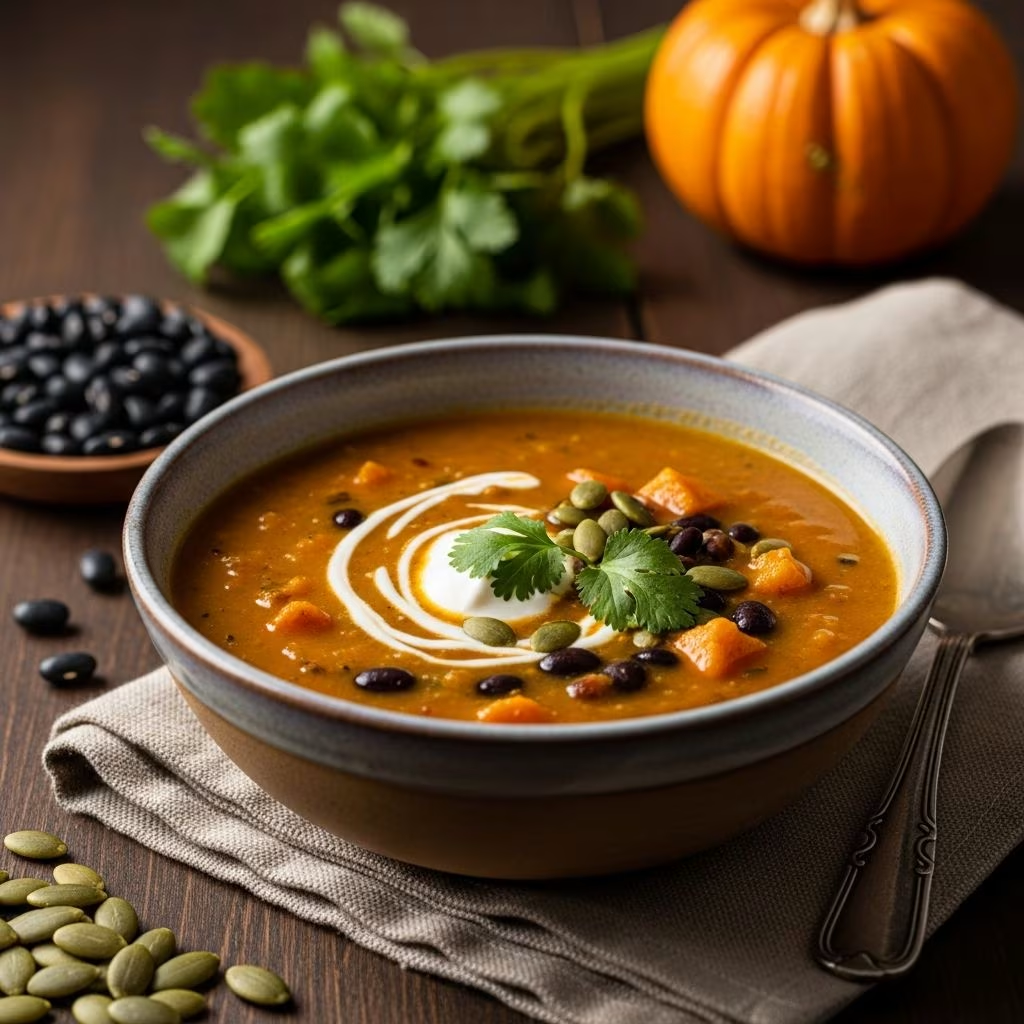
Autumn cooking often calls for warm, comforting dishes that celebrate seasonal ingredients. One such recipe that has gained popularity among home cooks is a harmonious blend of pumpkin and black beans, enhanced with aromatic spices and finishing touches. This soup represents a wonderful intersection of flavors where earthy legumes meet the subtle sweetness of roasted squash, resulting in a bowl that satisfies both nutritionally and emotionally.
Understanding the Flavor Profile
The foundation of this soup lies in its complementary ingredients. Pumpkin provides a creamy base with natural sweetness, while black beans contribute hearty texture and plant-based protein. When combined with sautéed aromatics like onions and garlic, these elements create a complex flavor foundation. The addition of warm spices—such as cumin, chili powder, and other seasonings—elevates the soup beyond simple puree into something with depth and character. The finish with lime juice and cilantro adds brightness, preventing the dish from becoming one-dimensional.
Essential Ingredients and Their Roles
| Ingredient | Quantity | Purpose |
|---|---|---|
| Canned black beans | 2 cans (15.5 oz each) | Protein and texture |
| Canned pumpkin | 1 can (15 oz) | Creamy base and flavor |
| Crushed tomatoes | 14 oz | Acidity and depth |
| Vegetable stock | 2 cups | Liquid and flavor |
| Heavy cream | 1 cup | Richness and smoothness |
| Onion, diced | 1 medium | Aromatic base |
| Garlic, minced | 2-3 cloves | Flavor enhancement |
When selecting ingredients, quality matters. Opt for pure pumpkin puree rather than pumpkin pie filling, which contains added sugars and spices. For beans, rinsing canned varieties removes excess sodium and starch. Fresh or freshly grated garlic outperforms pre-minced versions in terms of flavor intensity.
Step-by-Step Preparation Process
Initial Preparation and Prep Work
Begin by gathering all ingredients and preparing them for cooking. Dice the onion into uniform pieces approximately one-quarter inch in size, ensuring even cooking and consistent texture throughout the soup. Mince fresh garlic cloves finely, or use a microplane for ultra-fine pieces that distribute flavor evenly. If using canned beans, drain them in a colander and rinse thoroughly under cool running water to remove up to forty percent of the sodium content and reduce bloating potential.
Building the Aromatic Base
Heat oil in a large pot over medium heat until it shimmers slightly. Add diced onions and sauté for five to seven minutes, stirring occasionally, until they become translucent and develop a subtle golden color at the edges. This patient approach to cooking onions allows their natural sugars to caramelize slightly, developing deeper flavor compounds. Once the onions reach this stage, add minced garlic along with all dry seasonings—cumin, chili powder, and other chosen spices.
Continue sautéing this aromatic mixture for one to two minutes. This step, often called “blooming” spices, releases essential oils and intensifies their flavors. You should be able to smell the warm, toasted aroma of the spices within this brief window. This technique prevents the finished soup from tasting one-dimensional and ensures the spices are fully integrated rather than gritty or harsh.
Combining and Simmering
Add the rinsed black beans, crushed tomatoes, vegetable stock, and pumpkin puree to the pot. Stir well to combine all ingredients thoroughly, breaking up any clumps of pumpkin that may have formed. Increase the heat to bring the mixture to a boil, watching as the surface bubbles more rapidly and vigorously. Once a rolling boil is achieved, reduce the heat to medium-low and cover the pot with a lid.
Allow the soup to simmer gently for twenty minutes. During this time, the flavors meld together, and the soup thickens slightly as the pumpkin breaks down further. Avoid the temptation to stir frequently; occasional gentle stirring ensures even heat distribution and prevents sticking on the pot bottom, but excessive stirring can break down the beans unnecessarily.
Finishing Touches
After the initial simmering period, stir in the heavy cream gradually to avoid temperature shock or curdling. The cream adds richness and creates a silkier mouthfeel. Simmer uncovered for an additional five minutes to allow the cream to fully incorporate and warm through.
Taste the soup and adjust seasonings as needed. Add fresh lime juice, starting with one tablespoon and adding more to taste. The acidity from lime brightens all the flavors and prevents the soup from tasting flat or overly rich. Top individual bowls with fresh cilantro, which adds aromatic freshness and visual appeal. Serve immediately with tortilla chips on the side for texture contrast.
Timing and Yield Information
- Preparation time: 15 minutes for chopping, measuring, and organizing ingredients
- Cooking time: 25-30 minutes from start to finish
- Total elapsed time: approximately 40-45 minutes
- Servings: 6 generously sized portions, approximately 1.5 cups each
Customization and Variation Options
While the basic recipe provides a solid foundation, numerous adaptations can suit different dietary preferences and ingredient availability. For a vegan version, substitute coconut milk or cashew cream for heavy cream, achieving similar richness without animal products. Those seeking additional protein might incorporate cooked chicken, turkey, or additional beans.
The spice profile can be adjusted based on personal tolerance and preference. Increase cayenne pepper or fresh jalapeños for those who enjoy heat. For more earthiness, add extra cumin or incorporate ground coriander. Some cooks enjoy adding a pinch of cinnamon or nutmeg for subtle warmth, while others include smoked paprika for depth and color.
Texture preferences vary among diners. Some prefer a chunky, rustic soup where beans and vegetables remain distinct. Others enjoy a smoother consistency achieved by blending a portion of the soup before serving. Immersion blenders work well for this purpose, offering control over the final texture.
Nutritional Benefits and Dietary Considerations
This soup provides multiple nutritional advantages. Black beans supply plant-based protein and dietary fiber, supporting digestive health and satiety. Pumpkin contributes beta-carotene, an antioxidant the body converts to vitamin A, supporting vision and immune function. Tomatoes provide lycopene, another beneficial compound. The onions and garlic contain sulfur compounds with potential anti-inflammatory properties.
For those managing sodium intake, use low-sodium or no-sodium vegetable broth and rinse canned ingredients thoroughly. Those with dairy sensitivities can substitute cream with coconut milk or cashew-based alternatives. The recipe naturally accommodates gluten-free diets when served without bread, though tortilla chips should be verified as gluten-free if necessary.
Storage and Make-Ahead Tips
This soup stores beautifully in the refrigerator for up to four days in airtight containers. The flavors actually deepen and meld further during storage, making it an excellent candidate for meal preparation. For freezing, allow the soup to cool completely before transferring to freezer-safe containers, leaving headspace for expansion. The soup maintains quality for up to three months frozen.
When reheating, thaw overnight in the refrigerator if frozen, then warm gently over medium heat on the stovetop or in a microwave. If the soup seems too thick after storage, thin it with additional broth or water to reach the desired consistency. Add fresh cilantro and lime juice after reheating to restore brightness, as these fresh elements fade with time and temperature.
Serving Suggestions and Pairings
Tortilla chips serve as the classic accompaniment, offering textural contrast. Consider other serving options based on the occasion. A dollop of sour cream, Greek yogurt, or crème fraîche adds tanginess. Toasted pepitas (pumpkin seeds) provide nuttiness and crunch. Diced avocado introduces creaminess and mild flavor. Fresh lime wedges allow diners to adjust acidity to their preference.
For a complete meal, pair the soup with complementary sides. A simple green salad dressed with lime vinaigrette balances the soup’s richness. Cornbread or jalapeño cornbread muffins provide satisfying carbohydrates. For lighter accompaniments, simple steam-roasted vegetables or a small portion of quinoa work well.
Frequently Asked Questions
Can I make this soup in an Instant Pot or slow cooker?
Yes. For an Instant Pot, sauté the onions and garlic using the sauté function, then add remaining ingredients and cook on high pressure for ten minutes, followed by natural pressure release. For a slow cooker, combine all ingredients and cook on low for six to eight hours or high for three to four hours.
What if I don’t have canned pumpkin?
Fresh pumpkin puree can substitute at a one-to-one ratio, though cooking times may require adjustment. Alternatively, roasted butternut squash or sweet potato provides similar creaminess and flavor.
How do I adjust the consistency?
Add more broth for a thinner soup or cook uncovered longer to evaporate moisture for a thicker version. An immersion blender creates smoothness, while leaving the soup as-is maintains rustic texture.
Is this soup suitable for meal prep?
Absolutely. The soup stores well and tastes even better after a day as flavors develop. Portion into individual containers for grab-and-go convenience.
References
- Black Beans: Nutrition, Health Benefits, and Culinary Uses — U.S. Department of Agriculture (USDA) FoodData Central. 2024. https://fdc.nal.usda.gov/
- Pumpkin and Winter Squash Nutritional Information — Centers for Disease Control and Prevention (CDC). 2023. https://www.cdc.gov/nutrition/
- Culinary Applications and Flavor Pairing in Seasonal Cooking — The Spruce Eats Editorial. 2024. https://www.thespruceeats.com/
- Food Storage and Safety Guidelines for Soups and Broths — U.S. Food and Drug Administration (FDA). 2024. https://www.fda.gov/food/
- Beta-Carotene and Carotenoid Health Benefits — National Institutes of Health (NIH) Office of Dietary Supplements. 2024. https://ods.od.nih.gov/