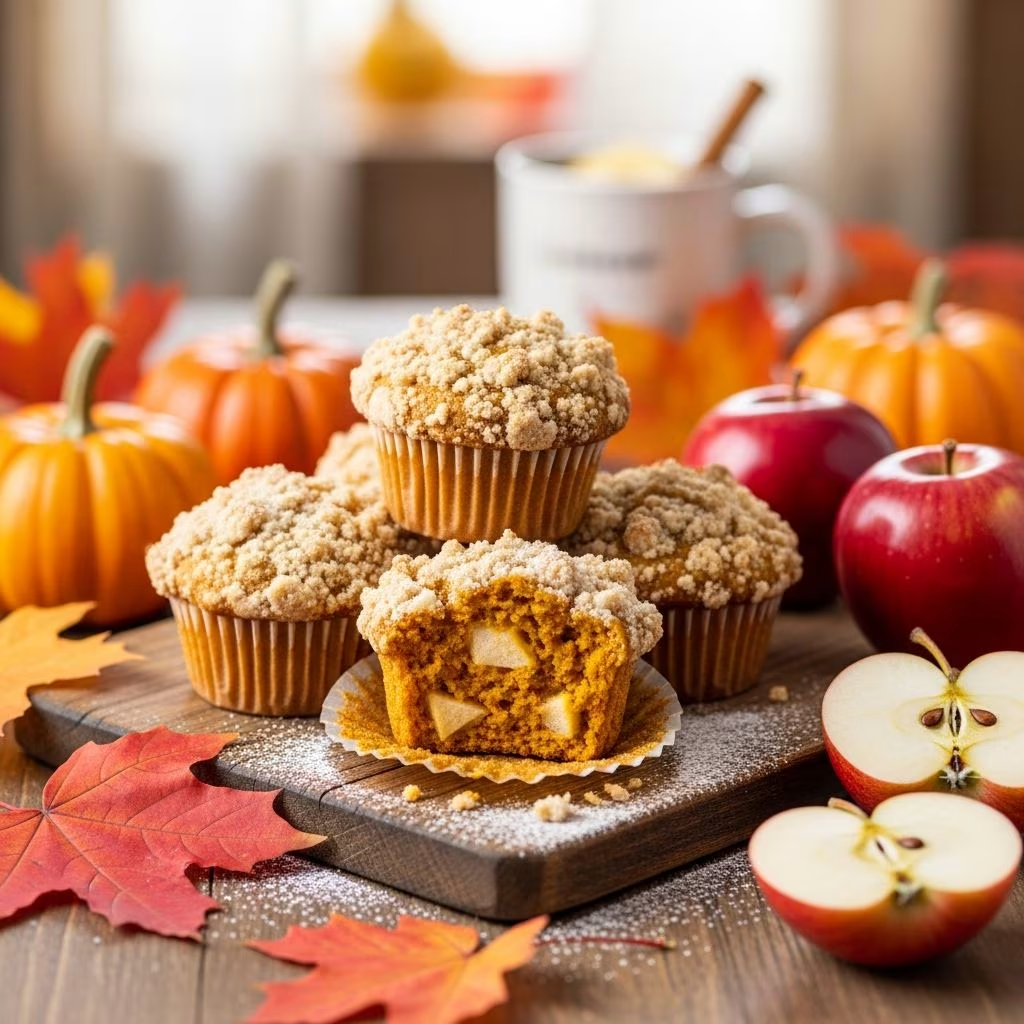
When the weather turns cool and the leaves begin to change color, nothing captures the essence of the season quite like homemade muffins infused with pumpkin and fresh apples. These delightful baked goods offer the perfect combination of moisture, flavor, and textural contrast, making them an ideal choice for breakfast, brunch, or an afternoon snack. The appeal of these muffins lies in their ability to transform simple pantry staples into a bakery-quality treat that tastes like fall itself.
Understanding the Foundation: Key Ingredients Explained
Creating successful pumpkin and apple muffins requires understanding how each ingredient contributes to the final product. The base of these muffins combines all-purpose flour with granulated sugar, which together form the structure and sweetness foundation. Baking soda acts as the leavening agent, creating the light, tender crumb that distinguishes quality muffins from dense alternatives. Salt enhances the overall flavor profile by amplifying both sweet and spice notes without adding saltiness itself.
Pumpkin puree serves as both a moisture provider and flavor anchor, delivering the distinctive autumn taste that defines these treats. Unlike fresh pumpkin, canned pumpkin offers consistent results and year-round availability. Eggs bind the ingredients while contributing to the muffin’s structure and richness. Vegetable oil creates tenderness by coating flour particles, resulting in a softer crumb compared to butter-based recipes. For those seeking to reduce fat content, applesauce can partially replace oil without significantly compromising the muffin’s moisture level.
Fresh apples add natural sweetness, textural interest, and tartness that balances the heavier pumpkin flavor. Selecting the right apple variety makes a significant difference—baking apples with higher acidity and firmness, such as Granny Smith or Honeycrisp varieties, hold their shape during mixing and baking while providing pleasant flavor contrast.
The Streusel Topping: Creating Textural Excellence
The streusel topping transforms standard muffins into something memorable through textural contrast and visual appeal. This component combines flour, sugar, cinnamon, and cold butter, creating crumbly clusters that add crunch and richness. The technique for assembling streusel is crucial—cold butter must be cut into the dry ingredients using either a fork or fingertips, creating pea-sized pieces rather than a uniform mixture.
The cinnamon in the streusel reinforces the warm spice profile while adding complexity. Brown sugar can replace or complement granulated sugar, offering a deeper molasses note. Some variations include small diced apple pieces within the streusel, adding additional texture and flavor dimension to the topping.
Spice Blend Variations and Customization
While pumpkin pie spice offers convenience as a single ingredient, understanding its components allows for customization and experimentation. Traditional pumpkin pie spice combines cinnamon, nutmeg, ginger, and cloves in specific proportions. Some recipes feature individually added spices, permitting adjustment based on personal preference or ingredient availability. Ground cinnamon typically appears as the dominant spice, sometimes doubling or tripling the amount in the spice blend for stronger flavor.
Ground ginger introduces subtle heat and complexity, while cloves contribute earthy, slightly bitter notes. Nutmeg adds warmth and depth. Those preferring milder spice profiles may reduce quantities, while enthusiasts of bold autumn flavors might increase concentrations. Experimentation with spice ratios allows bakers to personalize these muffins according to individual taste preferences.
Step-by-Step Preparation Method
Preparation Phase: Begin by preheating the oven to 350°F, allowing it to reach optimal baking temperature before the batter is ready. Prepare a 24-cup muffin tin by either greasing each cup with butter or cooking spray, or inserting paper liners. Parchment liners work particularly well, as they prevent sticking and simplify cleanup. Some bakers prefer foil liners for their durability and ease of removal.
Dry Ingredient Combination: In a large mixing bowl, combine flour, sugar, baking soda, salt, and chosen spices using a wire whisk. Whisking incorporates air and evenly distributes leavening agents, ensuring consistent rise throughout all muffins. This step should take approximately one minute of vigorous whisking.
Wet Ingredient Preparation: In a separate medium bowl, combine pumpkin puree, eggs, and oil. If using applesauce as a partial oil replacement, incorporate it at this stage. Mix these ingredients until well combined and relatively smooth. Some recipes suggest combining oil with pumpkin first before adding eggs, which can facilitate easier mixing.
Combining Wet and Dry: Pour the wet ingredient mixture into the dry ingredients, stirring with a wooden spoon or spatula just until the flour disappears. This crucial step requires restraint—overmixing develops gluten, resulting in tough, chewy muffins instead of tender ones. The batter should appear slightly lumpy.
Apple Integration: Fold chopped apples gently into the batter using minimal stirring motions. Ensure pieces are distributed relatively evenly without crushing them. Coarsely chopped apples maintain their integrity better than finely minced pieces.
Filling and Topping: Distribute batter evenly among prepared muffin cups, filling each approximately three-fourths full. An ice cream scoop ensures consistent portions. Sprinkle prepared streusel topping over each muffin, distributing it as evenly as possible. The topping should adhere somewhat to the wet batter but not sink completely.
Baking: Place the muffin tin in the preheated oven for 25 to 35 minutes, depending on oven characteristics and muffin size. Baking is complete when a toothpick inserted into a muffin’s center emerges clean or with just a few moist crumbs—not wet batter. The muffin tops should be golden brown and spring back slightly when gently pressed.
Cooling: Allow muffins to cool in the tin for approximately 5 minutes before transferring to a wire rack to cool completely. This prevents moisture from condensing underneath and creating soggy bottoms.
Practical Baking Tips for Success
Room temperature ingredients combine more smoothly, resulting in better texture and rise. Remove eggs and pumpkin from refrigeration 15 to 20 minutes before mixing. Ensure muffin cups are placed on a baking sheet if your oven has hot spots or uneven heat distribution, which helps prevent burning on the bottom.
Avoid opening the oven door during the first 20 minutes of baking, as temperature fluctuations can collapse the delicate rising muffins. Place an oven thermometer inside your oven to verify the actual temperature, as many home ovens run slightly hot or cold.
When folding apples into batter, use minimal stirring to preserve their texture. Toss apple pieces lightly in a small amount of flour before folding to prevent them from sinking to the bottom of the muffins.
Flavor Pairing and Enhancement Strategies
Beyond the basic recipe, numerous additions enhance or complement the core pumpkin-apple flavor profile. Vanilla extract adds depth and complexity, typically in amounts of one-half to one teaspoon. Orange juice or zest introduces brightness that balances the heavier pumpkin notes. Walnuts, pecans, or chopped almonds contribute crunch and nutty richness, with approximately one-half cup mixed into the batter.
Dried cranberries or raisins add tartness and chewiness, while chocolate chips appeal to those preferring sweeter results. Maple syrup can replace a portion of the granulated sugar, contributing authentic autumn flavor. Some bakers incorporate cream cheese into the batter or create a swirl through the center of each muffin for indulgent results.
Storage and Longevity Considerations
These muffins remain fresh at room temperature for up to two days when stored in an airtight container. Refrigeration extends storage to four or five days, though the crumb may become slightly denser. Freezing preserves muffins for up to three months—cool completely, wrap individually in plastic wrap, and store in freezer-safe containers or bags. Thaw at room temperature for approximately one hour before consumption.
Individually wrapped frozen muffins can be thawed in a microwave, though this method softens the streusel topping. For best texture, thaw overnight in the refrigerator and serve at room temperature or warmed gently in a 300°F oven for five minutes.
Frequently Asked Questions
Can I make mini or jumbo muffins using this recipe?
Yes, the batter adapts well to different muffin sizes. Mini muffins bake in approximately 12 to 15 minutes and yield roughly 48 muffins. Jumbo muffins require 40 to 50 minutes and produce about 12 large muffins. Adjust baking time based on toothpick testing rather than relying solely on the clock.
What should I do if I don’t have pumpkin pie spice?
Substitute using two teaspoons ground cinnamon, one-half teaspoon ground ginger, one-quarter teaspoon ground nutmeg, and one-eighth teaspoon ground cloves. This mixture closely replicates commercial pumpkin pie spice blends.
Can I use fresh pumpkin instead of canned puree?
Fresh pumpkin works but requires extra preparation. Roasted pumpkin must be pureed and excess moisture drained, as it contains more liquid than canned varieties. Reduce the amount slightly and monitor batter consistency when substituting.
Are there dairy-free variations for this recipe?
Yes, replace eggs with flax or chia seed eggs (one tablespoon ground seeds mixed with three tablespoons water per egg), and use dairy-free butter in the streusel topping. The basic recipe already uses oil rather than butter, making it naturally vegan-friendly with these substitutions.
How can I make these muffins less sweet?
Reduce granulated sugar to one and one-half cups and adjust streusel sugar similarly. The natural sweetness from apples and pumpkin provides sufficient sweetness even with reduced added sugar.
Nutritional Perspective and Serving Suggestions
A typical serving of these muffins contains approximately 175 to 190 calories, with modest amounts of fiber from both pumpkin and apples. Whole grain flour can replace a portion of all-purpose flour, increasing fiber content and providing deeper flavor. These muffins pair beautifully with morning coffee, tea, or alongside yogurt and fresh fruit for breakfast service.
As an afternoon snack or dessert, they satisfy sweet cravings while delivering more nutritional substance than many baked alternatives. The moisture content means these muffins remain satisfying without excessive consumption.
Creating Memorable Fall Traditions
Making pumpkin and apple muffins becomes an opportunity to establish seasonal traditions and create moments of comfort during cooler months. Whether baking for family gatherings, holiday gifts, or personal enjoyment, these muffins carry the essence of autumn in every bite. Their versatility accommodates different preferences and dietary requirements while maintaining the core appeal of warm spices, tender cake, and pleasant texture contrasts.
References
- USDA FoodData Central: Pumpkin, canned — U.S. Department of Agriculture. 2024. https://fdc.nal.usda.gov/fdc-app.html
- The Science of Baking: Why Overmixing Muffin Batter Matters — King Arthur Baking Company. 2024. https://www.kingarthurbaking.com/learn/guides/baking-muffins
- Pumpkin Pie Spice Composition and Flavor Profile — National Institutes of Health PubChem. 2024. https://pubchem.ncbi.nlm.nih.gov/
- Proper Food Storage: Muffin Shelf Life and Freezing Guidelines — Food Safety and Inspection Service. 2024. https://www.fsis.usda.gov/food-safety
- Apple Variety Selection for Baking Applications — Cornell University College of Agriculture and Life Sciences. 2023. https://apples.cornell.edu/