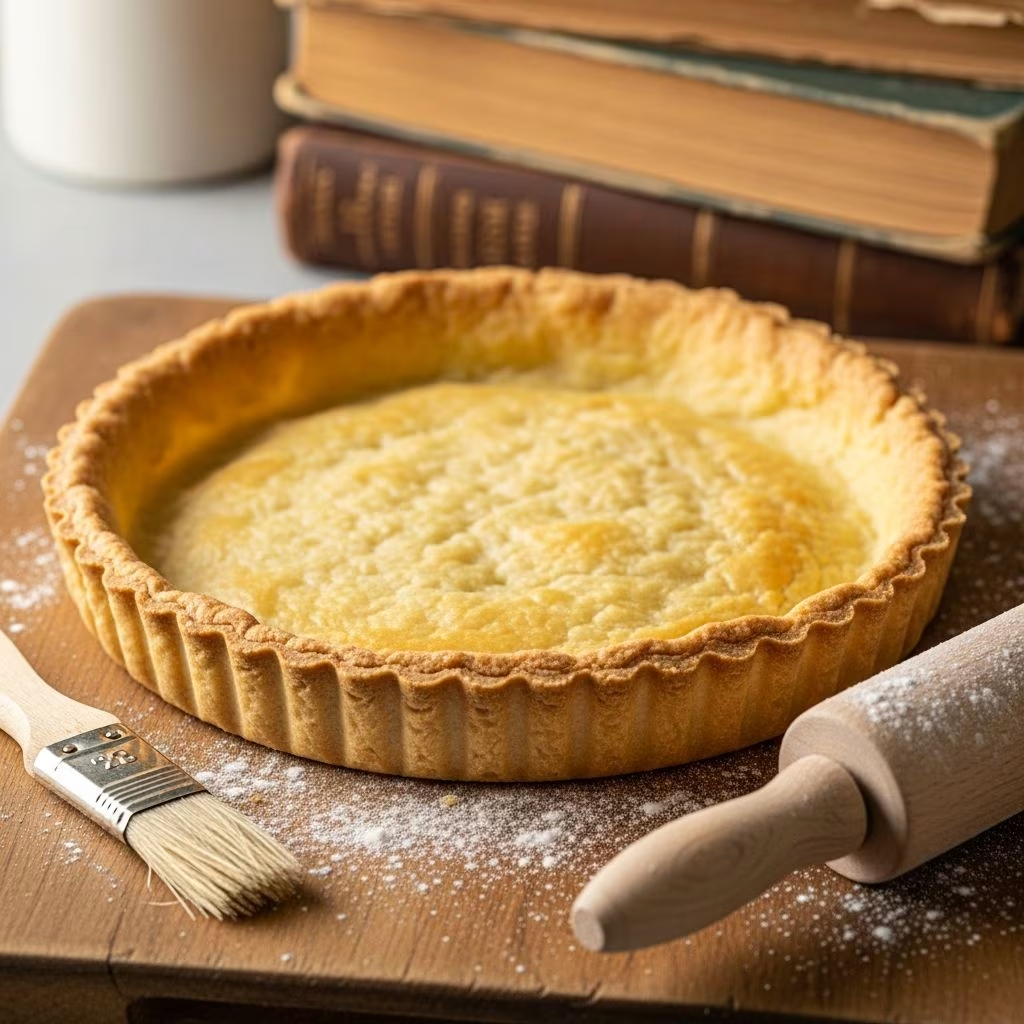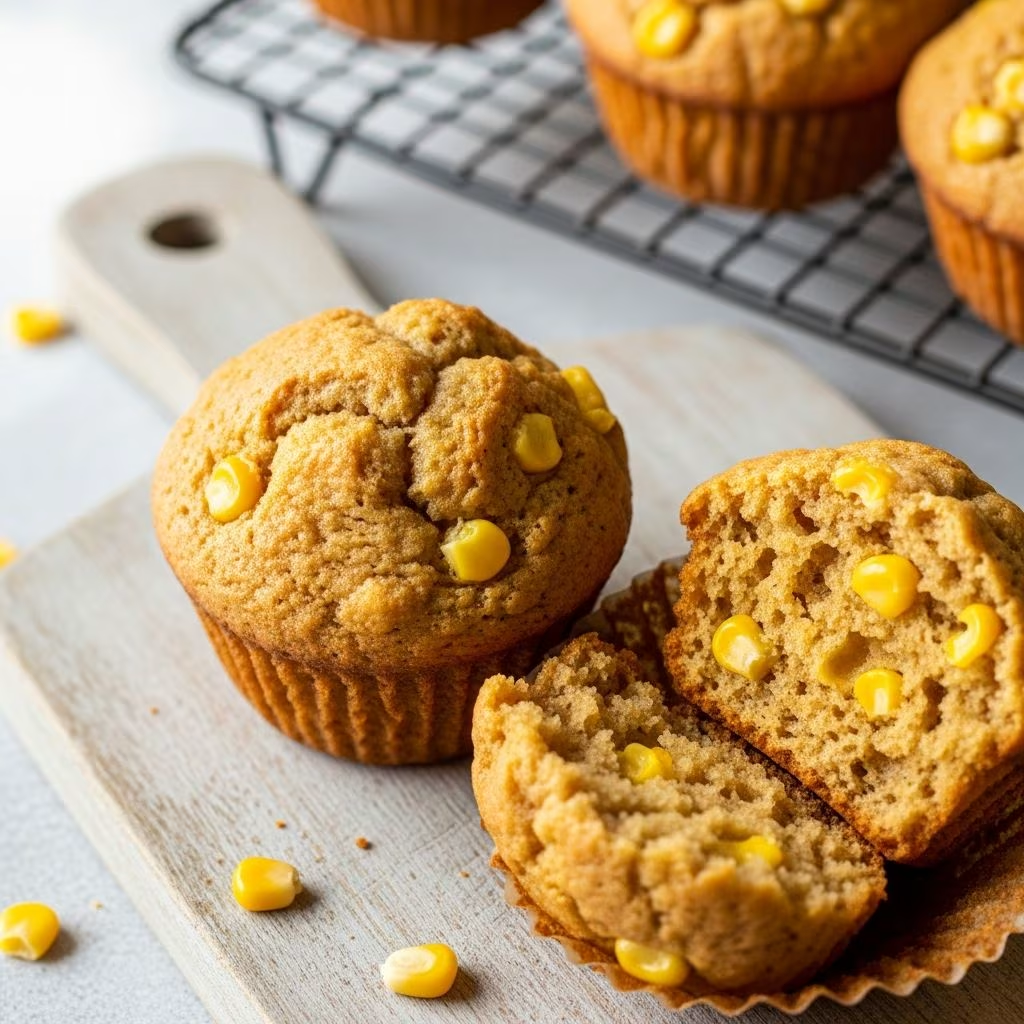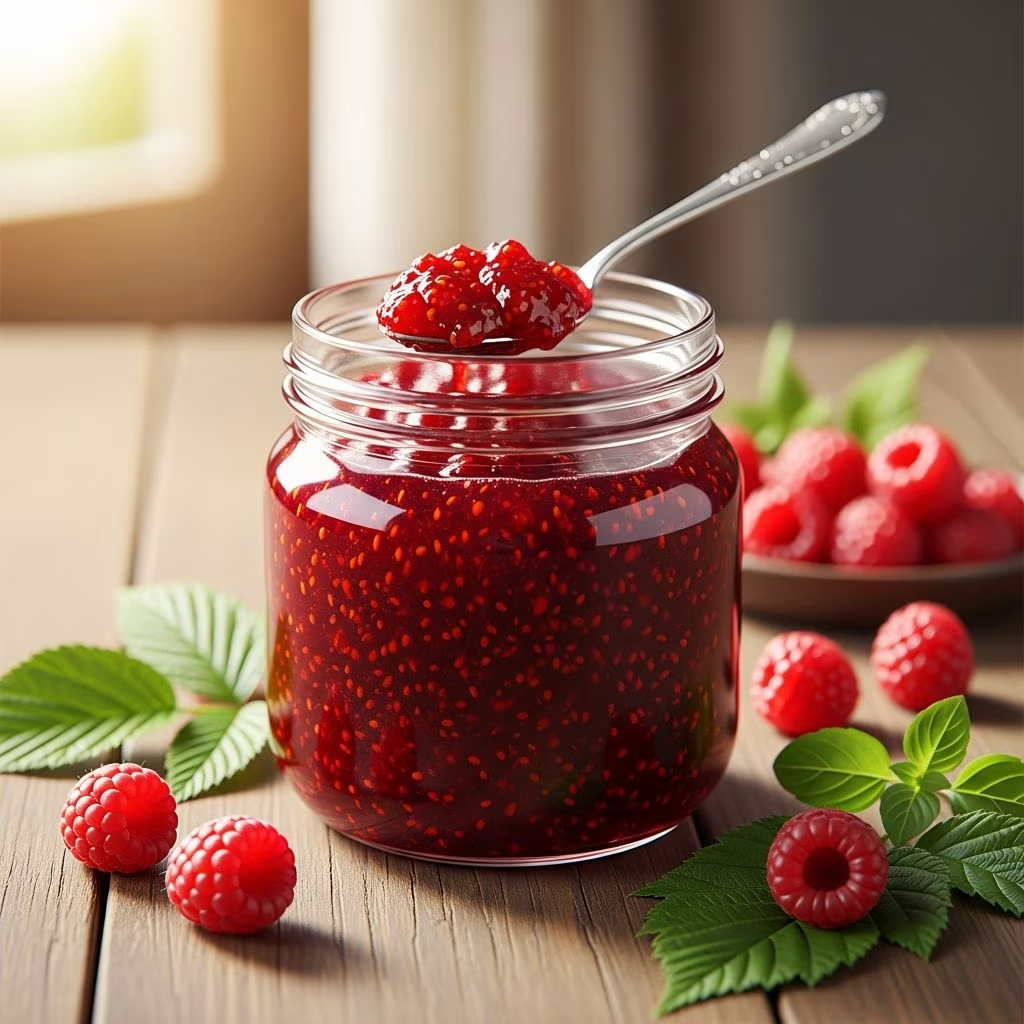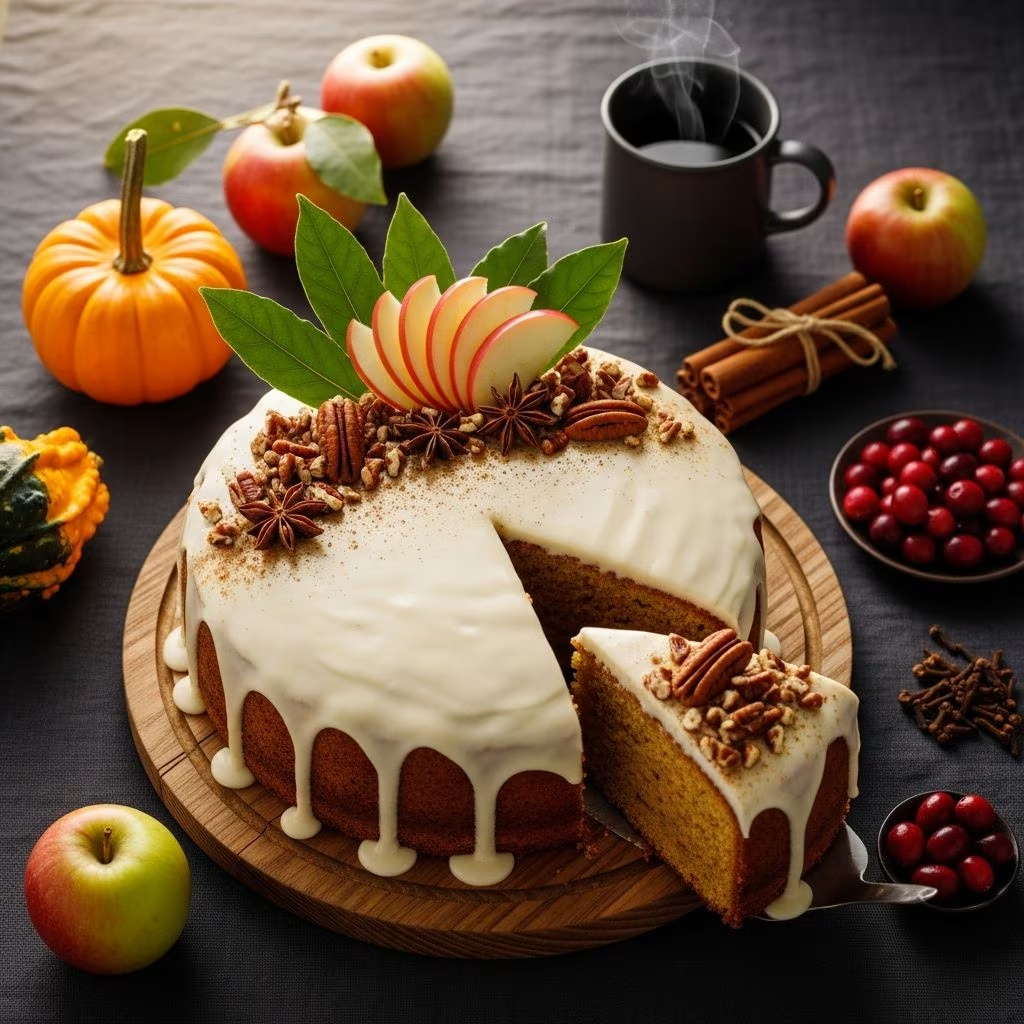
When autumn arrives, the desire for warm, comforting desserts that capture the essence of the season becomes irresistible. Among the most beloved fall baked goods is a combination that brings together two quintessential seasonal ingredients: pumpkin and apples. This particular cake variety bridges the gap between a traditional coffee cake and a more decadent dessert, making it suitable for breakfast gatherings, afternoon coffee breaks, or casual dinner parties. The addition of a streusel topping—those delightful crumbly bits that provide textural contrast—elevates the entire experience. This comprehensive guide will walk you through every aspect of creating this delicious treat, from understanding ingredient selection to mastering baking techniques.
Understanding the Foundation: Why This Cake Works
The success of this particular cake lies in its careful balance of ingredients that work together to create both moisture and structure. Unlike traditional cakes that rely heavily on butter and eggs, this version uses pumpkin puree as a key moisture provider while also incorporating oil, which keeps the crumb tender and prevents drying out. The shredded apple adds additional moisture, natural sweetness, and a subtle complexity that distinguishes this cake from simpler pumpkin-based desserts. The combination of autumn spices—typically including cinnamon, nutmeg, and allspice—creates a warm flavor profile that feels both familiar and sophisticated. Understanding why each ingredient matters helps you make informed decisions if you need to adapt the recipe to your preferences or dietary needs.
Gathering Your Ingredients: What You’ll Need
For the Main Cake
The dry ingredients form the structural foundation of your cake. You’ll need all-purpose flour, which provides the gluten network necessary for the cake to hold together while remaining tender. Baking powder and baking soda work together as leavening agents—baking powder provides lift throughout the baking process, while baking soda reacts with the acidic components to create additional rise. The combination ensures your cake achieves the right height and crumb structure. Pumpkin pie spice is a convenient blend that typically contains cinnamon, nutmeg, ginger, and cloves, though some recipes also add separate cinnamon for extra warmth. Salt is essential, as it enhances all the other flavors and prevents the cake from tasting flat.
For the wet ingredients, canned pumpkin puree offers consistency and convenience compared to fresh pumpkin, which can vary significantly in water content. The distinction between pure pumpkin puree and pumpkin pie filling is crucial—pie filling contains added spices and sweeteners that would throw off your recipe’s balance. A large apple, peeled and shredded using a box grater or food processor, contributes moisture and subtle fruit flavor. Vegetable oil keeps the crumb moist without adding the heaviness that butter might contribute. One large egg acts as a binder and provides structure, while vanilla extract adds depth and complexity to the overall flavor profile.
For the Streusel Topping
The streusel layer consists of relatively simple components that create maximum textural impact. All-purpose flour is the base, providing structure to the topping. Light brown sugar contributes moisture and a subtle molasses flavor that pairs beautifully with the spices in the cake. Chopped pecans add nutritional value, textural contrast, and a slight richness that complements the autumn flavors. Melted butter binds everything together and helps create that desirable crumbly-yet-cohesive texture when baked.
Preparing Your Workspace and Equipment
Successful baking begins before you start mixing ingredients. Preheat your oven to 350 degrees Fahrenheit at least fifteen minutes before baking. This ensures your cake bakes evenly and achieves the proper rise. Prepare an 8×8-inch square metal baking pan by greasing it thoroughly with butter or non-stick spray, paying special attention to corners where batter can stick. Having all ingredients measured and ready before you begin mixing—a concept bakers call mise en place—prevents mistakes and ensures a smooth process.
Gather two medium bowls for the dry ingredients and a large bowl for combining wet ingredients. A whisk helps thoroughly incorporate dry ingredients without overworking them. A sturdy spatula or wooden spoon works for folding ingredients together gently. For testing doneness, have a cake tester, toothpick, or thin knife on hand.
Mixing and Preparation Techniques
Combining Dry Ingredients
Place your measured flour, sugar, pumpkin pie spice, baking soda, salt, and baking powder in a medium bowl. Whisk these ingredients together thoroughly for about one minute, making sure the leavening agents distribute evenly throughout. This pre-mixing ensures your cake rises uniformly and bakes consistently. When leavening agents cluster together, you may end up with tunneling—those large holes that sometimes appear in cakes—or uneven rise.
Combining Wet Ingredients
In a separate, larger bowl, combine the canned pumpkin, shredded apple, vegetable oil, egg, and vanilla extract. Whisk these ingredients together vigorously until well combined, about two minutes. This incorporates air into the mixture and helps emulsify the oil with the other ingredients. The mixture should appear homogeneous and relatively smooth, though the shredded apple will create small texture variations.
Bringing It Together
Pour the dry ingredients into the wet ingredients bowl, then fold together gently using a spatula. Mix just until the flour disappears and the ingredients are moistened—this typically takes about thirty to forty seconds of folding. Overmixing develops gluten, which creates a tough, dense cake rather than the tender crumb you desire. The batter should appear very thick, almost as thick as cookie dough. This density is normal and expected.
Creating and Applying the Streusel
While your batter rests, prepare the streusel topping. In a clean, small bowl, combine the flour, light brown sugar, and finely chopped pecans. Stir these dry ingredients together until evenly distributed. Pour in the melted butter and stir with a fork, breaking up any clumps, until the mixture reaches a consistency resembling wet sand—the butter should coat the flour and sugar so that the mixture holds together loosely but doesn’t form a dough.
Spread the thick batter evenly into your prepared baking pan, smoothing the top gently with a spatula. Distribute the streusel topping evenly across the surface, crumbling it between your fingers as you distribute it to create an appealing, uneven texture. The streusel should cover the batter but doesn’t need to be perfectly uniform.
Baking and Testing for Doneness
Place the pan in your preheated 350-degree oven and bake for forty-five to fifty minutes. The exact time depends on your oven’s individual temperature variations, oven rack placement, and the thickness of your batter. Beginning around the forty-five-minute mark, monitor the cake’s progress. The streusel should turn golden brown, and the cake should appear set around the edges while the very center may still show slight moisture.
To test for doneness, insert a cake tester, toothpick, or thin knife into the center of the cake. If it comes out clean or with only a few crumbs clinging to it, your cake is done. If wet batter coats the tester, return the pan to the oven for an additional five minutes and test again. Additionally, gently press the top of the cake with your fingertip—if it springs back immediately, the cake has set properly.
Cooling and Storage Guidelines
Once baked, leave the cake in the pan to cool completely to room temperature, which typically takes two to three hours. This resting period allows the structure to set completely and makes slicing easier and cleaner. Once cooled, you can slice directly in the pan and serve individual portions from there, or carefully remove the entire cake to a cutting board or serving plate.
Store leftover cake covered with plastic wrap or in an airtight container at room temperature for up to three days, or refrigerate for up to five days. The cake also freezes exceptionally well—wrap individual slices in plastic wrap, then place them in a freezer-safe container for up to three months. Thaw slices at room temperature for about an hour before serving.
Flavor Variations and Customizations
Spice Adjustments
If you prefer more pronounced autumn spice flavors, increase the pumpkin pie spice to two teaspoons or add an additional half-teaspoon of cinnamon. Alternatively, reduce these spices by a quarter-teaspoon if you prefer subtler seasoning. Some bakers enjoy adding a small pinch of ground ginger or cloves for additional complexity.
Apple Selection
Different apple varieties offer different flavor profiles. Honeycrisp and Gala apples provide sweetness, while Granny Smith apples add tartness that balances the pumpkin’s earthiness. Fuji apples offer a middle ground with moderate sweetness and good texture. Some bakers leave the peel on the apple after washing it thoroughly, which adds visual interest and additional fiber.
Streusel Variations
Substitute walnuts or almonds for pecans if you prefer different nuts or have allergies. You could also reduce the nuts and add rolled oats for a different texture. Some recipes incorporate a small amount of cinnamon into the streusel for extra warmth.
Troubleshooting Common Issues
| Problem | Likely Cause | Solution |
|---|---|---|
| Cake is too dense | Overmixing batter or too much flour | Mix only until ingredients are combined; measure flour by spooning and leveling |
| Cake is dry | Overbaking or using pumpkin pie filling instead of pure puree | Check doneness at forty-five minutes; verify you’re using pure pumpkin puree |
| Streusel is soggy | Too much butter in streusel or moisture seeping from cake | Use less butter; ensure batter isn’t too wet |
| Cake rises unevenly | Uneven oven temperature or oven rack too close to heating element | Use oven thermometer; position rack in middle of oven |
| Cake sinks in center | Underbaking or opening oven door too early | Extend baking time; avoid opening oven door before forty-five minutes |
Serving Suggestions and Pairings
This cake pairs wonderfully with a hot cup of coffee, which is precisely why it’s called a coffee cake. The combination of warm spices and coffee’s slight bitterness creates a harmonious balance. For a breakfast or brunch setting, serve alongside fresh fruit or yogurt. At dessert time, consider pairing with a dollop of whipped cream, Greek yogurt, or a light cream cheese frosting. The cake is also delicious served slightly warm with vanilla ice cream, where the warmth and spices complement the cold creaminess beautifully.
Frequently Asked Questions
Can I make this cake in a different pan size?
Yes, though baking time will adjust. A 9-inch round cake pan requires about forty to forty-five minutes, while a larger rectangular pan may require fifty to sixty minutes. Adjust based on the thickness of your batter layer.
Can I use fresh pumpkin instead of canned?
Fresh pumpkin puree can work, but ensure it’s well-drained as it contains more water than canned. Start with three-quarters cup and adjust as needed until the batter reaches the correct consistency.
Is this cake suitable for dairy-free diets?
Yes, this recipe is naturally dairy-free as it uses oil instead of butter in the cake. For the streusel, substitute coconut oil or vegan butter for the regular butter.
Can I prepare this cake ahead of time?
You can prepare the batter up to two hours ahead, but add the streusel topping just before baking for the best texture. Alternatively, bake the entire cake up to two days ahead and store covered at room temperature.
Why is my cake gummy in the center?
This typically indicates underbaking. While the edges set properly, the center needs additional time. This can also happen if you’re using pumpkin pie filling instead of pure puree, as the extra moisture requires longer cooking.
Nutrition and Dietary Considerations
This cake provides a moderate amount of fiber from the pumpkin and apple, making it satisfying even in modest portions. Each slice contains beneficial nutrients including vitamin A from the pumpkin and various minerals from the whole grain flour if you choose to substitute. While the cake does contain sugar and fat, these ingredients are necessary for proper texture and moisture. For those monitoring sugar intake, you could reduce the sugar by up to one-quarter cup, though this may affect the cake’s sweetness and browning.
The inclusion of pecans provides healthy monounsaturated fats and additional protein compared to cakes without nuts. If you have nut allergies, simply omit them or increase the flour by one-quarter cup to maintain the streusel’s structure.
Conclusion and Final Thoughts
Creating a pumpkin and apple coffee cake with streusel topping is an achievable goal for bakers of all skill levels. The recipe’s forgiving nature—it tolerates slight variations in ingredient measurements and oven temperatures—makes it ideal for building confidence in the kitchen. The combination of seasonal ingredients creates a dessert that feels special and intentional while remaining practical enough for regular enjoyment. Whether you’re baking for a special occasion or simply craving autumn flavors on an ordinary Tuesday, this cake delivers satisfaction and warmth in every bite.
References
- All-Purpose Flour Standards and Specifications — King Arthur Baking Company. 2024. https://www.kingarthurbaking.com/blog/2017/02/23/bread-flour-vs-all-purpose-flour
- Baking Powder and Baking Soda: Understanding the Difference — National Institute of Health Sciences. 2023. https://www.nih.gov/
- Pumpkin Puree Nutrition and Composition — United States Department of Agriculture FoodData Central. 2024. https://fdc.nal.usda.gov/fdc-app.html#/?query=pumpkin%20puree
- Apple Varieties and Their Culinary Applications — University of California Agricultural and Natural Resources. 2023. https://ucanr.edu/
- Baking Science: Moisture and Texture in Cake Formulations — The Culinary Institute of America. 2023. https://www.ciachef.edu/