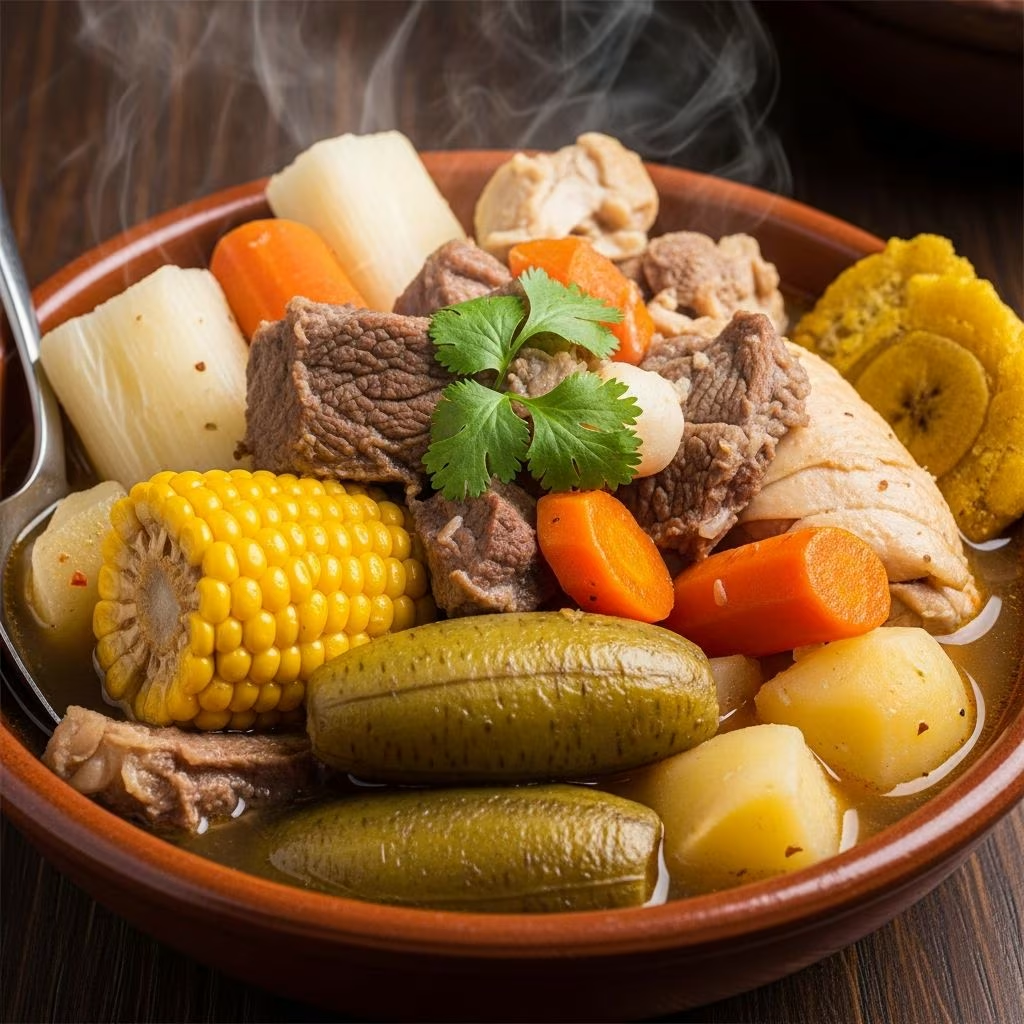
Puerto Rican sancocho stands as a cornerstone of island cuisine, embodying the warmth and nourishment derived from slow-simmered meats and an array of starchy root vegetables. This robust stew, often prepared for special occasions or simply to feed a crowd, combines tender beef chunks with staples like yuca, plantains, and squash in a deeply flavored broth. Its appeal lies in the natural thickening from the starches, creating a velvety texture without added agents, making it both hearty and satisfying.
The Cultural Heart of Sancocho
Rooted in the traditions of the Spanish Caribbean, sancocho transcends a mere dish to become a symbol of communal bonding. Families gather around steaming pots, sharing stories as the stew bubbles for hours, tenderizing tough cuts of meat and melding flavors from sofrito—a foundational blend of onions, garlic, peppers, and herbs. In Puerto Rico, variations reflect personal touches, with some incorporating chicken or pork alongside beef, ensuring every version tells a unique story of heritage and home cooking.
Historically, sancocho evolved from indigenous Taíno practices of stewing local tubers with hunted meats, later enriched by African and Spanish influences. Today, it remains a go-to for rainy days or post-holiday recovery, prized for its ability to stretch ingredients into abundant servings.
Essential Ingredients for Authentic Flavor
Building a true Puerto Rican sancocho starts with quality components that build layers of taste. The meat base typically features chuck roast or stew beef, cut into bite-sized pieces for even cooking. Seasonings like sazón packets, adobo, and oregano infuse the dish with aromatic depth, while sofrito provides the savory backbone.
Root vegetables form the stew’s body:
- Yuca (cassava): Adds chewiness and natural starch for thickness.
- Green and yellow plantains: Offer contrasting textures, from firm to sweet.
- Sweet potatoes or yams: Bring subtle sweetness and creaminess.
- Butternut or calabaza squash: Contributes earthy notes and vibrant color.
- Potatoes and corn: Round out with familiar comfort and pops of sweetness.
A rich beef broth, tomato sauce, and fresh garlic, onions elevate the pot, with optional cilantro or lime for finishing brightness.
Step-by-Step Guide to Cooking Sancocho
Preparing sancocho rewards patience, as low-and-slow simmering unlocks tender meat and infused broth. Begin by marinating 3 pounds of beef chuck in a mix of sofrito, sazón, oregano, adobo, vinegar, and oil for at least 2 hours—ideally overnight for maximum flavor penetration.
- Sear the meat: In a large Dutch oven, heat olive oil over medium-high. Brown beef in batches to avoid steaming, about 5-7 minutes per side. Remove and set aside.
- Build the base: Sauté diced onions until translucent, then add garlic and more sofrito. Stir in tomato sauce, oregano, and adobo, followed by the seared beef.
- Simmer with broth: Pour in 6-8 cups beef broth, bring to a boil, then reduce to a simmer. Cover and cook 15-30 minutes.
- Add vegetables: Incorporate carrots first, simmering 1 hour until partially tender. Layer in yuca, plantains, potatoes, squash, and corn, continuing to simmer covered for 1-2 hours until everything is fork-tender.
- Finish and rest: Uncover to reduce broth slightly, taste for seasoning. Let rest 10 minutes before serving to allow flavors to settle.
Total time hovers around 3-4 hours, yielding 8-10 servings. Serve with rice, tostones, or bread to soak up the broth.
Ingredient Table for Precision
| Ingredient | Quantity | Notes |
|---|---|---|
| Beef chuck roast | 3 lbs, cubed | Chuck for tenderness after long cook. |
| Sofrito | ½ cup total | Homemade or store-bought. |
| Sazón packet | 1-2 packets | Culantro y achiote for color. |
| Root veggies (yuca, plantains, etc.) | 2-3 lbs mixed | Peel and cut uniformly. |
| Beef broth | 6-8 cups | Low-sodium preferred. |
Customizing Your Sancocho: Variations and Tips
Sancocho’s flexibility invites experimentation. Swap beef for chicken thighs or pork shoulder for lighter or richer profiles. Vegetarians can use mushrooms and extra squash, maintaining the stew’s heartiness.
- Spice it up: Add scotch bonnet or hot sauce for heat.
- Thicken naturally: Blend some veggies into the broth for silkiness.
- Make-ahead magic: Flavors deepen overnight; refrigerate up to 3 days or freeze portions.
- Pressure cooker shortcut: Cook on high for 35 minutes after sautéing, naturally release.
For authenticity, source fresh roots from Latin markets. Avoid overcooking plantains to preserve texture contrast.
Nutritional Profile and Health Benefits
A bowl of sancocho (about 2 cups) delivers around 400-500 calories, packed with protein from beef (30g+), complex carbs from roots, and vitamins A and C from squash and plantains. Yuca provides resistant starch for gut health, while corn adds fiber. Opt for leaner meats and less oil to lighten it up without sacrificing taste.
This one-pot wonder supports balanced eating: high satiety from volume, low glycemic impact from whole starches.
Pairing Suggestions and Serving Ideas
Elevate sancocho with sides like arroz blanco or mofongo. A squeeze of lime or sprinkle of cilantro brightens each bite. For drinks, pair with chilled Medalla beer or passionfruit juice. In colder climates, it warms like no other, evoking Puerto Rican beaches.
Frequently Asked Questions (FAQs)
What is the best meat for sancocho?
Chuck roast or top round excels due to marbling that tenderizes during long simmers.
Can I make sancocho in a slow cooker?
Yes—sear meat first, then cook on low 8 hours after adding veggies.
How do I peel yuca?
Use a sharp knife to remove waxy skin; soak in water to prevent browning.
Is sancocho gluten-free?
Naturally, as it uses whole foods; check sazón for additives.
How long does sancocho last in the fridge?
Up to 4 days; reheat gently with added broth if needed.
Conclusion: Simmer Up Tradition
Puerto Rican sancocho isn’t just food—it’s a hug in a bowl, bridging generations through shared pots and stories. Master this recipe, tweak to your taste, and watch it become a staple. Buen provecho!
References
- Puerto Rican Sancocho (Caribbean Beef & Vegetable Stew) — GypsyPlate. 2023. https://gypsyplate.com/puerto-rican-sancocho/
- Sancocho (Caribbean Beef Stew) — The Noshery. 2023. https://thenoshery.com/sancocho-stew/
- Stewed Sancocho (Puerto Rican Beef & Root Veggie Stew) — Salima’s Kitchen. 2023. https://salimaskitchen.com/sancocho/
- Authentic Puerto Rican Sancocho | Hearty Puerto Rican Stew — YouTube (Joyful Yessi). 2023. https://www.youtube.com/watch?v=FCWkQtBFYjo
- Sancocho — Loisa. 2023. https://loisa.com/blogs/comida-real/sancocho