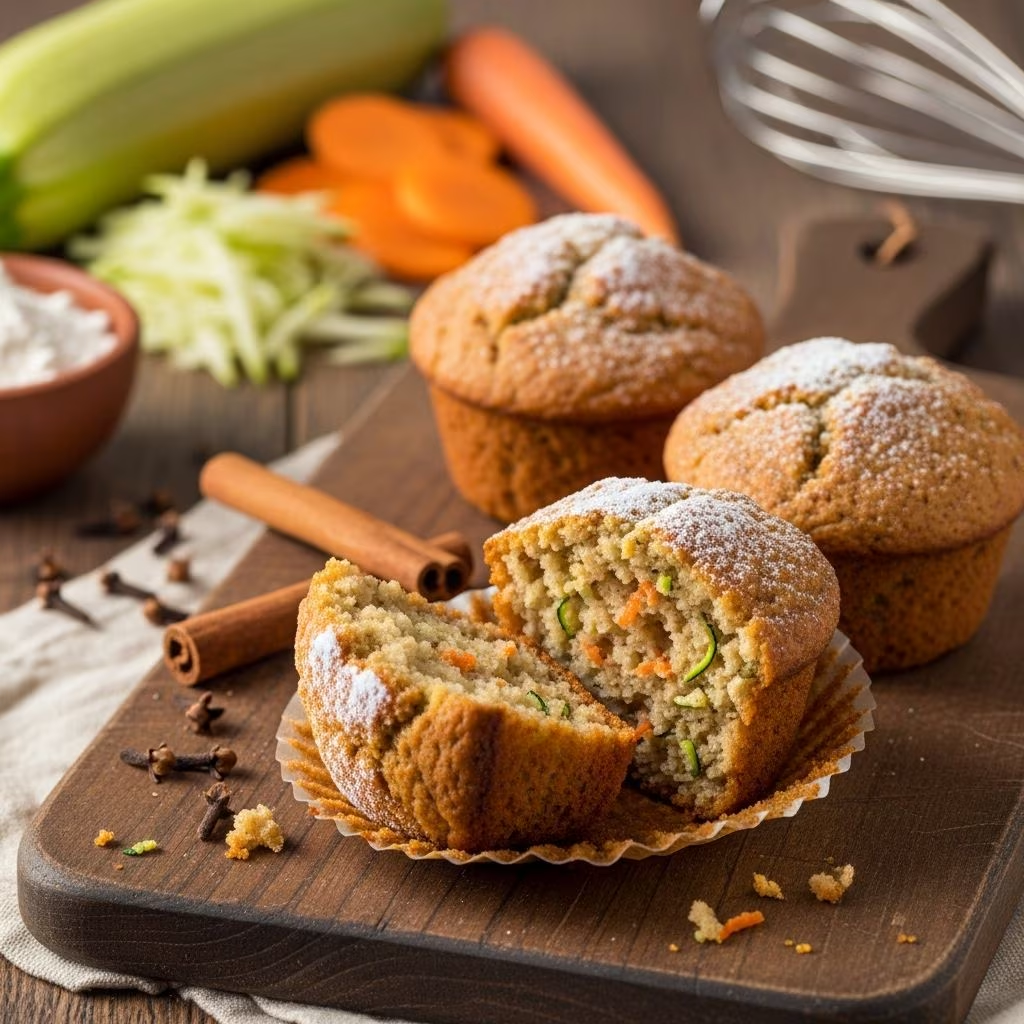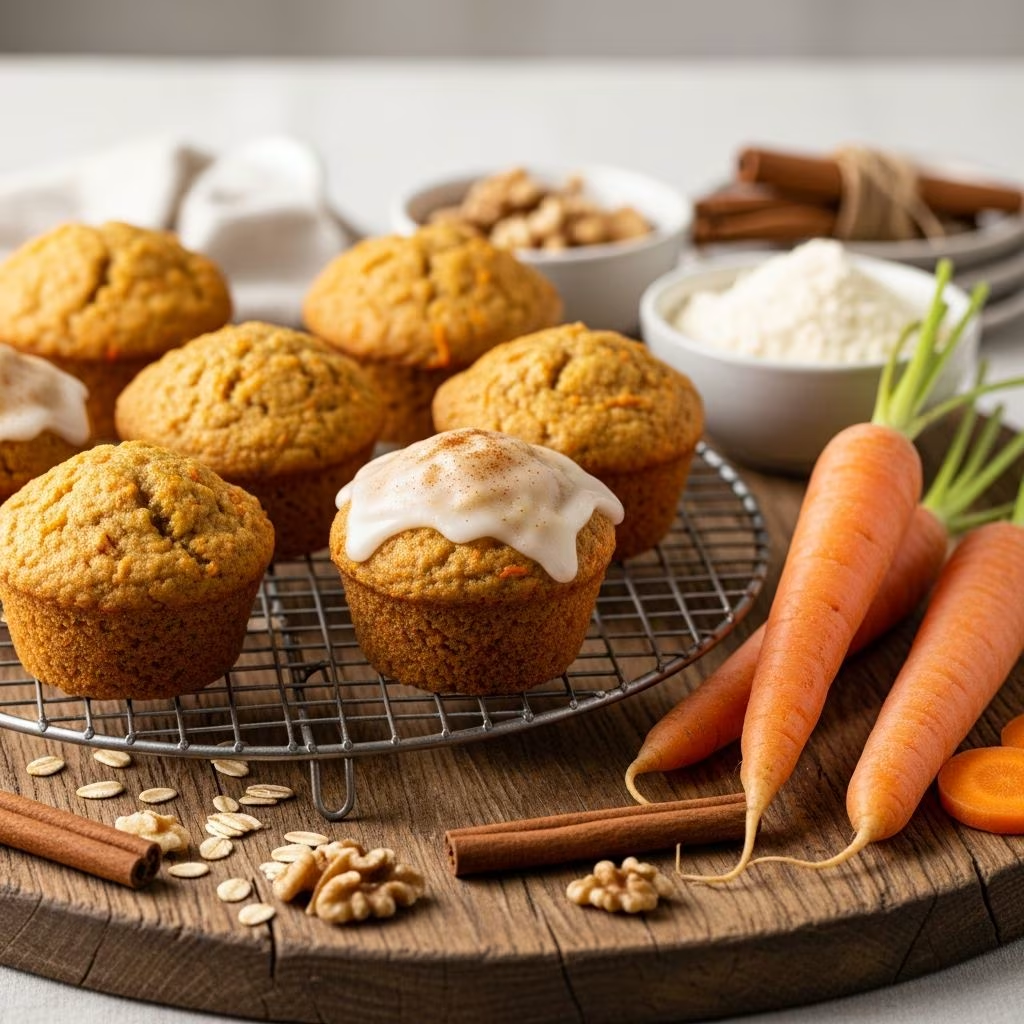
For those seeking to incorporate more nutritious options into their daily breakfast rotation, carrot muffins fortified with protein powder represent an excellent choice. These baked goods combine the natural sweetness of carrots with the structural benefits of whole grain flours and the muscle-supporting advantages of protein supplements. Whether you’re an athlete refueling after training or simply looking for a satisfying morning treat, this recipe delivers both flavor and nutritional substance.
Why Choose Protein-Enhanced Carrot Muffins?
Traditional muffin recipes often rely heavily on refined sugars and white flour, leaving consumers with an energy spike followed by a crash. Protein-fortified carrot muffins address this concern by incorporating multiple nutrient-dense components that work synergistically to support sustained energy and satiety throughout the morning. The addition of protein powder increases the amino acid profile, making these muffins particularly beneficial for individuals engaged in regular physical activity.
Carrots themselves offer significant nutritional advantages beyond their appeal as a hidden vegetable ingredient. These root vegetables contain beta-carotene, which the body converts to vitamin A—a micronutrient essential for vision and immune function. By incorporating grated carrots directly into the batter, bakers create muffins that deliver vegetables in a form many find more palatable than raw consumption.
Essential Components: Understanding Your Ingredient List
Creating successful protein-enriched carrot muffins requires understanding how each ingredient contributes to the final product’s texture, flavor, and nutritional profile.
The Foundation: Flour Selection
Whole grain flour varieties, particularly whole wheat or white whole wheat flour, provide greater fiber content and micronutrient density compared to all-purpose white flour. These flours contain the bran and germ of the wheat kernel, which supply B vitamins, iron, and dietary fiber—nutrients removed during the processing of refined flour. When substituting whole grain flours for white flour, expect slightly denser muffins with more pronounced nutty flavors.
Moisture Elements: Wet Ingredients and Binding Agents
The combination of eggs, mashed banana, grated carrots, and Greek yogurt creates a moist internal crumb while reducing reliance on excessive oil or butter. Greek yogurt, in particular, contributes both moisture and protein without requiring additional dairy fat. Some recipes recommend cottage cheese as an alternative—blended smooth before incorporation—which provides even higher protein density while maintaining moisture levels.
Sweetening Strategies
Maple syrup and ripe bananas serve as primary sweetening agents, providing natural sugars along with subtle flavor complexity. Ripe bananas—those with visible brown speckles—contain higher concentrations of simple sugars that dissolve evenly throughout the batter, ensuring consistent sweetness across all muffins. Maple syrup adds depth and richness while contributing minerals such as manganese and zinc.
Protein Enhancement
Protein powder transforms standard carrot muffins into muscle-recovery treats suitable for post-workout consumption. Vanilla-flavored protein powder integrates seamlessly with warm spice profiles, while unflavored varieties allow the natural carrot-and-spice notes to remain prominent. The typical ratio involves one serving of protein powder per dozen muffins, adjusting based on personal protein targets and flavor preferences.
Aromatic Spices
Cinnamon, nutmeg, and ginger form the classic flavor trinity of carrot-cake inspired baking. These warm spices stimulate appetite appeal through aroma while providing compounds studied for potential anti-inflammatory properties. Vanilla extract rounds out the flavor profile, adding smoothness that balances the earthiness of whole grains and vegetables.
Step-by-Step Preparation Guide
Preparing Your Carrots
Quality carrot preparation significantly influences muffin texture and moisture distribution. Begin by thoroughly washing carrots under cool running water, then peel using a vegetable peeler or paring knife. Using a box grater or the grating attachment on a food processor, create fine, consistent shreds. Avoid chunky or irregular cuts, as these create harsh texture contrasts and distribute unevenly throughout the batter. Freshly grated carrots, used immediately, provide superior moisture compared to pre-shredded supermarket varieties that may have begun oxidizing.
Combining Wet Ingredients
In a medium mixing bowl, combine softened butter or oil with maple syrup using a whisk or electric mixer. Beat until the mixture becomes pale and slightly fluffy—approximately two to three minutes. This incorporation of air creates lift during baking. Add room-temperature eggs one at a time, beating between additions to fully incorporate. The eggs serve dual purposes: providing leavening power through protein denaturation and binding other components into a cohesive batter.
Mash your banana to a smooth consistency using a fork, then stir into the egg mixture along with Greek yogurt, milk, and vanilla extract. Blend until no streaks of yogurt remain, creating a smooth, homogeneous wet base.
Dry Ingredient Assembly
In a large bowl, whisk together whole grain flour, protein powder, baking powder, baking soda, salt, and your selected spices. Proper whisking distributes leavening agents and spices evenly, ensuring consistent rise and flavor throughout all muffins. This step prevents clumping of baking powder or protein powder in isolated muffin cups.
Bringing Components Together
Pour wet ingredients into the dry ingredient mixture and stir with a large spoon using broad, decisive strokes until just combined. The batter should remain slightly lumpy—overmixing develops gluten networks that create tough, dense muffins rather than the tender crumb desired. When the flour disappears from view, stop mixing immediately. Gently fold in grated carrots, walnuts, and any additional mix-ins using the same folding motion to maintain the batter’s light texture.
Baking Process and Temperature Management
Line a jumbo or standard muffin tin with paper liners or silicone cups, then distribute batter using an ice cream scoop for even portions. Fill each cup approximately three-quarters full, accounting for expansion during baking. For jumbo muffins, use two scoops per cup; for standard sizes, use one scoop.
Many bakers employ a two-temperature baking strategy: begin at 210°C (approximately 410°F) for seven minutes to promote rapid rise and browning, then reduce to 175°C (approximately 350°F) for an additional 17-20 minutes. This technique mimics professional bakery methods, producing muffins with peaked, golden tops and fully baked interiors. Alternatively, bake at a consistent 350°F for 25-30 minutes until a toothpick inserted into the center emerges clean or with just a few moist crumbs.
Texture and Flavor Development
The interplay of ingredients creates muffins with nuanced texture. The combination of whole grain flour and protein powder provides a substantial crumb, while Greek yogurt contributes moisture and tenderness. Grated carrots release water during baking, keeping interiors moist without excessive density. This balance produces muffins that feel hearty and satisfying without resembling dense, hockey-puck-like baked goods that plague many protein-forward recipes.
Customization and Flavor Variations
This base recipe accommodates numerous modifications to suit individual preferences and dietary considerations:
- Texture Additions: Walnuts, pecans, unsweetened shredded coconut, or crushed almonds add crunch and additional nutrition
- Fruit Inclusions: Raisins, dried cranberries, or fresh blueberries introduce tartness or sweetness variations
- Chocolate Components: White chocolate chips or dark chocolate chunks satisfy sweet cravings while complementing spice notes
- Spice Experimentation: Ground cloves, cardamom, or allspice provide unique flavor dimensions while remaining within carrot-cake traditions
- Flour Alternatives: Oat flour or almond flour can replace 25-33% of whole grain flour for different textural profiles
- Protein Powder Varieties: Vanilla, chocolate, or unflavored protein powders create distinct flavor outcomes
Storage and Longevity Considerations
Properly cooled muffins keep well in airtight containers at room temperature for up to three days, though gradual moisture loss occurs. For extended storage, refrigeration extends freshness to five to seven days, while freezing preserves quality for up to three months. To freeze, wrap individual muffins in plastic wrap or parchment paper before placing in freezer bags. Thaw at room temperature or reheat briefly in a 300°F oven for improved texture restoration.
Nutritional Profile and Health Considerations
A single protein-enhanced carrot muffin typically provides 8-12 grams of protein depending on protein powder concentration, making these suitable for post-workout refueling or sustained breakfast energy. Whole grain flour contributes fiber for digestive health and satiety, while the carrot content provides beta-carotene and additional micronutrients. Compared to conventional muffins, these recipes generally contain 40-50% less added sugar while delivering superior macronutrient balance.
Frequently Asked Questions
Can I substitute all-purpose flour for whole grain varieties?
Yes, though the resulting muffins will be lighter and less nutritious. Reduce the total flour quantity by 2-3 tablespoons when substituting for all-purpose flour, as it absorbs less liquid than whole grain varieties. The muffins will require 2-3 fewer minutes of baking time.
What if I don’t have Greek yogurt?
Cottage cheese, blended smooth to eliminate lumps, provides similar moisture and superior protein content. Alternatively, regular yogurt works but may result in slightly less dense, more tender muffins. Sour cream also functions as a suitable substitute in equal quantities.
How do I prevent overly dry muffins?
Avoid overbaking by checking for doneness at the lower end of recommended times. Use freshly grated carrots rather than pre-shredded varieties. Don’t skip Greek yogurt or banana, as these contribute essential moisture.
Is protein powder necessary, or can I omit it?
Protein powder can be replaced with an equal volume of flour, though the protein content decreases significantly. The texture remains similar, though muffins may be slightly denser.
Can these muffins accommodate dietary restrictions?
Egg-free versions can substitute flax eggs or applesauce for binding. Dairy-free applications use coconut yogurt or plant-based milk. Gluten-free flour blends work with adjusted liquid ratios and additional binding agents.
References
- Position of the Academy of Nutrition and Dietetics, Dietitians of Canada, and the American College of Sports Medicine: Nutrition and Athletic Performance — Academy of Nutrition and Dietetics. 2016-04-01. https://doi.org/10.1097/01.mco.0000483694.27924.f8
- Vitamin A and Carotenoids in Nutrition — Office of Dietary Supplements, National Institutes of Health. 2021-03-26. https://ods.od.nih.gov/factsheets/VitaminA-HealthProfessional/
- Dietary Spices and Their Active Constituents in Health and Disease — Frontiers in Nutrition, peer-reviewed. 2021-06-15. https://doi.org/10.3389/fnut.2021.643953