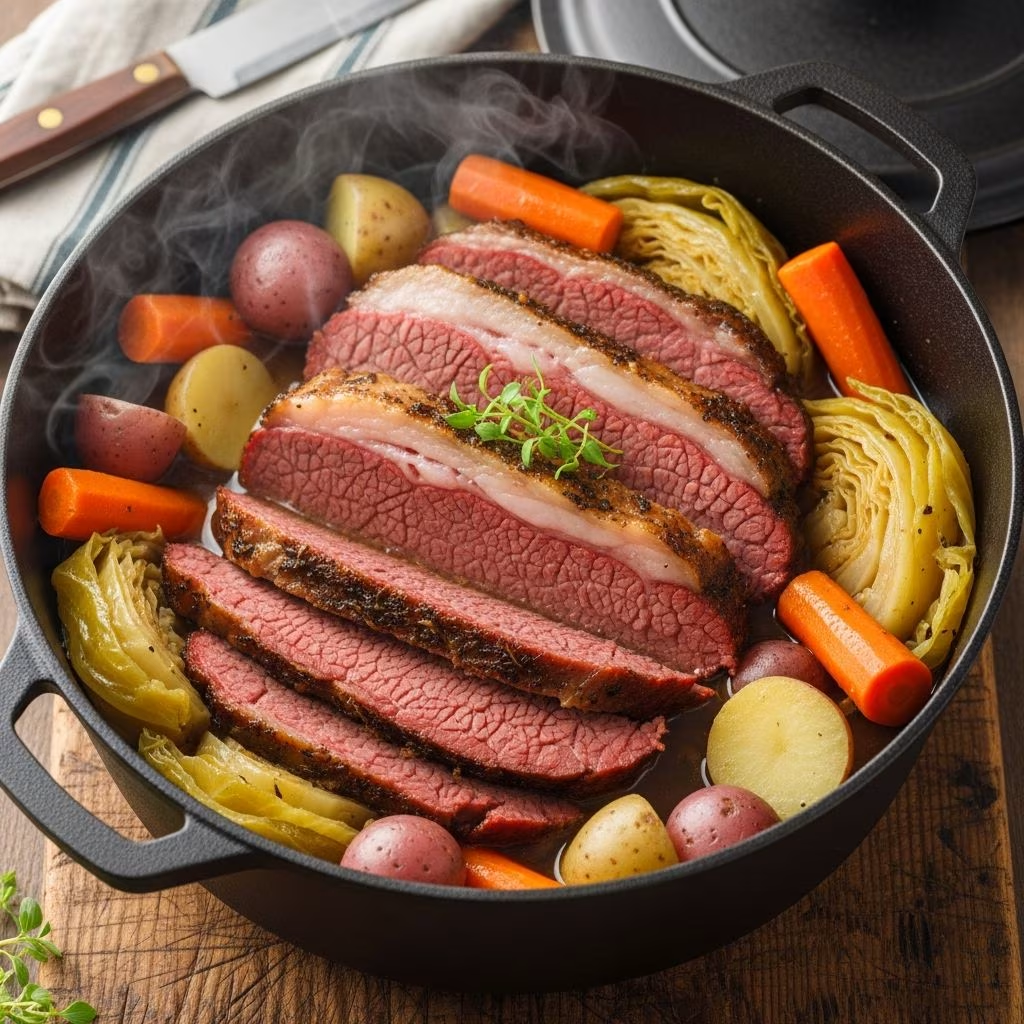
When it comes to preparing corned beef efficiently without sacrificing tenderness and flavor, the pressure cooker stands out as an exceptional kitchen tool. What traditionally takes several hours of stovetop simmering can now be accomplished in a fraction of the time, delivering the same melt-in-your-mouth texture and savory depth that makes this classic dish so beloved. Whether you’re celebrating St. Patrick’s Day or simply craving a hearty meal, understanding the fundamentals of pressure cooking corned beef will elevate your culinary skills and ensure consistent, restaurant-quality results.
Understanding Pressure Cooking Advantages for Corned Beef
The pressure cooker revolutionizes the way we approach tougher cuts of meat like brisket. By trapping steam and raising the internal temperature above normal boiling point, this cooking method accelerates the breakdown of collagen and connective tissue that makes brisket naturally tough. The moist heat environment created inside the pressure cooker penetrates deeply into the meat, infusing it with the flavors of your liquid base and aromatics while simultaneously tenderizing it from within.
Traditional stovetop methods require careful monitoring and can take 3-4 hours or longer. A pressure cooker condenses this timeline dramatically, typically requiring just 70-105 minutes of actual cooking time, depending on the size of your brisket. When you factor in the time the cooker takes to build pressure (usually 8-15 minutes) and the natural release period, you’re still looking at a significantly faster overall process compared to conventional approaches.
Selecting and Preparing Your Corned Beef Brisket
Choosing the right cut begins with understanding what you’re purchasing. Corned beef briskets are typically sold vacuum-sealed and pre-packaged, usually weighing between 2.5 and 5 pounds. The cut itself consists of the brisket flat, which is leaner, or the brisket point, which contains more marbling and fat. Most retail packages include a spice packet containing pickling spices—a blend of seasonings essential to authentic corned beef flavor.
Before cooking, remove the brisket from its packaging and rinse it thoroughly under cold water. This step removes excess surface salt and brine that could make your final dish overly salty. Pat the meat completely dry with paper towels; moisture on the surface can interfere with browning and affects the overall texture of the finished dish. The fat cap—the layer of fat covering one side—should remain intact, as it bastes the meat during cooking and contributes essential flavor.
If your packaged corned beef didn’t include a spice packet, don’t worry. Standard pickling spice contains mustard seeds, peppercorns, coriander seeds, bay leaves, and other aromatics that you can source individually or purchase pre-mixed.
Essential Ingredients and Liquid Foundations
The foundation of your pressure cooker corned beef starts with choosing the right cooking liquid. Most recipes call for beef broth as the primary liquid, typically ranging from 3-4 cups, which provides a savory base that enhances the meat’s natural flavors. Some cooks prefer adding beer—usually a hearty ale or stout—which adds depth and complexity to the broth.
Beyond the primary liquid, layering aromatics beneath and on the brisket creates a flavorful bed that prevents sticking and infuses the meat with subtle notes. Standard aromatics include:
- Yellow or white onions, sliced into rounds
- Whole garlic cloves, peeled
- Fresh bay leaves
- Thyme sprigs
- The included or homemade pickling spice packet
Some recipes incorporate additional flavor elements like mustard seeds, whole cloves, and peppercorns, which can be added directly to the cooking liquid. The reserved spice packet that comes with commercial corned beef contains these seasonings in proper proportions, so starting with this as your base is advisable.
Timing Guidelines Based on Brisket Weight
Achieving the perfect texture—fork-tender yet sliceable—requires following weight-based cooking times. The relationship between meat size and cooking duration is critical to success, as undershooting results in tough, chewy meat, while overshooting can produce a mushy, falling-apart texture unsuitable for slicing.
| Brisket Weight | Cooking Time at High Pressure | Natural Release Time |
|---|---|---|
| 2 pounds | 70 minutes | 15 minutes |
| 2.5-3 pounds | 75-80 minutes | 15-20 minutes |
| 3-4 pounds | 85-90 minutes | 20 minutes |
| 4-5 pounds | 95-105 minutes | 20 minutes |
| 6 pounds | 105-120 minutes | 20 minutes |
Remember that these times represent active pressure cooking only. Add approximately 10-15 minutes to your total cooking time for the pressure cooker to build pressure initially. Most recipes recommend a full natural pressure release rather than quick-releasing, as this gentle depressurization allows residual heat to continue tenderizing while preventing the meat from seizing up due to sudden pressure changes.
Step-by-Step Cooking Instructions
Preparation Phase
Begin by placing your trivet (the metal rack that comes with most pressure cookers) into the bottom of the pot insert. Add your aromatics directly to the pot—sliced onions, garlic cloves, bay leaves, and thyme sprigs create an aromatic base. Pour your chosen broth over these vegetables, typically using 2.5-4 cups depending on the recipe.
Position the trivet in the pot and carefully place your rinsed and dried corned beef brisket on top, fat cap facing upward. This orientation allows the fat to naturally baste the meat throughout cooking. Distribute your pickling spices across the surface of the meat, or pour the spice packet contents into the liquid if you prefer a more blended seasoning approach.
Sealing and Cooking
Close and lock the pressure cooker lid, ensuring the sealing ring is properly seated. Switch the pressure release valve to the sealing position. Select the high-pressure setting and input your cooking time based on your brisket’s weight. The cooker will take 8-15 minutes to build pressure—this time is automatic and not adjustable.
Pressure Release
When the cooking time completes, resist the urge to immediately quick-release pressure. Instead, let the cooker depressurize naturally for at least 15-20 minutes. During this period, residual steam continues the cooking process gently, ensuring even texture throughout the meat. After the natural release period, if pressure remains (indicated by the pressure indicator valve), you can perform a quick release to remove any remaining steam.
Post-Cooking Techniques and Finishing Touches
Once pressure is fully released and the lid can be safely opened, carefully remove the corned beef and transfer it to a cutting board or serving platter. Tent it loosely with aluminum foil to maintain warmth while you prepare vegetables or make final adjustments. The cooking liquid remaining in the pot is now infused with incredible flavor and makes an excellent broth for serving alongside your meal or for gravy.
For those following traditional corned beef and cabbage preparations, add cut vegetables during the final cooking phase. However, since vegetables have dramatically different cooking times, many recipes recommend cooking the corned beef completely first, then using a quick sauté function to cook vegetables separately in the reserved broth.
Some advanced recipes incorporate a finishing technique by broiling the cooked brisket with a crispy garlic topping. To execute this, mix reserved pickling spices with garlic paste and black pepper, spread this mixture over the fat cap, and broil at high temperature for 5-10 minutes until golden and crispy.
Slicing and Serving Recommendations
The most important rule when slicing corned beef is to cut against the grain. Identify the grain direction—the lines running through the meat—and slice perpendicular to these lines. This technique shortens the muscle fibers, resulting in more tender, less chewy slices. A sharp carving knife or electric knife works better than standard kitchen knives for achieving clean, even slices.
Serve your sliced corned beef with some of the flavorful cooking liquid drizzled over top to add moisture and enhance the savory profile. Traditional accompaniments include boiled potatoes, cabbage wedges, and carrots that have been cooked separately to maintain their texture and prevent them from becoming mushy.
Frequently Asked Questions
How can I store leftover corned beef?
Store leftover corned beef in an airtight container in the refrigerator for up to 4 days. You can freeze it for up to 3 months. Reheat gently in the oven at 325°F with a bit of the reserved broth to prevent drying out.
What if my corned beef comes out too tough?
Tough results typically indicate insufficient cooking time. Ensure you’re following weight-based timing accurately, and consider adding 10 minutes to your next attempt if using a similar-sized brisket.
Can I use a stovetop pressure cooker instead of an electric one?
Yes, stovetop pressure cookers work excellently for this recipe. Follow the same timing guidelines, but monitor the pressure indicator throughout cooking to maintain consistent high pressure.
Should I brown the brisket before pressure cooking?
Browning is optional. While it can add extra depth of flavor through the Maillard reaction, pressure cooking alone produces tender, flavorful results. If you choose to brown, do so in the pot on the sauté function before adding liquid and pressure cooking.
What liquid alternatives work best?
Beef broth, chicken broth, or a combination of broth with beer all work well. Water can be used in a pinch but produces less flavorful results. Some recipes incorporate a small amount of liquid smoke for enhanced complexity.
Troubleshooting Common Issues
If your pressure cooker doesn’t reach pressure, check that the sealing ring is properly positioned and ensure your liquid level meets minimum requirements (usually at least 1 cup). If meat remains tough after cooking, the most likely cause is insufficient cooking time for the brisket’s weight.
Mushy, falling-apart texture results from excessive cooking time. If this occurs, you’ve exceeded the optimal cooking duration and should reduce time slightly for your next attempt. Keep detailed notes on your cooking process to refine your technique over multiple attempts.
Conclusion
Mastering pressure cooker corned beef opens possibilities for creating this classic dish on busy weeknights when traditional methods seem impractical. By understanding the relationship between brisket weight and cooking time, properly preparing your ingredients, and following natural pressure release guidelines, you’ll consistently produce restaurant-quality results that impress family and guests alike.
References
- Instant Pot Corned Beef and Cabbage — Striped Spatula. 2024. https://stripedspatula.com/instant-pot-corned-beef/
- Pressure Cooker Corned Beef and Cabbage: Paleo, Primal, Gluten-free, Whole30 — The Domestic Man. 2015. https://thedomesticman.com/2015/04/14/pressure-cooker-corned-beef-and-cabbage/
- Pressure Cooker Corned Beef and Cabbage (Tender Every Time) — The Foodie Eats. 2024. https://thefoodieeats.com/pressure-cooker-corned-beef-and-cabbage/
- How to Make Tender Corned Beef and Cabbage in the Instant Pot — Casa de Crews. 2024. https://www.casadecrews.com/instant-pot-corned-beef-and-cabbage/
- Instant Pot Corned Beef and Cabbage — Valerie’s Kitchen. 2024. https://www.fromvalerieskitchen.com/instant-pot-corned-beef-and-cabbage/
- Pressure Cooker Corned Beef & Cabbage — Trader Joe’s. https://www.traderjoes.com/home/recipes/pressure-cooker-corned-beef-cabbage.html