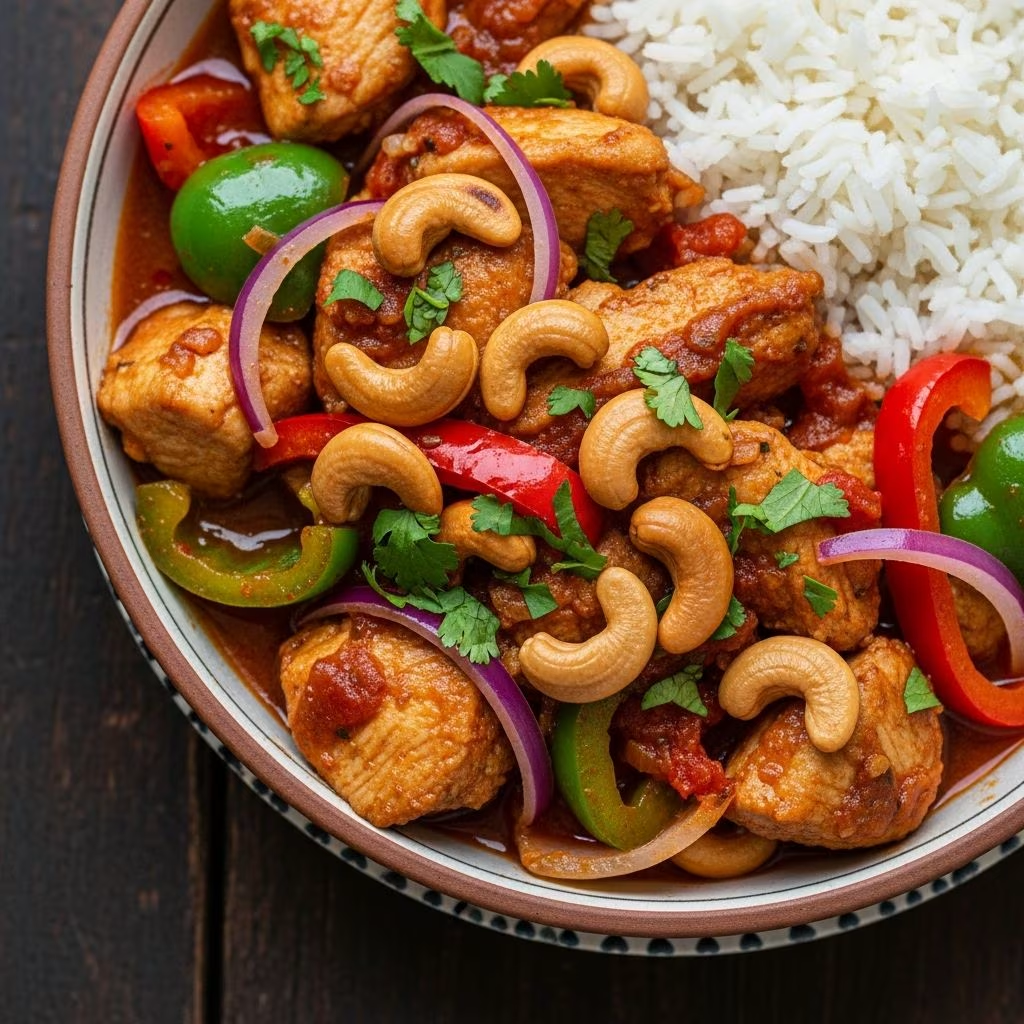
Poul Ak Nwa represents one of Haiti’s most beloved culinary treasures, combining tender chicken with the subtle richness of cashews in a savory sauce that has graced family tables for generations. This dish, known in French as Poulet aux Noix, exemplifies the depth and complexity that characterizes Haitian cooking. The combination of aromatic herbs, the umami-rich tomato base, and the velvety texture created by ground cashews makes this a standout meal that impresses both everyday diners and those seeking an authentic Caribbean experience.
Understanding the Dish’s Geographic and Cultural Significance
This iconic preparation originated primarily in Haiti’s northern regions, with particular prominence around Cap Haitian, an area renowned for its abundant cashew cultivation and culinary innovation. The dish reflects the resourcefulness and flavor sophistication of Haitian cooks who developed techniques to transform simple ingredients into something extraordinary. The use of cashews in this region became so integral to local cooking that it defined entire families of dishes and regional identity. Understanding the geographic roots of Poul Ak Nwa provides context for why this preparation remains central to Haitian dining culture and why it has become a staple at family gatherings and celebratory meals.
Key Components and Their Roles
The Aromatic Foundation: Épis
Épis, the Haitian green seasoning, forms the flavor backbone of this dish. This traditional mixture combines fresh herbs and aromatics that are either purchased pre-made or prepared at home by mincing together scallions, parsley, garlic, and other fresh ingredients. The épis serves multiple functions: it seasons the chicken during marination, creates depth in the broth, and ensures authentic flavor that distinguishes Haitian cooking from other Caribbean traditions. Using quality épis, whether homemade or sourced from specialty markets, elevates the final dish considerably.
The Bouquet Garni: A Flavor Infusion Tool
Assembling a proper bouquet garni involves wrapping aromatic herbs and spices in cheesecloth, creating a flavor packet that seasons the cooking liquid without dispersing individual components throughout the dish. Traditional ingredients include thyme sprigs, parsley stems, scallion heads, habanero pepper, whole peppercorns, cloves, and garlic. This technique allows cooks to achieve layered flavoring while maintaining the ability to remove the bundle before serving, ensuring a refined presentation. The bouquet garni method dates back centuries in classical cooking traditions and remains particularly valuable in Caribbean preparations where bold flavors develop through careful infusion rather than direct addition.
Cashews: The Heart of the Dish
Raw cashews function as both a textural and flavor component in this preparation. The cashews require different treatments depending on desired outcomes: some recipes employ raw nuts soaked in water to soften them slightly, while others incorporate pre-cooked cashews. Ground cashew powder dissolves into the cooking liquid, creating a naturally creamy sauce without dairy products, while whole cashew halves added near the end provide textural contrast and visual appeal. The kidney-shaped nuts come from a tropical evergreen tree and contribute a subtle earthiness that complements the savory chicken and tomato-based sauce.
Preparation Methodology and Techniques
Marination: Building Foundational Flavor
Proper marination separates adequate versions of this dish from exceptional ones. Seasoning the chicken generously with épis, salt, and pepper, then allowing it to rest for at least three to four hours—preferably overnight—permits the aromatics to penetrate the meat thoroughly. This extended marination time ensures that seasoning reaches beyond the surface, creating uniformly flavored chicken throughout the cooking process. The overnight option allows busy cooks to prepare the dish across two days, making it practical for weeknight entertaining or Sunday meal preparation.
Searing for Depth and Color
Cooking chicken in small batches in a heated dense pot with oil creates a golden-brown exterior that develops complex flavors through the Maillard reaction. This technique requires patience and attention to avoid overcrowding the cooking vessel, which would steam the chicken rather than sear it. Working with leg quarters, which provide more flavor than breast meat alone, ensures the finished dish has robust character. The searing step, though time-consuming, establishes flavor foundations that cannot be replicated through any other cooking method.
Building the Sauce: Layer by Layer
After removing seared chicken, tomato paste receives direct heat in the empty pan, allowing it to caramelize and concentrate its flavors for approximately two minutes. This step, sometimes overlooked in simplified recipes, dramatically enhances the sauce’s depth. Adding chicken stock or broth follows, then incorporating finely ground cashew powder ensures the powder dissolves completely into the liquid rather than forming lumps. The sauce should reach a silky consistency through proper incorporation of all components before the chicken returns to the pot.
Cooking Process and Temperature Considerations
Once assembled with the bouquet garni, the dish requires careful monitoring to achieve proper doneness without overcooking. The chicken must be at least three-quarters submerged in the cooking liquid to ensure even cooking and optimal sauce absorption. Bringing the mixture to a boil, then reducing heat to maintain a gentle simmer for approximately thirty minutes, allows the chicken to reach a safe internal temperature of 165°F while the sauce develops fuller flavors. This gentle approach prevents the chicken from becoming tough or stringy, a common problem when cooking at high temperatures for extended periods.
Near the end of the cooking process, whole cashew halves, julienned bell peppers, and sliced onions enter the pot, cooking for a final seven minutes. This timing ensures vegetables maintain some textural integrity while the cashew halves warm through without becoming mushy. The seven-minute window provides sufficient time for flavors to meld while preserving the distinction between cooking stages and preventing the finished dish from becoming an undifferentiated mush.
Alternative Cooking Methods for Modern Kitchens
While traditional stovetop preparation remains popular, modern cooks have adapted this recipe for pressure cookers and instant pots, significantly reducing cooking time while maintaining flavor integrity. These alternative methods prove particularly valuable for time-constrained cooks who want authentic results without extended cooking periods. The pressure cooking environment intensifies flavors through rapid steam processing, sometimes producing even more deeply developed tastes than stovetop methods. Regardless of the chosen method, the foundational techniques of proper marination and sauce building remain essential for success.
Ingredient Selection and Sourcing
| Ingredient | Selection Notes | Sourcing |
|---|---|---|
| Chicken | Leg quarters provide optimal flavor; cut in half for portion size | Standard grocery stores; butcher shops for custom cuts |
| Cashews | Must be raw; toasted cashews develop different flavor profiles | Specialty markets, bulk sections, online retailers |
| Épis | Homemade or pre-prepared; determines authenticity level | Caribbean markets, specialty grocers, homemade preparation |
| Tomato Paste | Concentrated paste, not sauce; allows flavor control | Standard grocery stores; quality varies by brand |
| Bouquet Garni Components | Fresh herbs essential; dried options provide different results | Farmers markets, grocery stores produce sections |
Serving Recommendations and Pairings
Traditional accompaniments to Poul Ak Nwa include white rice, which absorbs the flavorful sauce perfectly, creating a harmonious dish. Fresh avocado slices provide cooling richness that contrasts with the warm, savory chicken preparation. Alternative sides include boiled plantains or rice and beans combinations, both common in Haitian cuisine and complementary to this dish. The choice between sides depends on personal preferences and what other components constitute the meal. Some cooks prepare this dish as part of larger Sunday spreads featuring multiple traditional sides, while others serve it simply with rice and greens for weeknight meals.
Nutritional Profile and Dietary Considerations
Cashews provide healthy monounsaturated fats alongside protein, making them a nutritious component of this dish. The cooking method—searing and simmering rather than deep frying—keeps fat content reasonable for a protein-centered main course. Chicken leg quarters offer more iron and zinc than white meat alternatives, though they contain more fat than breast meat. The vegetables incorporated throughout the cooking process add fiber and micronutrients without significant caloric contribution. This dish, when served with whole grain rice or vegetable-forward sides, comprises a balanced meal suitable for various dietary approaches.
Frequently Asked Questions
Can I use chicken breast instead of leg quarters?
While possible, chicken breasts produce drier results and lack the deep flavor that leg quarters provide. If using breasts, reduce cooking time by approximately ten minutes and monitor moisture levels carefully to prevent overcooking.
Where can I find raw cashews if my local store doesn’t carry them?
Online retailers specializing in nuts and bulk foods reliably stock raw cashews year-round. Caribbean markets and specialty grocery stores that serve communities with strong ties to Caribbean cooking also typically maintain inventory of raw cashews and other traditional ingredients.
How far in advance can I prepare this dish?
Poul Ak Nwa actually improves with time as flavors meld and deepen. Preparing it a day ahead and reheating gently produces superior results compared to serving immediately. Store in airtight containers in the refrigerator for up to four days or freeze for longer-term storage.
Is this dish spicy or can I adjust heat levels?
The habanero pepper in the bouquet garni provides warmth rather than intense heat, as it infuses rather than directly seasoning each bite. Adding an additional habanero pepper or using hot pepper sauce at the table allows diners to control spice intensity individually.
What if I’m allergic to cashews?
This modification presents challenges since cashews define the dish’s character. Some cooks have experimented with macadamia nuts or peanut powder as substitutes, though results differ significantly from the traditional preparation. Consulting allergy-aware Caribbean cookbooks may reveal alternative preparations that maintain the dish’s spirit.
Mastering the Nuances
Success with Poul Ak Nwa depends less on exotic ingredients than on respecting traditional techniques and allowing adequate time for flavor development. The marination period shouldn’t be rushed, the searing step shouldn’t be skipped, and the final simmering shouldn’t be hurried. Each stage builds upon previous ones, creating a dish where individual components achieve harmony through careful preparation rather than complexity of technique. Home cooks new to this preparation should follow recipes closely for their first attempt, then adjust seasonings and components based on personal preferences in subsequent preparations.
This Haitian classic represents more than a collection of ingredients and cooking steps; it embodies culinary tradition, regional pride, and the resourcefulness of cooks who transformed available ingredients into dishes of genuine sophistication. Whether preparing it for family gatherings or introducing it to those unfamiliar with Caribbean cuisine, Poul Ak Nwa offers genuine rewards for the care invested in its preparation.
References
- Poul Ak Nwa – Haitian Chicken With Cashews — Black Foodie. Accessed April 2026. https://www.blackfoodie.co/recipe/poul-ak-nwa-haitian-chicken-with-cashews/
- Poul Ak Nwa – Haitian Chicken with Cashews — Extra Supermarkets. Accessed April 2026. https://www.extrasupermarkets.com/post/poul-ak-nwa-haitian-chicken-with-cashews
- Haitian Poulet Aux Noix {Poul Ak Nwa} — Savory Thoughts. Accessed April 2026. https://www.savorythoughts.com/poulet-aux-noix/
- Cashews: Nutrition and Health Benefits — Harvard School of Public Health. 2024. https://www.hsph.harvard.edu/nutritionsource/food-features/cashews/
- Poul Ak Nwa | Chef Lemaire’s Haitian Chicken with Cashews — Black Foodie. Accessed April 2026. https://www.youtube.com/watch?v=jlLpDNNcpe4