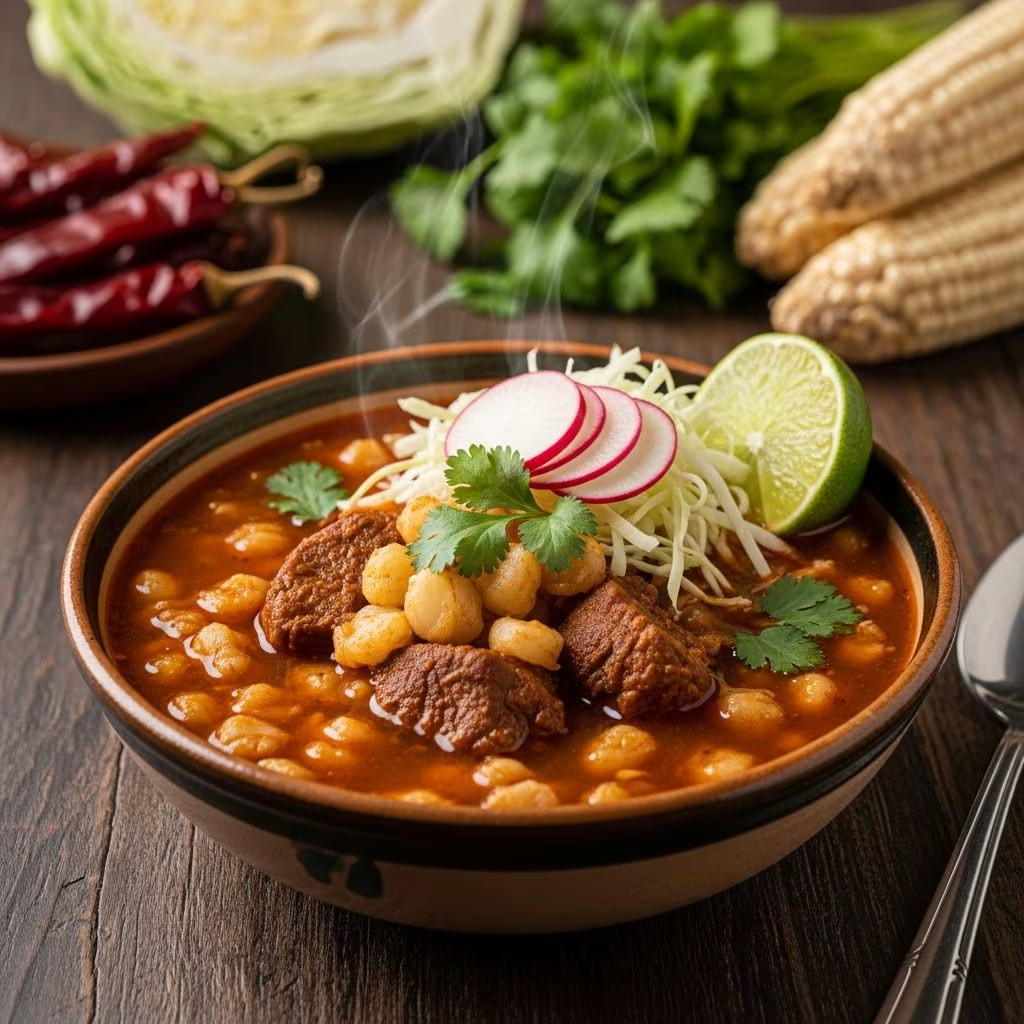
Posole soup, also known as pozole, stands as a cornerstone of Mexican cuisine, celebrated for its hearty broth, tender meat, and distinctive hominy kernels. This traditional dish traces its roots to pre-Columbian times, where it was prepared for special occasions using corn treated with lime to create nixtamalized hominy. Today, it remains a staple at gatherings, offering warmth and bold flavors through combinations of pork or chicken simmered in a rich, chili-infused stock.
The Origins and Cultural Importance of Posole
Posole’s history intertwines with ancient Mesoamerican rituals, where it symbolized abundance and was often made with pork after the Spanish introduced the ingredient. In regions like New Mexico and central Mexico, variations such as red (rojo), green (verde), or white (blanco) reflect local chiles and traditions. Families pass down recipes across generations, adapting them for holidays like New Year’s or Day of the Dead.
The dish’s name derives from the Nahuatl word for hominy, highlighting its key ingredient. Unlike regular corn, hominy undergoes nixtamalization, a process that enhances nutrition and texture, making the kernels plump and chewy in soup. Modern cooks appreciate posole for its versatility, allowing quick versions with canned hominy or slow-simmered ones with dried kernels for deeper flavor.
Essential Ingredients for Genuine Posole
Building a flavorful posole starts with quality components. Core elements include hominy, meat, aromatics, and a chili base, balanced by fresh garnishes.
- Hominy: Canned white hominy (25-29 oz per can) offers convenience; drain and rinse before use. Dried posole requires overnight soaking and longer cooking but yields superior texture.
- Meat: Pork shoulder or butt (2-3 lbs), cubed or shredded, provides tenderness after slow cooking. Chicken thighs or breasts work for lighter versions.
- Chili Base: Dried chiles like guajillo, ancho, or New Mexico for red posole; blend into a paste after soaking. Tomato paste or sauce adds body in quicker recipes.
- Aromatics: Onion, garlic (5-8 cloves), Mexican oregano (1-2 tbsp), cumin (1 tbsp), bay leaves, and optional spices like chili powder or cayenne.
- Liquids: Chicken or pork broth (6-8 cups), water, for simmering.
Garnishes elevate the dish: shredded cabbage, thinly sliced radishes, chopped onion, cilantro, lime wedges, oregano, and salsa. Serve with warm corn tortillas.
Classic Pork Posole Rojo Recipe
This traditional pork posole rojo serves 8-10, ready in 3-4 hours on the stovetop.
Ingredients
| Ingredient | Quantity |
|---|---|
| Pork shoulder, cubed | 2 lbs |
| White hominy (canned, drained) | 4 cans (15 oz each) |
| Dried chiles (guajillo, ancho) | 6-8 |
| Onion, diced | 1 large |
| Garlic, minced | 6 cloves |
| Mexican oregano | 2 tbsp |
| Cumin | 1 tbsp |
| Chicken broth | 8 cups |
| Water | 4 cups |
| Bay leaf | 1 |
| Salt | To taste |
Step-by-Step Directions
Prepare chili paste: Remove stems and seeds from dried chiles. Soak in hot water for 20-30 minutes until soft. Blend with 1-1.5 cups soaking liquid, garlic, salt, and a splash of broth until smooth. Strain for silkiness.
Brown the pork: Heat oil in a large pot over medium-high. Sear pork cubes in batches for 5 minutes until golden. Remove and set aside.
Sauté aromatics: In the same pot, cook diced onion for 4 minutes until softened. Add remaining garlic, oregano, and cumin; stir 30 seconds.
Simmer the base: Return pork to pot. Pour in broth, water, bay leaf, and 1 cup chili paste. Bring to a boil, then reduce to low simmer. Cover partially and cook 2-2.5 hours until pork shreds easily. Skim foam.
Add hominy: Stir in drained hominy. Simmer 30-60 more minutes until kernels burst slightly. Adjust salt and chili puree for heat.
Rest and serve: Let sit 10 minutes off heat. Shred pork in pot if needed.
Total time: 3.5 hours. Per serving (approx.): 350 calories, high in protein.
Quick Chicken Posole Variation
For a lighter, 1-hour version using chicken, ideal for weeknights.
- Use 2 lbs chicken thighs or breasts, cubed.
- Quick sauce: Sauté onion in oil, add flour, chili powder (2 tbsp), tomato paste (3 oz), cumin, garlic powder, cayenne, salt. Whisk in water and broth.
- Add shredded pre-cooked chicken or simmer fresh chicken 20-30 minutes.
- Incorporate 2-3 cans hominy and diced green chiles. Heat 10 minutes.
This method yields intense flavor without long cooking, perfect for leftovers.
Alternative Cooking Methods
Adapt posole for modern tools:
- Instant Pot: Sear pork on sauté mode. Add all ingredients except hominy. Pressure cook 35-45 minutes high pressure, natural release 15 minutes. Stir in hominy, simmer 10 minutes.
- Slow Cooker: Brown meat first. Combine everything in cooker on low 6-8 hours. Add hominy last hour.
- Dried Hominy: Soak overnight, cook with pork from start for 4+ hours until tender.
Customizing Your Posole: Variations and Tips
Experiment with colors:
- Green Posole (Verde): Use tomatillos, green chiles (poblanos, jalapeños), cilantro for fresh tang.
- White Posole: Skip chili paste; rely on garlic, onion, oregano for subtle savoriness.
- Vegetarian: Swap meat for mushrooms, beans; use vegetable broth.
Pro tips:
- Strain chili puree to remove skins for smoother broth.
- Skim fat during simmering for cleaner taste.
- Hominy should ‘bloom’—kernels splitting open signals doneness.
- Freeze extras; flavors deepen overnight.
Perfect Garnishes and Pairings
Garnishes add crunch and brightness:
| Garnish | Prep | Flavor Role |
|---|---|---|
| Shredded cabbage | Thin strips | Crisp, cooling |
| Radishes | Sliced thin | Peppery crunch |
| Onion | Diced fine | Sharp bite |
| Cilantro | Chopped | Fresh herbal |
| Lime | Wedges | Acidic lift |
| Oregano | Dried, sprinkled | Earthy depth |
Pair with warm corn tortillas, rice, or bolillos. Beverages: horchata, michelada, or light beer.
Nutrition and Health Benefits
Posole offers balanced nutrition: hominy provides fiber and niacin; pork/chicken adds protein (25-30g per bowl). Chiles deliver vitamins A, C, antioxidants. Use lean meat and low-sodium broth for heart-healthy options. One bowl: ~400 calories, 20g fat, 40g carbs.
Frequently Asked Questions (FAQs)
What is the difference between posole and pozole?
They are the same dish; ‘posole’ is the New Mexican spelling, ‘pozole’ more common in Mexico.
Can I make posole in advance?
Yes, it tastes better reheated. Store in fridge 3-4 days or freeze 3 months.
Is hominy the same as corn?
No, hominy is alkali-treated corn, larger and chewier.
How spicy is posole?
Varies by chiles; start mild, adjust puree to taste.
Vegetarian substitute for pork?
Mushrooms, jackfruit, or extra beans mimic texture.
Troubleshooting Common Issues
- Broth too thin? Simmer uncovered longer or add corn masa slurry.
- Too spicy? Dilute with more broth; balance with lime.
- Hominy tough? Canned is ready; dried needs 2+ hours.
- Meat dry? Use shoulder cuts; don’t overcook in pressure methods.
References
- Easy 30 Minute Posole — Budget Bytes. 2023-05-15. https://www.budgetbytes.com/30-minute-posole/
- New Mexican Posole — House of Nash Eats. 2022-11-10. https://houseofnasheats.com/new-mexican-posole/
- Pozole — Tastes Better from Scratch. 2024-01-20. https://tastesbetterfromscratch.com/pozole/
- Chicken Pozole Recipe — Joe Eats World. 2023-08-05. https://joeeatsworld.com/soup-recipes/how-to-make-mexican-chicken-pozole/
- Red posole (pozole rojo) for New Year’s Day — Homesick Texan. 2021-12-28. https://www.homesicktexan.com/posole-recipe-new-years-day/
- POZOLE ROJO is a must-make authentic Mexican soup recipe! — YouTube (Video). 2023-10-12. https://www.youtube.com/watch?v=bfa9DEe5akU
- Pozole Rojo (Pork and Hominy Soup) — Kevin Is Cooking. 2024-02-14. https://keviniscooking.com/posole-rojo-pork/