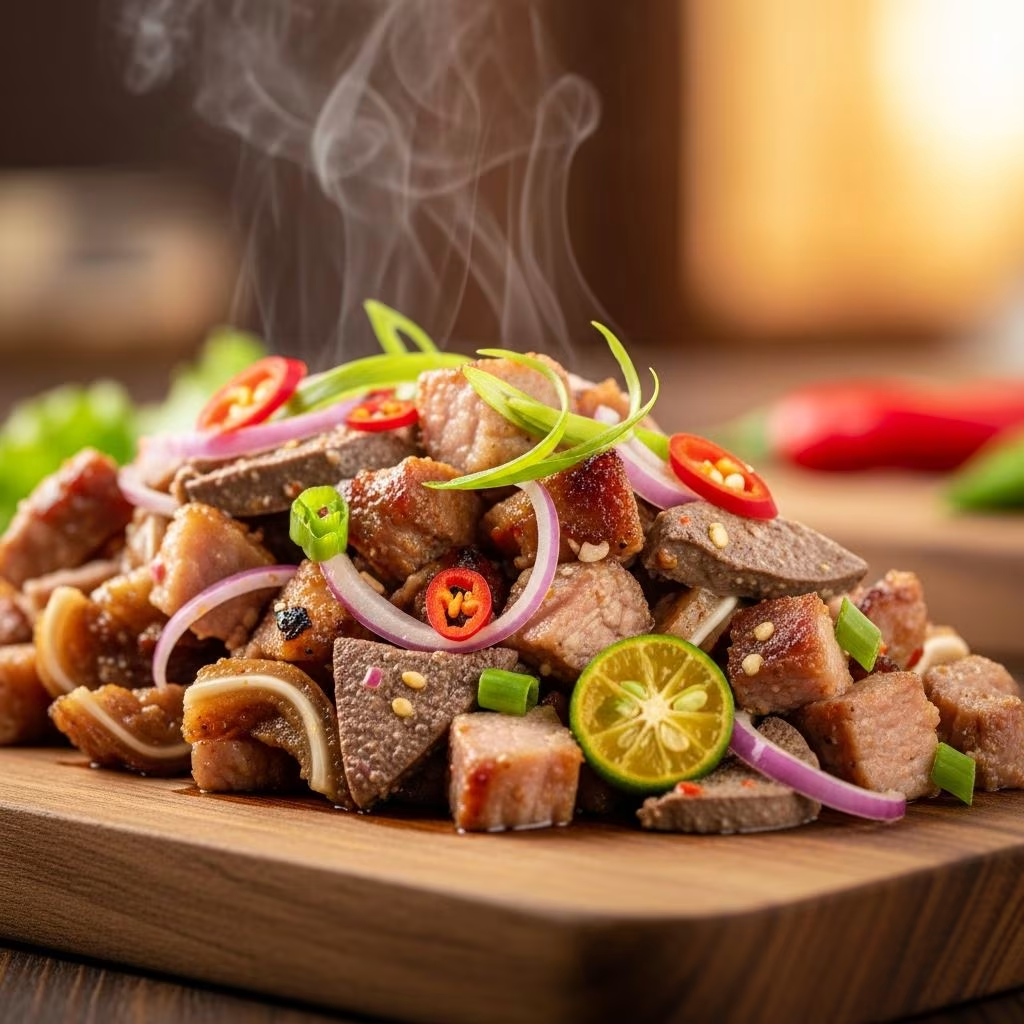
Pork Dinakdakan stands as a hallmark of Ilocano culinary tradition, showcasing the region’s love for bold, smoky flavors and tangy accents. This dish transforms humble pork cuts into a celebration of texture and taste, where grilled meats meet a creamy, citrus-infused dressing. Hailing from the Ilocos region in the northern Philippines, Dinakdakan rivals popular dishes like sisig but distinguishes itself with its unique use of pork face, ears, and often brain for added richness. Whether enjoyed as a hearty main course alongside steaming rice or as a spicy pulutan during lively gatherings with drinks, its versatility makes it a staple in Filipino homes and fiestas.
The Roots and Rise of Dinakdakan in Filipino Food Culture
Dinakdakan’s origins trace back to the resourceful cooking practices of the Ilocano people, who mastered the art of maximizing every part of the pig. Traditionally prepared with pork mask, ears, liver, and brain, the dish reflects a philosophy of nose-to-tail eating deeply embedded in rural Filipino life. The process involves simmering the meats to tenderness, charring them over open flames for that signature smokiness, and finishing with a dressing that balances acidity, creaminess, and heat.
Over time, adaptations have emerged to suit modern kitchens and preferences. While purists insist on pig brain for its silky texture, many contemporary recipes swap it for mayonnaise, making the dish more accessible without compromising flavor. This evolution mirrors broader trends in Filipino cuisine, where traditional recipes adapt to urban lifestyles while preserving cultural essence.
Essential Ingredients for Authentic Pork Dinakdakan
Selecting the right cuts and seasonings is crucial for capturing Dinakdakan’s true character. Here’s a breakdown of core components:
- Pork Cuts: Pork face (mask), cheeks, ears, and jowls provide chewiness and fat; liver adds earthiness. Aim for 2-3 pounds total for a standard batch.
- Aromatics for Boiling: Bay leaves, peppercorns, salt, garlic, and ginger infuse the meat with depth during simmering.
- Dressing Base: Calamansi juice (or lime) for tang, mayonnaise (substitute for brain), and options like vinegar or liquid seasoning for umami.
- Vegetables and Heat: Thinly sliced red onions, Thai chilies or green chilies, and ginger for crunch and spice.
These ingredients create a symphony of flavors: smoky from grilling, creamy from the dressing, sharp from citrus, and fiery from peppers.
Step-by-Step Guide: Boiling, Grilling, and Assembly
Preparing Dinakdakan demands patience across three key stages: boiling, grilling, and mixing. Follow this method for foolproof results.
Stage 1: Simmering the Meats to Perfection
Begin by placing pork face, ears, cheeks, and liver in a large pot. Cover with water, adding 1 tablespoon salt, 1 teaspoon peppercorns, 3 bay leaves, crushed garlic cloves, and sliced ginger. Bring to a boil, skim off scum, then simmer on medium-low for 40-60 minutes until tender but firm. Remove liver early if it cooks faster to avoid toughness. Drain and cool the meats, reserving broth for soups.
Stage 2: Achieving Smoky Char on the Grill
Preheat a charcoal grill or use a stovetop grill pan brushed with oil. Grill the boiled pork pieces over high heat, turning until charred on all sides—about 5-7 minutes per batch. This step imparts the essential smokiness that defines Dinakdakan. For a no-grill version, pan-sear with extra oil to mimic the effect.
Stage 3: Crafting the Dressing and Final Toss
While meats cool slightly, chop into bite-sized strips. In a bowl, mix ½ cup mayonnaise, ¼ cup calamansi juice, 2-3 tablespoons liquid seasoning or soy sauce, and minced ginger. Thinly slice onions and chop chilies. Toss everything together in a large bowl, seasoning with salt and pepper to taste. Let it rest 10 minutes for flavors to meld.
Variations to Suit Every Palate and Pantry
Dinakdakan’s adaptability shines in its variations. Here’s a comparison of traditional versus modern approaches:
| Aspect | Traditional | Modern Twist |
|---|---|---|
| Pork Parts | Face, ears, brain, liver | Belly, cheeks, no brain |
| Creamy Element | Mashed pig brain | Mayonnaise or mayo-vinegar mix |
| Acid | Calamansi or vinegar | Lime, lemon, or Knorr seasoning |
| Cook Method | Charcoal grill | Pan-fry or oven-broil |
| Spice Level | Thai chilies | Green chilies or adjustable heat |
Pork belly versions offer tenderness for beginners, while adding innards amps up authenticity.
Pairing Suggestions: From Pulutan to Full Meals
Dinakdakan excels as pulutan—pair it with ice-cold beer or lambanog for gatherings. As a main, serve with garlic fried rice and atchara (pickled papaya) to cut richness. For family dinners, accompany with sinangag and fried eggs. Its bold profile complements light beers, rum, or even wines like crisp whites.
Pro Tips for Restaurant-Quality Results at Home
- Prep mise en place: Slice onions last to avoid tears and oxidation.
- Balance flavors: Taste dressing before tossing; adjust acid or salt incrementally.
- Grill hot and fast: High heat prevents drying out the meat.
- Resting is key: 15-30 minutes post-toss enhances integration.
- Storage: Refrigerate up to 2 days; reheat gently to preserve texture.
Avoid over-boiling to keep chew; under-grilling leaves it bland.
Nutrition Snapshot and Health Considerations
A 200g serving offers about 450 calories, rich in protein (30g), but high in fat (35g) from pork. It provides iron from liver and vitamin C from calamansi. Moderation suits hearty diets; lighter versions use leaner cuts or less mayo. Not ideal for low-cholesterol plans due to organ meats.
Frequently Asked Questions (FAQs)
What is the main difference between Dinakdakan and Sisig?
Dinakdakan uses more facial pork parts and traditionally pig brain, while sisig emphasizes chopped pork with egg on sizzling plates. Both share grilling and tangy dressings.
Can I make Dinakdakan without grilling?
Yes, pan-sear boiled meats in hot oil or broil in the oven for similar char.
Is pig brain necessary, or can mayo substitute fully?
Mayo replicates the creaminess effectively; brain adds authentic silkiness but requires careful cleaning.
How spicy is Dinakdakan typically?
Medium-hot from chilies; seed them or use fewer for mild versions.
Best pork cuts for beginners?
Pork belly or cheeks for easier tenderness and less prep.
Why Dinakdakan Captures Hearts and Palates
This Ilocano gem endures for its textural contrast—crispy char against creamy dressing—and explosive flavors that evoke fiestas and family bonds. Experiment with the recipe to make it your own, but honor its roots for the fullest experience.
References
- Pork Dinakdakan Recipe — Panlasang Pinoy. 2023-05-15. https://panlasangpinoy.com/pork-dinakdakan-recipe-knr_kls/
- Dinakdakan — Kawaling Pinoy. 2022-11-20. https://www.kawalingpinoy.com/dinakdakan/
- Dinakdakan Recipe Made Easy! — Foxy Folksy. 2023-08-10. https://www.foxyfolksy.com/dinakdakan/
- Pork Dinakdakan Recipe (w/ Mayo – Lady’s Choice) | No Grill — YouTube (Panlasang Pinoy Channel). 2022-06-12. https://www.youtube.com/watch?v=fW2heHJmrsI
- Delicious Pork Dinakdakan | Popular Ilocano Dish — YouTube (Pinoy Spicy Kusina). 2023-03-05. https://www.youtube.com/watch?v=z2r4PJUWfvU