The culinary world has long celebrated the art of combining traditions from different cuisines to create something entirely new and exciting. One such innovation that has captured the hearts and appetites of food enthusiasts worldwide is pizza paratha—a harmonious blend of North Indian flatbread tradition with the beloved flavors of Italian pizza. This remarkable fusion dish has rapidly gained popularity, particularly among families seeking convenient yet delicious meal options for lunch boxes and quick snacks.
Pizza paratha represents more than just a trendy recipe; it embodies the spirit of modern cooking where cultural boundaries dissolve to create accessible, flavorful dishes that appeal to diverse palates. Whether you’re an experienced cook exploring new culinary territories or a home chef looking to impress family members with something different, pizza paratha offers an exciting opportunity to experiment with flavors and techniques while remaining rooted in practical, everyday cooking.
Understanding the Fusion Concept
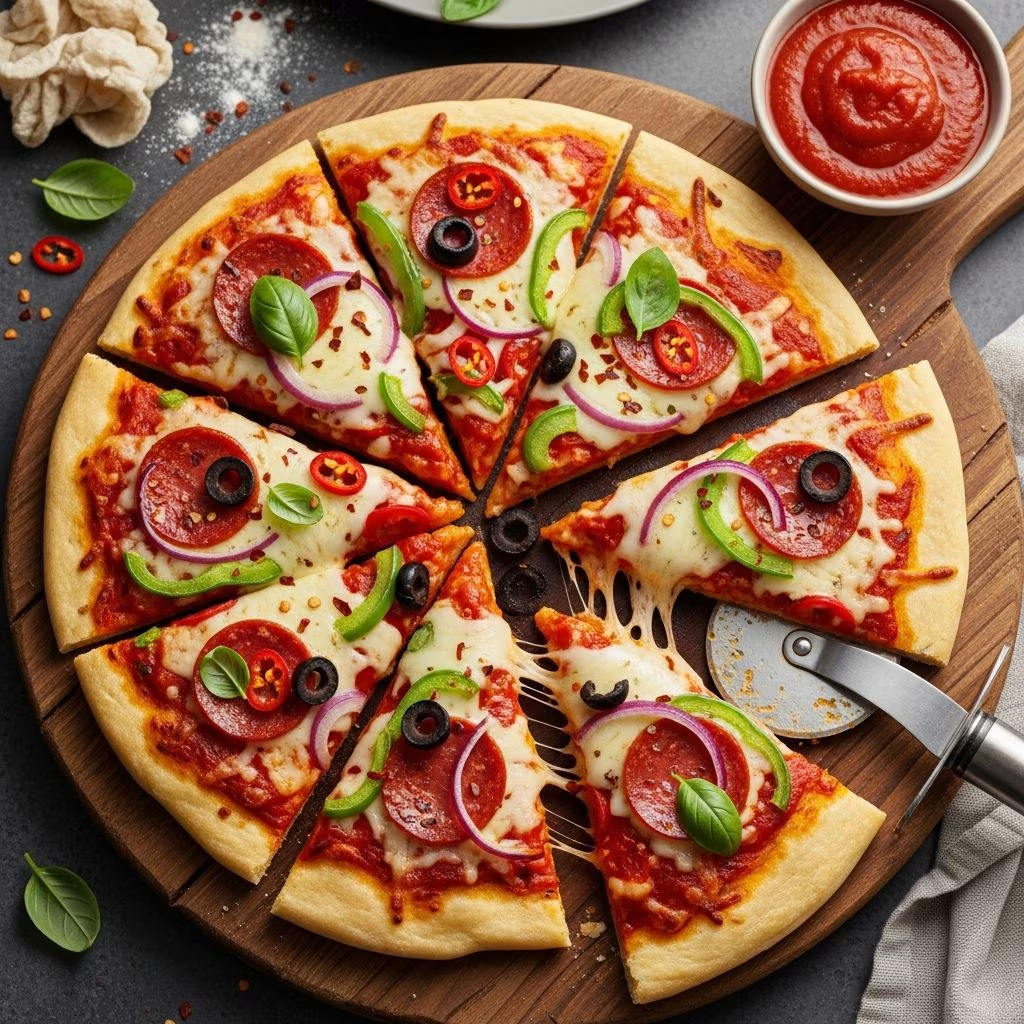
At its heart, pizza paratha is a brilliant convergence of two distinct culinary traditions. The paratha—a traditional unleavened flatbread that has been a staple in Indian cuisine for centuries—serves as the foundation. This versatile base is then enhanced with the characteristic ingredients and seasonings associated with Italian pizza, including mozzarella cheese, pizza sauce, and an array of vegetables and herbs.
The beauty of this fusion lies in its flexibility. While the core concept remains consistent, the specific ingredients and preparation methods can be adapted based on personal preferences, dietary requirements, and available resources. This adaptability makes pizza paratha an ideal dish for families with varying tastes, allowing each person to customize their portion while maintaining the essential character of the dish.
The fusion approach has proven particularly appealing to younger generations and busy professionals who appreciate the convenience of a single-item meal that doesn’t require additional accompaniments. The combination of protein, vegetables, carbohydrates, and dairy in one paratha creates a nutritionally balanced option that satisfies diverse dietary needs.
Essential Ingredients for the Base Dough
Creating an excellent pizza paratha begins with developing a quality dough that serves as the foundation for all subsequent steps. The base requires minimal ingredients, reflecting the simplicity and elegance of traditional paratha-making while maintaining the structural integrity needed for stuffing.
- Wheat flour (Atta): The primary component, typically requiring 2 cups for a standard batch. This provides the structure and traditional taste familiar to those accustomed to Indian flatbreads.
- Oil: Usually about 1 teaspoon per cup of flour, helping to create flakiness and improve the texture of the finished product.
- Salt: Essential for flavor development, typically ½ to 1 teaspoon depending on personal preference and other ingredients used.
- Water: Added gradually to achieve the appropriate consistency, allowing for proper kneading without excess moisture.
The dough preparation process involves combining dry ingredients thoroughly, then gradually incorporating water while kneading to develop a smooth, elastic texture. Most recipes recommend allowing the dough to rest for approximately 30 minutes before shaping, which permits the gluten to relax and improves workability during the rolling stage.
Preparing the Flavorful Filling
The filling distinguishes pizza paratha from a standard paratha and determines much of its flavor profile. While the traditional Italian pizza approach emphasizes fresh tomato sauce and cheese, the Indian adaptation typically incorporates finely chopped vegetables that cook quickly and integrate seamlessly into the flatbread structure.
Vegetable Selection and Preparation
The vegetable components should be finely chopped to ensure even distribution throughout the paratha and to allow for thorough cooking without creating an overstuffed or difficult-to-seal flatbread. Common choices include onions, bell peppers in various colors, carrots, and additional vegetables based on personal preference.
A crucial technique involves salting the chopped vegetables and allowing them to sit for several minutes before draining off any accumulated liquid. This preliminary step reduces excess moisture in the filling, preventing the paratha from becoming soggy and ensuring better structural integrity during cooking.
- Onions: Provide foundational flavor and texture
- Bell peppers: Add sweetness and color variety
- Carrots: Contribute subtle sweetness and nutritional value
- Baby corn or sweet corn: Offer texture contrast and mild flavor
- Jalapeños or green chilies: Introduce heat for those preferring spicier versions
- Olives: Provide authentic pizza character and briny flavor
Cheese and Seasonings
Mozzarella cheese forms the primary dairy component, typically grated to facilitate even melting and distribution throughout the filling. Most recipes call for approximately 1 cup of grated mozzarella for a standard batch, though this can be adjusted based on preference for richness and melting characteristics.
Seasoning the filling appropriately ensures that each bite delivers complex flavor rather than relying solely on the pizza sauce for taste. Italian seasoning blends, oregano, red chilli flakes, and freshly ground black pepper create an aromatic foundation that complements both the cheese and vegetables. Additionally, using quality pizza sauce or a combination of tomato sauce and chilli sauce provides the essential pizza identity.
Step-by-Step Assembly and Cooking Process
Shaping and Filling
After the dough has rested, divide it into equal portions, typically creating balls approximately lemon-sized or slightly smaller depending on preferred paratha size. Each ball requires gentle flattening and rolling to achieve an even thickness of approximately ¼ inch.
The assembly process differs slightly from standard vegetable parathas due to the pizza filling complexity. Begin by rolling out the first paratha to the desired size and thickness. Lightly spread pizza sauce across the surface, leaving a margin from the edges to facilitate sealing. The filling mixture should be evenly distributed across the sauced paratha, followed by a generous layer of grated mozzarella cheese to encourage melting and binding.
Place the second rolled paratha as a top layer, carefully sealing the edges by pressing firmly and folding inward if necessary. Some traditional techniques involve pleating the edges inward and joining them at the center before rolling the entire paratha to the desired final thickness, which requires practice but creates an exceptionally secure seal.
Cooking Technique
The cooking process requires attention to temperature and timing to achieve the ideal combination of golden-brown exterior and melted filling. Heat a griddle (tawa) or large flat pan over medium to medium-high heat until adequately hot but not smoking excessively.
Carefully place the assembled pizza paratha on the hot cooking surface and allow it to cook for approximately 30 seconds to 1 minute on the first side. Flip the paratha carefully and brush the cooked side with oil before allowing the second side to cook similarly. Continue flipping and brushing with oil until both sides develop golden-brown spots and the cheese interior achieves a melted consistency.
The total cooking time typically ranges from 3 to 5 minutes depending on heat level and paratha thickness. The goal is achieving a crispy exterior while ensuring the filling remains adequately hot and cheese remains properly melted without burning the outer layers.
Variations and Creative Adaptations
The fundamental pizza paratha framework allows for numerous creative interpretations based on regional preferences, dietary restrictions, and ingredient availability. These variations maintain the essential fusion concept while offering different flavor experiences.
Protein-Enhanced Versions
Adding cooked protein options transforms pizza paratha into a more substantial meal. Finely chopped cooked chicken, crumbled cooked ground meat, or even plant-based protein alternatives can be incorporated into the filling alongside traditional vegetables. These additions increase the nutritional density and create a more complete meal requiring fewer accompanying dishes.
Herbaceous Approaches
Some modern interpretations incorporate pesto-based variations, layering fresh basil pesto (made from basil leaves, pine nuts or walnuts, garlic, extra-virgin olive oil, and parmesan cheese) between paratha layers. This approach adds sophisticated herbaceous notes that complement the cheese while introducing Mediterranean influences beyond traditional Italian pizza seasoning.
Spice Level Customization
The heat intensity can be adjusted from mild to intensely spicy by varying the quantity of red chilli flakes, incorporating fresh green chilies, or including jalapeños in the filling. This flexibility ensures that pizza paratha remains accessible across different spice tolerance levels within a family or group setting.
Nutritional Considerations
Pizza paratha offers a balanced nutritional profile when prepared with attention to ingredient quality and portion size. The wheat flour provides complex carbohydrates and fiber, the cheese supplies protein and calcium, and the vegetables contribute essential vitamins and minerals. The oil content, while necessary for texture and flavor development, can be moderated according to dietary preferences without significantly compromising the dish’s character.
For those seeking lighter versions, using reduced-fat cheese options or increasing the vegetable-to-cheese ratio maintains the essential pizza paratha identity while reducing overall fat content. Additionally, incorporating additional vegetables beyond the traditional selections increases fiber and micronutrient density without substantially affecting preparation complexity.
Practical Serving and Storage Guidelines
Pizza paratha is best served immediately after cooking while the cheese remains melted and the exterior retains optimal crispness. However, these flatbreads maintain reasonable quality for several hours after preparation, making them ideal for packed lunches when stored appropriately.
For storage, wrap cooled pizza parathas in parchment paper or food-grade paper to prevent moisture accumulation while allowing the exterior to maintain some crispness. Room temperature storage works adequately for up to 4-6 hours, while refrigeration extends this to 24 hours. Reheating can be accomplished on a griddle or in a toaster oven to restore some of the original texture, though the exterior will not achieve the same crispness as freshly cooked versions.
Frequently Asked Questions
Can pizza paratha be prepared in advance?
Yes, the dough can be prepared several hours ahead and stored covered at room temperature. Additionally, assembled but uncooked pizza parathas can be frozen for up to 2 weeks, then cooked from frozen using slightly longer cooking times and attentive heat management to ensure even heating throughout.
What cheese alternatives work best?
While mozzarella remains ideal due to its superior melting characteristics, other options include cheddar for stronger flavor, paneer (Indian cottage cheese) for a different texture, or vegan cheese alternatives for dairy-free versions. Each option yields slightly different results in terms of melting behavior and flavor intensity.
How can I make pizza paratha spicier?
Increase the quantity of red chilli flakes in the filling, incorporate finely chopped fresh green chilies, include sliced jalapeños, or add a spicy chilli sauce alongside or instead of traditional pizza sauce. Adjust incrementally to avoid overwhelming other flavors.
Is whole wheat flour suitable for pizza paratha?
Yes, whole wheat flour produces a more nutritious, heartier version with nutty undertones. The dough may require slightly more water during kneading, and the finished paratha will have a denser texture, but the fundamental preparation remains essentially identical.
Can pizza paratha be made without dairy?
Absolutely. Dairy-free versions can incorporate vegan cheese alternatives, nutritional yeast for umami and cheesy flavor, or simply emphasize vegetable and herb components. The fundamental structure and cooking technique remain unchanged.
Conclusion
Pizza paratha exemplifies how culinary traditions can intersect and evolve to create dishes that resonate with contemporary cooking preferences while respecting foundational techniques from established cuisines. The combination of Indian flatbread craftsmanship with Italian pizza ingredients has resulted in a versatile, family-friendly dish that adapts readily to various preferences and dietary needs.
Whether you approach pizza paratha as a casual weeknight dinner, an impressive lunchbox option for family members, or a creative culinary project, the fundamental techniques and ingredient combinations provide a reliable foundation for experimentation and personalization. The recipe’s flexibility, relative simplicity, and genuinely satisfying flavor profile explain its increasing popularity across diverse cooking communities and family settings globally.
References
- Pizza Paratha Recipe – Sharmis Passions — Sharmis Passions. Accessed 2026. https://www.sharmispassions.com/pizza-paratha-recipe/
- Pizza Paratha Recipe | Cheese Paratha Recipe — Hebbars Kitchen. Accessed 2026. https://hebbarskitchen.com/pizza-paratha-recipe-cheese-paratha/
- Pizza Paratha Recipe – Yummy Tummy Aarthi — Yummy Tummy Aarthi. Accessed 2026. https://www.yummytummyaarthi.com/pizza-paratha-recipe-cheese-stuffed/
- Paratha Pesto Pizza – Love Laugh Mirch — Love Laugh Mirch. Accessed 2026. https://lovelaughmirch.com/paratha-pesto-pizza/
- Triangle Pizza Paratha – Food Fusion — Food Fusion. Accessed 2026. https://www.youtube.com/watch?v=08Kgr07bVJk