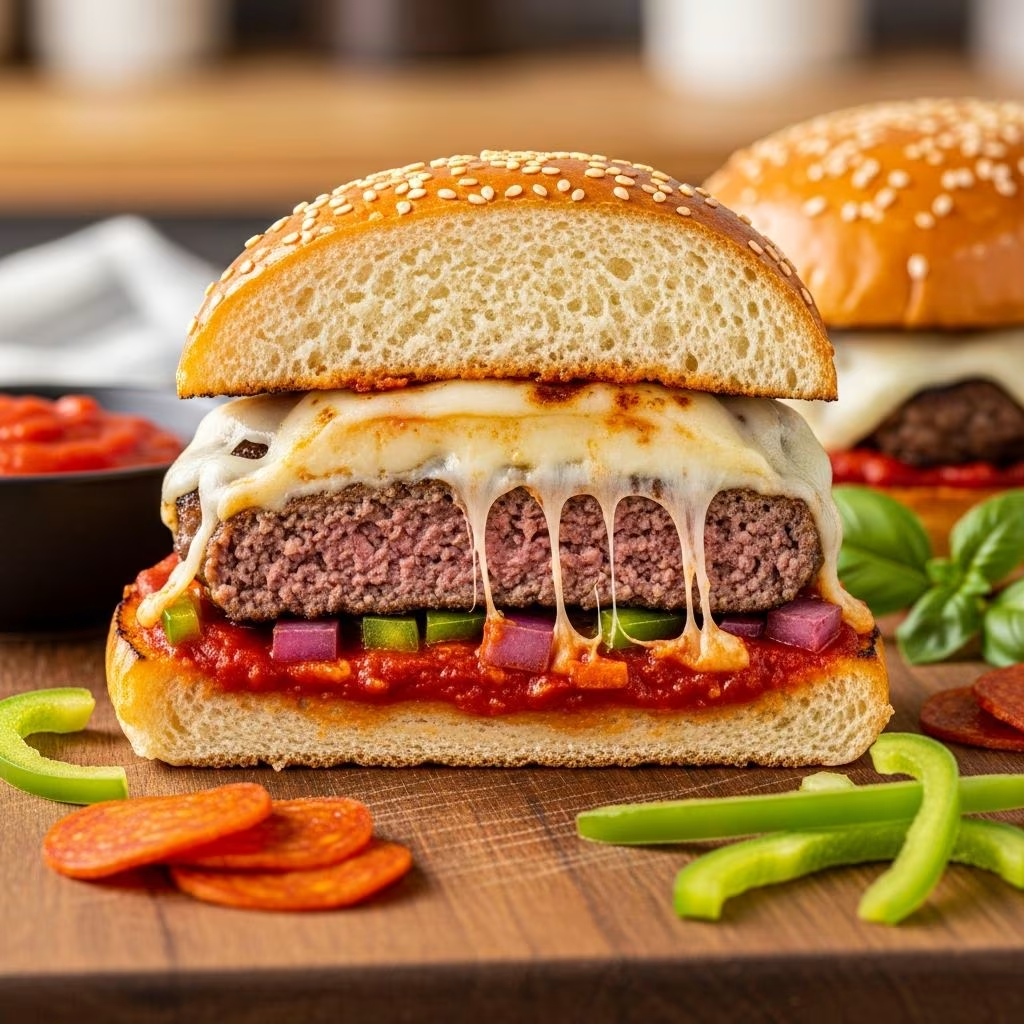
The pizza burger represents a creative convergence of two beloved American comfort foods—the classic hamburger and the timeless pizza. By combining seasoned ground beef with melted cheese, pizza sauce, and pepperoni, home cooks can craft a dish that satisfies cravings for both dishes simultaneously. This hybrid approach to burger-making has gained popularity among families seeking quick weeknight meals and entertaining options for gatherings. Understanding the fundamentals of pizza burger preparation enables cooks to produce restaurant-quality results in their own kitchens.
Understanding the Core Components of Pizza Burgers
Pizza burgers function as a straightforward concept built upon carefully selected ingredients working in harmony. The foundation begins with ground beef, which serves as the primary protein base. The meat selection matters considerably—choosing beef with appropriate fat content, typically around 80/20 lean-to-fat ratio, ensures the finished patties retain moisture and develop appealing flavor during cooking. This fat percentage prevents the burgers from becoming dry while allowing for proper browning and texture development.
The flavor profile distinguishes pizza burgers from standard hamburgers through the incorporation of Italian-inspired seasonings. Common aromatic additions include garlic powder, dried oregano, dried basil, and Italian seasoning blends. These dried herbs create an authentic pizza essence within the meat itself, establishing the foundation before any toppings are applied. The quantity of seasoning directly impacts the final taste—using approximately two teaspoons of garlic powder and similar measurements of oregano and basil per pound of beef creates a well-balanced flavor without overwhelming the palate.
Cheese selection plays a crucial role in achieving the desired pizza burger experience. Mozzarella cheese, whether in slice form or shredded, is the traditional choice due to its excellent melting properties and mild flavor that complements both beef and pizza sauce. Some recipes incorporate provolone as an alternative, offering a slightly more pronounced taste. The cheese should be added during the cooking process to allow sufficient time for complete melting and integration with the other toppings.
Essential Ingredients for Pizza Burger Success
Protein and Seasonings
- Ground beef: 1 pound with 80/20 lean-to-fat ratio, approximately 453.6 grams
- Italian seasoning blend: 1-2 teaspoons depending on desired intensity
- Garlic powder: 2 teaspoons for aromatic depth
- Dried oregano: 2 teaspoons for herbaceous notes
- Dried basil: 2 teaspoons for fresh-herb essence
- Kosher salt: 1 teaspoon, adjustable to taste preference
- Ground black pepper: 1/4 teaspoon or to taste
Toppings and Sauce Components
- Pizza sauce: 1/4 to 1/2 cup, depending on preferred moisture level
- Mozzarella cheese: 1 cup shredded or 4-8 slices, approximately 113 grams
- Pepperoni slices: 16-36 slices depending on desired coverage and thickness
- Hamburger buns: 4 standard buns or Kaiser rolls as alternatives
Optional Enhancement Ingredients
- Finely diced onions: For added texture and sweetness
- Diced green peppers: For vegetable component and fresh flavor
- Butter: 2 tablespoons for toasting buns
- Parmesan cheese: 1/2 cup for finishing touches
- Marinara sauce: As pizza sauce alternative
Preparation Techniques for Optimal Results
Proper preparation begins with thoughtful meat handling. When combining ground beef with seasonings, using clean hands to mix ensures even distribution of herbs and spices throughout the meat. This step should be performed gently to avoid overworking the meat, which can result in dense, tough patties rather than lighter, more tender ones. Dividing the seasoned mixture into four equal portions before shaping creates uniformly-sized burgers that cook consistently and present professionally.
Shaping the patties requires attention to thickness and diameter. Creating patties approximately 3/4-inch thick and 4 inches in diameter provides optimal cooking characteristics. Thicker patties maintain interior moisture while developing a properly seared exterior, whereas thinner versions risk becoming overcooked or dry. Some cooks prefer slightly thinner patties for faster cooking times, though this necessitates careful monitoring to prevent overcooking.
For the creative stuffed pizza burger variation, the technique differs considerably. After dividing beef into portions, cooks divide each section into two thin patties. Placing cheese in the center of one patty, then topping with a second patty and crimping the edges, creates an enclosed cheese pocket. This method requires ensuring cheese stays away from the edges to prevent leakage during cooking. Many cooks freeze these stuffed patties briefly before cooking to help the cheese remain contained and the structure hold firm.
Cooking Methods and Procedures
The stovetop skillet method represents the most common and accessible cooking approach for pizza burgers. Heating a large skillet over medium heat creates an appropriate cooking surface that allows for browning and topping addition. Placing patties in the hot skillet without moving them for the first four minutes develops a flavorful crust through the Maillard reaction. After flipping, the patties receive their pizza sauce coating, pepperoni slices, and cheese topping for another four-minute cooking period until cheese melts completely and the internal temperature reaches 160 degrees Fahrenheit.
Grilling represents an alternative cooking method that imparts additional flavor through smoke and charring. The process follows similar timing—approximately four minutes per side—though careful attention prevents cheese from dripping through the grill grates. Covering the grill after topping application helps contain heat and expedite cheese melting.
The baked pizza burger variation, particularly the open-faced cafeteria-style version, begins by preheating the oven to 375 degrees Fahrenheit. Ground beef is browned in a skillet with optional vegetables like onions and peppers, then combined with pizza sauce and seasonings. Hamburger bun halves are placed face-up on parchment-lined baking sheets, topped with meat mixture and cheese, then baked until the cheese becomes bubbly and golden. This method accommodates larger quantities and works well for meal preparation.
Bun Preparation and Assembly
Often overlooked, proper bun preparation significantly elevates the final pizza burger experience. Toasting buns adds structural integrity that prevents sogginess from sauce absorption and creates pleasant textural contrast. The traditional approach involves brushing bun interiors with softened butter combined with garlic powder and parsley, then placing them butter-side down on a hot skillet for one to two minutes until golden and crisp.
Assembly order impacts eating experience and structural integrity. Placing patties on bottom bun halves first, then adding top buns, prevents toppings from shifting during consumption. For open-faced preparations, the assembled patties remain without top buns, creating a fork-and-knife eating experience similar to pizza.
Creative Variations and Customizations
| Variation Type | Key Modifications | Best For |
|---|---|---|
| Stuffed Style | Cheese enclosed within patties; cheese pocket method | Melted cheese lovers; dramatic presentation |
| Open-Faced | Baked on buns without top; cafeteria-style; served with fork | Large gatherings; meal prep; easy consumption |
| Sausage Blend | Combine Italian sausage with ground beef; reduced salt needed | Richer flavor preference; spice enthusiasts |
| Vegetable-Enhanced | Add diced onions, peppers, or mushrooms to meat mixture | Vegetable inclusion; texture variation |
| Low-Carb Version | Omit buns; serve over lettuce or without bun carrier | Dietary restrictions; keto followers |
The stuffed pizza burger variation creates a dramatic presentation by containing melted cheese within the patty itself. This approach appeals to those seeking maximum cheese distribution and an element of surprise upon biting into the burger. The technique requires slightly more preparation time but rewards diligent cooks with impressive results.
Open-faced pizza burgers, reminiscent of school cafeteria preparations, offer practicality for feeding groups. Without top buns, these require fork-and-knife consumption but eliminate portion size constraints. This variation excels for meal preparation, as baked open-faced versions can be quickly assembled and served to multiple people simultaneously.
Incorporating Italian sausage alongside ground beef creates a richer, more robust flavor profile. Using a 1:1 ratio of ground beef to Italian sausage (3/4 pound each) reduces the salt requirement since sausage typically contains substantial sodium. This variation appeals to cooks seeking intensified savory notes and those who enjoy the characteristic fennel notes found in many Italian sausage blends.
Adding finely diced onions, green peppers, or mushrooms to the meat mixture introduces vegetable components and textural variation. These additions should be minced finely to avoid creating an excessively chunky mixture. Incorporating them directly into the meat during the seasoning step ensures even distribution throughout the patties.
Storage and Make-Ahead Strategies
Pizza burgers accommodate advance preparation remarkably well, making them ideal for busy households and meal planning. Raw, shaped patties can be individually wrapped in plastic wrap, placed in freezer bags, and stored for up to three months. This frozen inventory enables quick meal preparation—patties can transition directly from freezer to skillet with minimal additional cooking time, though slightly longer cooking periods may be necessary.
Cooked pizza burgers also freeze successfully, though reassembly may be necessary if prepared separately from buns. Storing cooked patties in airtight containers for up to three months maintains quality. Reheating can occur via skillet, oven, or microwave depending on time availability and desired texture.
Assembled pizza burgers, including buns and toppings, are best consumed immediately but can be temporarily held in a warm oven at 200 degrees Fahrenheit for short periods without significant quality degradation. This approach works well during gatherings where staggered consumption might otherwise result in cooling.
Frequently Asked Questions About Pizza Burgers
What ground beef percentage works best?
The 80/20 lean-to-fat ratio provides the optimal balance. Higher fat percentages risk greasiness, while leaner beef often produces dry results. This ratio ensures proper moisture retention and flavor development during cooking.
Can I use ground turkey or chicken?
While possible, ground turkey and chicken produce noticeably different results due to lower fat content. If using these alternatives, adding oil or incorporating more sauce helps prevent dryness. The final texture and juiciness will differ from traditional beef versions.
What’s the internal temperature target?
Ground beef should reach 160 degrees Fahrenheit for food safety purposes. Using an instant-read meat thermometer provides accurate confirmation of doneness without guesswork.
How do I prevent cheese from leaking out?
For stuffed versions, ensure cheese remains away from patty edges by maintaining approximately 1/2-inch clearance. Freezing stuffed patties briefly before cooking helps cheese solidify and remain contained. For topping styles, cheese melts on top and drips naturally—this is part of the intended experience.
Are there sauce alternatives to pizza sauce?
Marinara sauce, pesto, or even barbecue sauce mixed with pizza spice can work. Experiment with quantities to avoid overwhelming the beef flavor. The sauce choice significantly impacts the final taste profile.
Serving Suggestions and Pairing Ideas
Pizza burgers pair naturally with classic burger accompaniments including french fries, potato chips, or onion rings. The hearty nature of these burgers complements lighter side dishes like green salads or coleslaw for balanced meals. Beverage pairings range from cold sodas and lemonade to beer selections that complement pizza and beef flavors.
For entertaining contexts, pizza burgers work well at casual gatherings, picnics, and family dinners. Their familiar yet innovative nature appeals to various age groups and taste preferences. Offering toppings on the side, such as additional pepperoni or peppers, allows guests to customize their portions.
Key Takeaways for Pizza Burger Mastery
Creating exceptional pizza burgers requires attention to meat quality, balanced seasoning, proper cooking technique, and thoughtful assembly. Whether preparing classic topped versions, creative stuffed variations, or open-faced cafeteria-style presentations, the fundamental principles remain consistent. Understanding ingredient roles, respecting cooking times and temperatures, and recognizing individual customization opportunities empowers home cooks to consistently produce satisfying results. The versatility of pizza burgers—accommodating various cooking methods, ingredient variations, and advance preparation strategies—makes them accessible options for diverse cooking situations and skill levels.
References
- Safe Internal Temperature Chart — United States Department of Agriculture Food Safety and Inspection Service. 2024. https://www.fsis.usda.gov/food-safety/safe-food-handling-and-preparation/meat/internal-temperature-reference