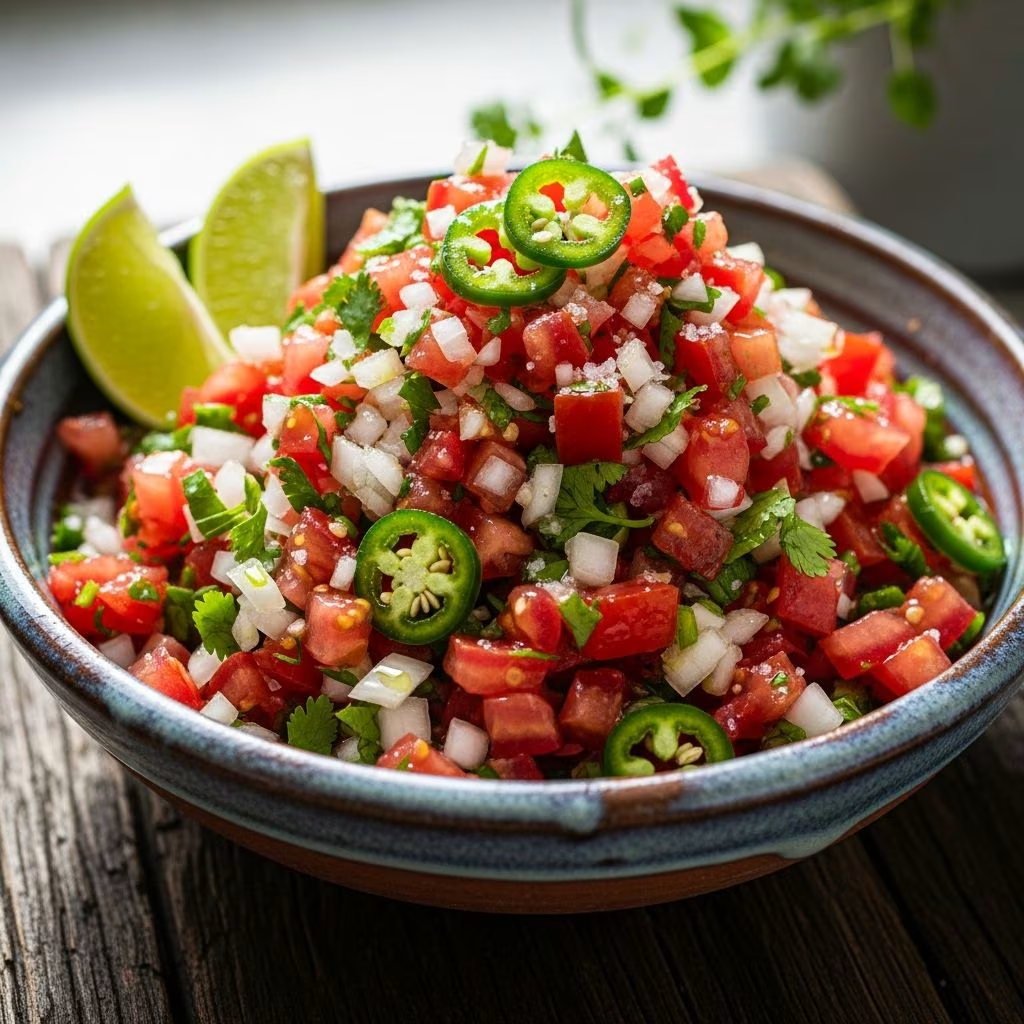
Pico de gallo represents one of Mexico’s most celebrated culinary traditions, a vibrant condiment that brings together the simplest ingredients to create something extraordinary. This fresh, uncooked salsa has become a staple at tables across Mexico and beyond, prized for its straightforward preparation and bold flavors. The name itself—literally meaning ‘rooster’s beak’ in Spanish—hints at the technique of hand-chopping the ingredients into fine, distinct pieces that resemble the texture this dish is known for.
Understanding the Roots of This Northern Delicacy
Pico de gallo holds a special place in Northern Mexican cuisine, where it emerged as a fundamental accompaniment to countless dishes. This preparation method reflects the region’s culinary philosophy: respect for quality ingredients and minimal intervention to allow natural flavors to shine through. Unlike other salsa variations found throughout Mexico, the Northern version maintains a specific character defined by its raw preparation, fresh components, and the technique of hand-chopping rather than blending or grinding.
The distinction between regional variations is important to recognize. While pico de gallo appears under the same name in cities like Guadalajara and Mexico City, these versions often differ significantly in composition and preparation. The Northern interpretation focuses on textural contrast and individual ingredient presence, creating a salsa that complements rather than overwhelms other dishes.
Essential Components: Quality Matters Above All
The foundation of exceptional pico de gallo rests entirely on ingredient selection. Because this salsa contains no cooking process to develop or meld flavors, each component must contribute its best character from the moment it enters the bowl.
Tomatoes: The Heart of the Preparation
Tomato selection cannot be overstated. Only genuinely ripe, sweet tomatoes will produce a salsa worthy of the name. The ideal tomato should feel heavy for its size, indicating juice content and sugar development. Large ripe red tomatoes, approximately 2½ pounds when combined, provide the volume and flavor foundation for a proper batch. These tomatoes should be peeled but never seeded, as the seeds and their surrounding gel contribute essential moisture and flavor to the finished salsa. The peeling process, traditionally accomplished by blanching briefly in boiling water, helps remove the tougher exterior skin while preserving the tender flesh underneath.
Chiles: Building the Heat Profile
The chile component introduces complexity and heat, but its role extends beyond mere spiciness. Two varieties commonly appear in authentic Northern preparations: jalapeños and serranos. Jalapeños bring a more vegetal character with subtle bell pepper undertones, while serranos deliver sharper, crisper heat with almost cucumber-like qualities. By combining both varieties, the salsa achieves a more nuanced heat profile where flavors layer upon each other rather than creating a one-dimensional burn.
The traditional approach involves chopping chiles very fine and adding them gradually while tasting, allowing each cook to customize the final heat level according to personal preference. The important detail of leaving seeds intact ensures maximum heat extraction, as most capsaicin concentrates in the white membrane surrounding seeds rather than in the seeds themselves.
Aromatics and Seasonings
A single garlic clove, properly minced, provides subtle pungency without dominating. Scallions, used with parts of their green tops, contribute mild onion character and visual appeal. Fresh cilantro leaves, loosely packed to fill about ¼ cup, introduce the herbaceous note that defines pico de gallo’s character. Mexican oregano, crumbled and added to taste, brings a warming spice quality that ties ingredients together. Fresh lime juice provides both acidity and brightness, while salt enhances all other flavors while bringing balance to the whole preparation.
The Preparation Technique
Proper preparation requires attention to detail and careful execution. Begin by finely chopping the chiles with a large sharp knife, maintaining the distinction of each ingredient rather than creating a paste. Mince the garlic separately, then coarsely chop the tomatoes into bite-sized pieces that maintain their structural integrity. Finely chop both scallions and cilantro, preserving their individual identities within the salsa.
Combine all components in a large bowl, beginning with garlic, tomatoes, scallions, and cilantro. If the tomatoes lack sufficient juice—an occasional problem with underripe or mealy specimens—gradually introduce up to ½ cup cold water to achieve proper consistency. The goal is a light salsa with visible texture rather than a chunky soup or a smooth puree.
Add chiles incrementally while tasting throughout, since heat tolerance varies among palates. Once heat levels reach satisfaction, incorporate oregano, squeeze lime juice into the mixture, and gradually add salt while tasting continuously. This methodical approach prevents oversalting, which can overwhelm delicate flavors.
Optimal Serving and Storage Considerations
The most critical rule governing pico de gallo consumption involves timing. This salsa must be served immediately after preparation, when all ingredients maintain their individual character and crispness. The moment it sits, the components begin releasing moisture, the lime juice begins cooking the vegetables in a process called ceviche-style transformation, and the overall integrity diminishes noticeably.
Should circumstances require temporary storage, refrigeration for up to two hours while tightly covered represents the absolute maximum. Beyond this window, the salsa loses its defining quality and becomes something entirely different—less vibrant, more cohesive in a way that undermines what makes pico de gallo special in the first place.
Interestingly, leftover pico de gallo can be transformed into a cooked preparation. Sautéing reserved portions in a small amount of lard, butter, or vegetable oil creates a warmed sauce suitable for longer storage and different applications. This technique has been employed for generations, offering practical solutions to wastage while creating a distinct dish with its own merits.
Versatile Applications Across Mexican Cuisine
Pico de gallo serves countless dishes across Mexican cuisine with remarkable versatility. Traditional pairings include beans of various preparations, eggs prepared any style, warm tortillas ready for filling, and the category of antojitos—small snacks ranging from quesadillas to tostadas. Beyond these classics, the fresh salsa complements grilled proteins beautifully, whether meats, fish, or poultry receive the treatment.
The underlying principle involves using pico de gallo as a finishing element that brightens heavy or rich dishes. Its fresh acidity, vegetable texture, and herbaceous qualities provide contrast to cooked components, elevating overall eating experiences.
Regional Context and Cultural Significance
Understanding pico de gallo within its cultural context enriches appreciation for the preparation. In Northern Mexico, where this style originated, fresh salsas have long represented the intersection of agricultural abundance and culinary practicality. Fresh tomatoes, chiles, and herbs flourish in the region’s climate, and the uncooked preparation method respects both ingredient quality and kitchen efficiency.
The name ‘pico de gallo,’ while seemingly fanciful, reflects the hand-chopped texture that distinguishes this salsa from blended alternatives. The term appears throughout Mexican Spanish vocabulary, describing various foods prepared with knife work rather than mechanical processing.
Comparison Table: Understanding Salsa Variations
| Characteristic | Pico de Gallo (Norteño) | Salsa Roja Cooked | Pico de Gallo (Mexico City) |
|---|---|---|---|
| Preparation Method | Raw, hand-chopped | Cooked, blended | Variable, often salad-style |
| Primary Ingredient | Fresh tomatoes | Tomatoes with chiles | Mixed vegetables |
| Texture | Distinct pieces | Smooth purée | Mixed, variable |
| Storage Longevity | Immediate use | Several days | Varies by preparation |
| Heat Profile | Customizable | Consistent | Variable |
Common Questions About Pico de Gallo Preparation
What if my tomatoes aren’t perfectly ripe?
This presents a genuine problem since unripe tomatoes cannot be salvaged through technique or additional ingredients. Supermarket tomatoes picked before maturity simply lack the sugar and acid balance necessary for quality pico de gallo. Local farmers’ markets, farm stands, or late-summer gardens typically offer better options. If suboptimal tomatoes are your only choice, consider making a cooked salsa instead, where heat can develop flavors somewhat.
Can I prepare pico de gallo in advance for a gathering?
This contradicts the fundamental philosophy of the dish. However, preparing components separately—chopped tomatoes in one container, prepared chiles in another, aromatics assembled but not yet combined—allows rapid assembly just before serving. This approach maintains the integrity of the salsa while accommodating scheduling constraints.
How should I adjust heat levels for mixed groups?
Prepare the salsa without chiles, then offer finely chopped jalapeños and serranos on the side for individual customization. This respects both heat-sensitive and heat-loving diners while maintaining the salsa’s integrity. Alternatively, prepare a milder version as your base and offer additional chiles mixed into a small portion for those desiring more heat.
Why do some recipes include onion while others don’t?
Traditional Northern preparations emphasize tomatoes, chiles, and cilantro as primary flavors, using scallions for subtle onion character rather than raw white onion. Raw onion can dominate delicate flavors, particularly in fresh preparations. The white portion of scallions provides similar flavor contribution with greater subtlety.
Beyond the Basic Recipe: Creative Applications
While respecting traditional preparation, cooks can explore pico de gallo variations through technique rather than ingredient substitution. Using different chile varieties alters the salsa’s character—poblanos create milder versions, while habaneros intensify heat considerably. Varying the ratio of ingredients allows experimentation: more cilantro creates an herbier salsa, while increased lime juice adds brightness and acidity.
The cooked transformation mentioned earlier deserves deeper exploration. Sautéing pico de gallo gently in fat creates a sauce suitable for enchiladas, chilaquiles, or rice dishes. This technique preserves the fresh components’ essential character while rendering them suitable for advance preparation and reheating.
Final Thoughts on Mastering This Essential Preparation
Pico de gallo represents Mexican culinary philosophy in its purest form: respect for ingredients, simplicity in execution, and maximum flavor through technique rather than complexity. Mastering this preparation means understanding that limitations become strengths—the lack of cooking preserves brightness, the absence of blending maintains texture contrast, the straightforward ingredient list highlights quality.
Creating excellent pico de gallo consistently requires prioritizing ingredient selection above all else, respecting the cultural tradition behind the preparation, and understanding that timing and temperature considerations define the finished dish. With these principles guiding the process, home cooks can produce salsas that rival those from celebrated restaurants and traditional Mexican tables.
References
- Pico de Gallo Norteño — Zarela Martinez’s Official Recipe. Accessed 2026. https://zarela.com/recipes/pico-de-gallo-norteno/
- Pico de Gallo Recipe — Rick Martinez, Sazón. https://chefrickmartinez.substack.com/p/pico-de-gallo
- Pico de Gallo Norteno – Uncooked Tomato Salsa — Astray Recipes. Accessed 2026. https://www.astray.com/recipes/?show=Pico+de+gallo+norteno+-+uncooked+tomato+salsa