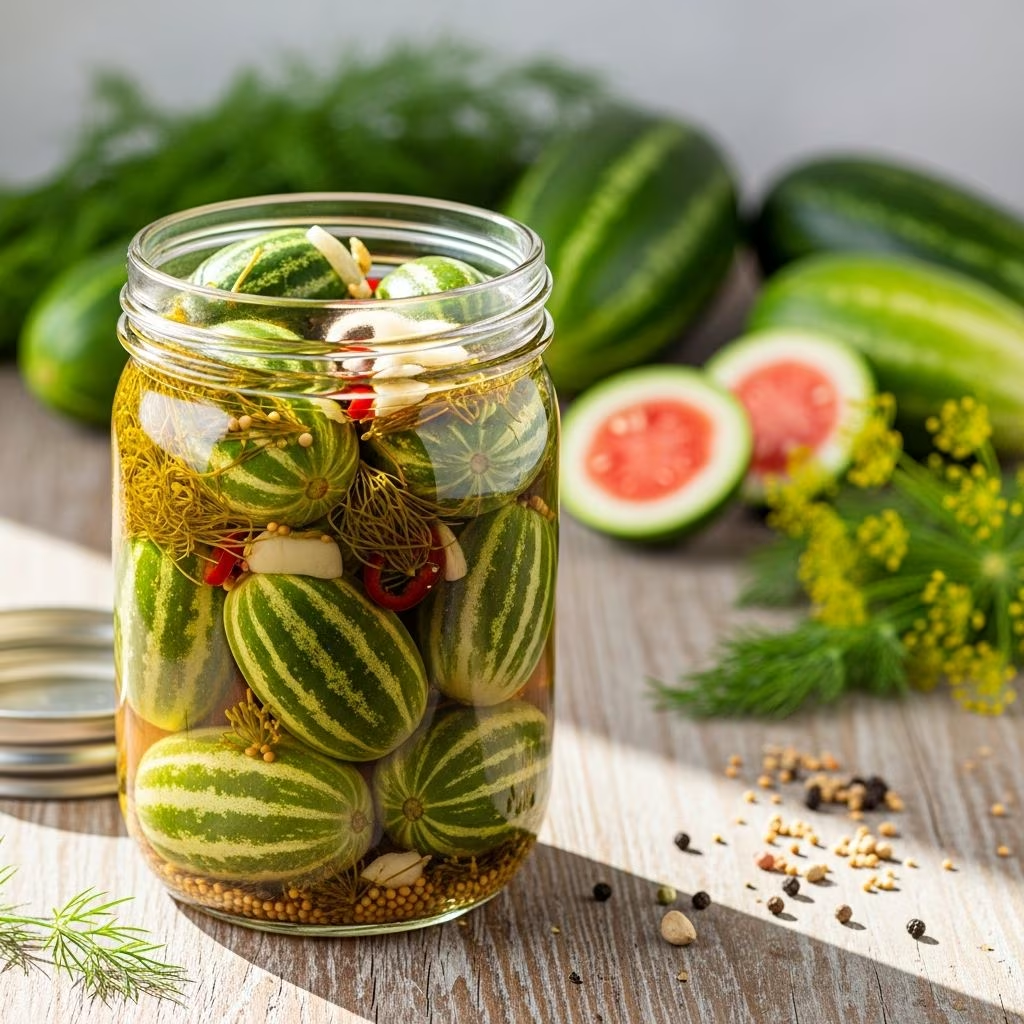
These tiny, grape-sized fruits offer a cucumber-like crunch with melon sweetness, making them ideal for pickling into addictive snacks that rival traditional gherkins. Home pickling preserves their fresh flavor while adding tangy zest through simple vinegar brines.
Understanding Cucamelons: Nature’s Mini Pickle
Cucamelons, scientifically known as Melothria scabra, are vining plants native to Central and South America, producing small fruits that resemble tiny watermelons with bright yellow stripes. Their thin skins burst with juicy, refreshing taste—crisp like cucumber but with subtle citrus and melon notes. Gardeners prize them for prolific yields and pest resistance, often harvesting baskets full in late summer.
Fresh cucamelons shine raw in salads or as snacks, but pickling elevates them into versatile condiments. The process tenderizes them slightly while infusing bold spices, creating pickles that stay firm for weeks. Unlike larger cucumbers, their size allows whole packing, minimizing slicing and maximizing presentation appeal.
Why Pickle Cucamelons?
Pickling extends shelf life without complex canning equipment, turning seasonal gluts into year-round treats. Refrigerator methods yield quick results in days, while their natural firmness resists sogginess better than many vegetables. Nutritionally, they retain vitamins C and K, plus antioxidants, during acidification.
- Convenience: No boiling water bath needed for fridge pickles.
- Customization: Adjust heat, herbs, and sweetness easily.
- Versatility: Use in sandwiches, charcuterie, or cocktails.
Essential Ingredients for Success
Core components include fresh cucamelons, vinegar for acidity, salt for preservation, and sugar for balance. Spices like mustard seeds, peppercorns, and dill add depth. Variations across recipes highlight flexibility.
| Ingredient | Common Amount (1 Pint) | Purpose |
|---|---|---|
| Cucamelons | 2 cups (½ lb) | Main vegetable base |
| Apple Cider or White Vinegar | 1 cup | Acid for safety and tang |
| Sugar | 1-2 Tbsp | Balances sharpness |
| Salt (Kosher/Pickling) | 1-2 tsp | Preserves crunch, flavors |
| Mustard Seeds/Peppercorns | 1 tsp each | Aromatic spice |
| Dill/Garlic | Handful sprigs/1-2 cloves | Fresh herbal notes |
Use non-iodized salt to avoid cloudiness. Vinegars provide 5% acidity minimum for safety.
Selecting and Preparing Cucamelons
Harvest or buy firm, unblemished fruits under 1 inch long for optimal crunch. Rinse thoroughly, trim stems and blossom ends to prevent softness. Sort out any soft or bruised ones, as they spoil batches.
- Soak in cool water 10-15 minutes to clean.
- Pat dry with towel.
- Optional: Pierce skins lightly with fork for better brine penetration.
Prepare jars by washing in hot soapy water or dishwasher; sterilize via boiling if water bath canning.
Basic Refrigerator Pickle Recipe
This foolproof method yields 1-2 pints in 20 minutes active time, ready in 2-7 days.
Ingredients (1 Pint Jar)
- 2 cups fresh cucamelons
- 1 cup apple cider vinegar
- 2 Tbsp water (optional for milder)
- 1 Tbsp sugar
- 1 tsp kosher salt
- 1 tsp mustard seeds
- 1 tsp black peppercorns
- ¼ tsp red pepper flakes
- 2 garlic cloves, peeled
- 3-4 dill sprigs
Step-by-Step Directions
- Pack jars: Layer spices, garlic, dill at bottom. Tightly pack cucamelons, leaving ½-inch headspace.
- Make brine: Simmer vinegar, water, sugar, salt until dissolved. Cool to room temperature—hot brine softens fruit.
- Fill and seal: Pour brine over, ensuring submersion. Add grape leaf for tannins if desired. Lid loosely.
- Chill: Refrigerate 2 days minimum; optimal at 1-2 weeks. Shake daily for even flavor.
Yield: 1 pint. Store up to 2 months refrigerated.
Flavor Variations to Try
Experiment beyond basics for unique twists.
- Spicy Dill: Extra chili flakes, more dill, garlic.
- Sweet Heat: Double sugar, add ginger slices.
- Herbal Fusion: Spearmint, coriander, pink peppercorns.
- Exotic: Star anise, allspice, fennel seeds.
- Bread & Butter Style: Increase sugar to ¼ cup, add turmeric, sliced onions.
Maintaining That Signature Crunch
Crispness defines great pickles. Key tricks include:
- Calcium chloride (pickle crisp) sparingly, or natural tannins from grape/oak leaves.
- Never use hot brine on raw fruit.
- Pack tightly to minimize movement.
- Fresh, small cucamelons only.
Science note: Acid and salt draw out water osmotically, firming cell walls if done cool.
Storage and Shelf Life
Refrigerator pickles last 1-3 months if submerged. Check for bubbles or off smells indicating spoilage. For longer term, process in boiling water bath 10 minutes (adjust for altitude), yielding 12-month pantry storage. Always label with date.
Serving Ideas and Pairings
Enjoy straight from jar, or elevate:
- Snacks: With cheese, nuts on charcuterie.
- Meals: Top burgers, tacos, salads.
- Cocktails: Garnish gin & tonics or bloody marys.
- Apps: Chopped in potato salad or deviled eggs.
Their petite size adds pop without overpowering dishes.
Growing Your Own Cucamelons
Start from seed indoors 4-6 weeks pre-frost. Vines reach 10 feet, trellis for straight fruit. Full sun, well-drained soil; harvest when firm and striped. Prolific: one plant yields hundreds.
Frequently Asked Questions
Can I can cucamelon pickles for pantry storage?
Yes, use water bath method: process pints 10 minutes after boiling brine pour. Follow USDA guidelines for low-acid safety.
How long until they’re ready to eat?
Sample after 48 hours, but wait 1-2 weeks for peak flavor infusion.
Are cucamelons safe raw?
Absolutely; they’re non-toxic and refreshing straight off vine.
What if I can’t find cucamelons?
Substitute small pickling cucumbers, adjusting brine volume.
Why did my pickles go soft?
Likely hot brine, old fruit, or no tannins. Avoid next time.
Troubleshooting Common Issues
| Issue | Cause | Solution |
|---|---|---|
| Soft texture | Hot brine or bruised fruit | Cool brine fully; select firm ones |
| Cloudy brine | Iodized salt or bacteria | Use pickling salt; sterilize jars |
| Not flavorful | Short cure time | Wait 2 weeks; add more spices |
| Mold on top | Air exposure | Ensure full submersion; discard if present |
Scaling Up for Gifts or Parties
Double or quadruple recipes using quart jars. Layer aesthetically for visual appeal. Package with recipe cards for homemade gifts. One pound cucamelons fills 2 pints.
Pickling cucamelons bridges garden freshness with preserved delight, offering endless customization. Their whimsical appearance and snappy bite make them conversation starters at any table.
References
- Cucamelon Pickles – Creative Canning — Creative Canning. 2023. https://creativecanning.com/cucamelon-pickles/
- Cucamelon Pickles (Quick Refrigerator Version) — Love and Olive Oil. 2019-08-01. https://www.loveandoliveoil.com/2019/08/cucamelon-pickles.html
- Cucamelon Refrigerator Pickles — Glamorosi Cooks. N/A. https://glamorosicooks.com/recipe/cucamelon-refrigerator-pickles/
- Cucamelon Pickles — Cooking By Laptop. N/A. https://cookingbylaptop.com/cucamelon-pickles/
- Pickled Cucamelons (Sour Gherkins): Easy Refrigerator Pickles — Homestead and Chill. N/A. https://homesteadandchill.com/pickled-cucamelons/
- Recipe: Cucamelon Refrigerator Pickles — Mother Earth Gardener. 2016. https://www.motherearthgardener.com/food/recipe-cucamelon-refrigerator-pickles-zb0z1609/