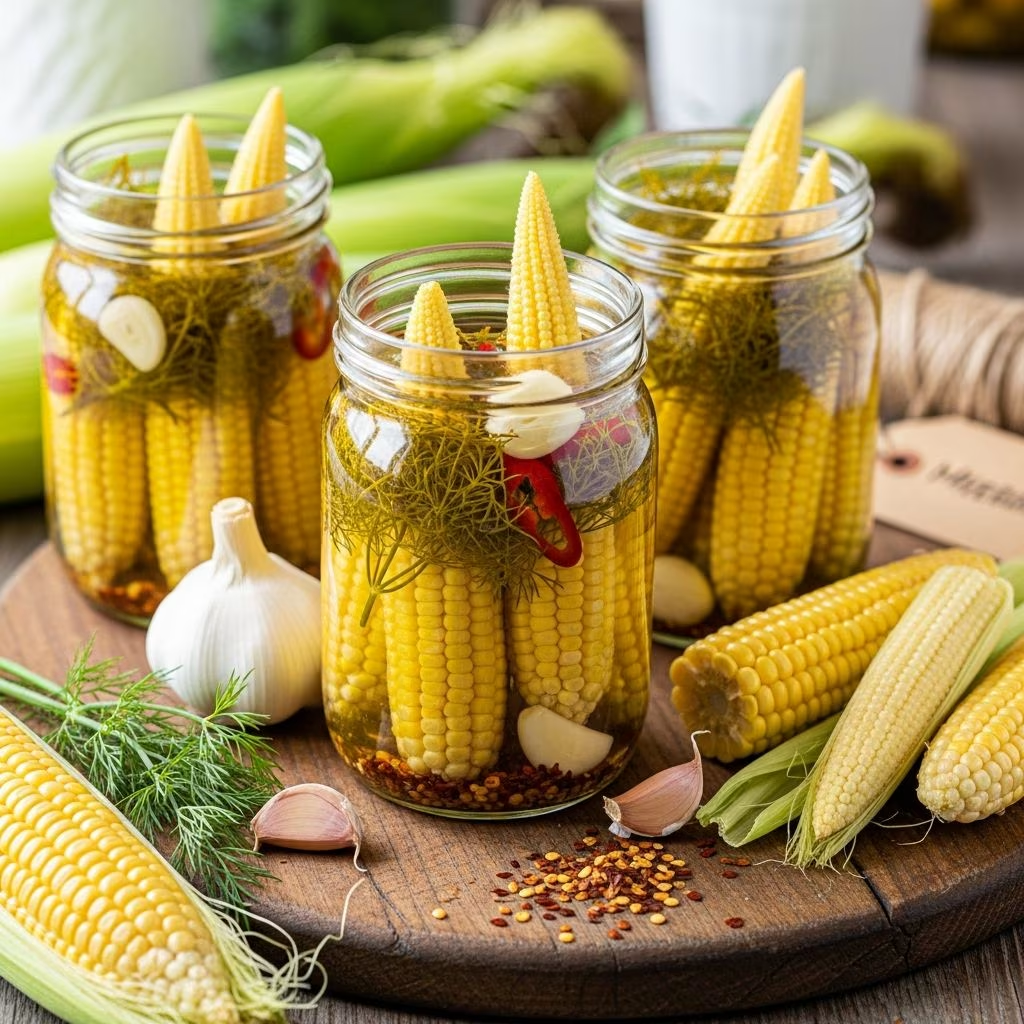
Pickling offers one of the most rewarding ways to extend the bounty of summer’s harvest well into winter months. Among the most versatile vegetables for preservation, corn transforms into a tangy, satisfying condiment that enhances countless dishes. Whether you’re an experienced home canner or embarking on your first preservation project, pickled corn on the cob represents an achievable and delicious addition to your pantry.
Understanding the Pickling Process and Its Benefits
Pickling is an ancient preservation technique that relies on acidic environments to inhibit bacterial growth while developing complex flavors. The vinegar-based brine that characterizes most pickling methods creates an inhospitable environment for pathogenic organisms, allowing foods to remain shelf-stable for extended periods. Beyond safety, pickling fundamentally transforms the taste profile of vegetables, introducing bright, tangy notes that complement fresh preparations throughout the year.
Fresh corn, with its natural sweetness and tender texture, becomes an ideal candidate for pickling. The process preserves the vegetable’s satisfying crunch while infusing it with aromatic spices and vinegar complexity. Unlike fermented preservation methods that require prolonged monitoring, quick-pickling techniques deliver results within days rather than weeks, making this approach particularly appealing for beginners.
Essential Ingredients for a Balanced Brine
Creating a successful pickle begins with understanding the fundamental brine components and their proportions. The ideal ratio ensures proper preservation while delivering well-balanced flavor that neither overwhelms nor underwhelms the palate.
The Core Brine Formula
The foundation of your pickling liquid consists of three primary elements: vinegar, water, and salt. For a standard batch, combine 1⅓ cups of distilled white vinegar or rice vinegar with ⅔ cup granulated sugar and 2 tablespoons kosher salt. This ratio, while flexible, provides a tested framework that yields consistently excellent results. The vinegar contributes essential acidity while its subtle sweetness balances the salt’s mineral notes. Sugar dissolves into the brine, creating a gentle sweetness that enhances rather than masks the corn’s natural flavor.
Aromatic Seasonings
Beyond the basic brine, aromatic additions elevate your pickled corn from simple to sophisticated. Bay leaves impart subtle earthiness and complexity, while mustard seeds contribute gentle heat and textural interest. A single bay leaf per jar typically suffices, though mustard seed quantity can vary from 1 to 2 tablespoons depending on preference intensity.
Additional aromatics expand flavor possibilities considerably. Jalapeño peppers introduce manageable heat that builds gradually rather than sharply. Thinly sliced garlic cloves offer pungent depth, while red pepper flakes deliver concentrated spice. Fresh dill, coriander seeds, and peppercorns each contribute distinctive character. The beauty of home pickling lies in experimentation—your preferences should guide seasoning decisions.
Selecting and Preparing Fresh Corn
Success in any preservation project begins with quality raw materials. Corn selected for pickling should exhibit specific characteristics that ensure optimal texture and flavor in the finished product.
Choosing Corn at Peak Ripeness
Select ears that display fresh, tightly wrapped husks with bright green color and slightly moist appearance. The kernels themselves should be plump and uniform, releasing a milky liquid when punctured with a fingernail. Overripe corn develops starchy texture that deteriorates further during cooking and pickling. Conversely, underripe ears lack the sweetness that makes pickled corn particularly appealing. Mid-summer harvests typically provide the optimal window for pickling-quality corn.
Pre-Pickling Preparation Steps
Proper preparation establishes the foundation for excellent finished product. Begin by shucking ears completely, removing all silk strands that would otherwise persist in the final product. Rinse husked corn under cold water, rubbing gently to ensure thorough silk removal. For whole-cob pickling, cut ears into 1-inch chunks, creating manageable pieces that fit easily into jars while maintaining adequate surface area for flavor penetration.
Blanching precedes brine immersion, partially cooking the corn while preserving desirable crunch. Bring a large pot of water to rolling boil and submerge corn pieces for 5 minutes. This brief cooking softens outer kernel layers without rendering the interior mushy. Immediately transfer blanched corn to an ice bath, arresting the cooking process and setting the texture. This thermal shock is crucial for maintaining the crisp quality that distinguishes excellent pickled corn from inferior versions.
Step-by-Step Pickling Method
Following a logical sequence ensures consistent results and prevents common pitfalls that compromise texture and flavor.
Brine Preparation
Combine all brine ingredients—vinegar, water, sugar, salt, and bay leaves—in a medium saucepan. Place over medium-high heat and stir occasionally until the mixture reaches a rolling boil. Once boiling, continue cooking for approximately 2 minutes, ensuring sugar and salt completely dissolve. Stir occasionally to accelerate dissolution. The brine should appear clear rather than cloudy, indicating complete integration of all components. Remove from heat and allow the brine to cool to room temperature before using with prepared vegetables.
Vegetable Assembly
While the brine cools, briefly blanch any additional vegetables you’re including—bell pepper strips, sliced carrots, celery, or jalapeño peppers—in boiling water for 2 minutes. This preliminary cooking ensures even texture and flavor absorption throughout the final product. Transfer to ice water immediately, then drain thoroughly before packing.
Layer prepared corn and companion vegetables into sterilized glass jars, leaving approximately ½ inch headspace at the top. This spacing accommodates liquid expansion and prevents overflow during storage. If including jalapeños or fresh herbs, distribute them evenly throughout the jar for consistent seasoning.
Brine Integration and Sealing
Pour cooled brine carefully over the packed vegetables, ensuring complete submersion. Any exposed matter above the liquid surface risks developing mold or off-flavors. Use a clean utensil to redistribute vegetables and release trapped air pockets. Cap jars with sterilized lids, sealing with moderate pressure—excessive force can crack jars, while insufficient pressure allows brine leakage.
Storage and Maturation Timeline
The period following preparation is crucial for flavor development and preservation effectiveness. Unlike some preservation methods that deliver immediate results, pickled corn benefits from dedicated resting time during which flavors meld and strengthen.
Refrigeration Requirements
Pickled corn should be refrigerated immediately after preparation and throughout its storage life. Refrigeration slows bacterial growth and extends shelf life considerably. Most quick-pickled preparations become ready for consumption after 3 to 7 days in the refrigerator, though flavors continue improving for several weeks. The vinegar penetrates vegetable tissues gradually, developing increasingly pronounced tanginess and complexity with extended storage.
Longevity and Shelf Life
Properly prepared and refrigerated pickled corn maintains excellent quality for 3 to 4 months. The acidic brine environment inhibits spoilage organisms effectively, though gradual flavor degradation and texture softening occur over time. Inspect jars periodically for signs of fermentation, cloudiness, or off-odors that indicate spoilage. Under proper conditions, well-sealed jars should remain stable without visible changes or unseemly aromas.
Recipe Variations and Creative Applications
Once you’ve mastered the basic method, numerous variations invite experimentation and personalization. Different vegetables, spice combinations, and brine formulations each yield distinctive flavor profiles.
Alternative Vegetable Combinations
| Vegetable Addition | Quantity | Flavor Impact |
|---|---|---|
| Red Bell Pepper | ½ medium pepper, sliced | Sweetness and textural contrast |
| Jalapeño Peppers | 1-2 sliced peppers | Progressive heat and pungency |
| Carrot | 1 small carrot, sliced thin | Earthiness and additional sweetness |
| Celery Root | ½ cup thin slices | Subtle umami and crisp texture |
| Cherry Tomatoes | ½ cup halved tomatoes | Acidity and fruity notes |
Spice Profile Modifications
Customize the aromatic profile by adjusting or substituting traditional spices. Replace mustard seeds with coriander seeds for lighter, more floral notes. Add whole peppercorns for black pepper spice without heat intensity. Fresh dill introduces herbal complexity, while thyme or oregano contribute Mediterranean character. Garlic intensity can be adjusted from subtle (one thin slice per jar) to pronounced (multiple cloves). Red pepper flakes offer control over heat levels, allowing customization for varying spice tolerances.
Frequently Asked Questions
Can I use frozen corn for pickling?
While fresh corn is ideal for texture and flavor, frozen corn can substitute in circumstances where fresh isn’t available. Thaw frozen corn completely and pat dry before proceeding. Expect slightly softer texture in the final product, as freezing damages cell structures. Thawed frozen corn may also release more liquid, potentially diluting brine. Blanching remains unnecessary for previously frozen corn.
How do I know if my pickled corn has spoiled?
Spoiled pickled corn typically displays one or more warning signs: cloudiness or haziness in the brine, visible mold growth (particularly at the surface), off-odors ranging from musty to fermented, or unusual fizzing when opening the jar. Discard any jar exhibiting these characteristics. When in doubt, err toward caution—the cost of replacement exceeds the risk of foodborne illness.
Can pickled corn be processed for shelf-stable storage?
Yes, water-bath canning enables shelf-stable storage without refrigeration. After filling jars with brine, process in boiling water for 15 minutes (adjusting time for altitude if necessary). This high-temperature treatment destroys microorganisms and creates vacuum seals that prevent recontamination. Follow established canning guidelines carefully, as improper processing poses food safety risks. Alternatively, refrigeration eliminates processing concerns while delivering excellent results.
What vinegar types work best for pickling?
Distilled white vinegar and rice vinegar both produce excellent results, offering neutral flavor profiles that allow corn’s character to remain prominent. Apple cider vinegar introduces subtle fruity notes, while white wine vinegar contributes gentle sophistication. Avoid flavored vinegars unless intentionally seeking their distinctive character. The critical factor is achieving 5% acidity; most common vinegars meet this requirement, supporting preservation effectively.
Serving Suggestions and Culinary Applications
Pickled corn transcends simple side dish status, functioning as a sophisticated ingredient across numerous preparations. Serve alongside grilled meats as a bright, tangy complement that cleanses the palate. Incorporate into grain salads where acidity balances rich grains like quinoa or farro. Feature as a relish atop tacos, grain bowls, or roasted vegetable platters. Chop finely and stir into mayonnaise-based dips for unique flavor complexity. Even incorporate into cocktails, where brine liquor adds intriguing savory notes.
Troubleshooting Common Preservation Challenges
Despite careful preparation, occasional issues arise during the pickling process. Soft texture typically results from insufficient blanching or using overripe corn. Blanch exactly 5 minutes, ensuring immediate ice bath immersion. Cloudy brine may indicate inadequate cleaning, excess starch, or bacterial growth. Always use clean jars, rinse corn thoroughly, and maintain proper refrigeration. Flat flavor suggests insufficient salt or acid—adjust brine proportions slightly higher in future batches. Bitter flavors often result from bay leaf over-contribution; use one leaf per quart jar maximum.
Pickling offers accessible entry into food preservation, transforming summer’s bounty into year-round culinary pleasure. With understanding of fundamental principles, quality ingredients, and proper technique, anyone can successfully preserve corn while developing increasingly sophisticated flavor profiles.
References
- Complete Guide to Home Canning — U.S. Department of Agriculture. 2015. https://www.nchfp.uga.edu/how/can_home.html
- So Easy to Preserve — University of Georgia Cooperative Extension. 2014. https://nchfp.uga.edu/publications/uga/So_Easy_to_Preserve_6th_ed.pdf
- Food Preservation by Pickling and Fermentation — Colorado State University Extension. 2023. https://extension.colostate.edu/topic-areas/nutrition-food-safety-health/food-preservation-by-pickling-and-fermentation/
- Vinegar Production and Quality Standards — Association of Commercial Vinegar Industries. 2022. https://www.vinegar.org/science/vinegar-standards
- Safety of Home Canned Foods — National Center for Home Food Preservation. 2024. https://www.nchfp.uga.edu/how/can_home.html
- Guidelines for Refrigerated Storage of Pickled Vegetables — Food and Drug Administration. 2023. https://www.fda.gov/food/foodborneillnesscontaminants