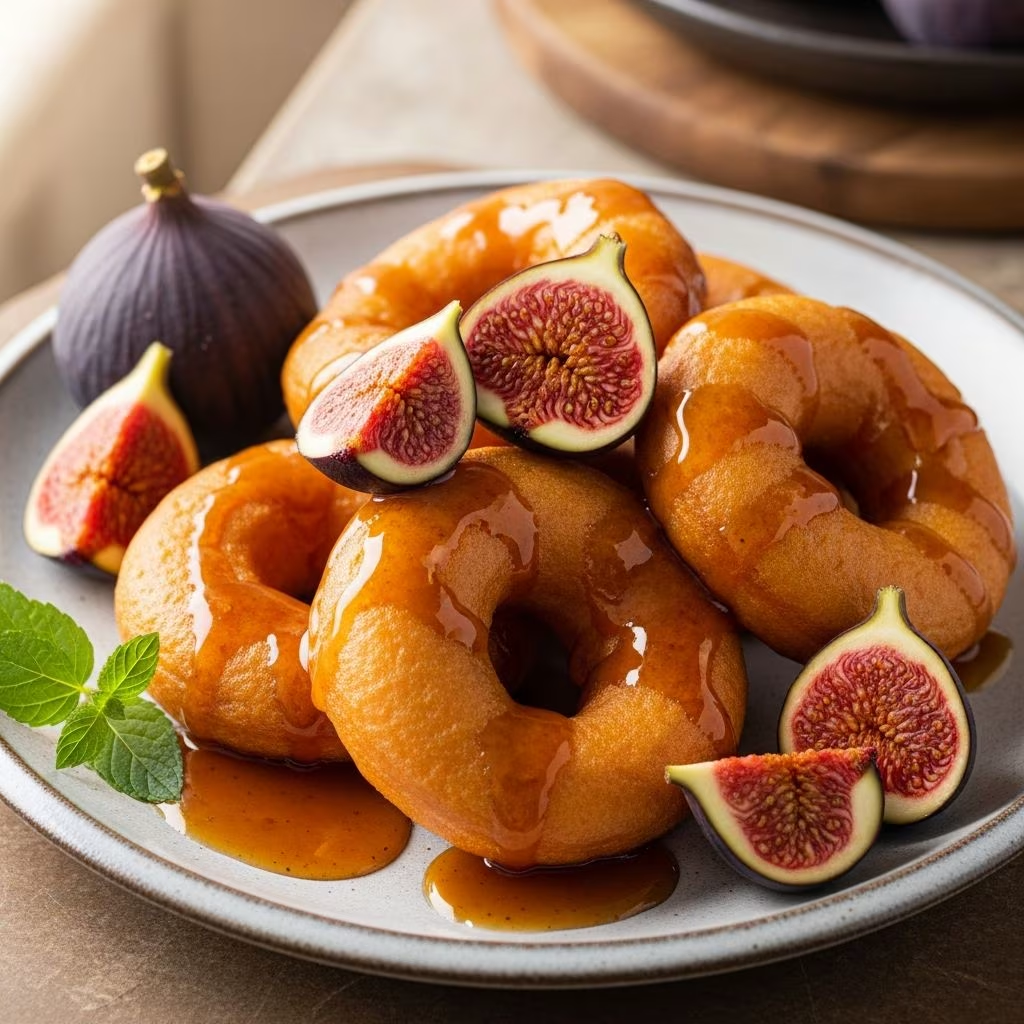
Picarones represent one of Peru’s most cherished contributions to global street food culture, offering a delightful contrast of textures that has captivated food enthusiasts for generations. These distinctive pastries, crafted from humble ingredients like sweet potatoes and pumpkin, showcase the ingenuity of Peruvian cooking by transforming simple produce into an unforgettable dessert experience. The accompanying chancaca syrup—enriched with warm spices and dried figs—elevates these fried treats into something transcendent, creating a harmonious blend of flavors that speaks to both tradition and culinary sophistication.
Understanding the Foundation: What Makes Picarones Unique
Unlike conventional doughnuts that rely primarily on wheat flour for their structure, picarones derive their distinctive character from roasted root vegetables. The combination of sweet potatoes and pumpkin creates a naturally sweet base with subtle earthy undertones, reducing the need for excessive sugar in the dough itself. This vegetable-forward approach not only contributes to the pastries’ remarkable texture but also provides nutritional depth often absent in conventional fried desserts.
The technique of incorporating vegetable puree into the dough requires understanding how moisture content affects gluten development. The high water content in pumpkin and sweet potatoes creates a sticky dough that challenges even experienced bakers, yet this very stickiness contributes to the final product’s exceptional tenderness. When these pastries emerge from hot oil, their interiors remain surprisingly moist and pillowy despite the rapid exterior crisping.
Crafting the Aromatic Chancaca Syrup
Chancaca syrup represents the soul of this dessert, transforming basic pastries into something truly extraordinary. Unlike simple sugar syrups, chancaca incorporates whole spices, citrus, and in this distinctive variation, dried figs that impart subtle complexity and depth. The preparation demands patience and attention, as the slow reduction concentrates flavors while the spices gradually infuse the liquid.
Key Components of the Syrup
- Piloncillo or Panela: These unrefined cane sugars provide caramel notes and molasses undertones that refined sugar cannot replicate, creating a more sophisticated flavor profile
- Cinnamon Sticks: Providing warm, familiar spice notes that complement the sweetness without overwhelming delicate palates
- Whole Cloves: Adding pungent, slightly floral characteristics that balance the syrup’s sweetness
- Star Anise: Contributing licorice-like notes that surprise and delight, adding complexity to each bite
- Dried Figs: Offering jammy sweetness and subtle earthiness while adding textural interest through small particles suspended in the syrup
- Orange: Providing brightness and citrus acidity that cuts through richness and prevents the syrup from becoming cloying
The Art of Dough Development
Creating picarones dough requires understanding how yeast interacts with vegetable-based liquids. The cooking liquid reserved from boiling the vegetables becomes the medium through which yeast activates, carrying flavors from spices used during cooking. This infused liquid replaces plain water, ensuring that spice flavors permeate the dough from the beginning.
Essential Preparation Steps
Before beginning the dough-making process, roasted spices must steep in water with the vegetables, transferring their essential oils into the cooking liquid. Cardamom pods and star anise release their aromatic compounds gradually, creating a fragrant base that will influence every aspect of the final pastry’s flavor. This pre-infusion step distinguishes homemade picarones from rushed commercial versions.
The vegetables themselves require careful attention during cooking. Sweet potatoes should reach complete tenderness, breaking apart easily under light pressure, while pumpkin pieces soften simultaneously. The consistency of the puree matters significantly—overly watery puree necessitates additional flour, potentially creating dense pastries, while insufficiently mashed vegetables leave undesirable texture.
The Science Behind Frying Perfection
Achieving the ideal picarones texture—simultaneously crispy and tender—depends on precise temperature management. Oil heated to 325 degrees Fahrenheit allows the exterior to crisp while interior moisture transforms into steam, creating pockets of air that yield to the tooth. Temperatures exceeding 350 degrees brown the exterior too rapidly, leaving pasty interiors, while cooler oil produces greasy, soggy results.
The frying technique itself requires finesse. Forming the characteristic ring shape by pushing a thumb through the dough’s center creates a cavity that allows even heat penetration. Manipulating this opening with a wooden skewer while the pastry fries prevents the hole from sealing closed, ensuring uniform cooking throughout.
Managing Oil Temperature During Cooking
As picarones fry in batches, oil temperature fluctuates with each addition of cool dough. Adjusting heat levels maintains optimal temperature ranges, preventing the first pastries in a batch from overcooking while ensuring final pastries still achieve proper browning. Frying only three to four picarones simultaneously allows sufficient space for oil circulation around each pastry.
Ingredient Selection and Sourcing
While picarones can be prepared with readily available ingredients, sourcing quality components elevates the final product. Sweet potatoes should display unblemished skin and firm flesh, indicating proper storage and peak freshness. Sugar pumpkins—smaller than carving varieties—offer superior flavor and appropriate texture for this application.
Piloncillo, the unrefined cane sugar essential to authentic chancaca, may require specialty shopping but becomes increasingly accessible through Latin American markets and online retailers. This ingredient’s molasses content contributes irreplaceable caramel complexity that regular brown sugar cannot provide. Similarly, whole star anise, cinnamon sticks, and dried figs should be sourced fresh, with visible aromatic oils rather than dull, faded appearances.
Make-Ahead Strategies and Storage
The chancaca syrup represents an excellent make-ahead component, as its flavor actually improves with a day or two of resting. The spices continue infusing the syrup, intensifying aromatics and creating a more cohesive flavor profile. When stored covered in the refrigerator, the syrup remains viable for one week, though it should return to room temperature before serving.
The dough presents two handling options: immediate frying or overnight refrigeration. Cold fermentation develops more complex flavors as yeast slowly consumes sugars, creating subtle sourness that balances the pastries’ natural sweetness. However, dough temperature affects frying technique—refrigerated dough requires slightly higher oil temperatures to prevent excessive oil absorption.
Troubleshooting Common Challenges
Dense, heavy picarones often result from insufficient yeast activation or inadequate rising time. The dough should double in volume during fermentation, with visible bubbles throughout indicating active fermentation. Underproofed dough will not achieve proper interior crumb structure regardless of frying technique.
Greasy picarones suggest oil temperatures below optimal ranges. A thermometer provides objective measurement, preventing reliance on visual cues that vary with lighting conditions. Conversely, burnt exteriors with pale interiors indicate excessive heat, which hardens the exterior before interior heat penetration.
If the syrup becomes excessively thick during storage, gentle heating with a tablespoon of water restores ideal consistency. Conversely, if initial cooking didn’t reduce the syrup sufficiently, returning it to the stove and continuing reduction concentrates flavors further.
Variations and Creative Adaptations
While traditional chancaca employs standard spices, experimenting with complementary additions personalizes this recipe. A small pinch of nutmeg provides subtle warmth, while vanilla extract added after cooking prevents volatile flavors from evaporating. Fresh ginger or a hint of cardamom might appeal to those seeking contemporary interpretations.
Some contemporary approaches incorporate brown butter into the dough, replacing a portion of the liquid to enhance depth and nuttiness. Others experiment with whole wheat flour integration, creating earthier pastries with increased nutritional profile, though this adjustment requires careful hydration management.
Serving and Enjoyment
Picarones achieve peak enjoyment when served warm, moments after frying when the exterior crispness remains pronounced. The warm chancaca syrup, drizzled generously over each pastry, creates a luxurious eating experience as the warm spices’ aromatics rise with steam. Serving on individual plates with the syrup pooled underneath allows diners to control saturation levels according to preference.
These pastries pair beautifully with strong coffee or spiced hot chocolate, creating flavor combinations that complement rather than compete. Traditionally, street vendors serve picarones from early evening through nighttime hours, offering them as snacks or light desserts after main meals.
Frequently Asked Questions
Can I use canned pumpkin puree instead of fresh pumpkin?
While canned puree offers convenience, fresh pumpkin provides superior flavor and texture control. Canned varieties often contain added moisture and sometimes spices, potentially disrupting the dough’s consistency and intended flavor profile. If using canned puree, reduce the overall liquid content accordingly.
How long do picarones remain fresh?
Picarones are best consumed within a few hours of frying, while the contrast between crispy exterior and soft interior remains pronounced. Room-temperature storage in an airtight container extends viability to approximately one day, though texture quality diminishes noticeably.
Is it possible to bake rather than fry these pastries?
Baking produces different results—the pastries will develop a cake-like crumb rather than the desired interior texture. The characteristic contrast that defines picarones depends on oil’s superior heat transfer capabilities, making frying essential to the recipe.
What oil type works best for frying?
Neutral oils with high smoke points—canola, vegetable, or peanut oil—work optimally. These oils allow accurate temperature control without imparting unwanted flavors that could compete with the delicate spice profile.
References
- Picarones With Fig Chancaca Syrup Recipe — RecipeZazz. 2021-09-28. https://www.recipezazz.com/recipe/picarones-with-fig-chancaca-syrup-37432
- How to Make Picarones [Peruvian Doughnuts] with Chancaca Syrup — YouTube. https://www.youtube.com/watch?v=6uSS8_fNV80
- Picarones with Fragrant Chancaca Syrup | Peruvian Street Food — Mediocre Cook. https://www.youtube.com/watch?v=n1mas32rUt4
- Irresistible Picarones with Fig Chancaca Syrup Delight — Recipes By Avery. https://www.recipesByavery.com/picarones-with-fig-chancaca-syrup/