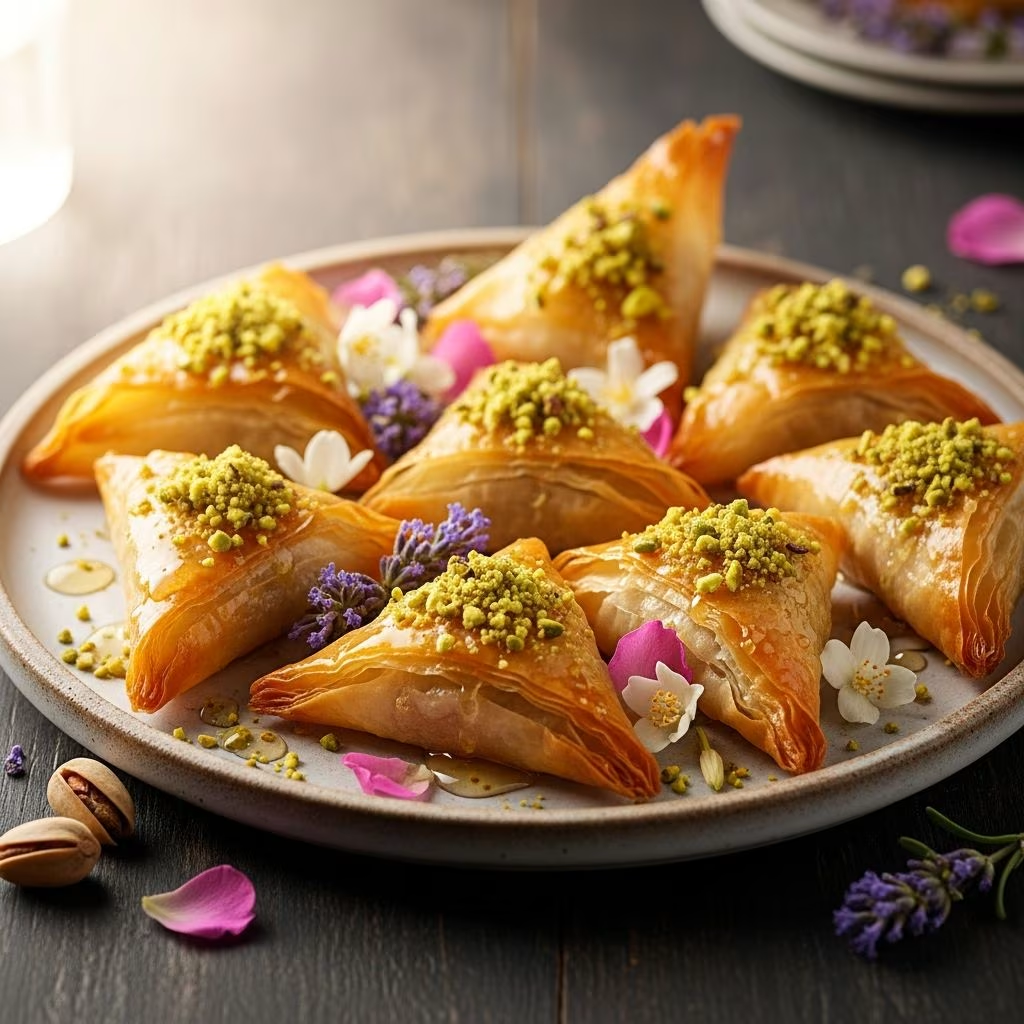
Phyllo pastry represents one of culinary tradition’s most rewarding yet seemingly intimidating mediums for home cooks. These impossibly thin sheets of dough, when layered and brushed with butter, transform into crackling-crisp vessels for sweet fillings. The combination of phyllo’s delicate texture with the earthy richness of pistachios and the subtle floral note of rose creates a sophisticated dessert that bridges rustic simplicity and refined elegance. This guide explores the techniques, ingredient selection, and creative approaches to mastering this classic pastry form.
Understanding Phyllo Dough: Structure and Working Principles
Phyllo dough exists as one of pastry-making’s most ancient and elegant expressions. Unlike puff pastry or laminated doughs that rely on yeast fermentation or butter folding, phyllo achieves its characteristic shattered texture through extreme thinness and moisture balance. Each sheet contains minimal fat, relying instead on the butter applied between layers to create separation and crispness during baking.
The structural integrity of phyllo depends on understanding moisture content. Phyllo purchased from supermarket freezer sections typically contains 40-60% water by weight, making it incredibly pliable when thawed. This hydration allows sheets to stretch almost translucently thin without tearing, yet the moisture must remain sufficiently low to crisp properly during baking. When removed from packaging, phyllo begins losing moisture immediately, requiring careful management throughout preparation.
Temperature and Timing Considerations
Phyllo dough behaves most predictably when worked at room temperature. Removing frozen packages to the refrigerator overnight before use allows gradual thawing, reducing condensation that can create sticky, difficult-to-separate sheets. Once thawed, phyllo should reach approximately 68-70°F before unwrapping. Cold dough resists stretching and tears easily, while overly warm phyllo becomes impossible to handle as sheets stick together.
Once the package opens, phyllo requires active protection from air exposure. Placing a damp kitchen towel over unused sheets prevents drying during assembly. This seemingly simple step proves crucial—even five minutes of exposed air can render phyllo brittle and prone to cracking during handling.
Building the Perfect Filling Foundation
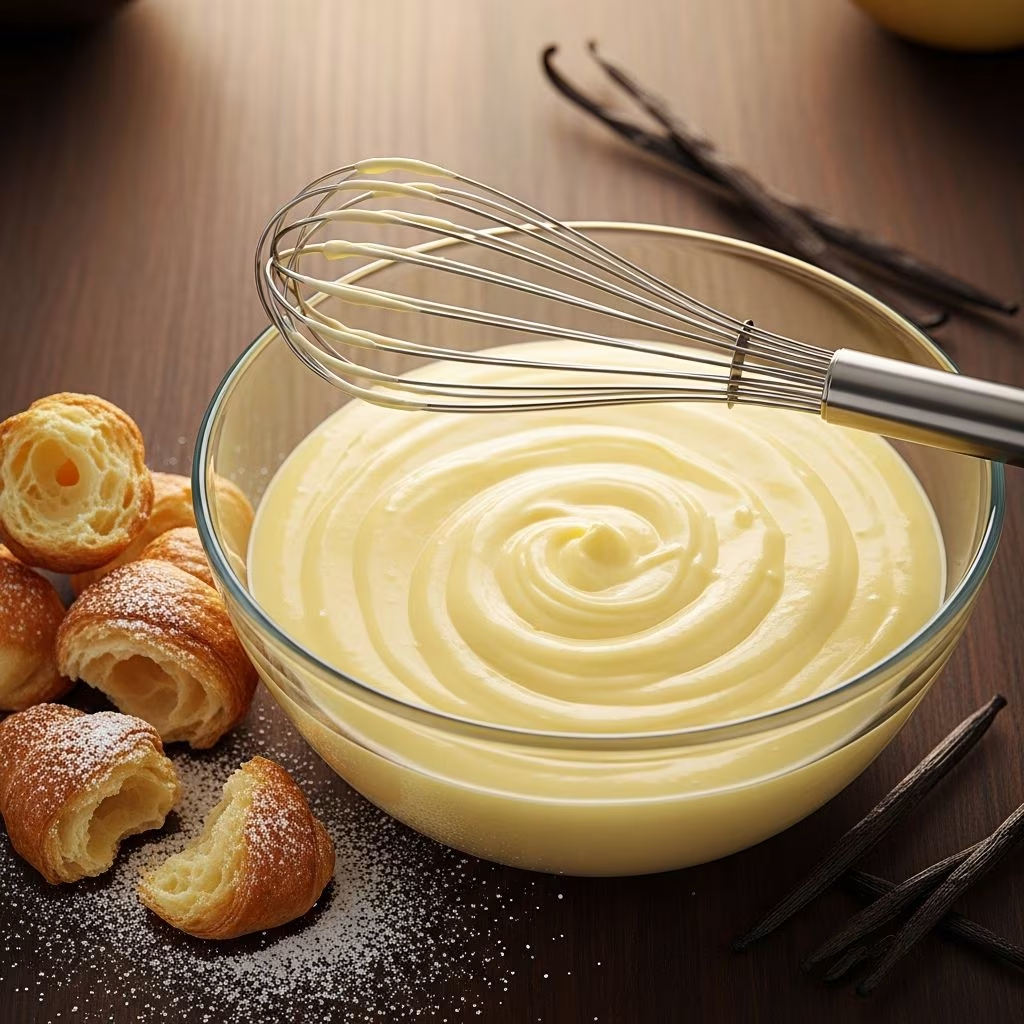
The filling represents the essential counterpoint to phyllo’s delicate crunch. Cream cheese provides a smooth, tangy foundation that balances sweeter elements while offering textural contrast to the pastry shell. Quality cream cheese should feel smooth and spreadable at room temperature, without graininess or excessive firmness.
Cream Cheese Selection and Preparation
Full-fat cream cheese contains approximately 33% milkfat and 10% moisture, creating ideal consistency for filling applications. Lower-fat versions contain more water and produce slightly grainy texture. Allowing cream cheese to sit at room temperature for 30-45 minutes before use ensures it combines smoothly with other filling ingredients, reducing the risk of lumpy texture that occurs when cold cream cheese resists proper mixing.
Rather than using an electric mixer, which can overwork the cream cheese and introduce excess air, gently fold ingredients together using a rubber spatula or wooden spoon. This preserves the filling’s dense, creamy quality rather than creating an airy texture unsuitable for these applications.
Pistachio Integration and Flavor Development
Pistachios contribute both textural complexity and subtle, slightly sweet flavor profile. Raw pistachios contain natural oils that can separate during storage, potentially creating a watery layer. Purchasing from retailers with high turnover ensures maximum freshness. Roasted, unsalted pistachios provide concentrated flavor without additional sodium interfering with the filling’s balance.
Processing pistachios requires consideration—whole pieces provide satisfying texture contrast, while finely chopped pistachios distribute more evenly throughout the cream cheese base. Many preparations benefit from combining textures: a foundation of finely processed pistachios (nearly powder-like) mixed into the cream cheese base, with larger pieces stirred in for crunch. This approach yields approximately 75% smooth incorporation with 25% textural variation.
Rose Flavoring: Subtlety and Balance
Rose water functions as a powerful aromatic—a small quantity creates sophisticated floral notes, while excess produces soapy or perfume-like characteristics. Rose water typically measures 18-20% pure rose oil suspended in water, making precise measurement essential. Using 1/4 to 1/2 teaspoon per cup of filling creates noticeable floral character without overwhelming earthiness of pistachios.
Quality rose water sources matter significantly. Culinary-grade rose water from Middle Eastern or specialty markets contains genuine fragrant rose distillate, whereas some grocery store versions employ artificial flavoring compounds. The distinction becomes immediately apparent in tasting—authentic rose water creates delicate floral enhancement, while synthetic versions produce chemical-tasting results.
Assembly Techniques for Professional Results
Creating phyllo triangles requires a systematic approach that balances speed with precision. Working on a dry, flat surface prevents sticking and allows smooth layering.
Step-by-Step Assembly Process
- Remove one phyllo sheet from the protected stack, keeping remaining sheets covered with damp towel
- Place sheet on work surface with longer edge facing you
- Lightly brush entire surface with melted clarified butter using a soft pastry brush
- Layer second phyllo sheet directly on first, aligned carefully, and repeat butter application
- Position filling (approximately 1.5 tablespoons) along bottom edge, leaving 1-inch margin on sides
- Fold bottom edge up and over filling, tuck sides inward creating envelope, then roll tightly upward
- Alternative triangle method: fold layered sheet diagonally, creating triangular packet, fold repeatedly until entire sheet forms triangle
Butter application requires particular attention—using too much creates excessive greasiness and prevents proper crisping, while insufficient butter results in tough, chewy pastry. Clarified butter (with milk solids removed) brushes more smoothly and browns more evenly than whole butter.
Butter Preparation and Application
Creating clarified butter involves melting whole butter, then allowing milk solids to settle. The clear golden liquid on top represents approximately 95% pure butterfat, offering superior browning characteristics. Melt butter over low heat, skim any foam, and carefully pour the clear liquid into a separate container, discarding the milky sediment.
Allow clarified butter to cool slightly before brushing—extremely hot butter promotes browning before adequate crisping occurs. Brush with light, even strokes rather than heavy application, working from center outward. Each phyllo layer should show faint butter sheen rather than appearing saturated.
Baking Science and Temperature Management
Phyllo pastries require specific oven conditions to achieve optimal results. Baking temperature balances moisture evaporation with browning development.
Oven Preparation and Temperature Considerations
Preheat ovens to 350-375°F (175-190°C), allowing at least 30 minutes for complete temperature stabilization. Under-preheated ovens produce pastries that brown unevenly—exteriors burn while interiors remain chewy. Using an oven thermometer ensures actual temperature matches dial settings, preventing common timing and browning variations.
Arrange assembled triangles on parchment-lined baking sheets, spacing them 1.5 inches apart to allow air circulation and even heat exposure. Crowded baking sheets create steam accumulation, preventing proper crisping and producing chewy results. Placing sheets on middle oven rack ensures consistent heat exposure from above and below.
Baking Duration and Visual Cues
Baking typically requires 20-28 minutes, depending on oven characteristics and triangle size. Rather than relying solely on time, assess color development—properly baked phyllo triangles display deep golden-brown exteriors with visible flaking texture. Underbaked pastries appear pale and lack the characteristic crispy quality.
Rotating baking sheets halfway through baking encourages even browning, as most ovens feature temperature variations between front and back areas. Remove pastries when edges appear deeply golden and packaging crackles slightly when nudged with a spatula.
Storage and Make-Ahead Strategies
These pastries benefit from make-ahead preparation, though proper storage methods remain essential for maintaining quality.
Refrigeration and Freezing Options
| Storage Method | Duration | Preparation Notes | Reheating Instructions |
|---|---|---|---|
| Room Temperature Container | 1-2 days | Store in airtight container with parchment between layers | Consume as-is; reheating may cause over-browning |
| Refrigeration | 3-4 days | Keep in sealed container in coldest section | Warm 5 minutes at 300°F to restore crispness |
| Freezing (Unbaked) | 2-3 months | Freeze on sheet before transferring to freezer bag | Bake directly from frozen, adding 5-8 minutes to time |
| Freezing (Baked) | 1-2 months | Cool completely before freezing in airtight container | Warm 8-10 minutes at 325°F until crispy |
Freezing unbaked triangles offers particular convenience for advance preparation. Assemble pastries completely, freeze on a parchment-lined sheet until solid (approximately 2-3 hours), then transfer to freezer bags. This approach allows baking fresh pastries on demand, producing superior crispness compared to reheating baked versions.
Troubleshooting Common Phyllo Challenges
Even experienced cooks encounter phyllo-related difficulties. Understanding root causes enables effective solutions.
Dough Tearing and Brittleness
Phyllo tears most commonly when insufficient moisture remains in the dough or when working temperature proves too cold. If sheets tear during handling, reassemble pieces with additional butter brushing—these repairs become invisible during baking. Prevent brittleness by ensuring proper thawing and maintaining damp towel coverage over unused sheets. If sheets begin drying, lightly mist with water using a spray bottle.
Greasiness and Lack of Crispness
Excessive butter application creates heavy, greasy pastries rather than crispy ones. Use lighter butter application and ensure adequate oven temperature for complete moisture evaporation. Conversely, insufficient butter prevents browning and produces tough, chewy results. Balance typically means brushing until each layer shows slight sheen without appearing saturated.
Uneven Browning
Rotating baking sheets halfway through cooking addresses most browning inconsistencies. If bottoms brown excessively while tops remain pale, moving sheets to higher oven racks in subsequent batches redistributes heat exposure. Using baking sheets with poor heat conduction properties can also cause uneven results—consider investing in high-quality aluminum or steel sheets.
Serving and Presentation Ideas
These elegant pastries deserve presentation matching their sophisticated flavor profile. Serve at room temperature for optimal texture and flavor development. A light dusting of powdered sugar immediately before serving adds visual appeal and subtle sweetness. Garnishing with additional pistachios halves emphasizes key filling ingredients.
Pairing these pastries with complementary beverages enhances the experience. Strong coffee or espresso balances the pastry’s richness, while mint tea echoes the rose and pistachio flavors. For more formal presentations, arrange on white ceramic dishes and garnish with edible flowers or additional rose water-scented syrup drizzles for decoration.
Frequently Asked Questions
Can I make phyllo dough from scratch rather than purchasing prepared sheets?
Homemade phyllo requires specialized equipment and considerable skill to achieve the extreme thinness required. While technically possible, most home cooks find quality frozen phyllo superior in results and efficiency. Commercial phyllo production involves specialized machinery and generations of technique refinement.
What substitutes work for cream cheese filling?
Mascarpone offers richer texture, though slightly milder flavor. Ricotta creates lighter texture but requires straining to remove excess moisture. Mix ricotta with cream cheese for balanced results. Whipped goat cheese provides tanginess that complements rose and pistachio flavors.
How far in advance can I prepare these pastries?
Assemble and freeze unbaked pastries up to three months ahead. Baked pastries maintain quality for one to two months frozen. For best results, bake from frozen state rather than thawing first.
Can I reduce sugar content in the filling?
Yes, these pastries contain moderate natural sweetness from pistachios and don’t require significant added sugar. Reduce sweetening ingredients by 25-50% according to personal preference. The rose water and pistachio flavors remain pronounced with minimal added sugar.
What oil should I use if avoiding butter?
Clarified ghee offers similar browning characteristics and higher smoke point than butter. Neutral oils like grapeseed or avocado oil create less golden color but produce adequate crispness. Coconut oil produces heavier, coconut-flavored results that may overpower delicate rose notes.
References
- Food Science and Cooking — Harold McGee. 2004. Scribner. https://www.scribner.com
- The Science of Baking: Ratios, Technique, and Timing for Perfect Pastries, Cakes, Cookies, Pies, and Breads — Erin Jeanne McDowell. 2019. William Morrow. https://www.harpercollins.com
- Professional Cooking for College and Career Students — Wayne Gisslen. 2014. Culinary Institute of America. https://www.ciachef.edu
- Mediterranean Cooking: Authentic Recipes from Greece, Turkey, Lebanon, Egypt, Morocco, and the Levant — Clifford Wright. 1997. Harvard Common Press. https://harvardcommonpress.com