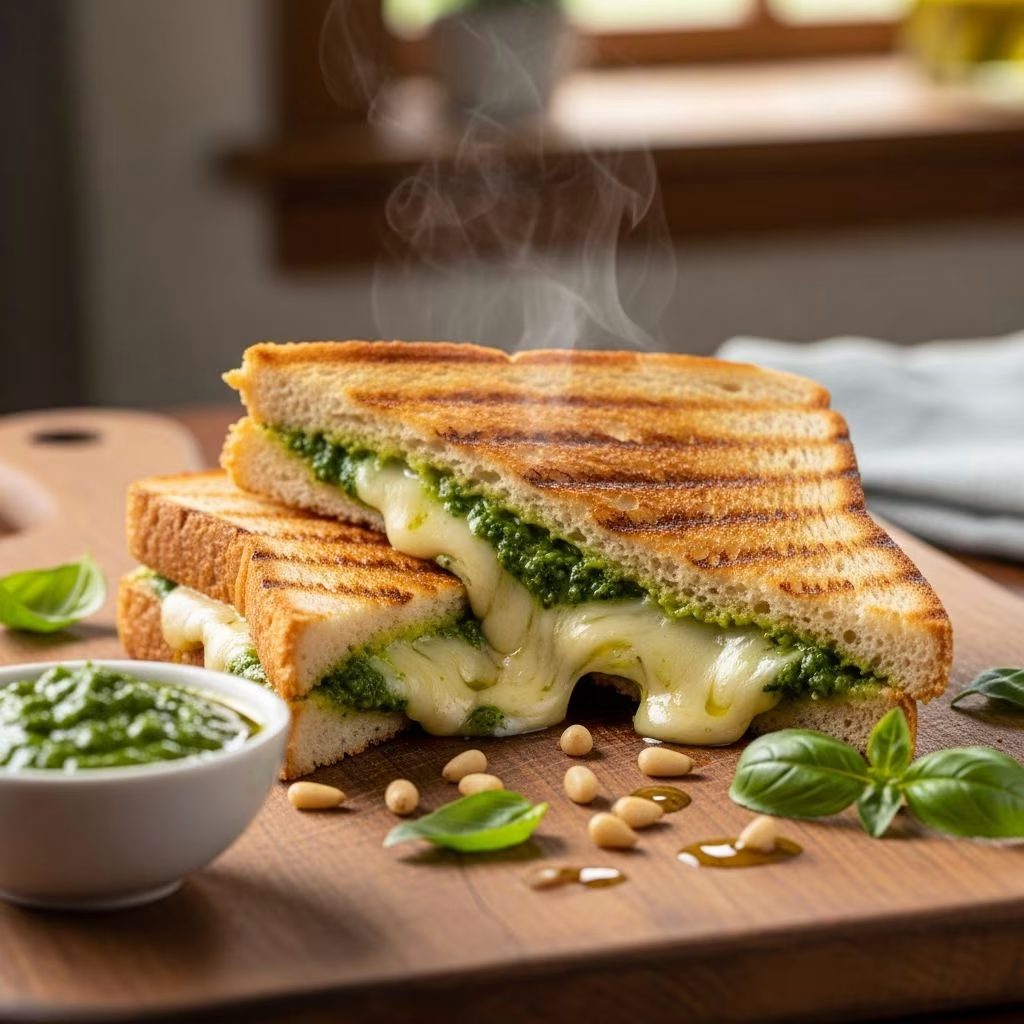
The pesto grilled cheese sandwich represents a sophisticated evolution of a beloved classic comfort food. By introducing vibrant basil pesto into the traditional formula of butter, bread, and cheese, home cooks and professional chefs alike have created a dish that satisfies both nostalgic cravings and contemporary palates. This elevated version maintains the fundamental appeal of crispy, golden bread and melted cheese while adding layers of herbaceous complexity that transform the ordinary into something memorable.
Understanding the Foundation: Why Pesto Works in Grilled Cheese
Pesto, traditionally a combination of fresh basil, garlic, pine nuts, Parmesan cheese, and olive oil, brings multiple dimensions to the grilled cheese experience. The aromatic quality of fresh basil complements the richness of melted cheese without overwhelming it. The garlic and salt in pesto enhance the umami qualities already present in aged cheeses, creating a more complex flavor profile. Additionally, the slight bitterness and herbal notes of basil provide textural contrast to the creamy cheese filling, preventing the sandwich from becoming one-dimensional in flavor.
The beauty of this combination lies in its balance. Unlike heavier sandwich fillings that can feel cloying, pesto-enhanced grilled cheese maintains the lightness of the original while introducing sophistication. The pesto acts as a flavor bridge between the buttery exterior and the cheese interior, ensuring every element contributes meaningfully to the overall experience.
Selecting Your Cheese: The Critical Component
Cheese selection fundamentally determines the sandwich’s success. Professional recipes employ various combinations, each offering distinct advantages. Fresh mozzarella provides a delicate, creamy texture that melts smoothly without becoming stringy or overly thick. This cheese allows the pesto flavor to shine through without asserting dominance. Provolone offers a slightly sharper profile with a firmer structure that maintains integrity during cooking while still achieving optimal melt consistency.
For those preferring more assertive cheese flavors, cheddar introduces a sharpness that stands up well against pesto’s herbaceous intensity. Gouda brings a subtle sweetness that creates an interesting counterpoint to pesto’s savory elements. Some recipes employ a layering strategy, alternating mozzarella with cheddar to achieve complexity while ensuring proper melting behavior.
The choice between pre-sliced and freshly sliced cheese matters more than many realize. Fresh mozzarella purchased from the deli counter or specialty cheese shops melts more evenly than mass-produced sliced varieties. When working with fresh mozzarella, slicing it thinly—roughly quarter-inch thickness—ensures that it melts at the appropriate pace alongside the bread toasting.
Bread Selection and Preparation Techniques
The bread serves as both structure and vehicle for flavor. Artisan sourdough has become increasingly popular in contemporary pesto grilled cheese recipes because its slightly tangy undertone provides subtle complexity. The acid in sourdough complements pesto’s brightness while the bread’s chewiness creates textural interest. Thick-cut bread—ideally three-quarters to one-inch thick—provides sufficient surface area for even butter application and browning while creating interior space for generous cheese quantities.
Alternative bread options deserve consideration. Crusty white bread from local bakeries offers a classic neutral canvas that won’t compete with pesto’s flavors. Focaccia, with its olive oil base and airy crumb structure, naturally harmonizes with pesto. Some adventurous cooks have experimented with whole grain varieties, though these require careful butter application to prevent overwhelming the delicate herb flavors.
Butter application represents an often-overlooked technique that significantly impacts final results. Softening butter to room temperature before spreading ensures even distribution without tearing the bread. The typical application involves spreading approximately half to three-quarters tablespoon of butter on the exterior of each bread slice. This amount provides sufficient fat for browning and crisping without creating an excessively rich final product.
Mastering the Cooking Technique
The fundamental cooking method remains consistent across quality recipes: medium heat application in a skillet or griddle, with temperature control representing the critical success factor. Excessive heat burns the bread exterior before cheese adequately melts, resulting in raw or partially melted cheese interiors. Conversely, insufficient heat produces pale, soft bread that lacks appealing textural contrast.
The optimal process begins with preheating the cooking vessel to medium temperature while assembling the sandwich. Some recipes recommend placing uncooked sandwiches in a cold pan before applying heat, which provides more controlled temperature progression. Once the butter-coated exterior bread makes contact with the hot surface, the cook should resist the urge to move it excessively. A single gentle placement allows butter to emulsify properly with the bread’s surface, creating the desirable golden-brown color.
Covering the skillet with a lid during the final cooking stage accelerates cheese melting by trapping steam. This technique proves particularly valuable when working with thick cheese layers or denser cheese varieties that require additional time to achieve proper melt consistency. The typical first-side cooking duration ranges from three to five minutes, depending on bread thickness and heat intensity.
Flipping technique matters more than many home cooks recognize. Using a proper spatula inserted completely beneath the sandwich ensures a controlled flip that prevents structural collapse or cheese leakage. After flipping, butter application to the second side should occur only after any residual butter in the pan has melted and integrated. The second side typically requires slightly less cooking time—usually two to three minutes—because the cheese has already begun melting from the first side’s heat exposure.
Creative Flavor Enhancement Strategies
While classic pesto and mozzarella combinations satisfy traditional preferences, numerous creative variations expand the sandwich’s versatility. Sun-dried tomatoes introduce sweet-tart flavor complexities that complement pesto’s herbal qualities. These should be cut into small pieces and distributed evenly across the cheese layer to ensure consistent flavor distribution. The concentrated sweetness and chewy texture of sun-dried tomatoes provide sensory contrast to creamy cheese and buttery bread.
Bacon strips add textural crispness and savory depth that elevates the sandwich from simple lunch fare to special occasion material. Quality bacon applications involve cooking the bacon separately to optimal crispness before assembly, ensuring it maintains textural integrity rather than becoming soft or soggy during the sandwich’s cooking process. Typically, one to two strips per sandwich provides sufficient flavor contribution without overwhelming other components.
Fresh tomato slices offer a different approach than sun-dried varieties, providing crisp freshness and light acidity. When using fresh tomatoes, patting slices dry with paper towels prevents excess moisture from compromising bread texture. Layering tomato slices between cheese components rather than on the outside ensures they don’t compress during flipping.
Avocado introduces creamy richness that complements pesto without creating redundancy with the cheese. Thin slicing and careful positioning prevent avocado from shifting during cooking. Some recipes employ mayonnaise on the bread exterior instead of or in addition to butter, which creates a distinctly different crust texture—slightly less crispy but with additional savory richness.
Common Mistakes and How to Avoid Them
Inadequate temperature control represents the most frequent mistake in pesto grilled cheese preparation. Cooking over excessively high heat creates burnt exteriors while leaving cheese centers unmelted. Solution: maintain medium heat consistently, adjusting only when results indicate temperature modification is necessary.
Overstuffing with cheese sounds appealing but creates practical problems. Excessive cheese amounts fail to melt completely within reasonable cooking timeframes, producing sandwiches with crispy exteriors but partially solid cheese interiors. Recommendation: limit cheese to two to three ounces per sandwich, distributed in thin layers.
Inadequate pesto distribution leaves some bites without sufficient herb presence while others contain overwhelming amounts. Solution: spread pesto evenly using the back of a spoon, creating a consistent thin layer rather than random dollops.
Skipping the resting period before slicing causes cheese to rupture and leak from the sandwich. Allowing cooked sandwiches to rest on a cutting board for thirty seconds to one minute permits residual heat to complete final melting processes while cheese begins setting. This simple pause dramatically improves the eating experience.
Frequently Asked Questions
Can homemade pesto be used instead of store-bought varieties? Absolutely. Homemade pesto often provides superior flavor and allows customization of ingredient ratios. However, ensure homemade pesto has been refrigerated and cooled before assembly, as warm pesto can cause uneven cheese melting.
What pesto alternatives work if basil isn’t available? Sun-dried tomato pesto, arugula pesto, or spinach-based pesto varieties provide interesting alternatives. Cilantro-based pesto introduces different herbaceous notes for those seeking experimentation.
Should pesto be applied to both bread slices or just one? Recipes vary, with some applying pesto to both slices and others to just one. Double application creates more herbaceous intensity, while single application provides subtle pesto presence. Personal preference determines the optimal approach.
Can this sandwich be made in an oven or toaster oven? Yes, though skillet cooking provides superior control. Oven methods require longer cooking times and produce less consistent browning, but remain viable for batch preparation.
How should leftover pesto be stored for future sandwich preparation? Refrigerate pesto in airtight containers for up to one week, or freeze in ice cube trays for longer storage. Freezing preserves basil’s bright flavor better than extended refrigeration.
Serving Suggestions and Accompaniments
The pesto grilled cheese sandwich transitions easily between casual lunch and more refined presentations. For simple everyday consumption, straightforward plating alongside potato chips or a light salad suffices. For entertaining, consider serving smaller versions as appetizers or alongside vegetable crudités with complementary dips.
Beverage pairings deserve consideration. Light white wines like Pinot Grigio or Vermentino complement pesto’s herbaceous qualities without overwhelming the dish’s delicate balance. Sparkling water with lemon provides a refreshing non-alcoholic option that cleanses the palate between bites. Iced tea with subtle sweetness balances savory pesto and rich cheese effectively.
Soup pairings transform the sandwich into a more substantial meal. Tomato-based soups, minestrone, or light vegetable broths complement pesto grilled cheese effectively. The contrast between warm soup and the sandwich’s crispy exterior creates satisfying textural variety.
Nutritional Considerations and Healthier Modifications
The traditional pesto grilled cheese sandwich contains approximately 300-400 calories per serving, with significant contributions from butter and cheese. Those seeking lighter versions can employ several strategies without compromising appeal. Substituting mayonnaise for portion of the butter reduces fat content while maintaining moist interior texture. Using part-skim mozzarella instead of full-fat varieties reduces calories while preserving melt quality sufficiently for most applications.
Adding vegetable components—tomato slices, arugula, or spinach—increases nutritional density and fiber content without substantially increasing calorie count. These additions bulk up the sandwich’s volume, creating satisfying fullness with reduced overall caloric impact.
References
- Pesto Grilled Cheese – Will Cook For Smiles — Will Cook For Smiles. Accessed April 2026. https://www.willcookforsmiles.com/parmesan-crusted-pesto-grilled-cheese/
- Golden Pesto Grilled Cheese Sandwich – Josie + Nina — Josie + Nina. Accessed April 2026. https://josieandnina.com/golden-pesto-grilled-cheese-sandwich/
- Pesto and Mozzarella Grilled Cheese Sandwich – Simply Scratch — Simply Scratch. Accessed April 2026. https://www.simplyscratch.com/the-special-grilled-cheese/
- Pesto Grilled Cheese with Sun Dried Tomatoes – Budget Bytes — Budget Bytes. Accessed April 2026. https://www.budgetbytes.com/pesto-grilled-cheese-with-sun-dried-tomatoes/
- The Ultimate Pesto Grilled Cheese – Something About Sandwiches — Something About Sandwiches. Accessed April 2026. https://somethingaboutsandwiches.com/pesto-grilled-cheese/
- Basil Pesto Tomato Grilled Cheese Sandwich — In The Kitchen With Momma Mel. Accessed April 2026. https://inthekitchenwithmommamel.com/recipes/basil-pesto-tomato-grilled-cheese-sandwich/
- Pesto Grilled Goat Cheese Sandwich Recipe – Barilla — Barilla. Accessed April 2026. https://www.barilla.com/en-us/recipe/all/barilla-traditional-basil-pesto-grilled-cheese