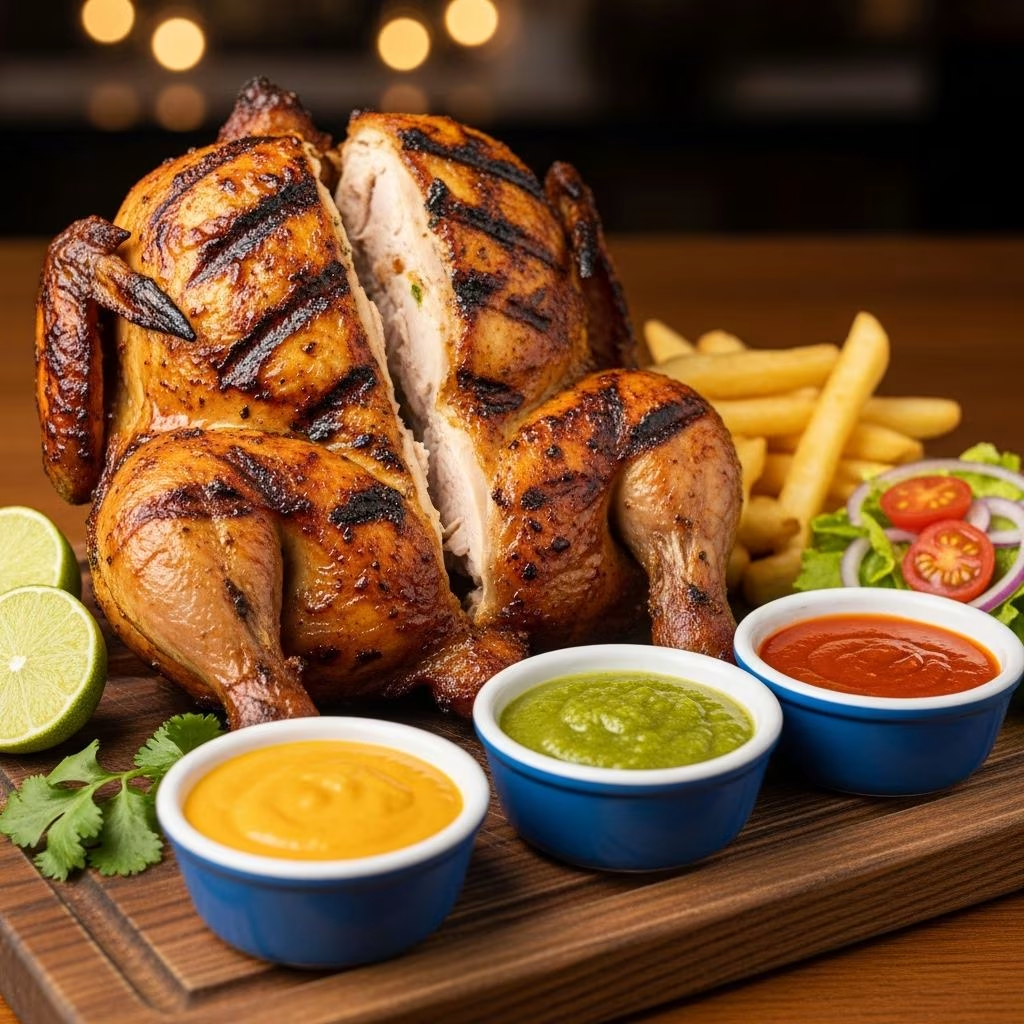
Few dishes capture the essence of South American street food quite like Peruvian grilled chicken, known locally as pollo a la brasa. This iconic preparation has transcended regional boundaries to become a beloved favorite in kitchens worldwide, valued for its harmonious blend of smoky char, aromatic spices, and tender, succulent meat. The beauty of this dish lies not in complexity but in the thoughtful selection of ingredients and proper technique that transforms simple chicken into an extraordinary centerpiece meal.
Understanding the Foundation: Choosing Your Chicken
The foundation of exceptional Peruvian grilled chicken begins with intelligent ingredient selection. Bone-in, skin-on chicken thighs represent the optimal choice, as the bones provide structural integrity during grilling while retaining moisture and imparting deeper flavor development. The skin acts as a protective barrier, preventing the meat from drying while developing a caramelized exterior that contributes textural complexity and visual appeal.
For those preferring boneless preparations, skinless thighs offer a leaner alternative that still maintains adequate moisture content during the cooking process. The thigh cut itself deserves particular attention—this portion contains more fat content than breast meat, making it forgiving and flavorful even if cooking times extend slightly beyond recommendations. When purchasing, select pieces of relatively uniform thickness to ensure even heat distribution and consistent cooking throughout your batch.
Crafting the Marinade: The Flavor Catalyst
The marinade represents the transformative element that distinguishes authentic Peruvian preparation from standard grilled chicken. Traditional formulations center on complementary components that work synergistically to penetrate the meat and develop complex flavor profiles.
Essential Marinade Components
- Soy sauce — Provides umami depth, saltiness, and a savory foundation that anchors other flavors while promoting browning during grilling
- Ají amarillo paste or fresh yellow chilies — Delivers characteristic fruity, slightly sweet heat and distinctive color that defines the Peruvian approach
- Fresh lime juice — Contributes bright acidity that cuts through richness while subtly tenderizing the chicken through enzymatic action
- Garlic — Adds pungent aromatics that develop deeper, more complex flavors when exposed to heat
- Ground cumin — Introduces warm, earthy undertones that complement the spice profile without overwhelming other components
- Dried oregano or parsley — Provides herbal counterpoints that balance savory and spiced elements
- Olive oil — Carries fat-soluble flavor compounds while maintaining moisture and promoting even seasoning distribution
- Honey or muscovado sugar — Introduces subtle sweetness that caramelizes during cooking, creating appealing browning and textural contrast
The preparation method matters considerably. Combining marinade components in a blender creates a cohesive suspension where individual flavors integrate rather than remain separate, resulting in more uniform seasoning throughout the chicken. Some cooks prefer maintaining slight texture variations by hand-mixing with minced rather than pureed garlic, allowing for larger flavor concentrations with each bite.
Marinating duration significantly impacts final results. While brief 20-minute sessions provide basic flavor infusion, overnight refrigeration allows enzymatic breakdown of proteins and deeper penetration of seasonings. The extended contact permits the citric acid in lime juice to begin gentle tenderization while aromatics permeate the meat structure completely.
Preparation Techniques: Setting Yourself Up for Success
Before grilling, bring marinated chicken to room temperature approximately one hour prior to cooking. This often-overlooked step equalizes internal and external temperatures, promoting more uniform doneness and preventing the common problem of charred exteriors paired with undercooked interiors. The temperature differential also affects cooking duration—cold meat requires significantly longer exposure to heat, increasing browning time and potential for surface char before internal temperatures reach safe levels.
Pat the chicken pieces dry with paper towels immediately before placing them on the grill surface. This moisture removal promotes immediate searing and attractive browning rather than steaming during initial cooking stages. Reserve the marinade that clings to the meat—this flavorful coating will caramelize during high-heat exposure, creating the characteristic crust that distinguishes restaurant-quality preparations.
Grilling Methodology: Achieving Optimal Results
Temperature Management
Effective Peruvian-style grilling requires temperature differentiation between cooking stages. Initially, preheat your grill or grill pan to medium-high heat—approximately 350 degrees Fahrenheit or until water droplets skate across the surface. This elevated temperature creates the caramelization necessary for developing complex flavors and appealing visual presentation without overcooking the interior.
Place chicken pieces on the hot grill surface, skin-side or meatiest side down, resisting the urge to move them constantly. Allow 5-7 minutes of undisturbed contact with the heat source, permitting the surface to develop proper browning and flavor development through the Maillard reaction—the chemical process responsible for the appetizing brown color and complex flavors in cooked foods.
Two-Stage Cooking Process
After the initial high-heat sear, flip the chicken and reduce heat to medium or medium-low. Cover the grill or grill pan to trap residual heat, creating an enclosed environment that promotes gentle, even cooking of the interior without accelerating exterior browning. This stage requires 10-15 minutes, depending on piece size and grill characteristics. The chicken reaches safe internal temperature (165 degrees Fahrenheit) when a meat thermometer inserted at the thickest point registers this temperature without touching bone.
For particularly large pieces, introduce a small amount of water to the grill pan—approximately one-half cup—after reducing heat. This creates a steaming effect that ensures the interior cooks completely while the covered environment maintains exterior browning. The liquid should not be excessive, as the goal remains achieving properly cooked chicken without boiling or poaching it.
The Complementary Element: Ají Verde (Green Sauce)
Grilled Peruvian chicken achieves its full potential when paired with vibrant ají verde, the traditional green sauce that has become inseparable from this preparation. This component transforms the dish from satisfying to truly memorable through its bright, herbaceous character and creamy texture.
Creating the Sauce
Combine fresh cilantro or parsley (depending on preference and regional tradition), fresh green chilies—typically serrano or jalapeño peppers—minced garlic, and diced yellow onion or scallions in a food processor. Add mayonnaise or sour cream as the fat base, incorporating fresh lime juice for brightness. Pulse until achieving your preferred consistency—some prefer perfectly smooth, while others maintain slight texture for visual interest and varied mouthfeel.
The sauce maintains refrigeration for up to one week when properly stored in an airtight container, making advance preparation practical for meal planning. The flavors intensify over 24 hours as components meld, suggesting even better results when prepared a day ahead.
Serving Considerations and Accompaniments
Present grilled Peruvian chicken immediately after cooking, while residual heat maintains the appealing texture contrast between crispy exterior and moist interior. Arrange pieces on a serving platter and drizzle generously with ají verde, allowing the sauce to pool around the chicken for visual drama and convenient absorption.
Traditional accompaniments include crispy fried potato sticks (papas a la francesa), steamed or boiled potatoes, or seasoned rice. The starch component serves both practical and culinary functions—absorbing excess sauce while providing textural variety and satisfying substance. Fresh lime wedges scattered across the platter allow diners to adjust brightness to personal preference.
Variations and Adaptations
Regional and personal preferences have spawned numerous variations on the core preparation. Some preparations incorporate smoked paprika for additional depth and complexity. Others feature honey as the sweetening agent rather than sugar, imparting subtle floral notes. Certain recipes introduce fresh herbs directly into the marinade—cilantro, basil, or mint—expanding the aromatic profile.
For those unable to access ají amarillo paste, substituting equal parts regular chili powder with a pinch of turmeric approximates the flavor profile reasonably well, though the distinctive fruitiness characteristic of authentic preparations will be diminished. The cooking method also permits variation—outdoor grilling, grill pan cooking, or even oven roasting all produce acceptable results, though grilling or pan-searing develops superior surface char and flavor development through direct heat exposure.
Troubleshooting Common Challenges
Dry, Overcooked Chicken: The most frequent problem results from cooking boneless, skinless breast meat or maintaining excessive heat throughout the entire cooking duration. Solution: Select thighs, maintain covered heat during the second cooking stage, and use a thermometer to monitor doneness precisely.
Inadequate Browning: Results from insufficient initial heat, wet chicken surfaces, or crowded grill conditions preventing direct heat contact. Ensure proper preheating, pat chicken dry, and maintain adequate spacing between pieces.
Uneven Cooking: Pieces of substantially different thicknesses cook at different rates. Solution: Pound thicker pieces to uniform thickness or choose pieces of similar size during selection.
Nutritional Information and Dietary Modifications
A typical serving of Peruvian grilled chicken with green sauce provides approximately 400-500 calories, with protein content around 40-45 grams from the chicken. The olive oil contributes heart-healthy monounsaturated fats while the lime juice and herbs provide minimal calories alongside significant flavor contribution.
For reduced-calorie preparations, substitute Greek yogurt or light sour cream for traditional mayonnaise in the green sauce. Those avoiding nightshade vegetables can modify ají verde by increasing herb content and reducing or eliminating green chili peppers. Paleo modifications simplify by removing sauce and focusing on the properly prepared grilled chicken, which remains compliant without modifications.
Frequently Asked Questions
Can I prepare this dish without a grill?
Yes. A grill pan heated over medium-high stovetop heat replicates grilling results reasonably well, as does oven roasting at 425 degrees Fahrenheit. The exterior browning may be less pronounced without direct high heat, but the interior preparation and flavor profile remain intact.
How long can marinated chicken remain safely refrigerated?
Properly marinated chicken in food-safe containers keeps for 24-48 hours maximum. Beyond this timeframe, acid degradation and potential bacterial growth become concerns. Freeze marinated chicken for longer storage, thawing in the refrigerator before cooking.
What if I cannot find ají amarillo paste?
Substitute fresh or frozen ají amarillo peppers if available. Otherwise, regular chili powder combined with turmeric approximates the flavor profile. Some cooks use substitutes like mild paprika with a pinch of cumin, accepting that the distinctive character will be somewhat altered.
Does the marinade need to be completely removed before cooking?
No. The adherent marinade layer caramelizes during cooking, creating flavorful crust. However, excess pooled marinade should be shaken off to prevent excessive charring or bitter burning.
References
- Peruvian Grilled Chicken with Creamy Green Sauce & Special Marinade — Eat Peru. 2024. https://www.eatperu.com/peruvian-grilled-chicken/
- Grilled Peruvian Chicken — Homemade Home. https://homemadehome.com/grilled-peruvian-chicken/
- Peruvian Chicken with Green Sauce (Aji Verde) — Platings and Pairings. https://www.platingsandpairings.com/peruvian-grilled-chicken-creamy-green-sauce/
- Grilled Peruvian Chicken and Rice Bowls with Green Sauce — Simply Delicious Food. https://simply-delicious-food.com/grilled-peruvian-chicken-and-rice-bowls-with-green-sauce/
- Peruvian Chicken with Green Sauce (Pollo a la Brasa) — Feasting at Home. https://www.feastingathome.com/grilled-peruvian-chicken-with-green-sauce/