The upside-down cake represents a timeless baking technique that transforms simple ingredients into an elegant dessert. When combined with the delicate sweetness of persimmons, this classic preparation becomes a sophisticated treat perfect for seasonal celebrations. This comprehensive guide explores everything needed to master this culinary creation, from selecting quality fruit to executing the inversion process with confidence.
Understanding the Persimmon and Ingredient Selection
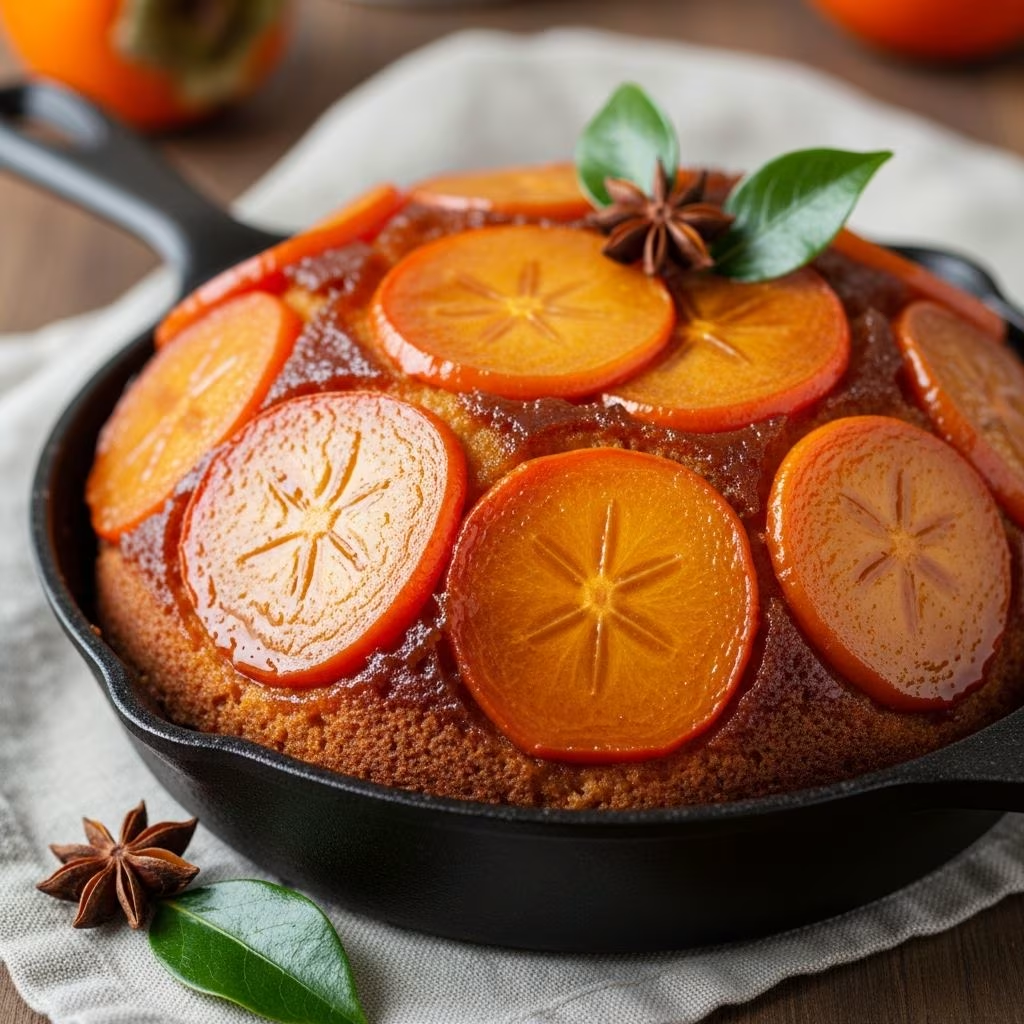
Successful persimmon upside-down cake begins with choosing the right variety of persimmons. Fuyu persimmons are the preferred choice for this dessert due to their firm texture and natural sweetness. Unlike their softer counterparts, Fuyu persimmons maintain their shape when sliced and arranged in the cake pan, creating visually appealing layers that showcase the fruit’s natural beauty.
When selecting persimmons at the market, look for fruits that yield slightly to gentle pressure but remain quite firm. Overly soft persimmons will become mushy during baking, compromising both texture and presentation. The skin should be smooth and unblemished, with a deep orange hue indicating ripeness and optimal sugar content. Persimmons harvested too early may lack sweetness, while those that are overripe become difficult to slice and arrange properly.
Quality Butter and Brown Sugar Foundation
The caramelized layer that forms the cake’s crown depends entirely on quality ingredients. Unsalted butter allows you to control the salt content in your dessert, while brown sugar contributes both sweetness and moisture. Light brown sugar produces a milder molasses flavor, while dark brown sugar creates a deeper, more complex caramel layer. The choice between the two depends on personal preference and the intensity of flavoring desired in the final product.
Preparing Persimmons for Optimal Results
Proper persimmon preparation significantly impacts the final cake’s appearance and texture. The process begins by removing the leafy crown at the top of each fruit using a sharp knife. Next, carefully peel away the thin outer skin using either a vegetable peeler or a small paring knife, employing the same technique used when peeling apples.
Once peeled, slice the persimmons crosswise into rounds approximately one-quarter inch thick. This thickness strikes a balance between structural integrity and tenderness during baking. Thinner slices may break apart, while thicker rounds won’t soften adequately. Reserve any irregular pieces or chunky sections for immediate consumption or use in other recipes.
Arranging the Persimmon Layer
The visual presentation of an upside-down cake largely depends on how thoughtfully the fruit is arranged. Begin by combining melted butter with brown sugar and salt, then spread this mixture evenly across the bottom of your cake pan. Position the persimmon slices in a pleasing pattern, filling gaps with smaller pieces to maximize fruit coverage. Unlike traditional pineapple upside-down cakes that leave intentional spaces for visual contrast, persimmon cakes benefit from more complete coverage, creating a unified caramelized top when inverted.
The Cake Batter Foundation
A tender, moist cake batter complements the caramelized fruit topping. The dry ingredients—flour, baking powder, and salt—form the structural base when properly combined. Unlike biscuits or pastries that benefit from minimal mixing, cakes require sufficient blending to distribute leavening agents evenly, ensuring consistent rise throughout the baking process.
Creaming Method for Superior Texture
The creaming method begins by beating softened butter with granulated sugar until the mixture becomes light, fluffy, and pale in color. This aerating process typically requires 2-3 minutes of vigorous beating with an electric mixer. The incorporated air creates fine crumb structure in the finished cake, resulting in a tender texture that contrasts beautifully with the chewy caramelized fruit layer.
After creaming, add eggs one at a time, ensuring each is fully incorporated before introducing the next. This gradual approach creates a stable emulsion that maximizes moisture retention. Finally, alternate adding the dry ingredient mixture with liquid components like buttermilk, beginning and ending with dry ingredients. This technique prevents overmixing, which would develop gluten and create a dense, tough cake.
Flavor Enhancement and Variations
While classic persimmon upside-down cake relies on the fruit’s natural sweetness, various flavor additions elevate the dessert further. Chinese five-spice powder introduces warm, aromatic notes that complement persimmon’s delicate flavor profile. Cinnamon and nutmeg similarly enhance the fruit without overpowering it. Some bakers incorporate vanilla extract or almond flavoring to add complexity to the cake crumb.
Alternative Sweetening and Binding Options
Beyond traditional white sugar and brown sugar, honey serves as an excellent sweetening agent for persimmon upside-down cake. Honey contributes moisture, promotes browning, and adds subtle floral notes that pair well with the fruit. For those seeking grain-free versions, almond flour creates a tender, naturally sweet cake that supports the delicate persimmon topping beautifully.
Sour cream, yogurt, and buttermilk each bring distinct properties to cake batters. Sour cream and yogurt increase moisture and create a slightly tangy undertone that balances richness. Buttermilk’s acidity activates baking soda, promoting additional lift and a finer crumb structure. Rum or other spirits can be incorporated into the caramel layer, adding depth and preventing excessive crystallization of the sugar during baking.
Essential Baking Techniques and Equipment
Pan Selection and Preparation
Most persimmon upside-down cake recipes call for either a 8-inch or 9-inch round cake pan, with depth of at least 2 inches. Springform pans offer advantages when inverting, as their removable sides prevent damage to the finished cake. Before assembling, line the pan bottom with parchment paper and butter thoroughly to prevent sticking.
Oven Temperature and Baking Duration
Proper oven temperature ensures even baking and appropriate caramelization. Most recipes call for preheating to 350 degrees Fahrenheit. Baking duration typically ranges from 30 to 40 minutes for standard cakes, extending to 45-55 minutes for bundt pans or exceptionally large cakes. The cake is done when a toothpick inserted into the center emerges with no wet batter, though a few moist crumbs are acceptable.
Mastering the Inversion Process
The moment of truth arrives when inverting the baked cake. Allow the cake to cool in its pan for 5-10 minutes, during which the caramel layer begins to set but the cake remains warm enough to release easily. This timing is crucial—too brief, and the cake may separate from the caramel; too long, and the caramel hardens, making release difficult.
Trace around the cake’s edges with a thin butter knife to ensure complete loosening from the pan walls. Place a serving plate upside-down over the cake, then, using firm grip with oven mitts, hold both the plate and pan securely. Quickly rotate away from yourself while giving a gentle but confident up-and-down shake to release the cake from the pan. This rapid inversion prevents hesitation that might cause cracking or incomplete release.
Troubleshooting Common Issues
| Problem | Cause | Solution |
|---|---|---|
| Persimmon slices sliding off | Insufficient butter or brown sugar | Ensure adequate caramel layer and tight persimmon arrangement |
| Cake sinking in the middle | Underbaking or excessive leavening | Bake until toothpick test confirms doneness; avoid opening oven prematurely |
| Caramel crystallizing | Sugar crystals forming during baking | Add small amount of liquid (rum or water) to prevent crystallization |
| Cake tearing during inversion | Cake too warm or not released properly | Cool 10 minutes; trace edges thoroughly before inverting |
| Dense, heavy crumb | Overmixing batter | Mix only until combined; do not overbeat |
Serving and Storage Recommendations
Persimmon upside-down cake is best served while still warm or at room temperature, allowing the caramel layer to showcase its glossy appearance and concentrated flavor. Serve with whipped cream, Greek yogurt, or vanilla ice cream to complement the subtle fruit and caramel notes.
Proper storage extends the cake’s shelf life. Keep leftover cake covered at room temperature for up to two days, or refrigerate for up to four days. The cake may be frozen for up to three months when wrapped securely in plastic wrap and placed in an airtight container. Thaw frozen cake at room temperature before serving to restore optimal texture and flavor.
Frequently Asked Questions
Can I use canned or frozen persimmons?
Fresh Fuyu persimmons provide the best texture and appearance for this cake. Canned persimmons may become overly soft during baking, while frozen persimmons often lack structural integrity when thawed.
What if I can’t find Fuyu persimmons?
Hachiya persimmons can substitute, though they require careful handling. Ensure they are very firm, as they soften quickly. Alternatively, firm pears or firm peaches can replace persimmons, adjusting baking time as needed.
Can this cake be made dairy-free?
Yes, substitute butter with coconut oil or dairy-free butter alternative. Replace buttermilk with non-dairy milk mixed with lemon juice or vinegar. The texture may differ slightly but remains delicious.
How far in advance can I prepare this cake?
Prepare the persimmon topping and cake batter separately up to four hours before baking. Assemble and bake shortly before serving for optimal flavor and texture.
Why did my cake stick to the pan?
Insufficient pan preparation is the primary cause. Ensure thorough buttering and parchment paper lining. If sticking occurs, warm the pan bottom gently before attempting inversion again.
Exploring Recipe Variations and Adaptations
Persimmon upside-down cake welcomes creative interpretations. A maple-sweetened version replaces white sugar with maple syrup and maple sugar, deepening the autumnal character. Adding chopped walnuts or pecans to the cake batter introduces textural contrast and nutty undertones that complement persimmon’s subtle sweetness.
For those preferring lighter cakes, almond flour substitutions create grain-free versions with naturally tender crumbs. Yogurt additions increase moisture while reducing the overall richness. Even the caramel layer can be enhanced with spices, liqueurs, or alternative sweeteners, allowing bakers to customize the dessert according to their preferences and dietary requirements.
References
- Baking Science and Technology — American Association of Cereal Chemists International. 2024. https://www.aaccnet.org
- Persimmon Fruit: Composition, Nutritional Value, and Bioactive Compounds — Journal of the Science of Food and Agriculture. 2023. https://doi.org/10.1002/jsfa.12450
- Professional Baking Techniques and Standards — Culinary Institute of America. 2023. https://www.ciachef.edu
- Food Safety Guidelines for Home Bakers — U.S. Food and Drug Administration. 2025. https://www.fda.gov/food
- Cake Chemistry and Ingredient Interactions — Food Chemistry Research Division. 2024. https://www.sciencedirect.com/journal/food-chemistry