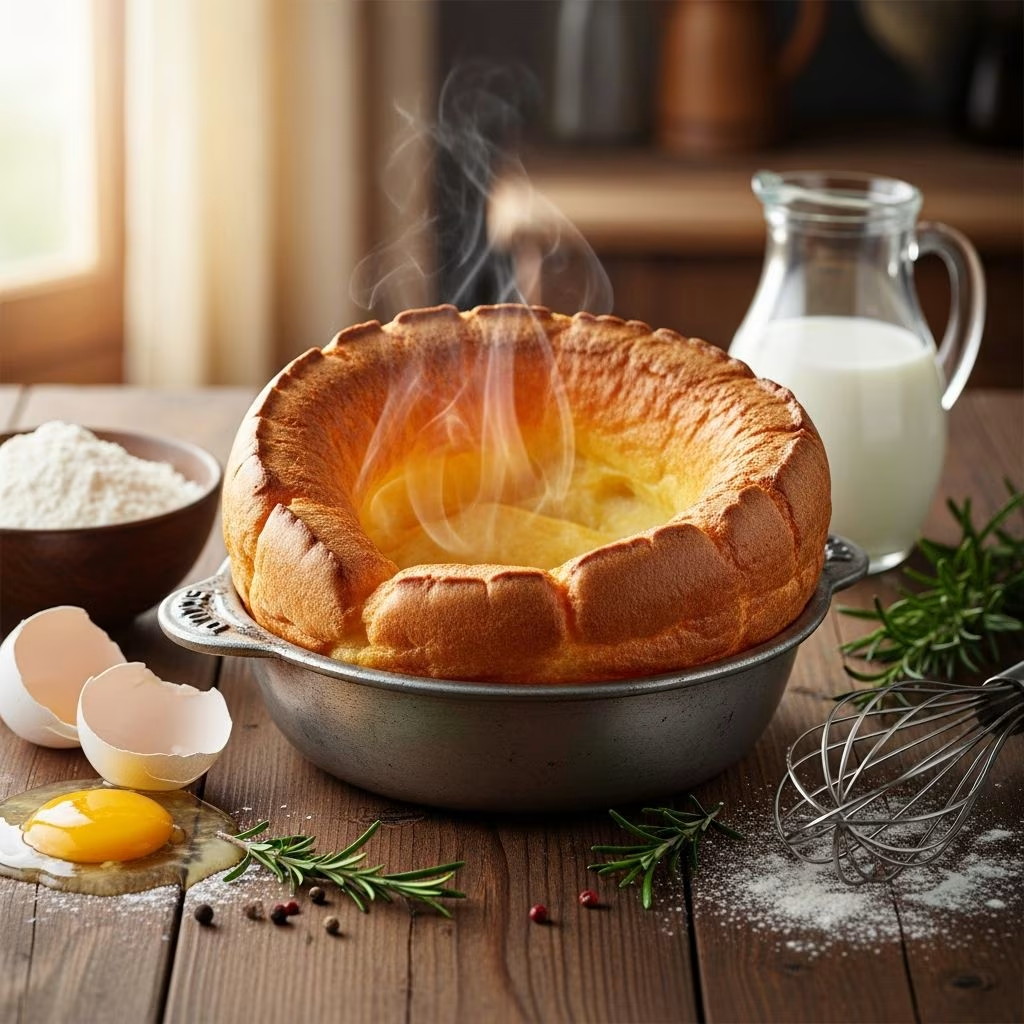
Yorkshire pudding stands as a cornerstone of British cuisine, renowned for its dramatic rise, crispy exterior, and soft, custardy interior. Originating from the Yorkshire region in England, this simple batter-based dish has evolved from a thrifty use of roast drippings to a beloved accompaniment for Sunday roasts. Achieving the perfect pudding requires attention to temperature, timing, and technique—details we’ll explore in depth throughout this guide.
The Origins and Cultural Significance of Yorkshire Pudding
Historically, Yorkshire puddings emerged in the 18th century as a way for working-class families to stretch expensive meat. Batter was cooked beneath the roasting joint to catch flavorful drippings, providing a filling side dish before the scarce meat was served. By the 19th century, the recipe gained popularity across Britain and beyond, with Queen Victoria reportedly enjoying them. Today, they symbolize comfort food, essential for roast beef dinners, holidays, and pub meals.
In modern times, Yorkshire puddings transcend class boundaries, appearing in fine dining and home kitchens alike. Competitions, like those crowning award-winning recipes, highlight their cultural prestige, where bakers vie for the tallest, crispiest specimens. Their appeal lies in simplicity: just flour, eggs, milk, and fat, yet endless potential for perfection.
Essential Ingredients for Success
The beauty of Yorkshire pudding lies in its minimal ingredients, but quality matters. Here’s a breakdown:
- Flour: Plain all-purpose flour (about 1-1.5 cups or 120-225g) provides structure. Sifting prevents lumps for a silky batter.
- Eggs: 3-4 large eggs add richness and lift. Room temperature eggs incorporate air better during whisking.
- Milk: Whole milk (1-1.25 cups or 250-300ml) creates the right consistency. Some recipes mix with water for lighter results.
- Fat: Beef drippings, lard, or oil (1-4 tbsp total) is non-negotiable for flavor and crispiness. Drippings impart authentic roast taste.
- Seasoning: Salt (1 tsp) enhances savoriness; optional white pepper or herbs for nuance.
Proportions vary slightly across recipes, but a common ratio is 1:1:1 for flour, eggs, and milk by volume, adjusted for scale. Use fresh, high-quality items—stale eggs or low-fat milk yield flat results.
Step-by-Step Recipe for 12 Individual Puddings
This reliable method yields tall, golden puddings using a standard 12-cup muffin tin or dedicated Yorkshire pudding tin. Prep time: 10 minutes (plus chilling). Cook time: 20-25 minutes. Total: 45 minutes.
Ingredients Table
| Ingredient | Quantity | Notes |
|---|---|---|
| All-purpose flour | 1 cup (120g) | Sifted |
| Large eggs | 3 | Room temperature |
| Whole milk | 1 cup (240ml) | Cold for resting |
| Beef drippings or oil | ¼ cup (60ml) | Divided into tins |
| Salt | 1 tsp | Fine sea salt preferred |
Detailed Instructions
Prepare the batter: In a large bowl, sift flour and salt. In a separate jug, whisk eggs and half the milk until frothy. Gradually incorporate into dry ingredients, whisking vigorously to eliminate lumps. Add remaining milk for a thin, pancake-like consistency. Cover and refrigerate for at least 1 hour (ideally overnight) to relax gluten and enhance rise.
Preheat essentials: Set oven to 425-450°F (220-230°C), the hottest safe setting. Divide fat into tin cups (about 1 tsp each). Place tin in oven for 8-10 minutes until fat smokes and shimmers—critical for steam that drives the dramatic puff.
Fill and bake: Whisk chilled batter briefly. Working swiftly, remove hot tin and fill each cup ½-¾ full (cold batter hitting hot fat creates the signature cup shape). Return immediately to oven. Bake undisturbed for 20-25 minutes until deeply golden and crisp. Avoid peeking to prevent collapse.
Serve hot: Enjoy straight from oven with gravy, alongside roast meats, vegetables, and Yorkshire’s famous condiment, horseradish sauce.
Pro Tips for Sky-High Rise and Crispiness
Success hinges on science: hot fat vaporizes into steam, inflating the batter while proteins set for structure. Key techniques include:
- Temperature extremes: Smoking-hot tin (450°F+) and ice-cold batter create rapid expansion.
- Resting the batter: Chilling 1-24 hours mellows flavors and prevents toughness.
- No door opening: Maintains heat for uninterrupted rise.
- Tin choice: Deep muffin tins or specialized Yorkshire tins (2-3 inches deep) outperform shallow pans.
- Fat quality: Beef tallow or drippings beat vegetable oil for authenticity and crunch.
For large-format versions, use 8-9 inch cast iron skillets, filling halfway and baking 25-30 minutes.
Common Mistakes and Troubleshooting
Even seasoned bakers falter. Here’s how to fix issues:
| Problem | Cause | Solution |
|---|---|---|
| Flat puddings | Insufficient heat or overmixing | Verify oven temp with thermometer; whisk minimally. |
| Soggy centers | Too much batter or early oven opening | Fill ½ full; bake fully golden. |
| Lumps in batter | Poor whisking | Sift flour; use blender if needed. |
| Uneven rise | Inconsistent fat heating | Rotate tin midway if oven hotspots exist. |
Test your oven’s accuracy—dials often lie.
Variations to Elevate Your Puddings
- Vegetarian: Use vegetable oil or goose fat; infuse batter with rosemary.
- Cheese-infused: Grate cheddar into batter for gooey bites.
- Sweet version: Swap savory fat for butter, add sugar and serve with custard.
- Mini bites: Use mini muffin tin for appetizers, bake 12-15 minutes.
- Gluten-free: Substitute 1:1 gluten-free flour blend; results may vary slightly.
Experiment cautiously—classics shine with subtle tweaks.
Pairing Suggestions for the Ultimate Roast
Yorkshire puddings demand gravy: a rich beef stock reduction with onions and Worcestershire. Classic partners include rare roast beef, crispy roast potatoes, seasonal veg like carrots and parsnips, and Yorkshire forcing (forced rhubarb) for dessert. Wine pairing: robust red like Cabernet Sauvignon cuts the richness.
Storage and Reheating
Best fresh, but store cooled puddings in airtight container up to 2 days. Reheat at 400°F for 5 minutes to revive crispness—microwaving sogs them. Freeze baked puddings up to 1 month; thaw and reheat similarly.
Frequently Asked Questions (FAQs)
Can I make Yorkshire pudding without beef drippings?
Yes, lard, duck fat, or neutral oil works, though flavor diminishes. For vegan, coconut oil yields surprisingly good results.
Why didn’t my puddings rise?
Likely cool oven or warm batter. Prioritize heat differentials next time.
How far in advance can I make the batter?
Up to 24 hours ahead; longer rest deepens flavor without compromise.
What’s the difference between Yorkshire pudding and popover?
Similar batters, but Yorkshire uses drippings and serves savory; popovers are sweeter, butter-based.
Can I double the recipe?
Yes, but bake in batches to maintain tin heat. Scale evenly.
Nutritional Information (Per Pudding, Approximate)
| Nutrient | Amount |
|---|---|
| Calories | 120 |
| Protein | 4g |
| Carbs | 10g |
| Fat | 7g |
Values vary by ingredients; indulgent but portion-controlled.
References
- Yorkshire Pudding – Preppy Kitchen — Preppy Kitchen. 2023. https://preppykitchen.com/yorkshire-pudding/
- Award-Winning Yorkshire Pudding Recipe — Yorkshire Pudding Co. 2023. https://www.yorkshirepudd.co.uk/award-winning-yorkshire-pudding-recipe/
- Traditional Yorkshire Pudding — The Daring Gourmet. 2023. https://www.daringgourmet.com/yorkshire-pudding/
- Classic Yorkshire Puddings Recipe — BBC Good Food. 2023. https://www.bbcgoodfood.com/recipes/classic-yorkshire-puddings