Black and white cookies represent one of New York City’s most treasured culinary exports—a delightful combination of tender, cake-like texture enveloped in contrasting vanilla and chocolate frostings. This traditional confection has remained a beloved fixture in American bakeries for generations, and its iconic appearance makes it instantly recognizable to any pastry enthusiast. The beauty of these cookies lies not merely in their striking visual presentation but also in the careful balance between the soft, pillowy crumb and the glossy, smooth icing that blankets each half.
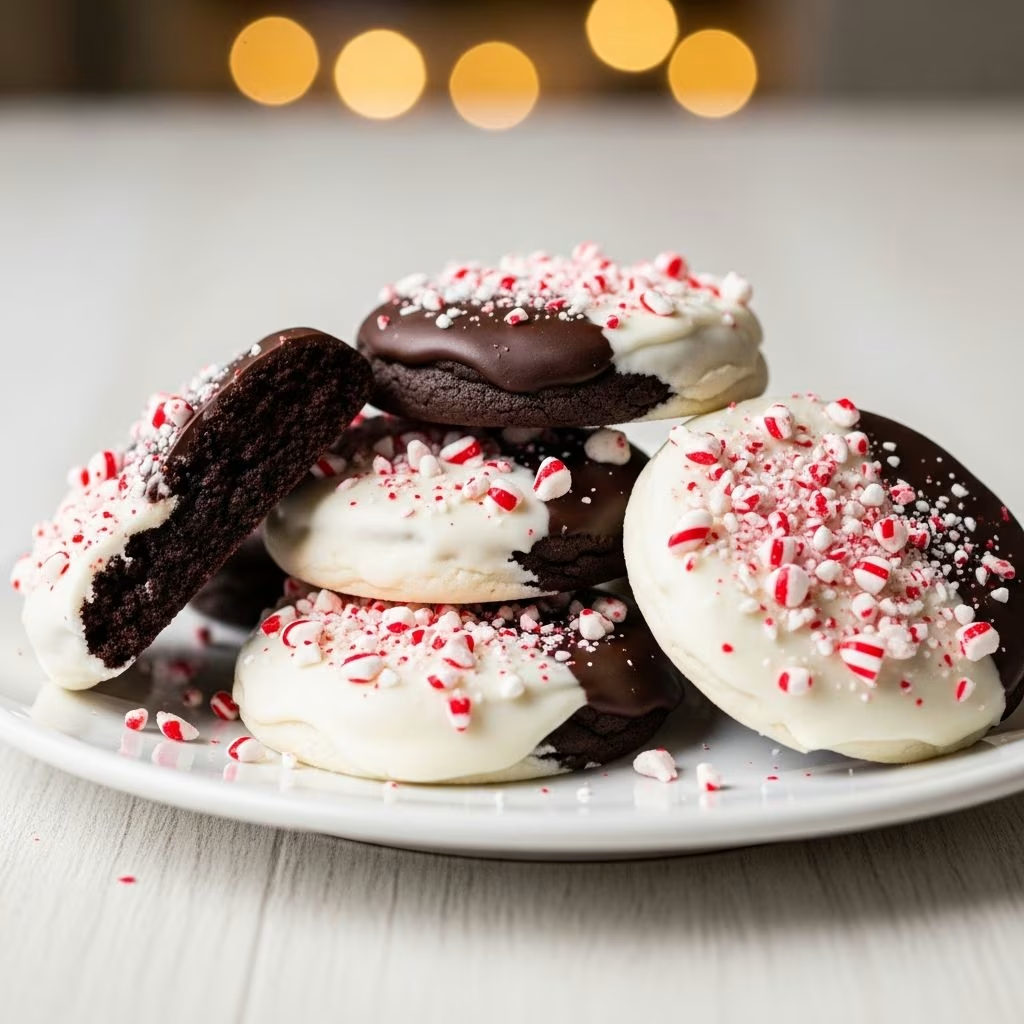
In recent years, bakers have begun reimagining this classic treat by incorporating seasonal flavors, with peppermint emerging as a particularly popular variation. Adding peppermint extract and crushed candy cane elements transforms these nostalgic cookies into festive creations perfect for winter celebrations, holiday gift boxes, and seasonal dessert platters. The cooling menthol notes of peppermint complement the sweetness of the frostings while maintaining the architectural integrity that makes these cookies such a joy to create and consume.
Understanding the Anatomy of These Dual-Frosted Cookies
Before diving into the baking process, it’s worth understanding what makes these cookies structurally unique. Unlike traditional drop cookies that spread significantly during baking, black and white cookies maintain their distinctive oval shape and modest height. This characteristic stems from the precise balance of leavening agents, the creaming method, and the moisture content of the batter.
The cookie base itself should achieve a tender crumb without becoming cakey or dry. This requires careful attention to ingredient ratios and mixing technique. The dual frosting application—white on one half, chocolate on the other—creates both visual drama and subtle flavor complexity. When executed properly, the frostings should have a matte finish that catches light beautifully while maintaining enough body to hold decorative elements like crushed candy canes.
Essential Ingredients and Their Functions
The Cookie Foundation
The core ingredients for the cookie dough work together to create the signature texture:
- Butter and Sugar: These form the flavor foundation and create the structure through proper creaming. Room-temperature butter incorporates air more effectively, resulting in a lighter crumb.
- Eggs and Egg Yolk: These provide moisture, richness, and binding power. The additional yolk contributes extra fat and lecithin, enhancing tenderness.
- Vanilla and Peppermint Extracts: These aromatics define the flavor profile. Peppermint extract should be added judiciously to avoid overpowering the cookie.
- All-Purpose Flour: This provides structure while remaining tender enough for a cake-like texture.
- Leavening Agents: Baking powder and baking soda work together to create lift and a tender crumb structure.
- Buttermilk: This acidic dairy component tenderizes the dough while adding subtle tang and moisture.
The Frosting Components
The icings deserve equal attention, as they represent half the eating experience:
- Powdered Sugar: The primary thickening agent that creates the frosting’s body and matte finish.
- Dairy Elements: Heavy cream and milk adjust consistency while adding subtle richness to the vanilla frosting.
- Peppermint Extract: A small amount infuses the white frosting with holiday character.
- Dark Chocolate: Melted carefully, this creates the dramatic chocolate half. Quality chocolate matters significantly here.
- Crushed Candy Canes: These provide visual appeal, textural contrast, and reinforced peppermint flavor when sprinkled on the wet frosting.
Preparation Techniques That Ensure Success
Temperature Control and Creaming
Beginning with room-temperature butter is non-negotiable. Cold butter resists incorporation, while overly warm butter creates a greasy mixture that produces dense cookies. When creaming butter and sugar together, aim for a light, fluffy texture that takes approximately 2-3 minutes with a stand mixer. This process aerates the mixture, creating the foundation for a tender crumb.
The Alternating Method
Combining dry and wet ingredients in alternating additions prevents overdevelopment of gluten and ensures even distribution throughout the batter. Begin and end with the dry ingredients, adding them in thirds while alternating with buttermilk. This technique prevents the flour from becoming tough while maintaining even moisture distribution.
Proper Portioning
Using a standardized scoop ensures uniform cookie sizes, which translates to even baking and consistent frosting application. A quarter-cup scoop typically produces cookies of ideal size—large enough for impressive frosting application but small enough to maintain soft texture throughout.
Baking Parameters and Indicators of Doneness
Oven temperature should be precisely 350°F, as cookies baked at higher temperatures develop crisp edges before the interiors set properly. Cookies should bake for 10-12 minutes, during which time the edges will turn golden brown while the tops remain pale. The most reliable indicator of doneness involves gently pressing the cookie’s top—it should spring back immediately if properly baked.
Baking sheets should be lined with parchment paper to ensure even browning on the bottom and easy transfer to cooling racks. Space cookies approximately 3-4 inches apart, as they expand slightly during baking. After removing from the oven, allow cookies to cool on the baking sheet for 5 minutes before transferring to wire racks. This brief resting period allows residual heat to set the crumb structure while the bottom remains tender.
Creating the Perfect Frosting Consistency
White Peppermint Frosting
The white frosting requires precise consistency—thick enough to hold peaks but fluid enough to spread smoothly with an offset spatula. Start by whisking powdered sugar with heavy cream, milk, and peppermint extract. If the mixture becomes too thick, add additional milk one tablespoon at a time. The finished frosting should coat the spatula thickly but flow slightly when applied to the cookie’s flat surface.
Chocolate Frosting
Melt dark chocolate in 30-second microwave intervals, stirring between each heating to ensure even melting and prevent scorching. Once smooth, incorporate the chocolate into the remaining peppermint frosting mixture. Adjust consistency with additional milk or corn syrup as needed. The chocolate frosting should match the white frosting’s consistency precisely, ensuring even visual impact when applied to the cookie’s opposite side.
Assembling Your Cookies for Maximum Visual Impact
Begin the frosting process by turning cookies upside down so their flat bottoms face upward. This positioning makes frosting application significantly easier and more precise. Using a small offset spatula or knife, spread a thin but complete layer of white peppermint frosting across exactly half of each cookie’s flat bottom.
Allow this frosting to set for approximately 10 minutes before applying the chocolate frosting to the remaining half. This sequential approach prevents colors from bleeding together and creates clean demarcation lines between the two frostings. Once the chocolate frosting has been applied, immediately sprinkle crushed candy canes over both halves while the frosting remains tacky. The moisture from the fresh frosting helps candy cane pieces adhere firmly.
Finally, allow the completed cookies to set in a cool, dry location for at least one hour before serving. This resting period ensures the frostings firm up completely, creating the characteristic slight resistance when biting through to the tender cookie underneath.
Professional Tips for Flawless Results
| Challenge | Solution |
|---|---|
| Cookies spreading too thin | Ensure butter isn’t too warm; verify oven temperature with a thermometer |
| Frosting too thick to spread | Add milk gradually until achieving desired consistency |
| Uneven browning on bottom | Rotate baking sheet midway through baking; use parchment paper |
| Frosting colors bleeding together | Allow first frosting to set completely; apply second frosting carefully |
| Dry cookie texture | Don’t overbake; remove at first sign of golden edges |
Storage and Longevity of Finished Cookies
Properly stored peppermint black and white cookies remain fresh for up to five days in an airtight container. Store them in a single layer with parchment between each cookie to prevent frosting from sticking to adjacent cookies. These cookies also freeze beautifully when stored in freezer-safe containers, maintaining their texture and flavor for up to three months. Thaw at room temperature for approximately 30 minutes before serving.
Variations and Creative Adaptations
While the traditional peppermint version represents a festive classic, numerous variations suit different occasions and preferences. Some bakers incorporate crushed peppermint candies directly into the cookie dough for intensified flavor throughout. Others experiment with different extract combinations, such as adding a hint of almond or orange extract to create unique flavor profiles. For those seeking less intense peppermint flavor, reducing the extract amount by half produces a more subtle seasonal note.
Color variations also offer creative opportunities—some bakers use red-tinted white frosting on one side, creating a traditional peppermint candy aesthetic. Dutch-processed cocoa powder produces a distinctly darker chocolate frosting compared to natural cocoa, offering both visual and flavor variations.
Frequently Asked Questions About These Festive Treats
Can I make these cookies in advance for a holiday party?
Yes, these cookies improve slightly as their flavors meld over 24 hours. Bake and frost them up to three days ahead, storing in an airtight container.
What’s the best way to transport these cookies if giving as gifts?
Layer them carefully in bakery boxes with parchment between each cookie. The frosting’s firmness prevents damage during transport, making these ideal gift cookies.
Can I substitute ingredients for dietary restrictions?
Vegan butter works reasonably well, though cookies may spread slightly more. All-purpose flour is difficult to substitute without significantly altering results. Non-dairy milk can replace buttermilk if mixed with a small amount of lemon juice.
How do I prevent my frosting from looking dull?
Use high-quality powdered sugar and avoid over-mixing the frosting, which incorporates excess air and creates a dull finish. A small amount of corn syrup adds shine to finished frostings.
Why did my cookies turn out cake-like instead of tender?
This typically results from overbaking or too much flour. Measure flour by weight rather than volume, and remove cookies at the precise moment the tops spring back when touched.
References
- Peppermint Black and White Cookies — Completely Delicious. 2024. https://www.completelydelicious.com/peppermint-black-white-cookies/
- Peppermint Black and White Cookie Recipe — Crate and Barrel. 2024. https://www.crateandbarrel.com/crate-kitchen/peppermint-black-and-white-cookie-recipe/1