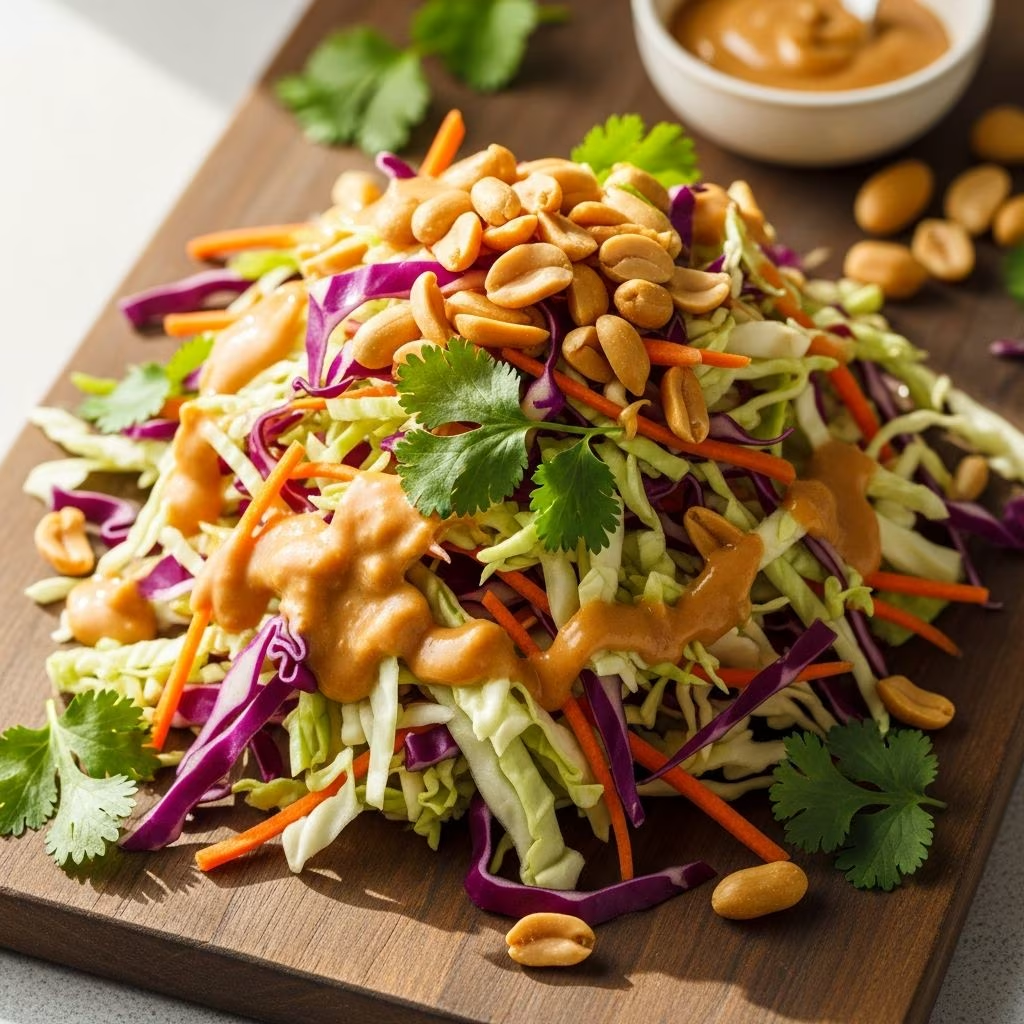
Peanut cabbage slaw represents one of the most approachable yet satisfying dishes in the contemporary home kitchen. This vibrant mixture combines the natural sweetness of fresh vegetables with the rich, earthy flavor of peanuts and a carefully balanced dressing that brings everything together. Whether served as a standalone salad, a side dish for grilled proteins, or a topping for tacos and wraps, this dish adapts effortlessly to various culinary contexts. The beauty of peanut cabbage slaw lies not only in its straightforward preparation but also in its nutritional profile, offering vegetables, plant-based protein, and healthy fats in a single bowl.
Understanding the Foundation: Core Vegetables and Their Roles
The foundation of any exceptional peanut cabbage slaw begins with selecting quality vegetables that provide both flavor and texture. Cabbage serves as the primary ingredient, offering a crisp base that maintains its structure even after dressing. Different varieties of cabbage contribute distinct characteristics to the finished dish. Green cabbage provides a mild, slightly sweet flavor with a sturdy texture, while purple cabbage introduces visual appeal along with a marginally earthier taste. Many recipes combine both varieties to achieve optimal color contrast and flavor complexity.
Beyond cabbage, complementary vegetables add dimension to the salad composition. Carrots contribute natural sweetness and vibrant color, whether grated or julienned into thin matchsticks. Red bell peppers introduce a crisp texture and mild fruity notes that balance the savory elements. Spring onions or green onions provide an allium sharpness that cuts through the richness of the peanut dressing. Fresh cilantro acts as a bright, aromatic counterpoint that elevates the overall flavor profile. Some variations incorporate snap peas for additional crunch and a subtle sweetness, while others add radishes for a peppery bite.
| Vegetable | Quantity (per serving) | Primary Contribution |
|---|---|---|
| Green Cabbage | 2-3 cups shredded | Mild flavor, sturdy texture |
| Purple Cabbage | 1-2 cups shredded | Visual appeal, earthy notes |
| Carrots | 1-2 large, grated | Natural sweetness, color |
| Red Bell Pepper | ½ pepper, sliced | Crispness, fruity flavor |
| Spring Onions | 2-3 stalks, sliced | Allium sharpness, depth |
| Cilantro | ¼-½ cup, chopped | Aromatic brightness, freshness |
The Dressing: Building Layers of Flavor
The dressing separates a mediocre cabbage salad from an exceptional one, transforming simple vegetables into a cohesive, flavorful dish. Peanut-based dressings typically incorporate both smooth and chunky peanut butter as a foundation, though some recipes begin with whole roasted peanuts blended until creamy. The choice between these options affects not only texture but also the intensity of peanut flavor in the final product.
Acid elements provide essential balance within peanut dressings. Rice vinegar offers a gentle, slightly sweet acidity that complements Asian-inspired preparations. Red wine vinegar brings a deeper, more robust acidic profile suitable for heartier variations. Lime juice introduces tropical brightness and pairs particularly well with ginger and garlic components. The acid serves multiple purposes: cutting through the richness of peanuts, brightening the overall flavor, and helping to preserve the crispness of vegetables by creating an environment less conducive to wilting.
Fat content in peanut dressing typically comes from oil, with choices ranging from neutral canola or rapeseed oil to more flavorful sesame oil. Sesame oil contributes an toasted, nutty dimension when used judiciously—typically 1 teaspoon per cup of dressing—preventing it from overwhelming other ingredients. Some contemporary recipes incorporate coconut milk for creaminess and subtle tropical undertones, creating a dressing that coats vegetables luxuriously while remaining lighter than cream-based alternatives.
Seasoning elements transform basic ingredients into a balanced dressing worthy of prominence on the dinner table. Soy sauce provides umami depth and saltiness, while fresh ginger adds warming spice and complexity. Garlic contributes pungency and aromatic character. Sugar balances acid and salt, creating harmony among competing flavors. Chili powder or fresh chilies introduce heat for those preferring bolder profiles.
Step-by-Step Preparation for Maximum Texture and Flavor
Creating exceptional peanut cabbage slaw requires attention to preparation techniques that preserve vegetable integrity while facilitating even dressing distribution. Begin by properly preparing vegetables through appropriate cutting methods. Cabbage should be shredded thinly—thin enough to fold easily but not so thin that pieces become fragile. A sharp knife, mandoline, or food processor handles this task efficiently, transforming a cabbage head into uniform, delicate strands within minutes.
Arrange all vegetables in a large mixing bowl before introducing dressing. This step allows for thorough combination and prevents dressing from coating only surface vegetables. Prepare the dressing separately in a smaller bowl or jar, whisking or blending components until smooth and fully integrated. Ensuring sugar dissolves completely and oil incorporates thoroughly prevents a separated, unappetizing appearance and guarantees consistent flavor distribution.
The critical timing consideration involves adding dressing to vegetables immediately before serving. While some salads improve with marinating time, peanut cabbage slaw maintains superior texture and crispness when dressed at the last possible moment. This approach prevents cabbage from becoming waterlogged or soft, preserving the textural contrast that defines this dish. Add dressing gradually, beginning with approximately one-third to one-half cup and adjusting based on personal preference for sauce intensity.
Variations and Customization Strategies
Peanut cabbage slaw’s fundamental versatility allows for numerous modifications accommodating different dietary preferences, ingredient availability, and flavor inclinations. Protein additions transform the dish from a simple side into a complete meal. Roasted chickpeas provide vegetarian protein with an earthy flavor, while grilled chicken breast or shrimp makes the slaw suitable for pescatarian or omnivorous diets. Some preparations incorporate edamame for plant-based protein and additional nutritional benefit.
Texture enhancements expand the sensory experience beyond the standard cabbage-and-peanut combination. Sesame seeds—either black or white varieties—introduce an additional nuttiness and visual interest. Toasted peanuts, prepared separately in a dry pan for 3-4 minutes before serving, develop deeper flavor and smoky aromas compared to raw nuts. Crispy fried onions or wonton strips provide unexpected crunch and richness. Dried cranberries or raisins contribute sweet notes that balance savory and acidic elements.
Creative vegetable substitutions accommodate seasonal availability and personal preferences. Thinly sliced apples—particularly Fuji or Gala varieties—introduce fruity sweetness and crisp texture alongside traditional vegetables. Shredded beets add earthiness and striking color. Sliced cucumber provides cooling crispness, especially in warmer months. Jalapeños or Thai chilies intensify heat levels for those preferring spicier preparations. Long beans, snow peas, or snap peas offer legume-based crunch without requiring major recipe restructuring.
Storage Guidelines and Make-Ahead Strategies
Understanding proper storage techniques extends the enjoyment of prepared peanut cabbage slaw beyond immediate consumption. While fresh preparation immediately before serving yields optimal texture, practical considerations sometimes require advance preparation. Vegetables can be chopped and combined in advance, stored in an airtight container in the refrigerator for up to one day without significant quality degradation. Keep dressing separate from vegetables until serving time, allowing for final assembly just before dining.
Dressed slaw maintains acceptable quality for one to two days when stored in covered containers in refrigerator conditions. The longer storage period comes at a texture cost, as prolonged contact with dressing gradually softens vegetables through osmotic processes. For optimal results beyond 24 hours, store remaining slaw in its undressed state, adding fresh dressing immediately before consumption. This approach requires duplicating dressing preparation but guarantees superior final texture and flavor intensity.
Serving Suggestions and Culinary Applications
Peanut cabbage slaw functions successfully in diverse culinary contexts beyond the traditional side dish role. Serve it alongside grilled proteins—chicken, fish, or tofu—where its crisp texture and rich dressing complement proteins without overwhelming them. Use it as a sandwich or wrap filling, providing vegetable nutrition and interesting texture that elevates simple bread-based meals. Layer it atop tacos or Vietnamese banh mi sandwiches for authentic flavor integration and textural contrast.
Cold applications extend slaw’s utility throughout meal planning. Enjoy it as a light lunch on its own, paired with grains like quinoa or brown rice for additional satiety. Incorporate it into grain bowls as the vegetable component alongside proteins and legumes. Use it as a topping for rice bowls, bringing bright flavors and crispy texture to warmed grains. Its portability makes it suitable for picnics, potlucks, and other gatherings where advance preparation facilitates seamless entertaining.
Nutritional Considerations and Health Benefits
Beyond deliciousness, peanut cabbage slaw delivers meaningful nutritional value supporting overall wellness. Cruciferous vegetables like cabbage contain compounds associated with potential disease-fighting properties and contribute substantial dietary fiber supporting digestive health. Peanuts provide plant-based protein, healthy monounsaturated fats, and various micronutrients including vitamin E and magnesium. The combination of vegetables and nuts creates a nutritionally balanced dish with protein, healthy fats, carbohydrates, and fiber in appropriate proportions.
Fresh herbs like cilantro contribute minimal calories while providing phytonutrients and antimicrobial compounds. The dressing components—whether oil-based or incorporating peanut butter—contribute healthy fats facilitating nutrient absorption, particularly for fat-soluble vitamins present in colorful vegetables. This profile makes peanut cabbage slaw compatible with various dietary approaches, from balanced omnivorous eating to vegetarian and vegan preferences.
Frequently Asked Questions
Can I make peanut cabbage slaw without peanuts for allergic individuals?
Yes, substituting other nuts or seeds works effectively. Almonds provide similar crunch and mild flavor. Sunflower seeds offer nutty notes with different textural properties. Tahini can replace peanut butter in dressing preparations, creating a different but equally delicious flavor profile.
How far in advance can I prepare components?
Vegetables can be prepped one day ahead, stored separately in airtight containers. Dressing keeps refrigerated for up to three days. Assemble completely no more than 2 hours before serving to maintain optimal crispness.
What’s the best way to shred cabbage?
A sharp chef’s knife, mandoline slicer, or food processor all work effectively. The knife method offers maximum control over slice thickness, while mechanical options provide speed and consistency.
Can this slaw work for meal prep?
Store undressed vegetables and dressing separately in meal prep containers. Combine components just before eating to preserve texture and flavor integrity throughout the week.
Are there gluten-free considerations?
Most peanut cabbage slaw preparations are naturally gluten-free. Verify that soy sauce, if used, is wheat-free or substitute with tamari for guaranteed gluten-free status.
References
- Crunchy Peanut Coleslaw (Wood Ranch Grill Copycat) — Oh So Delicioso. Accessed April 2026. https://ohsodelicioso.com/peanut-slaw/
- SO TASTY IT’s NUTS!! Easy crunchy Peanut Slaw Recipe — Apartment Therapy & Kitchn Video. Accessed April 2026. https://video.apartmenttherapy.com/m/rzXo9dnx/crunchy-peanut-slaw
- Thai Peanut Coleslaw – Paleo Option — A Saucy Kitchen. Accessed April 2026. https://www.asaucykitchen.com/thai-peanut-coleslaw-paleo-option/
- Crunchy Peanut Coleslaw (with ginger, lime, peanut dressing) — The Endless Meal. Accessed April 2026. https://www.theendlessmeal.com/peanut-coleslaw/
- Incredibly addictive crunchy peanut cole slaw — Bowen Appétit. Accessed April 2026. https://www.bowenappetit.com/2011/05/12/incredibly-addictive-crunchy-peanut-cole-slaw/