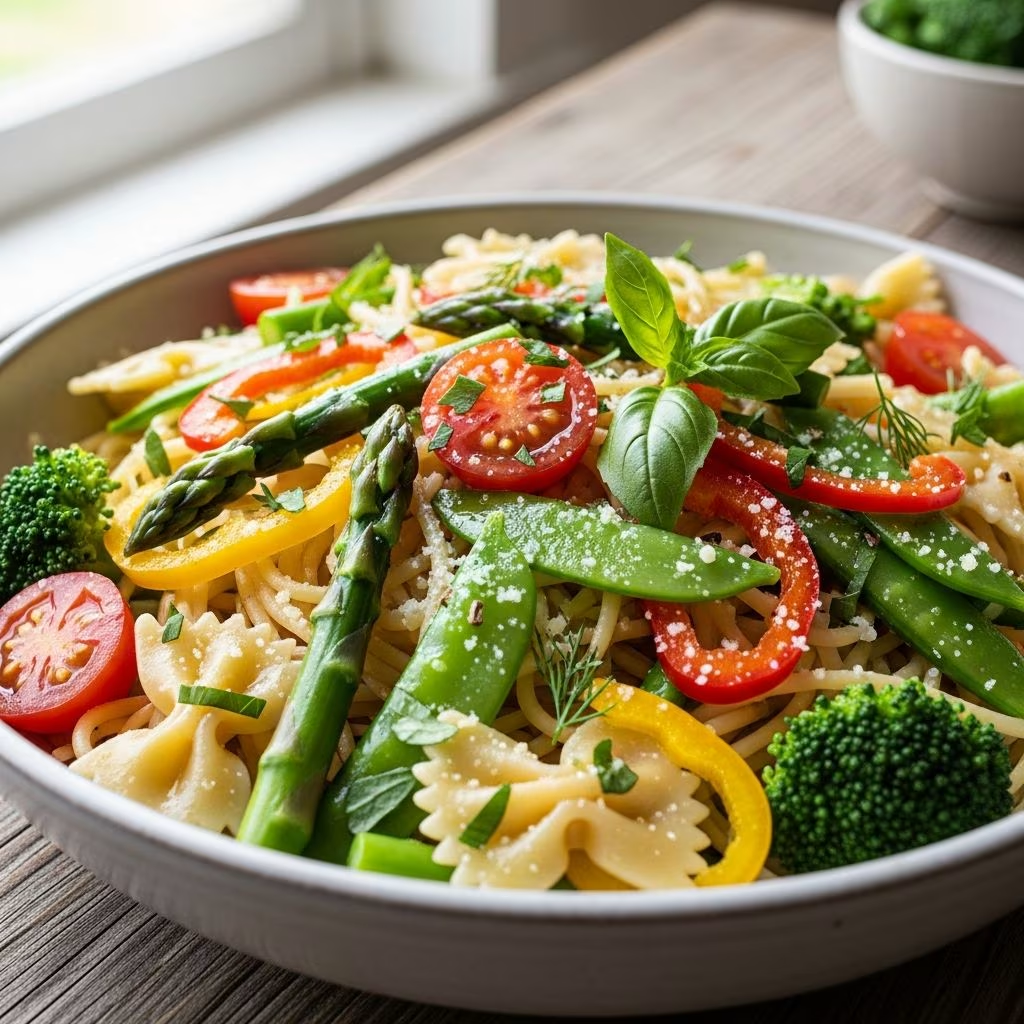
Pasta primavera embodies the essence of vibrant, vegetable-forward meals that highlight seasonal produce. Originating as a simple Italian-inspired dish meaning “spring,” it has evolved into a versatile favorite enjoyed throughout the year. This collection showcases diverse recipes blending pasta with colorful veggies, light sauces, and herbs for quick, satisfying dinners.
Understanding the Appeal of Pasta Primavera
At its core, pasta primavera prioritizes fresh ingredients. Chefs recommend using early spring produce like asparagus and peas for authenticity, but adaptations with zucchini, broccoli, or cherry tomatoes make it suitable for any season. The dish balances al dente pasta with gently cooked vegetables and a subtle sauce, often featuring parmesan or pecorino for creaminess without heaviness.
Key to success is timing: vegetables retain crunch when blanched or sautéed briefly, complementing the pasta’s texture. Long noodles like spaghetti or fettuccine trap sauce effectively, while short shapes like penne scoop up veggies. This flexibility allows home cooks to customize based on market finds or pantry staples.
Essential Ingredients for Success
Building a great pasta primavera starts with quality basics. Here’s a breakdown of common components:
- Pasta choices: Spaghetti, penne, fettuccine, or tagliatelle for optimal sauce adhesion.
- Vegetables: Asparagus, peas (fresh or frozen), zucchini, broccoli florets, cherry tomatoes, bell peppers, carrots, and onions for color and crunch.
- Sauces: Light cream with parmesan, olive oil and garlic, or tomato-based for variety.
- Flavor boosters: Garlic, lemon zest/juice, fresh herbs like basil and tarragon, red pepper flakes, and grated cheeses such as pecorino or Grana Padano.
Proportions typically call for 1 pound of pasta serving 4-6, with 3-4 cups total vegetables. Heavy cream (1-1.5 cups) creates silkiness in richer versions, while olive oil keeps it lighter.
Classic Light Pasta Primavera Recipe
This foundational version emphasizes spring veggies in a simple olive oil and cheese sauce, ready in under 30 minutes.
Ingredients (Serves 4)
| Ingredient | Quantity |
|---|---|
| Penne pasta | 10 oz |
| Extra-virgin olive oil | 2 tbsp |
| Garlic cloves, sliced | 4 |
| Asparagus, chopped | 1 bunch |
| Zucchini, sliced | 1 |
| Yellow squash, sliced | 1 |
| Cherry tomatoes, halved | 1 cup |
| Red onion, sliced | 1 cup |
| Frozen peas, thawed | ½ cup |
| Pecorino cheese, grated | ¾ cup |
| Lemon juice | 3 tbsp |
| Sea salt | 1 tsp |
| Fresh basil | 1 cup |
Instructions
- Boil pasta in salted water until al dente; reserve 1 cup pasta water and drain.
- Heat oil in a skillet over medium; sauté garlic until fragrant, 1 minute.
- Add squash, zucchini, asparagus, onion, and salt; cook 5-7 minutes until tender-crisp.
- Stir in tomatoes and peas; cook 2 minutes.
- Toss with pasta, pecorino, lemon juice, and enough pasta water for sauce consistency.
- Finish with basil and red pepper flakes. Drizzle with oil.
This recipe yields a fresh, lemony dish perfect for warm evenings.
Creamy Parmesan Variation
For indulgent comfort, incorporate heavy cream and butter. This 35-minute meal features roasted elements for depth.
Ingredients (Serves 4-6)
| Ingredient | Quantity |
|---|---|
| Fettuccine or spaghetti | 1 lb |
| Broccoli florets | 2 cups |
| Asparagus spears (2-inch pieces) | ½ lb |
| Red bell pepper, sliced | 1 cup |
| Cherry tomatoes, halved | 1 cup |
| Peas (fresh/frozen) | 1 cup |
| Heavy whipping cream | 1½ cups |
| Parmesan, grated | 1 cup |
| Butter | 2 tbsp |
| Lemon zest | 1 tsp |
Instructions
- Cook pasta; reserve water.
- Blanch broccoli and asparagus 2-3 minutes; shock in ice water.
- Sauté peppers in butter; add cream, simmer 5 minutes.
- Stir in cheese, zest, veggies, tomatoes, peas, and pasta. Thin with pasta water if needed.
The cream clings beautifully to noodles, with veggies adding pops of color and texture.
Tomato-Based Skillet Primavera
A pantry-friendly option using canned tomatoes, ideal for year-round prep without fresh produce dependency.
Ingredients (Serves 6-8)
- 1 lb spaghetti
- 3 cups mixed veggies (zucchini, broccoli, green beans, peas, asparagus)
- ⅓ cup olive oil
- ½ cup sliced onion
- 2 crushed garlic cloves
- 28-oz can crushed tomatoes
- ½ tsp salt
- 4 shredded basil leaves
- ½ cup Grana Padano
Instructions
- Blanch veggies in boiling water; ice bath.
- Sauté onion and garlic in oil; add tomatoes, simmer.
- Toss with cooked pasta, veggies, pasta water, salt, and basil. Top with cheese.
This hearty take simmers everything in one pan for easy cleanup.
Seasonal Twists and Adaptations
Customize for seasons:
- Spring: Asparagus, peas, spring onions with egg pasta.
- Summer: Zucchini, yellow squash, cherry tomatoes, basil.
- Fall/Winter: Broccoli, carrots, mushrooms in cream sauce.
Vegetarian? It’s naturally so. Add protein like shrimp or chicken for heartiness. Gluten-free pasta works seamlessly.
Pro Tips for Perfect Results
- Al dente pasta absorbs sauce best; avoid overcooking.
- Blanch dense veggies like broccoli/asparagus for even cooking.
- Frozen peas? Add last minute to prevent mushiness.
- Lemon brightens flavors; zest for extra aroma.
- Reserve pasta water generously—it’s the sauce’s secret weapon.
Nutrition and Pairings
A serving (1/4 recipe) of light primavera offers ~400 calories, high fiber from veggies, and protein from cheese/pasta. Pair with crisp white wines like Pinot Grigio or a green salad.
Frequently Asked Questions
Can I make pasta primavera vegan?
Yes—swap cheese for nutritional yeast, use plant-based cream, and olive oil base.
What’s the best pasta shape?
Long strands like spaghetti for classics; short like penne for veggie-heavy versions.
How do I store leftovers?
Refrigerate up to 3 days; reheat with splash of cream or water. Freezes well up to 2 months.
Is it spicy?
Not inherently—add red pepper flakes to taste.
Can I roast veggies first?
Absolutely; roasting caramelizes flavors, as in creamy roasted variations.
Why Pasta Primavera Endures
Its adaptability, speed (under 40 minutes), and visual appeal make it a staple. Whether light and lemony or creamy and comforting, it transforms everyday ingredients into restaurant-worthy meals. Experiment with local produce for endless variety.
References
- Melissa’s Pasta Primavera is Perfect for Spring | NYT Cooking — NYT Cooking. 2024. https://www.youtube.com/watch?v=nmRfwF8SY_A
- Pasta Primavera with Creamy Parmesan Sauce — Familystyle Food. 2023-10-15. https://familystylefood.com/vegetable-pasta-primavera/
- Pasta Primavera Recipe — Love and Lemons. 2024. https://www.loveandlemons.com/pasta-primavera/
- These 7 Primavera Recipes Are Exactly What You Need This Spring — Delish. 2024-03-20. https://www.delish.com/cooking/recipe-ideas/g70895182/primavera-recipes/
- Pasta Primavera — Lidia’s Italy. 2023. https://lidiasitaly.com/recipes/pasta-primavera/
- Pasta Primavera — The Cozy Cook. 2024-01-10. https://thecozycook.com/pasta-primavera/