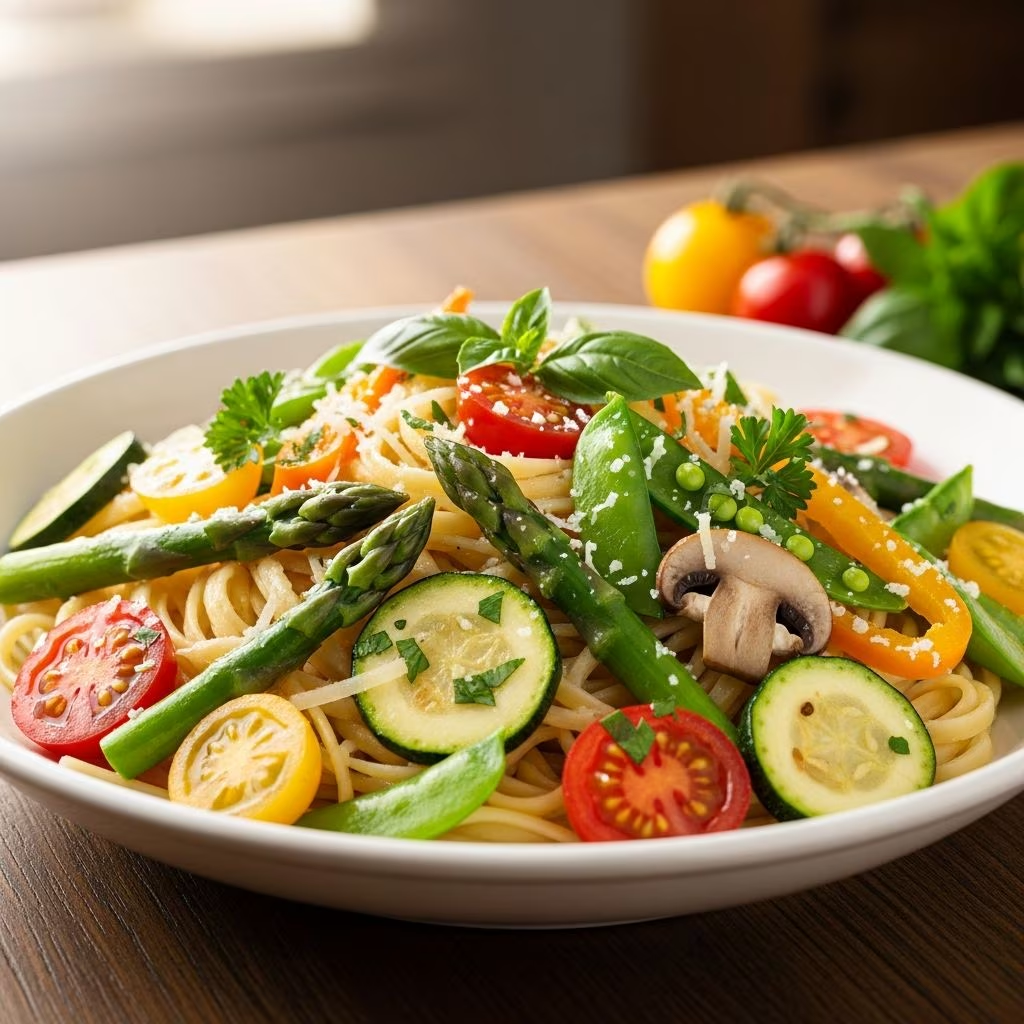
Immerse yourself in the colorful world of pasta primavera, a dish that captures the essence of fresh, seasonal produce in every bite. This beloved recipe combines tender pasta with an array of vibrant vegetables, finished with bright herbs and a light sauce that highlights natural flavors without overwhelming creaminess.
The Fascinating Roots of Pasta Primavera
Despite its Italian-sounding name meaning “spring pasta,” pasta primavera emerged in the United States during the 1970s at the renowned New York restaurant Le Cirque. It quickly gained fame after featuring in major publications, evolving from a rich, buttery spaghetti dish to lighter, vegetable-forward versions seen today across American menus.
Originally designed to showcase early spring produce, the dish symbolized renewal and abundance. Chefs experimented with cream sauces back then, but modern adaptations prioritize health and freshness, making it ideal for vegetarians and those seeking lighter comfort food.
Key Ingredients for Authentic Flavor
Building a standout pasta primavera starts with selecting the right components. Short pastas like penne, farfalle, or rigatoni work best, as their shape cradles chopped vegetables evenly in each forkful.
- Pasta: 10-12 ounces of penne or similar for 4 servings.
- Vegetables: Asparagus, zucchini, yellow squash, cherry tomatoes, peas, red onion, bell peppers, and carrots for crunch and color.
- Aromatics: Garlic cloves (3-4, sliced or minced) and red onion for savory depth.
- Herbs and Acids: Fresh basil, tarragon, thyme, lemon juice or zest for brightness.
- Cheese and Seasonings: Pecorino or Parmesan (½-¾ cup grated), red pepper flakes, sea salt, and black pepper.
- Fats: Extra-virgin olive oil (2-4 tablespoons) for sautéing or roasting.
Opt for seasonal veggies to ensure peak freshness; frozen peas can sub in when fresh ones are unavailable.
Essential Cooking Techniques
Mastery lies in timing: vegetables should retain crisp-tender texture while pasta cooks al dente. Two popular methods dominate: stovetop sautéing for quick meals and sheet-pan roasting for hands-off ease.
Stovetop Sauté Method
- Boil salted water and cook pasta to al dente; reserve 1 cup pasta water, then drain and lightly oil to prevent sticking.
- In a large skillet, heat olive oil over medium; sauté garlic, onions, squash, zucchini, asparagus, tomatoes, and salt for 3-5 minutes until tender.
- Add peas, pasta, cheese, lemon juice, and reserved water; toss until a light sauce forms. Stir in herbs and flakes.
Sheet-Pan Roasting Approach
This 40-minute method enhances caramelization.
- Preheat oven to 450°F. Toss sliced zucchini, squash, carrots, peppers, onion, garlic, oregano, thyme, salt, pepper, and oil in a bowl.
- Spread on a sheet pan; roast 20-25 minutes, adding tomatoes midway.
- Cook pasta separately, then combine with veggies, lemon zest, pasta water, and oil for a glossy finish.
Both yield vibrant results; roasting suits batch cooking, while sautéing offers immediacy.
Recipe Variations to Suit Every Palate
Adapt pasta primavera endlessly for dietary needs or preferences.
| Variation | Key Changes | Best For |
|---|---|---|
| Gluten-Free | Use gluten-free penne; ensure veggie cuts match pasta size. | Celiac-friendly meals. |
| Vegan | Skip cheese; use nutritional yeast or cashew cream for sauce. | Plant-based diets. |
| Protein-Packed | Add grilled shrimp, chicken, or chickpeas post-cooking. | High-protein dinners. |
| Creamy Classic | Incorporate light cream or half-and-half with Parmesan. | Indulgent comfort food. |
| One-Pot Wonder | Cook veggies in pasta water, then add uncooked pasta to simmer. | Minimal cleanup. |
These tweaks maintain the dish’s spirit while broadening appeal.
Pro Tips for Perfection
- Season Generously: Salt pasta water like the sea to infuse flavor from the start.
- Reserve Pasta Water: Its starch creates silky sauces without cream.
- Don’t Overcook Veggies: Aim for tender-crisp to contrast soft pasta.
- Fresh Herbs Last: Add basil and tarragon at the end to preserve aroma.
- Pine Nuts or Toasted Nuts: Sprinkle for crunch, echoing original Le Cirque touches.
- Meal Prep Smart: Undercook pasta slightly; it absorbs sauce upon reheating.
Pairing Suggestions and Serving Ideas
Elevate your pasta primavera with thoughtful sides. A crisp green salad with vinaigrette balances richness, while crusty bread soaks up lemony juices. For wine, choose Sauvignon Blanc or Pinot Grigio to echo herbal notes.
Serve family-style from a large bowl garnished with extra basil and cheese shavings. It’s versatile for picnics, potlucks, or elegant dinners.
Storage, Reheating, and Make-Ahead Strategies
Leftovers keep 3-4 days in airtight containers in the fridge. Reheat gently on stovetop with a splash of water or broth to revive sauce. Freezing works for up to 2 months; thaw overnight before reheating.
Prep veggies and cook pasta ahead; store separately and combine when ready for freshness.
Nutritional Benefits of Pasta Primavera
This dish shines nutritionally: fiber-rich veggies like zucchini and asparagus aid digestion, while peas provide plant protein. Whole-grain pasta boosts whole grains, and olive oil delivers heart-healthy fats. A serving offers vitamins A, C, K, plus antioxidants from tomatoes—around 400-500 calories, customizable for balance.
Frequently Asked Questions
What pasta shapes work best for primavera?
Short shapes like penne, farfalle, or rigatoni ensure even veggie distribution.
Can I use frozen vegetables?
Yes, thawed frozen peas excel; blanch others briefly to avoid sogginess.
Is pasta primavera gluten-free?
Not traditionally, but swap for gluten-free pasta seamlessly.
How do I make it dairy-free?
Omit cheese; blend cashews with lemon for creaminess.
What’s the best way to achieve a creamy sauce without heavy cream?
Pasta water, cheese, and olive oil emulsify into a light coating.
Seasonal Twists for Year-Round Enjoyment
Summer: Incorporate eggplant, corn, and basil pesto. Fall: Swap in mushrooms, butternut squash, sage. Winter: Root veggies like parsnips with rosemary. Spring original rules with asparagus and peas.
Experiment confidently; the dish’s flexibility is its charm.
References
- Pasta Primavera Recipe — Love and Lemons. 2023. https://www.loveandlemons.com/pasta-primavera/
- Easy Pasta Primavera — The Mediterranean Dish. 2023. https://www.themediterraneandish.com/easy-pasta-primavera/
- Best Pasta Primavera Recipe — The Pioneer Woman. 2023. https://www.thepioneerwoman.com/food-cooking/recipes/a9419/pioneer-womans/
- Melissa’s Pasta Primavera is Perfect for Spring — NYT Cooking (YouTube). 2023. https://www.youtube.com/watch?v=nmRfwF8SY_A
- Pasta Primavera — RecipeTin Eats. 2023. https://www.recipetineats.com/pasta-primavera/