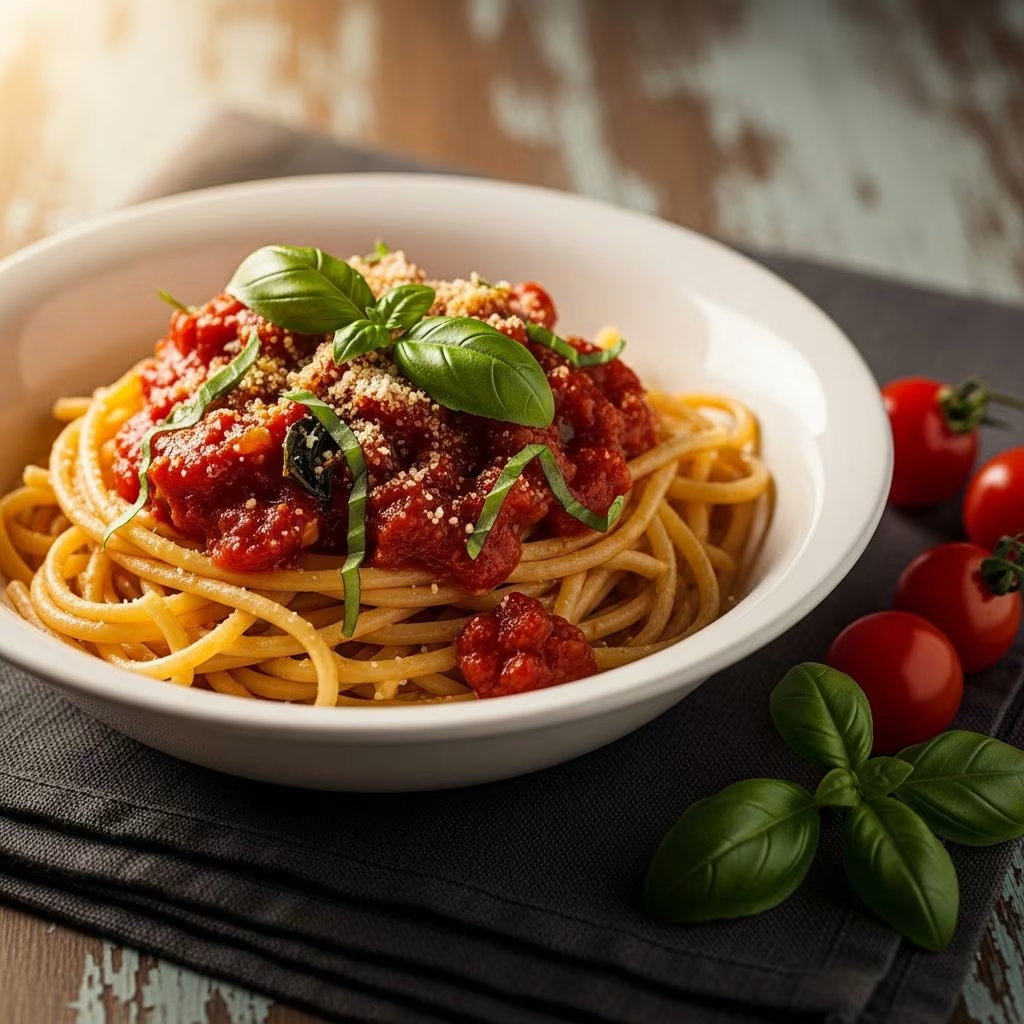
Experience the essence of Italian cuisine with pasta pomodoro, a dish that celebrates simplicity and quality ingredients. Translating to \”pasta with tomato,\” this recipe highlights ripe tomatoes bursting with natural sweetness, infused with garlic and fresh basil for an unforgettable flavor profile. Ideal for busy evenings, it comes together in about 25 minutes using everyday pantry items.
The Allure of Pasta Pomodoro in Modern Kitchens
Pasta pomodoro stands as a cornerstone of Italian home cooking, embodying the philosophy that fewer, superior ingredients yield the best results. Originating from regions like Campania, where San Marzano tomatoes thrive, this dish prioritizes seasonal produce and minimal intervention to let flavors shine. Home cooks worldwide appreciate its versatility—serve it solo, with grilled proteins, or alongside crusty bread for sopping up every drop of sauce.
What makes pasta pomodoro enduringly popular? Its adaptability to both fresh summer cherry tomatoes and high-quality canned varieties ensures year-round enjoyment. The sauce develops depth through gentle simmering, while al dente pasta provides the perfect textural contrast. Families favor it for its quick prep and crowd-pleasing appeal, often requesting seconds without hesitation.
Essential Ingredients for Authentic Flavor
Building a stellar pasta pomodoro starts with selecting premium components. Focus on freshness and quality to elevate this humble dish.
- Pasta: Opt for spaghetti, bucatini, or rigatoni—shapes that hold sauce well. Use 12-16 ounces for 4 servings. Bronze-die extruded varieties offer superior texture.
- Tomatoes: Fresh cherry or grape tomatoes (2 pints, halved) burst into a jammy sauce; alternatively, 28-ounce canned San Marzano whole peeled tomatoes provide consistent richness year-round.
- Olive Oil: Extra-virgin, 1/4 to 1/2 cup, for sautéing and finishing. Choose fruity varieties from Italy or Greece.
- Garlic: 4-6 cloves, minced finely. Adds aromatic backbone without overpowering.
- Basil: A handful of fresh leaves, torn or chiffonade-cut. Infuses brightness; dried won’t suffice.
- Cheese: Freshly grated Parmigiano-Reggiano or Pecorino Romano, about 1/2 cup. Optional but transformative.
- Seasonings: Kosher salt, black pepper, and optional red pepper flakes for subtle heat.
These elements harmonize effortlessly, proving that restraint in seasoning amplifies natural tastes.
Step-by-Step Guide to Perfection
Follow these precise steps for restaurant-worthy results every time. Timing is key—multitask pasta and sauce for efficiency.
- Prep Pasta Water: Bring a large pot of heavily salted water (like seawater) to a rolling boil. This seasons the pasta from within.
- Cook Pasta Al Dente: Add pasta and cook 1 minute less than package instructions. Reserve 1 cup starchy water before draining.
- Sauté Aromatics: In a wide skillet, heat olive oil over medium. Add minced garlic (and optional onion or red pepper flakes) for 30-60 seconds until fragrant—avoid browning to prevent bitterness.
- Build the Sauce: Add tomatoes. For fresh, halve and smash gently as they soften, cooking 10-15 minutes until jammy. For canned, crush by hand or purée lightly, simmering 15-20 minutes. Season midway.
- Combine: Toss drained pasta directly into the sauce with reserved water, basil, and butter (if using) for silkiness. Adjust consistency—sauce should cling, not pool.
- Finish and Serve: Grate cheese over top, drizzle oil, and garnish with basil. Serve immediately.
Total time: 25 minutes. Serves 4 generously.
Ingredient Variations and Customizations
While traditionalists stick to basics, creative tweaks keep pasta pomodoro exciting. Here’s a comparison of popular adaptations:
| Variation | Key Additions/Substitutions | Flavor Profile | Best For |
|---|---|---|---|
| Classic Fresh Tomato | Cherry tomatoes, garlic, basil | Bright, summery | Peak season produce |
| Canned San Marzano | Whole peeled tomatoes, onion | Deep, velvety | Winter or pantry staple |
| Spicy Kick | Red pepper flakes, anchovy paste | Umami heat | Bold palates |
| Vegetarian Boost | Spinach, asparagus | Fresh, green | Light meals |
| Protein-Packed | Grilled chicken, shrimp, sausage | Hearty | Family dinners |
Experiment mindfully—add proteins post-sauce for even cooking. Vegan? Skip cheese and use nutritional yeast.
Pro Tips for Elevating Your Dish
- Tomato Selection: Seek DOP-certified San Marzano for authenticity; their low acidity yields balanced sauce.
- Garlic Technique: Slice thinly or smash for milder flavor; mince for punch.
- Pasta Water Magic: That reserved liquid emulsifies sauce, creating glossy cohesion.
- Basil Timing: Add at end to preserve vibrancy—heat diminishes its aroma.
- Cheese Integration: Stir in off-heat to avoid clumping; Pecorino for sharper notes.
- Make-Ahead: Sauce stores 3 days refrigerated; reheat gently with pasta water.
Nutritional Breakdown and Health Benefits
Pasta pomodoro offers balanced nutrition: complex carbs from pasta fuel energy, lycopene in tomatoes supports heart health, and olive oil provides healthy fats. A 1.5-cup serving approximates:
- Calories: 550
- Carbs: 70g
- Protein: 15g
- Fat: 22g
- Fiber: 5g
- Vitamin C: 30% DV
Opt for whole-grain pasta to boost fiber. Tomatoes’ antioxidants combat inflammation, while basil adds anti-microbial properties. Moderate portions keep it waistline-friendly.
Pairing Suggestions for Complete Meals
Elevate pasta pomodoro with thoughtful sides:
- Salad: Arugula with lemon vinaigrette—crisp contrast.
- Bread: Garlic focaccia for sauce-dipping.
- Wine: Chianti or Pinot Grigio enhances tomato acidity.
- Protein: Lemon-herb shrimp or meatballs for substance.
For kids, pair with buttered peas. Dessert? Fresh berries or gelato cleanses the palate.
Frequently Asked Questions
What is the difference between pasta pomodoro and marinara?
Pomodoro uses fresh or simple tomatoes with basil focus; marinara often includes onions, herbs, and longer cooking for deeper flavor.
Can I make pasta pomodoro gluten-free?
Yes, substitute gluten-free spaghetti like brown rice or chickpea pasta. Increase cooking vigilance to prevent mushiness.
How do I fix watery sauce?
Simmer longer to reduce, or add pasta water sparingly for emulsification. Fresh tomatoes need more smashing.
Is butter necessary?
No, but 1-2 tablespoons creates luxurious silkiness, a trick from Italian nonnas.
Can I freeze leftovers?
Freeze sauce alone up to 3 months; cook fresh pasta upon reheating for best texture.
Why Pasta Pomodoro Endures
This dish transcends trends due to its purity—teaching that great food needs no embellishment. Whether for solo indulgence or family gatherings, pasta pomodoro delivers joy in every forkful. Master it once, and it becomes a repertoire staple, adaptable to moods and seasons.
References
- Fresh & Easy Pasta Pomodoro – Ambitious Kitchen — Ambitious Kitchen. 2025-08-12. https://www.ambitiouskitchen.com/pasta-pomodoro/
- Pasta Pomodoro Recipe – Two Peas & Their Pod — Two Peas and Their Pod. N/A. https://www.twopeasandtheirpod.com/pasta-pomodoro/
- Italian Pasta Pomodoro Recipe – A Feast For The Eyes — A Feast for the Eyes. 2025-07. https://afeastfortheeyes.net/2025/07/italian-pasta-pomodoro-recipe.html
- Pasta Pomodoro | Olive & Mango — Olive and Mango. N/A. https://www.oliveandmango.com/pasta-pomodoro/
- Pasta Pomodoro – What’s Gaby Cooking — What’s Gaby Cooking. N/A. https://whatsgabycooking.com/pasta-pomodoro/