Understanding This Iconic Sicilian Preparation
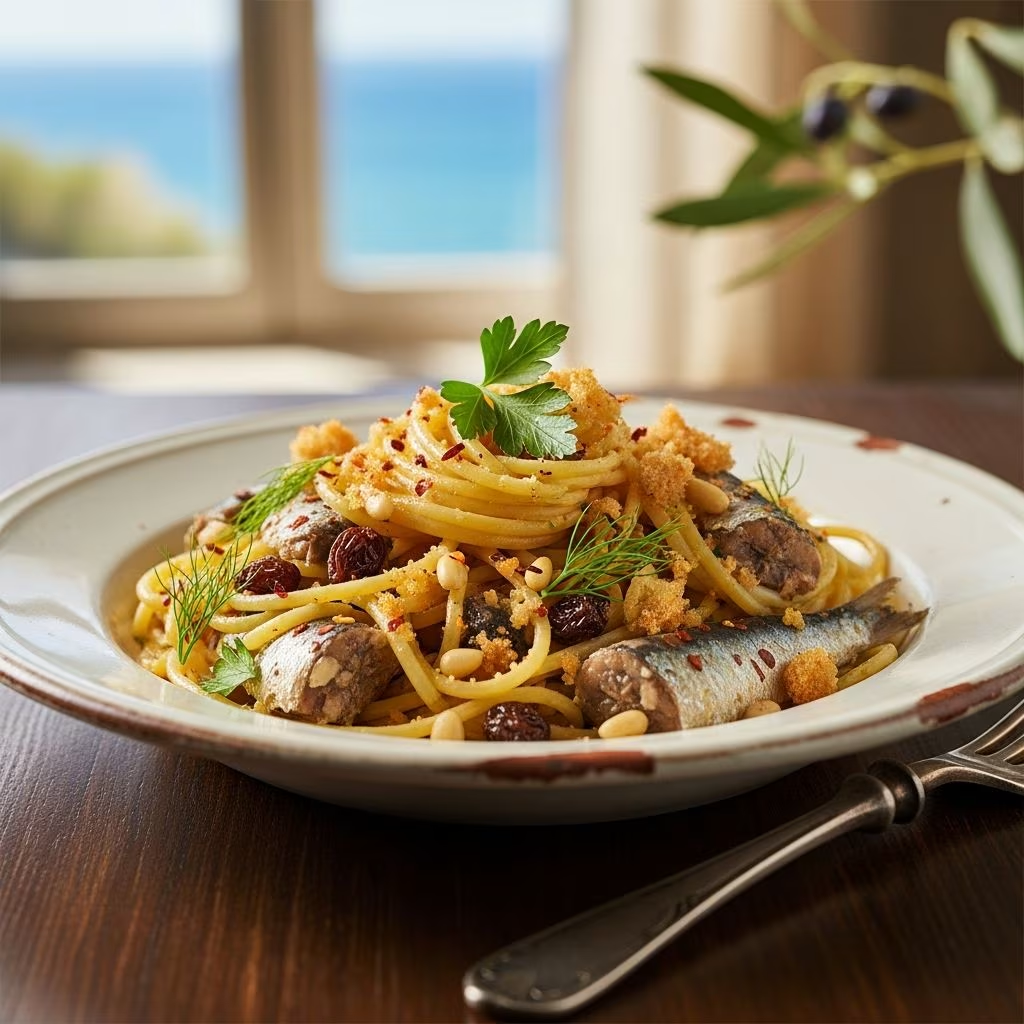
The culinary traditions of Sicily represent a fascinating intersection of cultures and centuries of gastronomic refinement. Among the most celebrated dishes emerging from this Mediterranean island is a pasta preparation featuring sardines as its primary protein component, combined with an array of complementary ingredients that create a harmonious and deeply flavorful sauce. This dish embodies the essence of Sicilian cooking—a balance of simplicity and complexity that transforms modest ingredients into something extraordinary.
This particular pasta variation stands as one of Sicily’s most representative culinary achievements, recognized throughout Italy as a dish that captures the island’s geographic location and multicultural heritage. The combination of sea-derived proteins with vegetables and aromatics reflects centuries of trade routes and cultural exchanges that have influenced the region’s food culture.
The Historical Significance and Cultural Context
The origins of this sardine-based pasta dish trace back to the convergence of multiple civilizations that have occupied Sicily throughout its history. The island’s strategic position in the Mediterranean Sea made it a crossroads for Phoenicians, Greeks, Romans, Normans, and Arabs—each contributing distinctive culinary techniques and ingredients to the local food traditions.
Arab traders who arrived around 900 A.D. introduced sweet and sour flavor combinations that became fundamental to Sicilian cuisine. These influences merged with local seafood traditions and agricultural products to create a unique flavor profile that distinguishes Sicilian cooking from other Italian regional cuisines. The inclusion of raisins, pine nuts, and the particular balance of savory and slightly sweet elements directly reflects these historical cultural exchanges.
The dish represents more than simply a recipe—it embodies the identity of Sicily itself, demonstrating how geographic location, historical events, and cultural intersections shape the foods people prepare and celebrate.
Essential Ingredients and Their Functions
Creating an authentic version of this dish requires understanding how each component contributes to the final flavor profile and texture. The following ingredients work together to create the characteristic taste and mouthfeel that defines this preparation:
Proteins and Umami Elements
Sardines serve as the foundation of this dish, providing a rich, briny flavor and substantial nutritional benefits. Fresh sardines can be cleaned and prepared at home, though high-quality canned sardines packed in oil offer convenience without sacrificing quality. The oil surrounding the sardines should be reserved and incorporated into the cooking process, as it carries tremendous flavor that enhances the overall sauce.
Anchovies contribute depth and umami intensity to the preparation. These small fish dissolve partially into the sauce during cooking, creating a savory backbone that carries and amplifies other flavors. While traditionally included, anchovies can be adjusted according to personal preference due to their assertive taste.
Aromatic Vegetables
Fennel represents the vegetable foundation of this dish, offering a subtle anise-like flavor that distinguishes this preparation from other pasta sauces. Both the bulb and delicate fronds are utilized—the bulb is sliced thin and sautéed until tender, while the reserved fronds provide garnish and fresh flavor notes.
Onions undergo gentle sautéing to become sweet and translucent, providing aromatic complexity and natural sweetness that balances the briny seafood elements.
Garlic adds pungent aromatic qualities that enhance the overall depth of flavor in the sauce.
Sweet and Textural Components
Raisins or currants, plumped by soaking in hot water or wine, introduce natural sweetness and a tender, chewy texture that contrasts with other ingredients. This element reflects the Arab-influenced sweet-and-sour approach to cooking that became integrated into Sicilian traditions.
Pine nuts, lightly toasted before use, contribute a subtle buttery flavor and pleasant crunch that adds dimensional texture to the finished dish.
Supporting Ingredients
Extra-virgin olive oil serves as the cooking fat and flavor base. White wine adds acidity and helps rehydrate the raisins while contributing complexity to the sauce. Optional additions may include saffron, which imparts a subtle golden hue and earthy flavor, fennel seeds for concentrated anise flavor, and red pepper flakes for gentle heat.
Selecting the Right Pasta Shape
The traditional pasta choice for this preparation is bucatini, a hollow spaghetti-like pasta that allows sauce to penetrate both the exterior and interior surfaces of each strand. This structural characteristic enables the pasta to absorb flavors more effectively than solid pasta shapes. Spaghetti serves as an acceptable alternative for those unable to locate bucatini, though the textural experience differs slightly.
The long, thin nature of these pasta shapes allows them to be elegantly twined around a fork while also facilitating the mixing of sardine pieces and sauce components throughout each bite.
Step-by-Step Preparation Method
Initial Preparation and Planning
Before beginning the cooking process, gather and prepare all ingredients—a technique known as mise en place in culinary terminology. Measure olive oil, dice the onion, slice the fennel into thin pieces and reserve the fronds, mince the garlic cloves, and toast the pine nuts in a dry skillet over moderate heat until fragrant, approximately three to four minutes. If using raisins, soak them in hot water for fifteen minutes to restore their plump texture and sweetness.
Building the Sauce Foundation
Begin by warming extra-virgin olive oil in a large skillet over medium heat. The skillet should be sufficiently large to eventually accommodate the cooked pasta and allow for thorough mixing. Add the diced onion and sliced fennel to the heated oil, sautéing for approximately six minutes until the onion becomes translucent and the fennel begins to soften. This initial step develops the aromatic foundation of the sauce.
Once the vegetables have softened appropriately, add the minced garlic along with salt, black pepper, and optional fennel seeds or red pepper flakes. Continue sautéing for about one minute until the garlic becomes fragrant—this brief cooking period prevents garlic from burning, which would introduce bitter flavors.
Incorporating Wine and Dried Fruits
Pour white wine into the pan along with the plumped raisins. Allow this mixture to simmer over medium heat until the liquid reduces almost completely, concentrating the flavors. This reduction process typically requires three to five minutes depending on heat intensity and pan dimensions.
Introducing the Seafood Components
Break apart the anchovies and add them to the pan, stirring with a wooden spoon until they dissolve into the sauce—typically one to two minutes. This dissolution process distributes the anchovy flavor evenly throughout the preparation. Next, add the sardines (either fresh and cleaned or canned), gently breaking them into smaller pieces with a wooden spoon. Heat the mixture for one to two minutes until all components are warmed through.
Stir in the previously toasted pine nuts, combining thoroughly to distribute them evenly throughout the sauce.
Pasta Cooking and Integration
While the sauce develops, bring a large pot of water to a rolling boil and season generously with kosher salt. The water should taste pleasantly salty, similar to seawater. Add the pasta and cook until it reaches the al dente stage—tender but still maintaining a slight resistance when bitten. Reserve approximately one cup of pasta cooking water before draining the pasta completely.
Transfer the drained pasta to the pan containing the sardine sauce and toss thoroughly to combine all components. If the mixture appears dry, gradually add reserved pasta water or a light drizzle of additional olive oil to achieve a saucey consistency that coats all pasta strands. Stir gently over medium heat for approximately one minute, allowing the pasta to absorb the sauce flavors.
Final Plating and Garnishing
Distribute the finished pasta among serving bowls or plates. Top each portion with reserved fennel fronds for fresh flavor and visual appeal. Optional garnishes may include toasted breadcrumbs for added texture and elegance, additional extra-virgin olive oil drizzled around the plate rim, or fresh lemon juice for brightness.
Nutritional Benefits and Health Considerations
Sardines provide exceptional nutritional value, delivering high-quality protein, omega-3 fatty acids, vitamin D, and essential minerals including calcium and selenium. These nutrients support cardiovascular health, cognitive function, and bone strength. The inclusion of fennel adds fiber and beneficial plant compounds with potential anti-inflammatory properties.
This dish naturally accommodates various dietary requirements. The traditional preparation is naturally gluten-free when served with gluten-free pasta varieties. The recipe is inherently dairy-free, requiring no cheese or cream components to achieve its characteristic rich flavor profile.
Adaptations and Ingredient Substitutions
While the traditional recipe represents a time-honored approach, thoughtful modifications allow this dish to accommodate different preferences and dietary needs:
| Original Ingredient | Substitution Option | Notes |
|---|---|---|
| Sardines | Canned tuna or salmon | Provides similar protein content; flavor profile differs slightly but remains pleasing |
| Anchovies | Omit entirely or add capers | Reduces saltiness; capers provide briny complexity |
| Fennel | Additional onion or celery | Loses characteristic anise note but maintains aromatic vegetable base |
| Pine nuts | Walnuts or toasted breadcrumbs | Alters flavor profile but maintains textural contrast |
| Sardines + Anchovies (plant-based) | Drained chickpeas + capers | Creates umami through chickpeas; capers provide necessary briny note |
Frequently Asked Questions
Can I use fresh sardines instead of canned ones?
Yes, absolutely. Fresh sardines provide superior flavor when properly cleaned and prepared. Reserve two whole sardines to fry separately until golden brown, then flake and include as garnish. Use approximately one pound of fresh sardines in place of two to three cans. The cooking method remains identical, though you may need to adjust salt content since fresh sardines contain less salt than oil-packed varieties.
What pasta shape works best if I cannot find bucatini?
Spaghetti serves as the most appropriate substitute, offering similar texture and presentation. Avoid short pasta shapes like penne or rigatoni, as their structure prevents effective sauce coating. Linguine or tagliatelle also work acceptably, though the sauce distribution differs slightly.
Is this dish suitable for vegetarian or vegan diets?
The traditional recipe contains sardines and anchovies, making it unsuitable for vegetarians. However, a plant-based version can be created by omitting the seafood and substituting drained, smashed chickpeas combined with capers. This adaptation maintains the dish’s character while accommodating dietary preferences.
How should I store leftover pasta?
Store any remaining pasta in an airtight container in the refrigerator for up to two days. Reheat gently over low heat with a splash of water or olive oil to restore moisture. The flavor actually deepens as ingredients meld during storage, making leftovers particularly delicious.
Can I prepare components in advance?
Yes, prepare vegetables the evening before by dicing the onion, slicing the fennel, and mincing the garlic. Store these components separately in airtight containers. Toast the pine nuts and plump the raisins shortly before cooking to preserve their quality. Prepare the complete sauce up to thirty minutes before serving, then combine with freshly cooked pasta just before eating.
Serving Suggestions and Wine Pairings
This Sicilian preparation pairs beautifully with crisp white wines that complement both the seafood and aromatic fennel notes. Consider Grillo, Catarratto, or other Sicilian white varieties that echo the dish’s geographic origins. A light Italian white such as Pinot Grigio or Vermentino also works pleasantly.
Serve this dish as a main course for four to six people, or as a substantial first course for a larger gathering. Accompany with crusty bread suitable for collecting sauce remnants from the plate. A simple green salad dressed with lemon vinaigrette provides refreshing contrast.
Conclusion
This Sicilian sardine pasta represents far more than a simple recipe—it embodies centuries of Mediterranean culinary tradition, cultural exchange, and geographic circumstance. By understanding the historical context, ingredient functions, and preparation techniques, you can recreate this iconic dish with confidence and appreciation for its complexity. Whether following the traditional approach precisely or adapting the recipe to accommodate personal preferences, this preparation offers a delicious gateway into authentic Sicilian cooking.
References
- Pasta con le Sarde Recipe — Pamela Salzman. Retrieved from https://pamelasalzman.com/pasta-con-le-sarde-recipe/
- High-Protein Sardine Pasta (Gluten-Free & Dairy-Free) — Ioana Fields. Retrieved from https://ioanafields.com/health-blog/sicilian-pasta-con-le-sarde-sicilian-style-pasta-with-sardines
- Pasta con le sarde (Pasta with sardines) – The national dish of Sicily — Our Italian Table. Retrieved from https://ouritaliantable.com/pasta-con-le-sarde-pasta-and-sardines-the-national-dish-of-sicily/