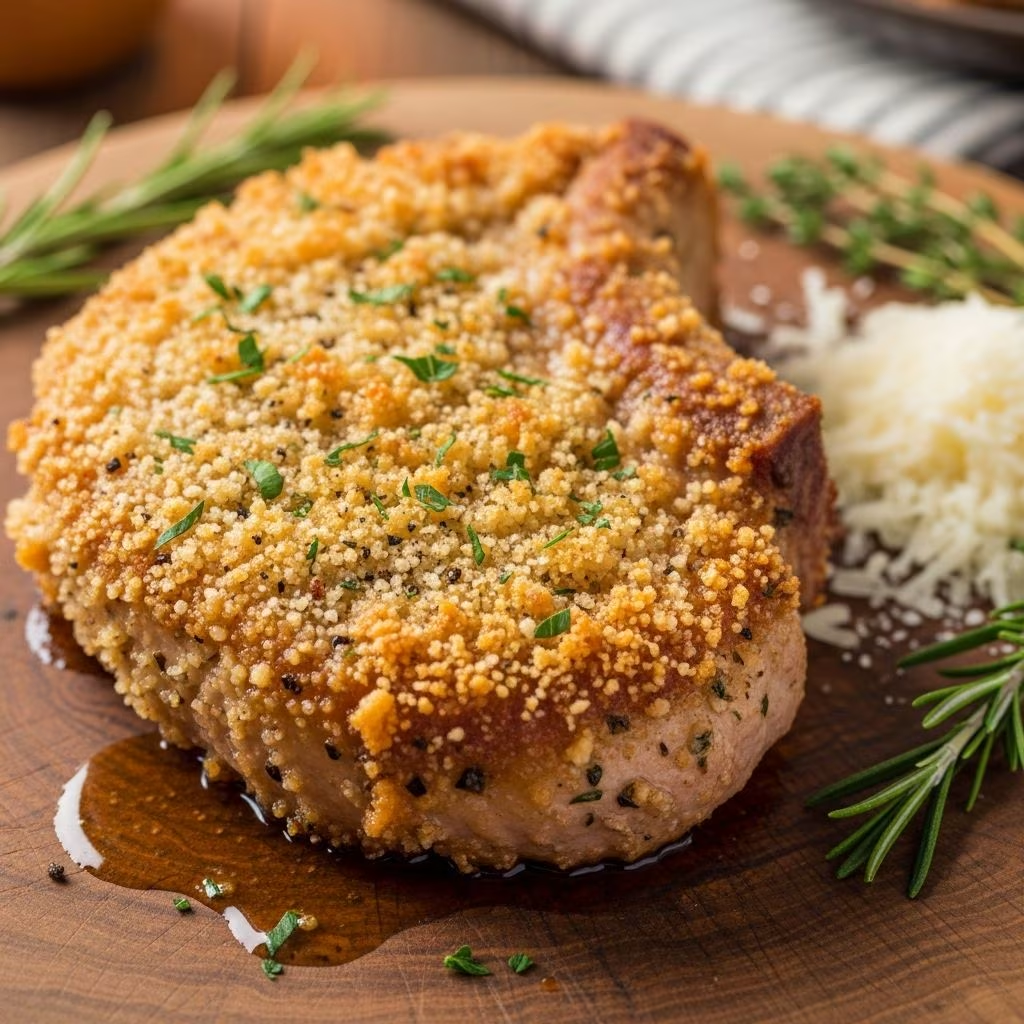
Pork chops represent one of the most versatile and approachable proteins for home cooks seeking to create impressive weeknight dinners. When prepared with a flavorful Parmesan crust, they transform into an elegant entrée that rivals restaurant-quality results. This comprehensive guide explores every aspect of crafting perfectly cooked pork chops with a crispy, golden exterior that locks in moisture and flavor. Whether you prefer stovetop searing followed by oven finishing or entirely baked preparations, understanding the fundamentals will elevate your cooking skills and impress your family and guests.
Understanding Pork Chop Selection and Preparation
The foundation of excellent pork chops begins with selecting quality meat from your local butcher or grocery store. Boneless pork chops offer ease of handling and uniform cooking, while bone-in varieties provide enhanced flavor and visual appeal. Thickness matters considerably—chops measuring between three-quarters of an inch and one and a half inches thick prove ideal for maintaining juiciness while developing proper browning. Thinner cuts risk drying out during cooking, whereas excessively thick chops may remain undercooked at the center despite achieving golden exteriors.
Before applying any coating, proper preparation ensures optimal results. Pat the pork chops dry using paper towels, as moisture inhibits browning and prevents the breading from adhering properly. Bringing chops to room temperature thirty minutes before cooking promotes even heat distribution throughout the meat, resulting in a more consistently tender final product. Seasoning directly onto the meat—rather than relying solely on the breading mixture—layers flavors throughout the dish and enhances overall taste complexity.
The Three-Station Breading System
Professional cooks employ a systematic breading technique that maximizes coating adhesion and ensures consistent results. This method utilizes three shallow bowls or dishes, each containing a distinct component of the coating process.
- Station One – Flour Base: All-purpose flour creates an adhesive layer that helps subsequent ingredients bond to the meat surface. The flour acts as a primer, filling microscopic surface irregularities and providing texture for the egg to grip. Using approximately one-half cup of flour typically suffices for four average-sized pork chops.
- Station Two – Egg Wash: Two large eggs beaten until uniform create a moisture barrier and binding agent. The egg proteins coagulate during cooking, cementing the outer coating to the meat. Ensure eggs are thoroughly combined to eliminate streaking and promote even coverage across all pork chop surfaces.
- Station Three – Seasoned Breadcrumb Mixture: This critical component combines one cup of Italian-style breadcrumbs with three-quarters to one cup of freshly grated Parmesan cheese. Adding one teaspoon of Italian seasoning, one-half teaspoon of garlic powder, and one-half teaspoon of paprika creates a robust flavor profile. Some variations include minced fresh garlic, dried parsley, or red pepper flakes for additional complexity. Thoroughly combine dry ingredients before beginning the coating process to distribute seasonings evenly.
The breading progression follows a logical sequence: flour first, then egg, finally the breadcrumb mixture. After coating each pork chop at each station, gently shake away excess to prevent clumping. This careful attention prevents the coating from sliding off during cooking and ensures an even, professional appearance.
Cooking Methods: Pan-Searing and Oven Finishing
Two primary cooking approaches deliver excellent results, each offering distinct advantages depending on your preferences and kitchen equipment.
The Combination Method: Stovetop Searing Plus Oven Finishing
This technique combines the best of both cooking methods. Heat two tablespoons of olive oil and two tablespoons of unsalted butter in a large oven-safe skillet over medium heat until the mixture shimmers. The combination of oil and butter prevents excessive browning of the butter while providing rich flavor and appropriate smoking point for browning without burning the coating.
Once the pan reaches optimal temperature, carefully add the breaded pork chops, allowing them to make full contact with the heated surface. Sear for three to four minutes on each side until achieving a deep golden-brown color. This stovetop phase develops the Maillard reaction—the chemical process that creates complex flavors and appealing browning. The exterior should appear crispy and caramelized, though the interior remains partially undercooked at this stage.
Transfer the entire skillet to a preheated three-hundred-seventy-five-degree oven for fifteen to twenty minutes, depending on chop thickness. The residual heat gradually cooks the interior without overcooking the exterior crust. Pork reaches safe consumption at an internal temperature of one hundred forty-five degrees Fahrenheit, which you can verify using an instant-read thermometer inserted at the thickest point without touching bone.
The Entirely Baked Approach
For simplified preparation, bake coated pork chops directly on a parchment-lined or oiled baking sheet. After completing the three-station breading process, arrange chops on the prepared surface. Lightly mist or brush each chop with olive oil to encourage browning and crispness during baking. This method requires no stovetop involvement and reduces cleanup substantially.
Bake at four hundred twenty-five degrees Fahrenheit for twenty to twenty-five minutes until the internal temperature reaches one hundred forty-five degrees Fahrenheit. While this approach produces acceptable results, the absence of stovetop searing typically yields a less crispy exterior compared to the combination method. The baked crust becomes crunchy but lacks the deep caramelization achieved through direct pan contact.
Flavor Enhancement and Seasoning Strategies
While the Parmesan-breadcrumb coating provides substantial flavor, additional seasoning strategies elevate the final dish. Beyond the basic salt and pepper applied directly to the raw pork chops, consider incorporating fresh herbs into the breadcrumb mixture. Fresh Italian parsley, basil, or oregano (when finely minced) contribute brightness and complexity that dried versions cannot replicate.
Garlic presents multiple opportunities for flavor development. Minced fresh garlic mixed into the breadcrumb coating offers a different character than garlic powder—typically milder and more nuanced. Some recipes employ both for layered garlic flavor. Similarly, grated Parmesan cheese provides different results depending on whether you select pre-shredded varieties or freshly grate from a block. Freshly grated Parmesan produces finer particles that create a smoother, more refined crust, while pre-shredded varieties may contain anti-caking agents that create a slightly grainier texture.
Experimenting with spice additions personalizes your preparation. Red pepper flakes introduce gentle heat, while smoked paprika contributes depth and complexity. Cajun spice blends, Italian seasoning blends, or even everything bagel seasoning create entirely different flavor profiles while maintaining the essential Parmesan-crusted concept.
Achieving the Perfect Crust Consistency
The hallmark of excellently prepared Parmesan-crusted pork chops is a crust that remains crispy throughout eating, rather than becoming soggy or separating from the meat. Several factors influence crust integrity and crispness.
Moisture control begins before cooking: thoroughly patting pork chops dry eliminates surface water that prevents browning and promotes steam accumulation beneath the coating. Using freshly grated Parmesan rather than pre-shredded varieties reduces moisture from anti-caking agents that can soften the crust during cooking. Ensuring proper pan temperature before adding coated chops initiates immediate crust formation rather than allowing moisture to escape and soften the coating.
Resting after cooking allows internal moisture to redistribute rather than immediately concentrating at the surface, which would soften the crust. Removing the finished pork chops from heat and allowing them to rest for five minutes before serving permits carryover cooking to complete without additional exterior exposure to moisture-generating steam.
Complementary Side Dishes and Serving Suggestions
Parmesan-crusted pork chops pair beautifully with numerous side dishes that complement the rich, savory crust without overwhelming the delicate pork flavor.
- Roasted vegetables such as broccoli, Brussels sprouts, or asparagus provide textural contrast and nutritional balance. Tossing with olive oil, salt, and pepper before roasting alongside the pork creates a complete one-pan meal.
- Light pasta preparations featuring olive oil, garlic, and fresh herbs allow the pork to remain the focal point while providing satisfying carbohydrates.
- Simple green salads with lemon vinaigrette offer refreshing acidity that cuts through the richness of the Parmesan coating.
- Creamy polenta or soft risotto provides luxurious accompaniments that enhance rather than compete with the pork’s flavors.
- Roasted potatoes—whether crushed, wedged, or cubed—offer comforting familiarity and textural interest.
Troubleshooting Common Issues
Coating Falls Off During Cooking: This issue typically results from insufficient drying of raw pork chops or skipping the flour station entirely. The flour acts as adhesive primer; omitting it causes subsequent layers to separate. Additionally, ensure adequate resting time between coating completion and cooking to allow egg wash to set slightly.
Undercooked or Overcooked Interior: Using a meat thermometer eliminates guesswork about doneness. Pork reaches food-safe temperatures at one hundred forty-five degrees Fahrenheit. An oven-safe thermometer inserted after the stovetop searing phase confirms interior progress before completing cooking in the oven.
Soggy Rather Than Crispy Crust: This commonly results from using pre-shredded Parmesan containing anti-caking agents that absorb moisture. Switching to freshly grated Parmesan typically resolves the issue. Additionally, ensure the pan and oil reach proper temperature before adding chops to promote immediate crust formation.
Burned Exterior While Interior Remains Undercooked: Excessive heat during stovetop searing can char the coating before the interior cooks. Use medium rather than high heat for browning, allowing gentle cooking that develops color without burning.
Make-Ahead and Storage Strategies
Preparing breaded pork chops several hours in advance streamlines weeknight cooking. After completing the three-station breading process, arrange chops on a parchment-lined plate or tray and refrigerate uncovered for up to four hours. The cooling allows the coating to set firmly, reducing separation risk during cooking. Cover after the coating has set to prevent drying.
Cooked leftover pork chops store in airtight containers for three to four days in the refrigerator. Reheating gently in a three-hundred-twenty-five-degree oven for ten to twelve minutes restores exterior crispness better than microwave reheating, which produces soggy results.
Frequently Asked Questions
Can I prepare Parmesan-crusted pork chops in advance and freeze them?
Yes, freezing uncooked breaded pork chops works excellently. Arrange breaded chops on a baking sheet and freeze until completely solid (approximately two hours), then transfer to freezer bags for extended storage up to three months. Cook directly from frozen, adding five to ten minutes to total cooking time and using a meat thermometer to confirm proper doneness.
What thickness of pork chop works best for this preparation?
Pork chops measuring between three-quarters of an inch and one and a half inches thick provide optimal results. Thinner chops risk drying out before the coating achieves proper crispness, while excessively thick chops may require extended cooking that over-browns the exterior.
Is bone-in or boneless preferable?
Both work well; boneless chops offer ease of handling and consistent cooking throughout, while bone-in varieties provide enhanced flavor and aesthetic appeal. Select based on personal preference and availability from your meat source.
Can I use a different cheese in place of Parmesan?
While Parmesan provides distinctive nutty, sharp flavor, other hard cheeses such as Pecorino Romano (which intensifies saltiness), aged Asiago, or Gruyère create interesting variations. Experiment to discover personal preferences, though Parmesan remains the classic choice.
What should the internal temperature reach for safe consumption?
Pork reaches food-safe temperatures at one hundred forty-five degrees Fahrenheit according to current USDA guidelines. Insert a meat thermometer at the thickest point without touching bone to verify proper doneness. Resting for three to five minutes after reaching target temperature allows carryover cooking to complete safely.
References
- Safe Minimum Internal Temperature Chart — U.S. Department of Agriculture Food Safety and Inspection Service. 2024. https://www.fsis.usda.gov/food-safety/safe-food-handling-and-preparation/food-safety-basics/safe-temperatures-chart
- The Maillard Reaction in Cooking — Harold McGee, Author of “On Food and Cooking: The Science and Lore of the Kitchen.” Scribner, 2004.
- Meat Selection and Preparation Guidelines — The Culinary Institute of America. Professional Chef, 2011 Edition.
- Proper Food Storage and Temperature Guidelines — U.S. Food and Drug Administration Food Code. 2022. https://www.fda.gov/food/fda-food-code