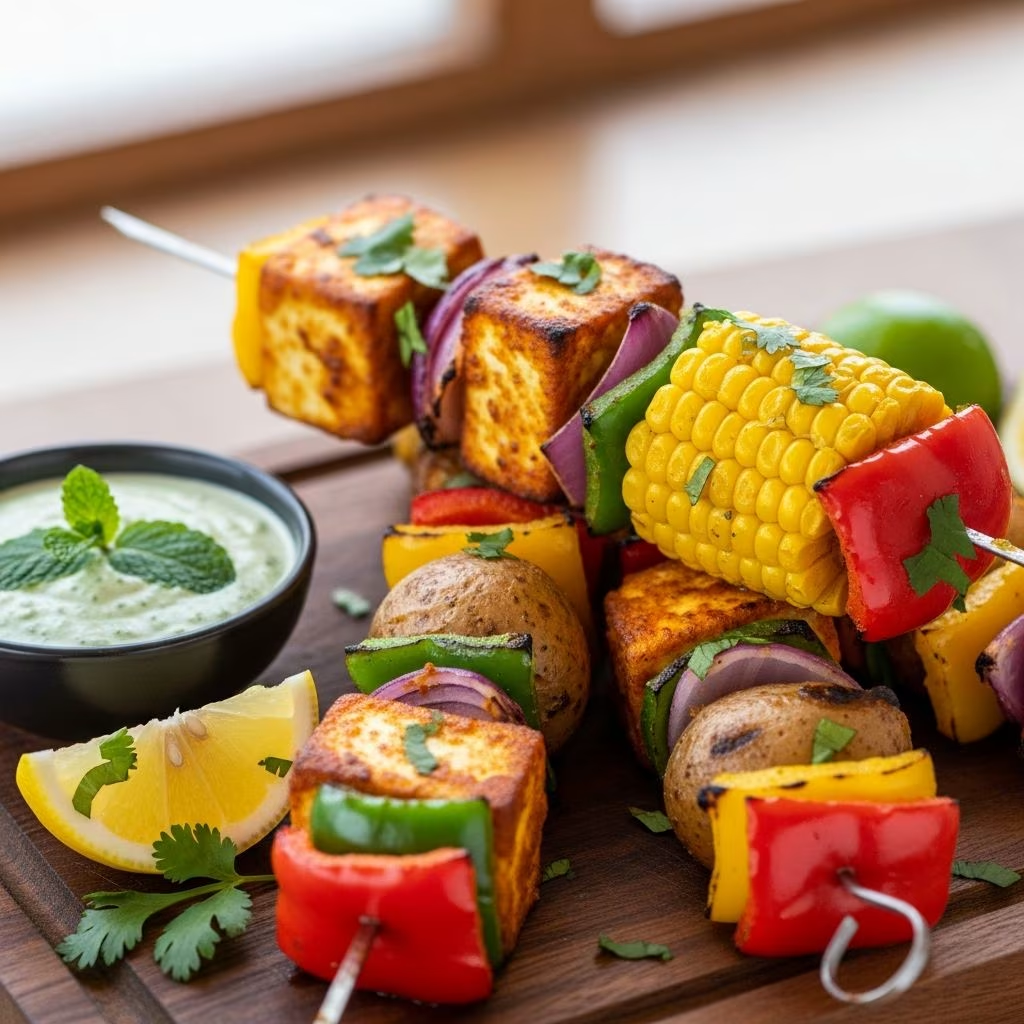
Vegetarian kebabs represent one of the most versatile and beloved appetizers in contemporary cooking, offering endless possibilities for creative combinations. When you bring together the creamy texture of paneer, the earthy comfort of potatoes, and the natural sweetness of corn, you create a harmonious blend of flavors and textures that appeals to diverse palates. These handheld delights have become increasingly popular at gatherings, as they cater to vegetarian diets while delivering the satisfying crunch and savory depth that traditionally characterize kebab cuisine.
Understanding the Core Ingredients and Their Roles
Each component in this kebab recipe serves a distinct purpose in creating the final product. The foundation begins with understanding how these ingredients interact and complement one another.
Paneer: The Protein Powerhouse
Paneer, a fresh Indian cottage cheese, provides the primary protein structure for these kebabs. When grated or crumbled, paneer distributes evenly throughout the mixture, contributing a mild, slightly tangy flavor that balances stronger spices. Its firm texture allows it to hold together effectively when combined with binders, while its neutral taste permits other flavors to shine. Fresh paneer works best, as older paneer can become rubbery and affect the kebab’s overall texture.
Potatoes: Creating Structure and Substance
Boiled and mashed potatoes serve as the binding agent that holds the kebab mixture together. Potatoes contribute starch, which acts as a natural adhesive, eliminating the need for excessive additional binders. Beyond functionality, potatoes add earthiness and create a creamy interior that contrasts beautifully with a crispy exterior. Using floury varieties rather than waxy potatoes yields better results, as they mash more smoothly and contribute more starch for binding.
Sweet Corn: Adding Texture and Natural Sweetness
Sweet corn brings multiple dimensions to the kebab experience. The kernels provide bursts of sweetness and a pleasant textural contrast, creating interest with each bite. Boiled corn kernels integrate more seamlessly than raw, as they soften slightly while maintaining their structure. The natural sugars in corn caramelize slightly during cooking, adding subtle depth to the overall flavor profile.
Essential Seasonings and Aromatic Elements
The spice blend transforms these humble vegetables into something memorable and crave-worthy.
- Ginger-garlic paste provides pungent warmth and antimicrobial properties
- Green chilies deliver fresh heat without overwhelming the palate
- Coriander powder adds earthiness and floral notes
- Garam masala supplies warmth and complexity
- Red chilli powder introduces deeper heat and color
- Fresh coriander leaves contribute brightness and herbaceous freshness
- Lemon juice provides acidity that cuts through richness and enhances other flavors
Building the Perfect Kebab Mixture
Creating the ideal consistency requires careful attention to proportions and mixing technique. The mixture should be neither too wet nor too dry—think of a texture similar to slightly moist cookie dough that holds together when pressed.
Preparation Steps
- Begin by boiling potatoes until completely tender, then peel and mash them thoroughly until smooth
- Boil sweet corn separately if using fresh corn, then drain well to remove excess moisture
- Grate or finely crumble paneer into small, uniform pieces
- Finely chop onions, green chilies, and fresh coriander to ensure even distribution
- Combine all vegetables in a large mixing bowl
- Add spice powders gradually, mixing well after each addition to ensure uniform seasoning
- Incorporate ginger-garlic paste and lemon juice
- Add breadcrumbs or gram flour gradually, mixing constantly, until the mixture reaches the desired consistency
- Let the mixture rest for 15-20 minutes, allowing flavors to meld
Shaping and Binding Techniques
How you shape these kebabs affects both their appearance and cooking performance. Uniform sizing ensures even cooking, while the correct binding prevents disintegration during the cooking process.
| Binding Agent | Quantity | Benefits | Best Use |
|---|---|---|---|
| Gram Flour (Besan) | 4-6 tablespoons | Adds nuttiness, holds moisture, creates crispy exterior | Traditional Indian preparation |
| Breadcrumbs | ¼ cup | Neutral flavor, absorbs excess moisture, prevents breakage | When baking or air-frying |
| Cornflour | 2 tablespoons | Creates additional crispness, stabilizes texture | Deep-frying for maximum crunch |
To shape, lightly oil your hands and gently form lemon-sized balls, then flatten them slightly between your palms. Some prefer cylindrical shapes for traditional kebab presentation, while others favor round patties for easier handling and even cooking.
Cooking Methods and Their Advantages
Deep Frying
The traditional method produces the most indulgent results. Heat oil to medium temperature—approximately 350-375°F (175-190°C). Carefully slide shaped kebabs into hot oil, frying 3-4 minutes per side until they achieve a deep golden-brown exterior with a crispy crust. The exterior seals quickly, trapping steam that keeps the interior moist and tender. Drain thoroughly on paper towels immediately after removing from oil.
Shallow Frying
A middle-ground approach between deep frying and baking, shallow frying uses just 2-3 tablespoons of oil in a wide pan. This method reduces fat content while maintaining excellent texture. Cook 4-5 minutes per side, occasionally spooning hot oil over the top to ensure even cooking. This approach works particularly well when you want satisfying results with less oil.
Oven Baking
For a significantly lighter option, arrange shaped kebabs on a parchment-lined baking sheet, lightly spray with cooking oil, and bake at 375°F (190°C) for 15-20 minutes per side until golden and firm. Baking produces a drier exterior compared to frying methods but offers health-conscious appeal without sacrificing much satisfaction.
Air Frying
Modern air fryers deliver crispy results with minimal oil. Arrange kebabs in a single layer in the air fryer basket, lightly spray with cooking oil, and cook at 380°F (193°C) for 12-15 minutes, shaking the basket halfway through. Air frying combines convenience, speed, and the health benefits of reduced oil consumption.
Flavor Pairings and Serving Suggestions
The preparation is only half the story; presentation and accompaniments elevate the entire experience. These kebabs pair beautifully with various chutneys and sauces that complement their mild-to-moderate spice profile.
Traditional Chutneys
- Mint-coriander chutney: Fresh, cooling, and herbaceous
- Tamarind-date chutney: Sweet, tangy, and deeply flavorful
- Green chilli chutney: Fiery and aromatic
- Tomato-based sauce: Tangy and familiar to diverse palates
Presentation Ideas
Serve kebabs on a platter lined with fresh greens, surrounded by small bowls of chutneys for dipping. Alternatively, nestle them into pita bread or naan with cucumber slices and additional chutneys for kebab sandwiches. For formal gatherings, arrange them on decorative skewers with colorful vegetables interspersed between kebabs for visual appeal.
Troubleshooting Common Issues
Kebabs Fall Apart During Cooking
This typically indicates insufficient binding. Increase gram flour or breadcrumbs by one tablespoon and ensure the mixture rests adequately before shaping. Additionally, verify that your oil temperature is hot enough—cold oil allows kebabs to fall apart before the exterior sets.
Dense, Heavy Texture
Over-mixing develops too much starch, creating a dense crumb. Mix only until ingredients are combined. Similarly, using too much binder produces heaviness. Reduce binding agents by ¼ cup and incorporate coarsely chopped corn rather than pureed corn for better texture.
Bland Flavor
Insufficient seasoning or resting time explains lack of flavor. Ensure you taste the raw mixture before cooking and adjust spices accordingly. Allow the mixture to rest for at least 20 minutes before cooking, permitting flavors to fully develop and distribute.
Nutritional Considerations and Dietary Adaptations
These vegetarian kebabs naturally provide protein through paneer and plant-based ingredients. A single kebab typically contains 8-12 grams of protein, making them satisfying as appetizers or light mains. The recipe accommodates various dietary preferences with simple modifications.
Vegan Adaptation
Substitute paneer with crumbled tofu or nutritional yeast to maintain protein content. Use plant-based milk mixed with gram flour to enhance binding properties.
Gluten-Free Option
Replace breadcrumbs with gluten-free alternatives or increase gram flour slightly. Ensure all spice powders are certified gluten-free, as some brands process spices in facilities containing wheat.
Lower-Fat Version
Air fry or bake rather than deep fry. Use minimal oil when shallow frying, and consider adding grated zucchini to increase moisture without requiring additional oil.
Storage and Make-Ahead Strategies
The mixture can be prepared up to 24 hours in advance, stored in an airtight container in the refrigerator. This advance preparation intensifies flavors and allows you to shape and cook kebabs fresh when needed. Shaped, uncooked kebabs freeze successfully for up to three months when arranged on a baking sheet and transferred to freezer bags after freezing. Cook frozen kebabs directly without thawing, adding 2-3 minutes to cooking time.
Cooked kebabs maintain quality for 3-4 days when refrigerated in an airtight container. Reheat gently in a 300°F (150°C) oven for 8-10 minutes to restore crispness without drying the interior.
Frequently Asked Questions
Can I prepare the mixture without using gram flour?
Yes, increase breadcrumbs to ½ cup or use cornflour as the primary binder. However, gram flour contributes distinctive nutty flavor that’s difficult to replicate entirely.
What if I don’t have paneer available?
Crumbled tofu provides similar texture, though with less distinct flavor. Alternatively, use finely grated cheese like feta or ricotta, adjusting salt accordingly since some cheeses contain more sodium.
Should I use fresh or frozen sweet corn?
Both work well. Frozen corn requires thawing and thorough draining. Fresh corn provides superior texture but must be cooked until tender before incorporating into the mixture.
How can I make these kebabs less spicy?
Reduce red chilli powder to ½ teaspoon and remove seeds from green chilies before chopping. Increase fresh coriander and lemon juice to maintain flavor complexity.
Can these kebabs be made ahead for a dinner party?
Absolutely. Shape the kebabs up to 12 hours in advance and refrigerate. Bring them to room temperature for 10 minutes before cooking for even cooking throughout.
Conclusion: Mastering Vegetarian Kebab Preparation
Creating memorable vegetarian kebabs combining paneer, potatoes, and sweet corn requires understanding how each ingredient contributes to the final product. By mastering ingredient proportions, shaping techniques, and cooking methods, you’ll develop the confidence to adapt this recipe to your preferences and available ingredients. Whether you’re entertaining guests or preparing a quick snack, these versatile kebabs deliver satisfying results that bridge traditional and contemporary culinary approaches.
References
- Potato Corn Kabab In Air Fryer — Cuisine with Kavita. YouTube. https://www.youtube.com/watch?v=hqyqlGGroT8
- Corn Cutlet Recipe | Crispy Corn Kebab Recipe — Hebbar’s Kitchen. https://hebbarskitchen.com/corn-cutlet-recipe-crispy-corn-kabab/
- Aloo Paneer Kebab Recipe — Archana’s Kitchen. November 17, 2018. https://www.archanaskitchen.com/recipe/aloo-paneer-kebab-recipe