Cube steaks represent one of the most accessible and rewarding proteins for home cooks seeking to create restaurant-quality meals without extensive culinary training. When prepared with proper technique, these affordable cuts of beef transform into tender, succulent centerpieces that rival dishes found in upscale dining establishments. The key to achieving exceptional results lies in understanding the interplay between heat, seasoning, and the development of a deeply flavorful pan sauce that elevates the entire dish.
This versatile preparation method produces steaks with a crispy, golden exterior while maintaining a tender interior. The accompanying onion-based sauce provides richness and umami depth that complements the beef without overwhelming its natural flavors. Whether you’re cooking for a weeknight family dinner or entertaining guests, this accessible recipe delivers impressive results every time.
Understanding Cube Steaks and Their Culinary Properties
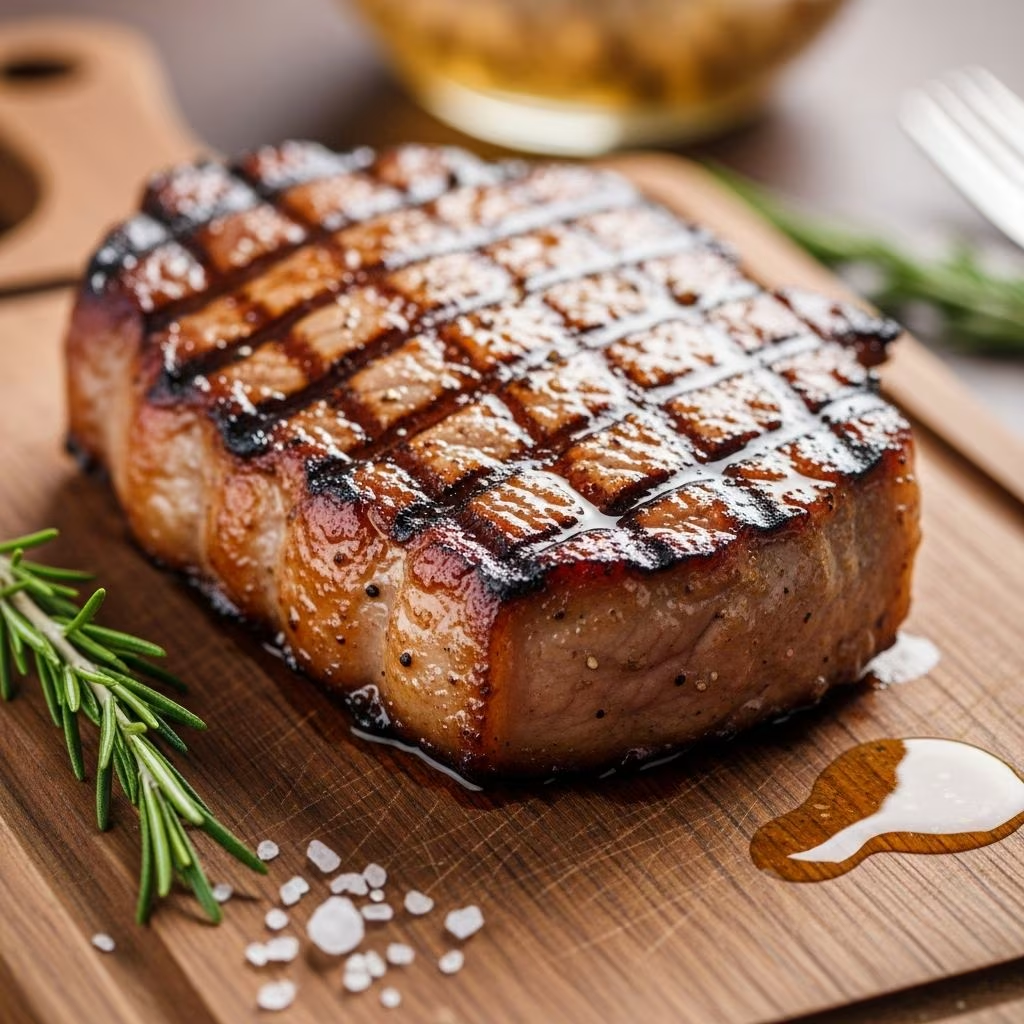
Cube steaks, also known as cubed round steaks, originate from the round portion of the cow. Butchers mechanically tenderize these cuts by passing them through a device that creates a distinctive pattern of small indentations across the surface. This mechanical process breaks down muscle fibers, rendering what would otherwise be a tougher cut into something tender enough for quick cooking methods.
The unique texture created by the cubing process provides several advantages for home cooks. The indented surface area increases dramatically compared to a smooth steak of similar thickness, allowing for better browning and crust development. Additionally, the already-tenderized meat cooks quickly—typically requiring only 3-5 minutes per side—making it ideal for weeknight meals. Most grocery stores stock cube steaks at prices significantly lower than premium cuts like ribeye or strip steak, making this preparation economical without sacrificing quality or satisfaction.
Essential Ingredients and Their Roles
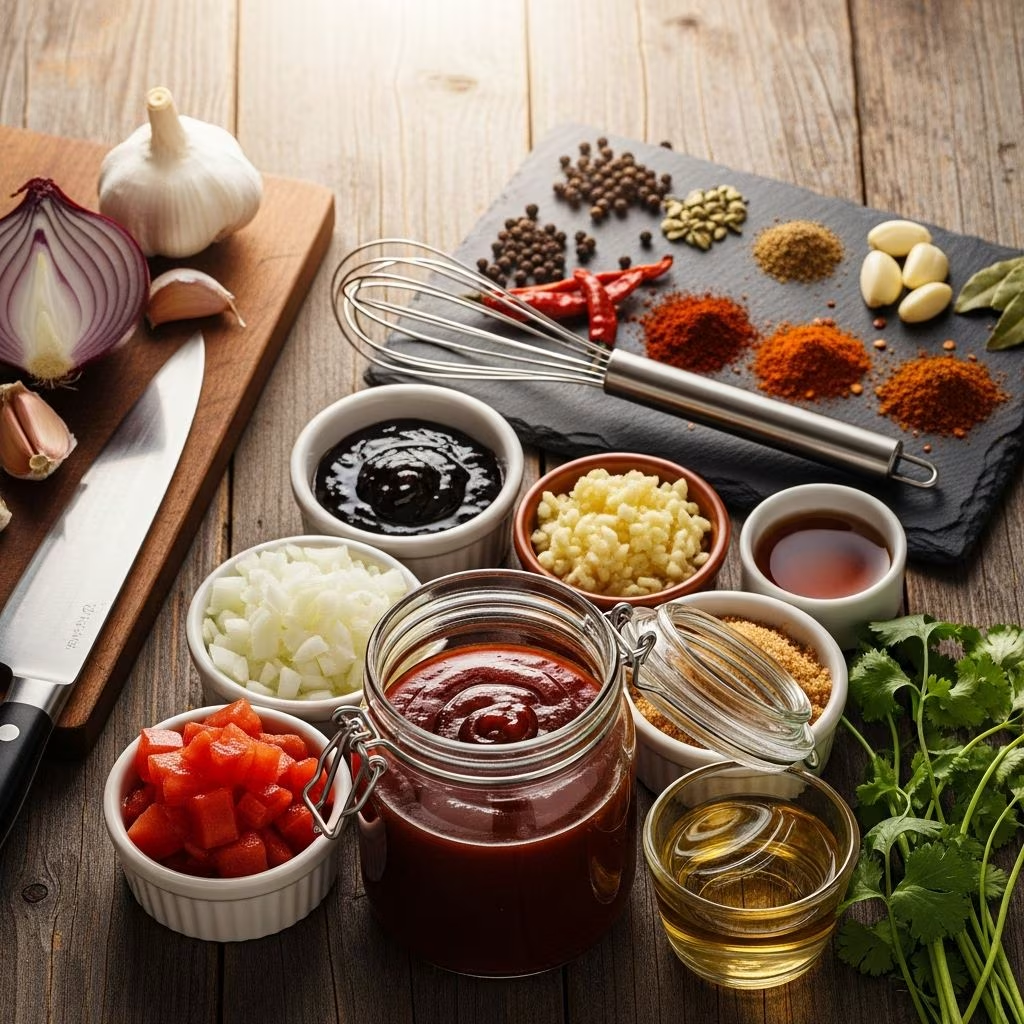
Creating outstanding pan-fried cube steaks requires understanding how each ingredient contributes to the final dish:
- Beef cube steaks: Four steaks weighing approximately 8 ounces each provide adequate portions for four servings
- All-purpose flour: Approximately 1.25 cups total—this creates the crispy coating and thickens the gravy
- Kosher salt and fresh black pepper: Fundamental seasonings applied generously to both the steaks and flour mixture
- Cooking oil: Approximately one-half cup of neutral oil (canola, vegetable, or peanut oil) for frying
- Unsalted butter: Two tablespoons added to the cooking fat to build the gravy base
- Sweet onions: One large onion sliced thinly provides natural sweetness and depth
- Low-sodium beef stock: Four cups forms the liquid foundation for the sauce
- Optional Dijon mustard: One teaspoon adds subtle complexity and enhances savory notes
Preparation Fundamentals: Setting Up for Success
Proper mise en place—the French culinary practice of organizing and preparing ingredients before cooking—establishes the foundation for success. Begin by removing the cube steaks from refrigeration and allowing them to rest at room temperature for 20-30 minutes. This seemingly simple step significantly impacts cooking outcomes by ensuring even heat distribution throughout the meat, resulting in more uniform doneness.
While steaks reach room temperature, prepare your coating station. Pour one cup of all-purpose flour into a shallow dish, then generously season this flour with kosher salt and freshly ground black pepper. The quantity of seasoning proves critical—under-seasoning results in bland finished steaks, while adequate seasoning creates flavorful, well-developed crusts. Don’t hesitate to be liberal with both salt and pepper in this step.
Arrange your workspace efficiently with the seasoned flour within easy reach of your cooking surface. Position a wire cooling rack or paper towel-lined plate nearby for draining cooked steaks. If possible, preheat your oven to 200°F so you can keep finished steaks warm while completing the remaining pieces.
The Frying Process: Achieving Perfect Crust Development
Heat selection determines the quality of your finished steaks. Pour approximately one-half cup of neutral cooking oil into a large skillet—preferably cast iron, which distributes heat evenly and develops superior browning—and place it over medium-high heat. Allow the oil to reach approximately 350°F, when it shimmers across the entire pan surface and small wisps of smoke begin appearing. This temperature proves hot enough to create a crispy crust without burning the flour coating.
Working with one steak at a time, press both sides thoroughly into the seasoned flour, using the heel of your hand to ensure complete coverage of the meat’s surface. The flour mixture must fill all the small indentations created by the cubing process. Shake away excess flour to prevent clumping, then carefully place the steak into the hot oil.
Allow the steak to fry undisturbed for approximately 3 minutes, during which time the flour coating sets and develops a golden-brown color. For the first side, gently spoon some of the hot oil over the top of the steak periodically—this technique promotes even browning and crust development. After 3 minutes, flip the steak carefully using tongs or a spatula, then cook the second side for another 2-3 minutes until golden and cooked through.
The internal temperature should reach 160°F for medium doneness, though some prefer pushing toward 165°F. Transfer the cooked steak to your prepared rack or paper towels to drain excess oil. Repeat this process with remaining steaks, keeping finished pieces warm in the 200°F oven until all steaks are completed.
Building the Caramelized Onion Sauce
The pan sauce transforms this dish from simple fried steak into something worthy of special occasions. Once all steaks have been cooked and transferred to keep warm, carefully pour out most of the cooking oil, leaving approximately 2-3 tablespoons in the skillet along with all the browned bits and drippings that cling to the bottom. These flavorful remnants—called fond—contain concentrated beef and flour flavors essential to the finished sauce.
Add 2 tablespoons of unsalted butter to the remaining oil and allow it to melt completely, foaming gently as the milk solids brown. Simultaneously, begin slicing your sweet onion into thin, uniform pieces. Once the butter has melted and begun to brown, add the sliced onion along with a generous pinch of salt. This salt helps draw moisture from the onions and promotes caramelization through osmosis.
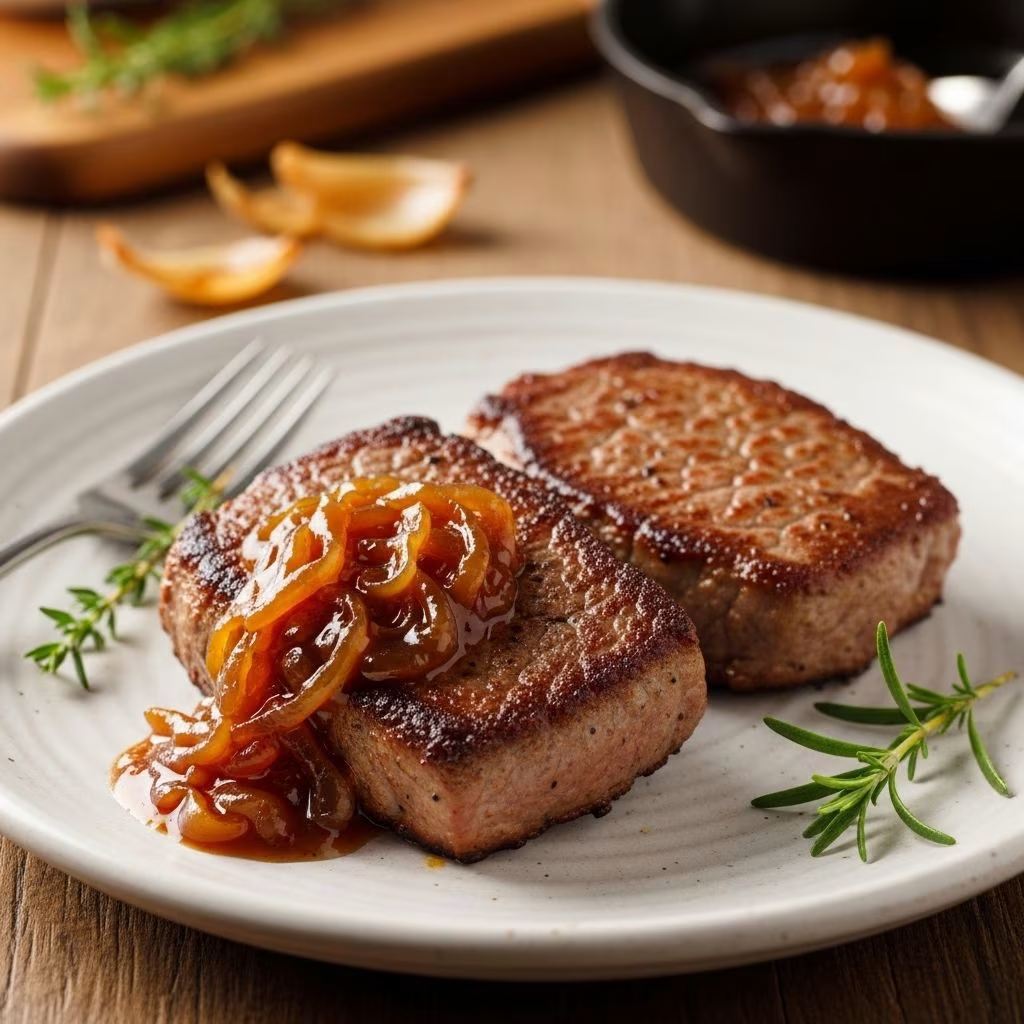
Sauté the onions over medium heat for 10-12 minutes, stirring occasionally but not constantly. This extended cooking time allows the onions’ natural sugars to caramelize, developing deep, complex flavors far superior to quickly cooked onions. The onions should turn a beautiful golden-brown color with slightly darkened edges. If they begin browning too quickly, reduce the heat slightly to prevent burning.
Once the onions have reached the desired color and softened completely, sprinkle the remaining one-quarter cup of flour over the mixture and stir constantly for 3-4 minutes. This step cooks out the raw flour taste while creating a roux—a mixture of fat and flour that will thicken your sauce. You’ll notice the mixture thickens slightly and turns a deeper brown as the flour toasts in the hot fat.
Gradually add your low-sodium beef stock while whisking constantly to prevent lumps from forming. Continue whisking for approximately 7 minutes as the mixture simmers gently, allowing the sauce to reach the desired thickness. The finished sauce should coat the back of a spoon and flow slowly when poured. If desired, whisk in 1 teaspoon of Dijon mustard for added depth and subtle complexity. Taste the finished sauce and adjust seasoning with additional salt and pepper as needed.
Serving Suggestions and Complementary Sides
The rich, savory nature of pan-fried cube steaks with caramelized onion sauce pairs beautifully with numerous side dishes. Consider these classic accompaniments:
| Side Dish Category | Recommended Options | Why It Works |
|---|---|---|
| Starches | Creamy mashed potatoes, crispy french fries, steamed white rice, buttered egg noodles | Absorbs the rich gravy while providing textural contrast |
| Vegetables | Steamed green beans, roasted broccoli, sautéed spinach, glazed carrots | Adds nutritional balance and brightness to cut richness |
| Salads | Mixed greens with vinaigrette, coleslaw, garden salad with tangy dressing | Provides acidic notes that complement savory flavors |
Variations and Creative Modifications
While the classic preparation using sweet onions and beef stock proves consistently excellent, numerous variations allow personalization based on preferences and available ingredients:
- Mushroom enhancement: Add sliced mushrooms during onion caramelization for earthy depth
- Herb infusion: Incorporate fresh thyme, rosemary, or sage into the flour coating for aromatic complexity
- Spiced version: Add cayenne pepper, smoked paprika, or garlic powder to the flour mixture for heat and complexity
- Cream-based sauce: Substitute half the beef stock with heavy cream or whole milk for richer, silkier results
- Wine reduction: Deglaze the pan with dry red wine before adding stock for deeper, more sophisticated flavors
- Double-dredge technique: Create extra-crispy coating by dipping floured steaks in beaten egg and buttermilk before returning to flour
Frequently Asked Questions
Can I prepare cube steaks in advance?
Yes, cube steaks can be floured and refrigerated up to 4 hours before cooking. Place them on a plate lined with parchment paper to prevent sticking. Remove from refrigeration 15 minutes before cooking to allow slight temperature recovery.
What’s the best oil for frying cube steaks?
Neutral oils with high smoke points work best—canola, vegetable, peanut, or avocado oil all perform well. Avoid olive oil, which has a lower smoke point and will burn at the required frying temperature.
How do I prevent the flour coating from falling off during frying?
Ensure steaks are completely dry before dredging in flour. Press the flour firmly into the meat using the heel of your hand, and avoid moving steaks around in the pan immediately after they hit the hot oil—allow them to sit undisturbed for the first 2 minutes of cooking.
Can I use a different cut of meat with this preparation?
While cube steaks are optimal, thin-cut round steak or even chicken breasts can be prepared using identical techniques. Adjust cooking times based on thickness—thinner pieces require less time to cook through.
What if my sauce seems too thin?
Continue simmering gently without a lid, which allows excess moisture to evaporate and sauce to thicken naturally. Alternatively, mix 1 teaspoon of cornstarch with 2 teaspoons of water to create a slurry, then whisk into the simmering sauce.
Storage and Reheating Recommendations
Properly stored leftovers maintain quality for up to three days. Store steaks and sauce in separate airtight containers within the refrigerator. To reheat, warm the sauce in a saucepan over medium-low heat while warming steaks gently in a 300°F oven to prevent overcooking. If sauce has thickened considerably during storage, thin with additional beef stock or water to reach desired consistency.
Freezing is not recommended for prepared steaks with gravy, as the flour coating may become soggy upon thawing and reheating. However, raw cube steaks freeze excellently for up to three months when properly wrapped.
Conclusion: Mastering an Accessible Classic
Pan-fried cube steaks with caramelized onion sauce represent accessible, approachable cooking at its finest. This preparation demonstrates that exceptional home-cooked meals don’t require expensive ingredients or advanced techniques—only proper understanding of fundamental cooking principles and attention to detail. The combination of crispy, golden-brown beef with deeply flavored, rich onion sauce delivers satisfaction that extends far beyond what the modest ingredient list might suggest, making this recipe a reliable favorite for any home cook’s repertoire.
References
- Beef Cube Steaks: Selection and Preparation Guide — United States Department of Agriculture (USDA). Accessed April 10, 2026. https://www.fsis.usda.gov/food-safety/safe-food-handling-and-preparation/meat-poultry-seafood-and-eggs/beef
- The Science of Browning: Maillard Reaction and Food Flavor Development — McGee, Harold. On Food and Cooking: The Science and Lore of the Kitchen (Revised ed.). Scribner, 2004.
- Oil Smoke Points and Safe Cooking Temperatures — International Olive Oil Council. 2023. https://www.internationaloliveoil.org/
- Food Safety and Internal Temperature Guidelines — Centers for Disease Control and Prevention (CDC). Last updated March 2024. https://www.cdc.gov/foodsafety/communication/index.html